Precision Filling Technology Maximizes Product Quality and Profitability
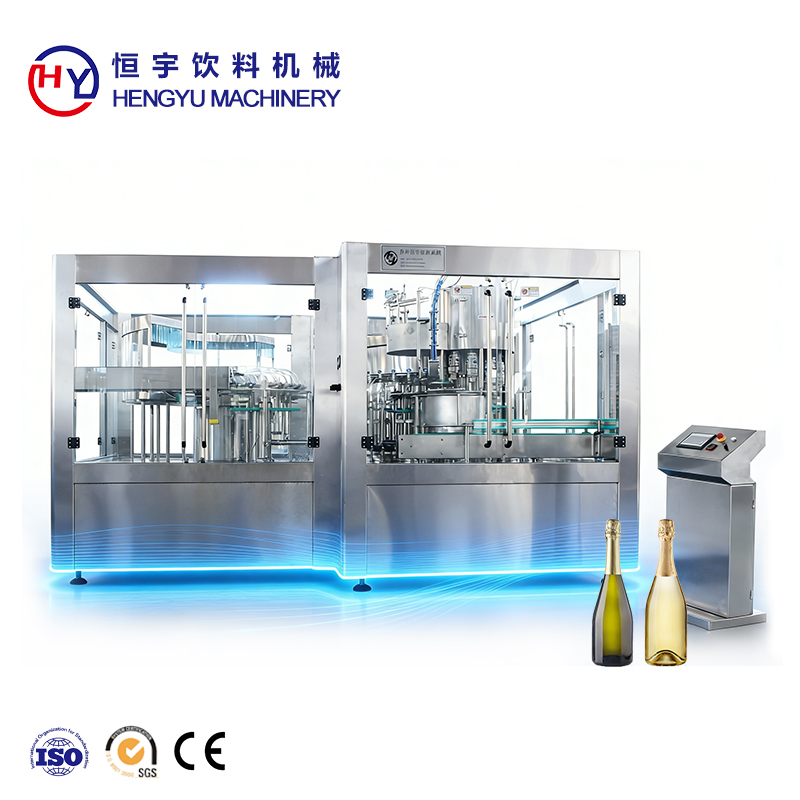
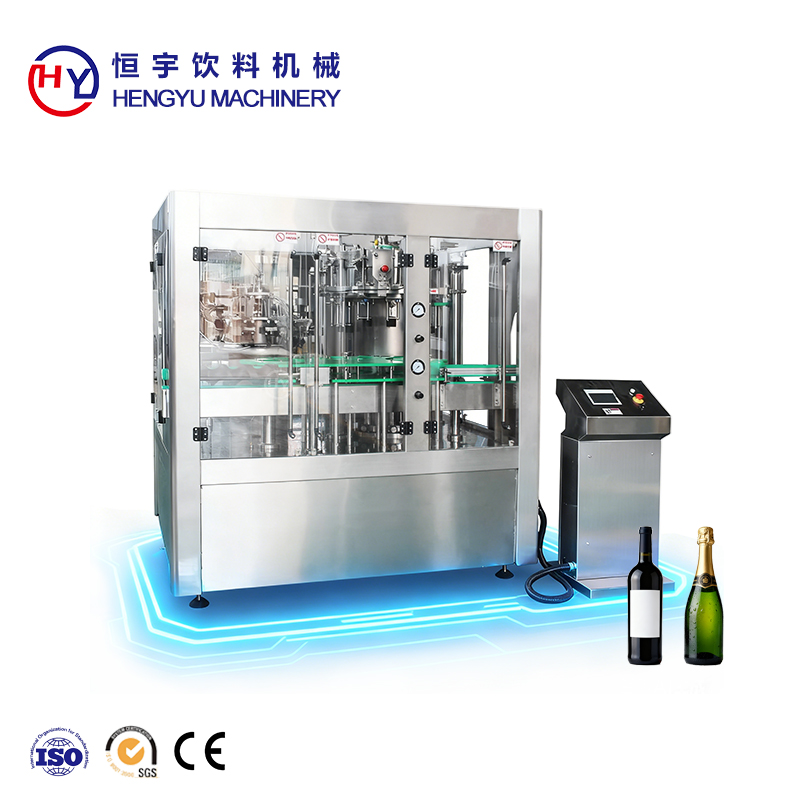
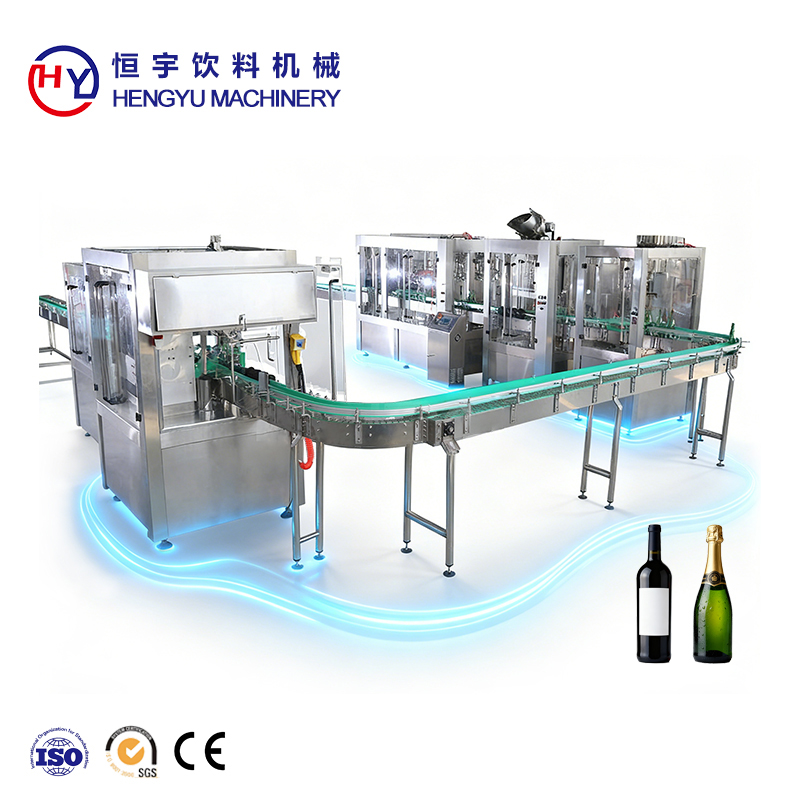
The heart of any wine bottling line lies in its filling technology, which directly determines product quality, regulatory compliance, and profit margins. Advanced filling systems employ multiple methodologies tailored to different wine characteristics, with the most sophisticated lines offering volumetric piston fillers, vacuum fillers, or isobaric filling heads for sparkling wines. Volumetric filling technology utilizes precisely calibrated pistons that draw exact quantities from the supply tank and dispense them into waiting bottles. This method excels in accuracy, achieving fill-level precision within milliliters regardless of bottle variations. For winery operations, this consistency translates to reliable compliance with labeling regulations that mandate accurate volume declarations. Overfilling represents pure profit loss, as you literally give away product with every bottle, while underfilling creates legal exposure and customer dissatisfaction. The economic impact of even slight filling variations compounds dramatically across thousands of bottles, making precision technology a critical investment consideration. Modern filling stations incorporate no-drip nozzles that eliminate spillage and maintain cleanliness throughout extended production runs. These nozzles descend into bottle openings during dispensing and rise cleanly without leaving residue on bottle rims that could interfere with proper sealing. For sparkling wines, isobaric filling systems maintain constant pressure throughout the filling process, preserving carbonation levels and preventing foaming that would cause inconsistent fill levels. This specialized technology proves essential for producers of champagne, prosecco, and sparkling wine varieties where dissolved carbon dioxide defines product characteristics. The filling stage also integrates seamlessly with upstream and downstream processes through synchronized timing controls. Bottles arrive at filling stations with precise spacing, receive their product charge, and advance to closure application without accumulation or gaps in flow. This continuous motion maximizes throughput while minimizing mechanical stress on containers. Sensors monitor each filling cycle, automatically detecting anomalies such as missing bottles, improper positioning, or equipment malfunctions. When issues arise, the system can reject affected bottles, alert operators, or pause production to prevent cascading problems. The flexibility of premium filling technology accommodates various bottle geometries without extensive reconfiguration. Adjustable fill heights and nozzle positions allow quick transitions between standard bordeaux bottles, burgundy shapes, or specialty designs. This adaptability protects your investment by ensuring the equipment remains useful as your product portfolio evolves or market trends shift toward different packaging formats.

 CN
CN