Mineral Water Bottle Filling Machine Price Guide: Costs, Features and Value Analysis

All Categories

mineral water bottle filling machine price

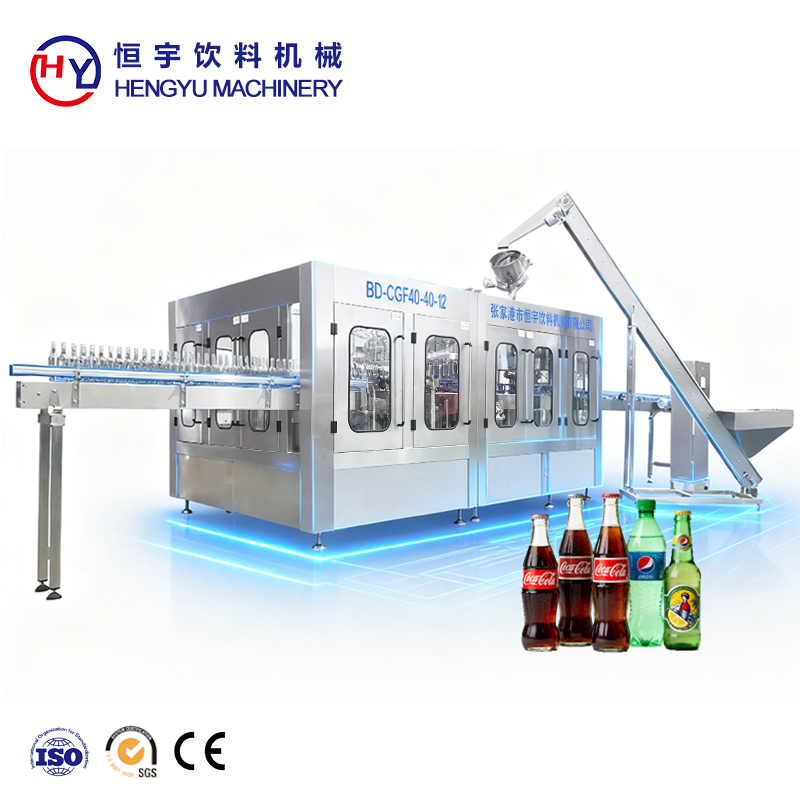
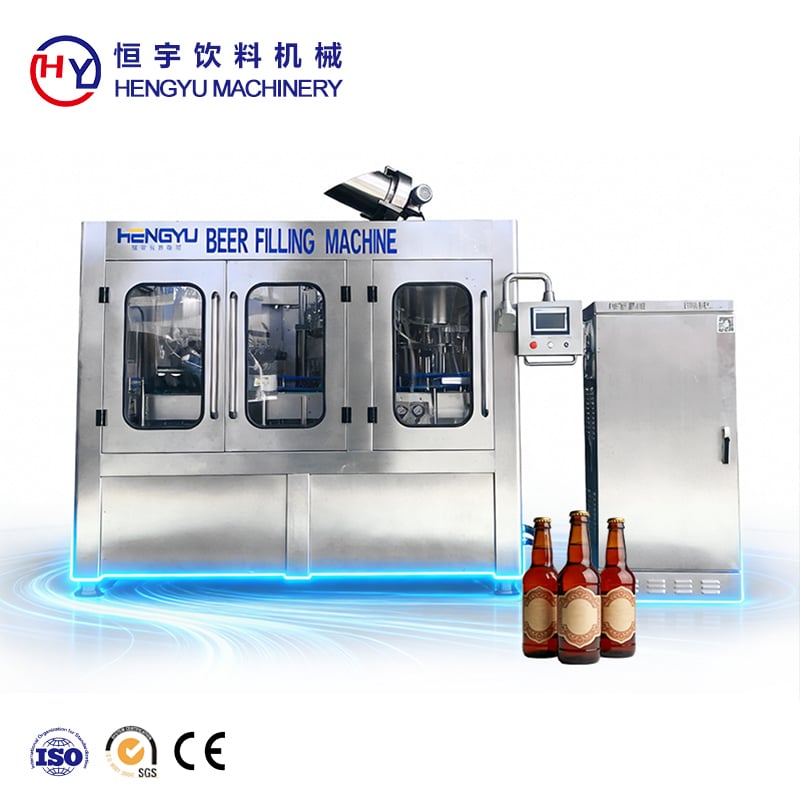
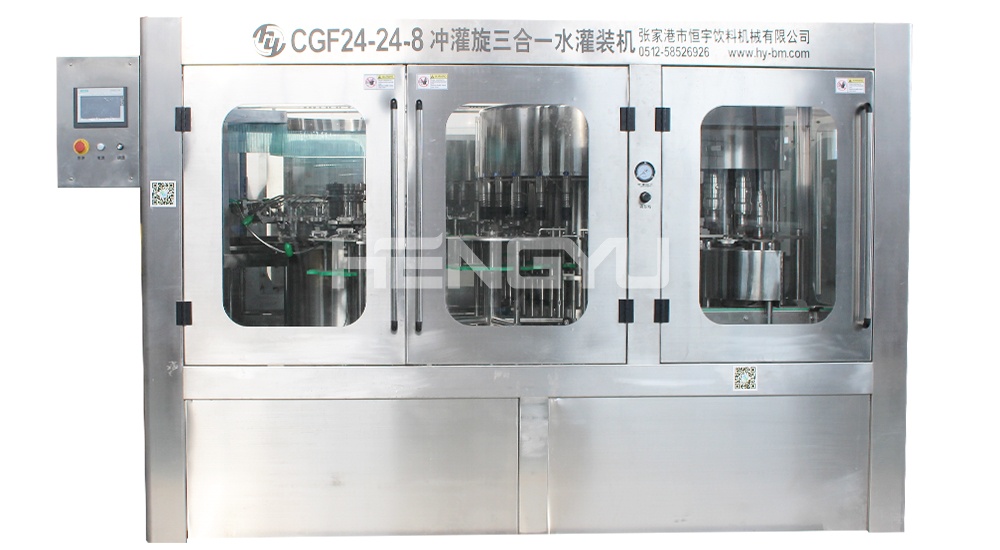
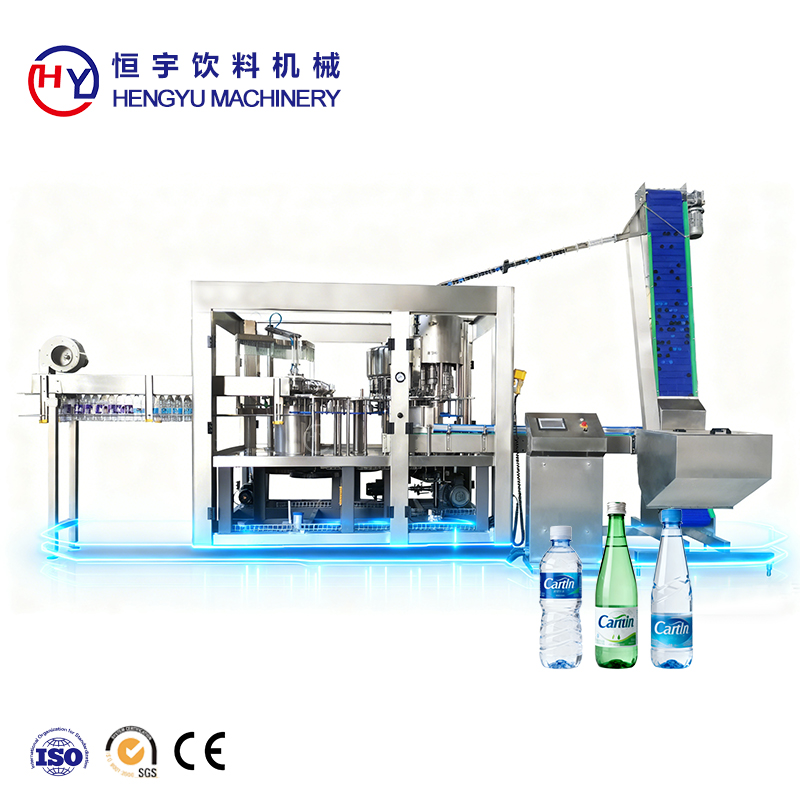
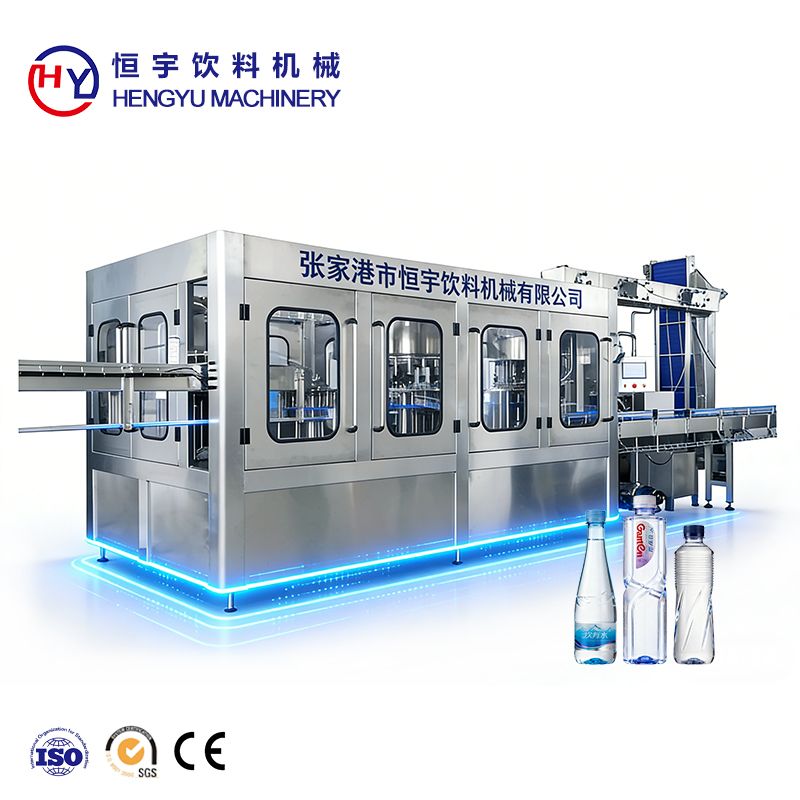
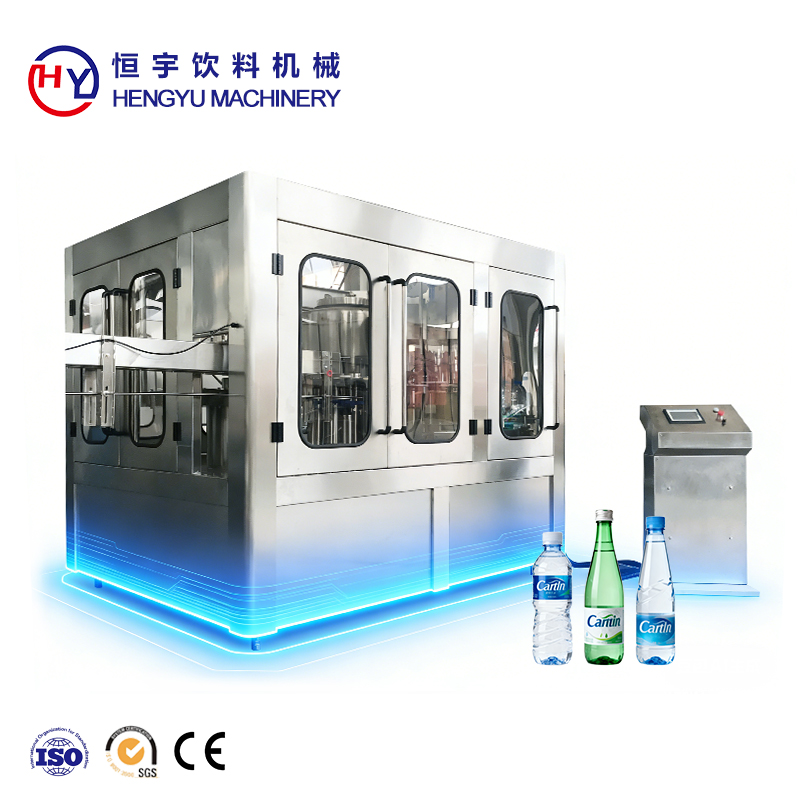
Understanding the mineral water bottle filling machine price requires a comprehensive look at what these sophisticated systems offer to beverage production facilities. The pricing structure for mineral water bottle filling machines varies significantly based on capacity, automation level, and technological sophistication. Entry-level semi-automatic systems typically start around fifteen thousand dollars, while fully automated high-speed production lines can exceed several hundred thousand dollars. The mineral water bottle filling machine price reflects the investment in precision engineering, durability, and production efficiency. These machines serve as the cornerstone of bottled water production, combining multiple functions including bottle rinsing, filling, and capping in synchronized operations. Modern filling systems incorporate advanced PLC control systems, touch-screen interfaces, and servo motor technology to ensure accurate filling volumes and minimal product waste. The technological features embedded in contemporary machines include automatic bottle feeding mechanisms, precision flow meters, sterile filling environments, and quick-changeover capabilities for different bottle sizes. Production capacities range from two thousand bottles per hour for smaller operations to thirty thousand bottles per hour for industrial-scale facilities. The mineral water bottle filling machine price also accounts for construction materials, with food-grade stainless steel being the industry standard for components contacting water. Applications span from small-scale mineral water brands to large multinational beverage corporations, municipal water bottling plants, and contract packaging facilities. The pricing consideration must factor in long-term operational costs, maintenance requirements, energy consumption, and expected return on investment. Higher-priced systems typically offer superior build quality, enhanced automation, reduced labor requirements, and lower per-bottle production costs over the equipment lifespan. When evaluating the mineral water bottle filling machine price, businesses must consider their current production demands, growth projections, available floor space, and technical support infrastructure to select equipment that delivers optimal value for their specific operational requirements.

New Products

When examining the advantages reflected in the mineral water bottle filling machine price, potential customers gain access to multiple practical benefits that directly impact their bottom line and operational efficiency. The first significant advantage involves dramatic increases in production speed compared to manual filling methods. Automated filling machines eliminate human bottlenecks, enabling consistent output rates that can transform a small operation into a competitive market player. This productivity boost means businesses can fulfill larger orders, enter new distribution channels, and scale operations without proportionally increasing labor costs. The mineral water bottle filling machine price includes precision filling technology that virtually eliminates overfilling and underfilling issues. This accuracy translates to reduced product waste, consistent bottle weights that satisfy regulatory requirements, and improved customer satisfaction through uniform product presentation. The cost savings from eliminated waste often justify the initial investment within the first year of operation. Another substantial advantage centers on hygiene and product safety. Modern filling machines create controlled environments that minimize contamination risks through enclosed filling zones, automated sanitization cycles, and elimination of human contact with the product. This sterile processing capability protects brand reputation and reduces the liability risks associated with contaminated products reaching consumers. The mineral water bottle filling machine price also covers versatility in handling multiple bottle formats. Quick-changeover systems allow operators to switch between different bottle sizes, shapes, and materials within minutes rather than hours, enabling diverse product lines without requiring multiple dedicated machines. This flexibility helps businesses respond to market trends, test new package designs, and serve varied customer preferences with minimal downtime. Labor cost reduction represents another compelling advantage, as automated systems require fewer operators per bottle produced. The personnel savings accumulate significantly over years of operation, while remaining staff can focus on quality control, maintenance, and value-added tasks rather than repetitive manual filling. Energy efficiency built into modern machines reduces utility expenses through optimized motor systems, reduced air consumption, and heat recovery features. The mineral water bottle filling machine price reflects these engineering refinements that lower operating costs throughout the equipment lifecycle. Maintenance advantages include modular designs that simplify component replacement, diagnostic systems that predict potential failures before they cause downtime, and readily available spare parts from established manufacturers. Businesses also benefit from enhanced quality control capabilities, with integrated inspection systems detecting defects, verifying fill levels, and ensuring proper cap application. These automated quality checks reduce the need for manual inspection labor while improving detection rates compared to visual human inspection. The professional image conveyed by consistent, precisely filled bottles strengthens brand perception and justifies premium pricing in competitive markets.

Latest News

How to Choose a Glass Bottle Filling Machine for Beverage Production

06

Mar

How to Choose a Glass Bottle Filling Machine for Beverage Production

Match Filling Technology to Beverage Type and Sensitivity Counter-Pressure Fillers for Carbonated Beverages and Beer Carbonated drinks like soda, sparkling water and beer need careful filling techniques to keep their fizz intact while avoiding exc...
View More
Increasing Capacity in Bottled Water Production Lines

09

Mar

Increasing Capacity in Bottled Water Production Lines

Diagnosing Bottlenecks in Your Bottled Water Production Line Measuring Throughput Gaps: Bottling Speed, Changeover Time, and OEE Analysis To get a handle on where production is falling short, look at three key performance indicators. Start by compa...
View More
How Bottled Water Production Lines Maintain Product Safety

12

Mar

How Bottled Water Production Lines Maintain Product Safety

Regulatory Foundations and the Multi-Barrier Safety Framework FDA, EPA, and ISO Standards Specific to Bottled Water Production Lines The bottled water industry works within a pretty strict set of regulations. The FDA has these things called Good Ma...
View More
Troubleshooting Can Filling Machine Production Issues

21

Mar

Troubleshooting Can Filling Machine Production Issues

Power, Control, and Electrical Faults in Can Filling Machines Machine won't power on: main supply, fuses, and emergency stop circuit checks If the can filling machine won't start at all, the first thing to do is check whether the main power supply ...
View More

Get a Free Quote

Our representative will contact you soon.
Email
Name
Phone/WhatsApp
Required Product
Message
0/1000

mineral water bottle filling machine price

Production Capacity Optimization and Scalability Features

Production Capacity Optimization and Scalability Features

The production capacity considerations embedded in the mineral water bottle filling machine price represent critical value propositions for businesses planning both immediate operations and future growth. Manufacturing facilities require equipment that matches current demand while providing headroom for expansion without necessitating complete system replacement. Entry-level machines processing two thousand to five thousand bottles hourly suit startup operations, regional brands, and specialty mineral water producers targeting niche markets. These systems provide the automation benefits and hygiene standards of professional equipment at accessible price points that make commercial production viable for emerging businesses. Mid-range filling machines handling eight thousand to fifteen thousand bottles per hour serve established regional distributors, growing brands expanding market presence, and co-packing facilities serving multiple clients. The mineral water bottle filling machine price in this capacity range reflects sophisticated automation, enhanced durability for continuous operation, and integration capabilities with upstream and downstream equipment including labeling machines, packaging systems, and palletizers. High-capacity industrial systems exceeding twenty thousand bottles hourly represent the premium segment where the mineral water bottle filling machine price reflects cutting-edge technology, maximum efficiency, and minimal per-unit production costs. These installations typically include multiple filling heads, advanced synchronized conveyor systems, redundant components ensuring continued operation during maintenance, and comprehensive data collection systems for production analytics. The scalability advantage extends beyond raw speed to encompass flexibility in bottle handling. Modern machines accommodate bottle volumes from two hundred milliliters to five gallons, with diameter and height adjustment systems that facilitate rapid changeovers. This adaptability prevents businesses from outgrowing their equipment as product portfolios expand or market demands shift toward different package sizes. The mineral water bottle filling machine price factors in modular architecture allowing incremental capacity increases through additional filling heads, upgraded control systems, or enhanced conveyor speeds without replacing the entire production line. This investment protection proves especially valuable for growing companies that can phase equipment upgrades according to revenue growth rather than facing massive capital expenditures during expansion phases. Capacity optimization also involves minimizing downtime through quick-change features, accessible maintenance points, and robust construction that withstands demanding production schedules. The pricing reflects engineering that prioritizes uptime, as every hour of production stoppage represents lost revenue that accumulates dramatically over equipment lifespan.
Advanced Hygiene and Product Safety Systems

Advanced Hygiene and Product Safety Systems

The hygiene and safety features justified within the mineral water bottle filling machine price provide invaluable protection for both consumers and brand reputation in an industry where product purity defines market success. Mineral water production demands exceptional cleanliness standards, as the product lacks preservatives and processing steps that might compensate for contamination introduced during bottling. Modern filling equipment incorporates multiple protective layers beginning with construction materials, as pharmaceutical-grade stainless steel resists corrosion, prevents bacterial adhesion, and withstands aggressive cleaning chemicals without degrading. The mineral water bottle filling machine price reflects this material quality throughout product contact surfaces, valves, filling nozzles, and internal pathways where water flows. Automated cleaning-in-place systems represent another critical hygiene advantage, circulating sanitizing solutions through the entire filling circuit according to programmable schedules that ensure consistent disinfection without operator variability. These CIP systems eliminate manual cleaning labor while achieving superior microbial control through precise temperature, concentration, and contact time parameters. The enclosed filling environment prevents airborne contamination by isolating the filling zone from ambient production floor conditions where dust, personnel traffic, and equipment movement create contamination risks. Positive pressure systems within filling chambers further protect product integrity by preventing outside air infiltration during bottle filling operations. The mineral water bottle filling machine price includes UV sterilization systems that expose bottles to germicidal ultraviolet light immediately before filling, destroying microorganisms that survived washing processes or accumulated during bottle storage. This additional safety layer proves especially important for operations using returnable bottles or receiving bottles from external suppliers with variable cleanliness standards. Sterile air filtration systems supply the filling environment with HEPA-filtered air, removing particulates and microorganisms that could compromise product safety. Automated bottle inspection systems detect foreign objects, verify proper bottle orientation, and reject damaged containers before they enter the filling sequence, preventing contamination from cracked bottles or bottles containing debris. The no-contact filling technology employed in premium systems prevents cross-contamination between bottles by eliminating physical contact between filling nozzles and bottle openings. Sanitary valve designs prevent dripping between fill cycles, eliminating the contamination pathway where residual drops contact subsequent bottles. The mineral water bottle filling machine price incorporates documentation capabilities that support quality assurance programs, recording fill volumes, processing parameters, and cleaning cycles to demonstrate compliance with food safety regulations and facilitate traceability during quality investigations.
Cost Efficiency and Return on Investment Analysis

Cost Efficiency and Return on Investment Analysis

The long-term financial benefits embedded in the mineral water bottle filling machine price extend far beyond the initial capital expenditure, delivering operational savings and revenue opportunities that accumulate substantially throughout the equipment lifecycle. Labor cost reduction represents the most immediate and quantifiable advantage, as automated filling systems replace multiple manual workers previously required for bottle handling, filling, capping, and quality inspection. A semi-automated system might reduce labor requirements by fifty percent, while fully automated lines can operate with minimal supervision, requiring only technical personnel for monitoring, adjustment, and periodic maintenance. These personnel savings compound annually, often recovering the equipment investment within two to four years depending on local labor rates and production volumes. The mineral water bottle filling machine price reflects precision that eliminates product giveaway, the industry term for overfilling beyond labeled volumes. Manual filling operations typically overfill by three to eight percent to ensure regulatory compliance, whereas automated systems maintain accuracy within one percent of target volumes. For facilities producing millions of bottles annually, this accuracy translates to thousands of dollars in recovered product that would otherwise represent pure loss. Energy efficiency engineered into contemporary machines reduces utility expenses through variable-speed drives that match motor output to actual demand, efficient pneumatic systems that minimize compressed air waste, and optimized process sequences that reduce cycle times. The mineral water bottle filling machine price includes these refinements that lower operating costs throughout decades of service. Maintenance cost advantages emerge from modular designs allowing quick component replacement, wear-resistant materials extending service intervals, and diagnostic systems that identify developing problems before catastrophic failures occur. Predictive maintenance capabilities reduce emergency repair costs, minimize production interruptions, and extend overall equipment lifespan through timely intervention. The quality consistency achieved by automated systems reduces customer complaints, product returns, and the associated costs of replacing rejected products while managing reputation damage. Consistent fill levels, proper cap application, and defect detection before shipping protect brand equity that took years to establish. The mineral water bottle filling machine price also enables revenue growth opportunities by supporting product diversification, as quick-changeover capabilities allow businesses to offer multiple bottle sizes, experiment with premium packaging, and respond to seasonal demand variations without significant retooling expenses. Production speed increases enable businesses to accept larger contracts, enter wholesale channels previously inaccessible due to capacity constraints, and capitalize on peak demand periods that manual operations could not accommodate. The professional production standards achieved with automated equipment open doors to major retail chains and institutional customers requiring supplier certifications, audit compliance, and demonstrated process controls that manual operations cannot consistently provide. Equipment financing options spread the mineral water bottle filling machine price across the revenue-generating life of the asset, aligning payment obligations with the cash flow improvements the machinery generates. Tax advantages including depreciation deductions and potential investment credits further improve the financial proposition. When businesses calculate total cost of ownership including acquisition price, operating costs, maintenance expenses, and productivity gains, the mineral water bottle filling machine price represents an investment that delivers measurable returns through reduced costs, increased revenue, and competitive advantages that strengthen market position for years following installation.