Flexible Configuration Options Adapt to Diverse Business Needs
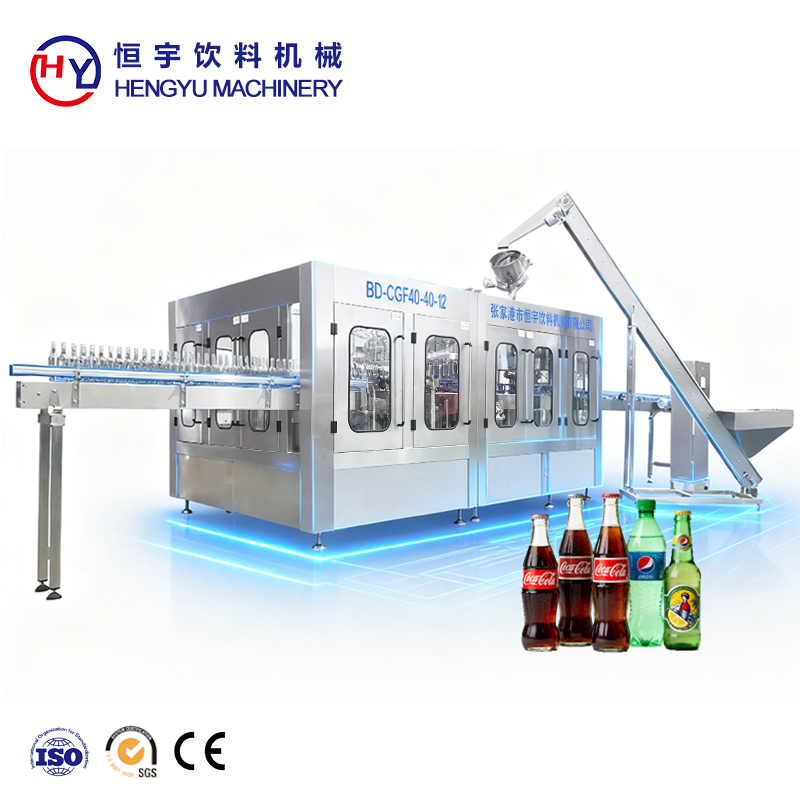
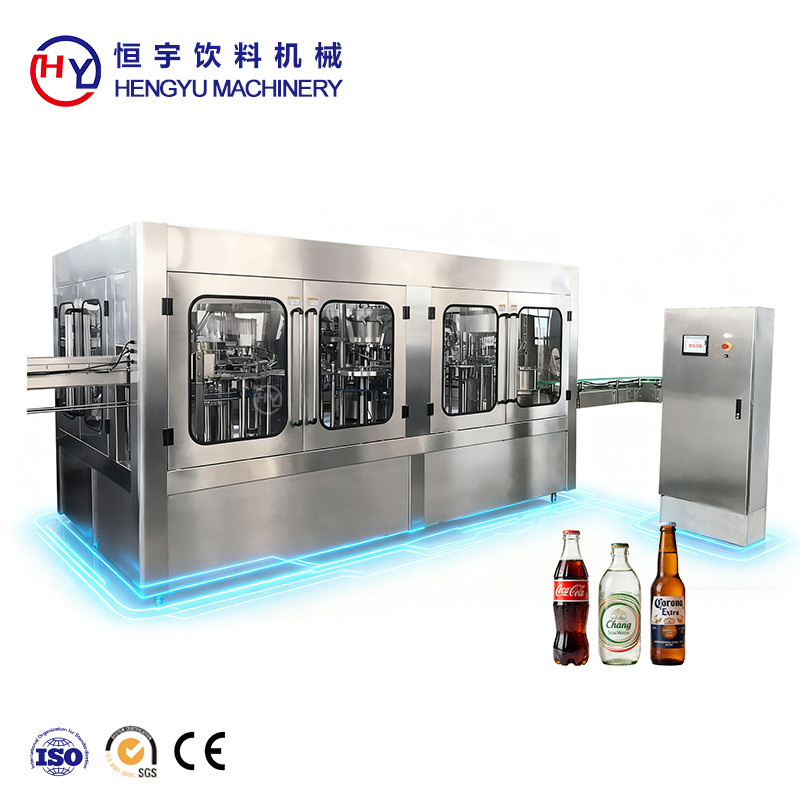
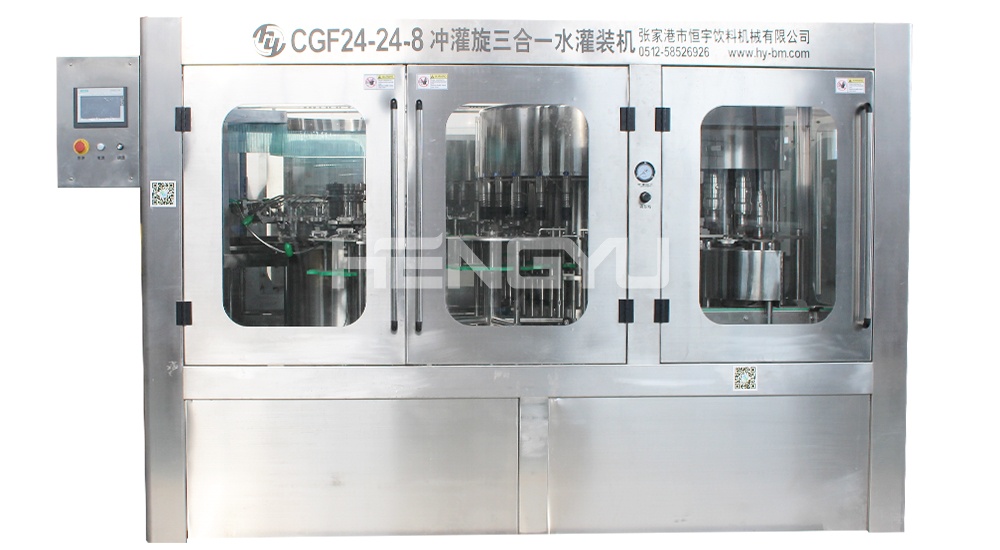
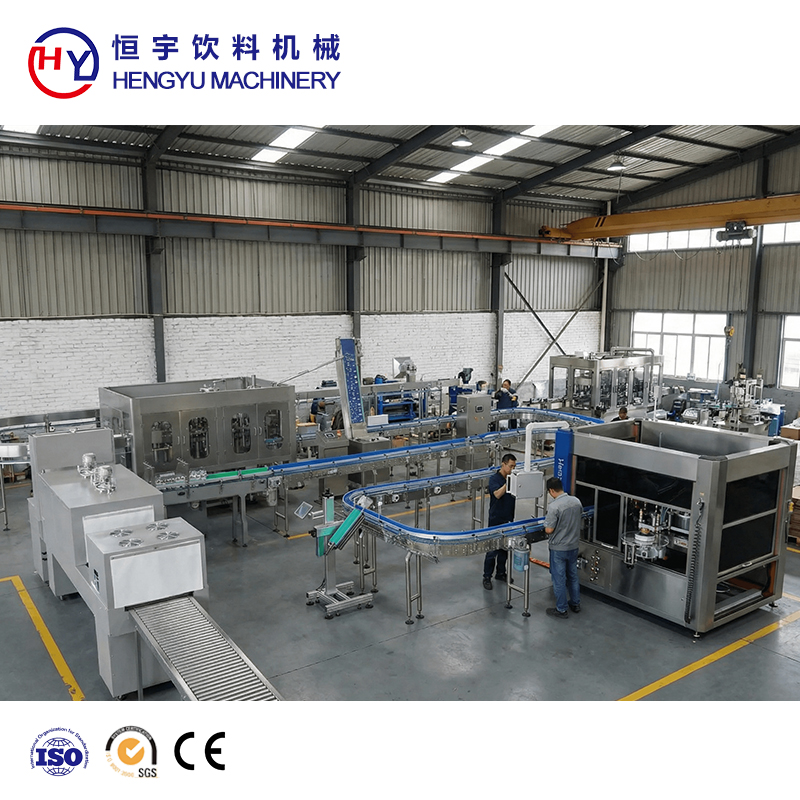
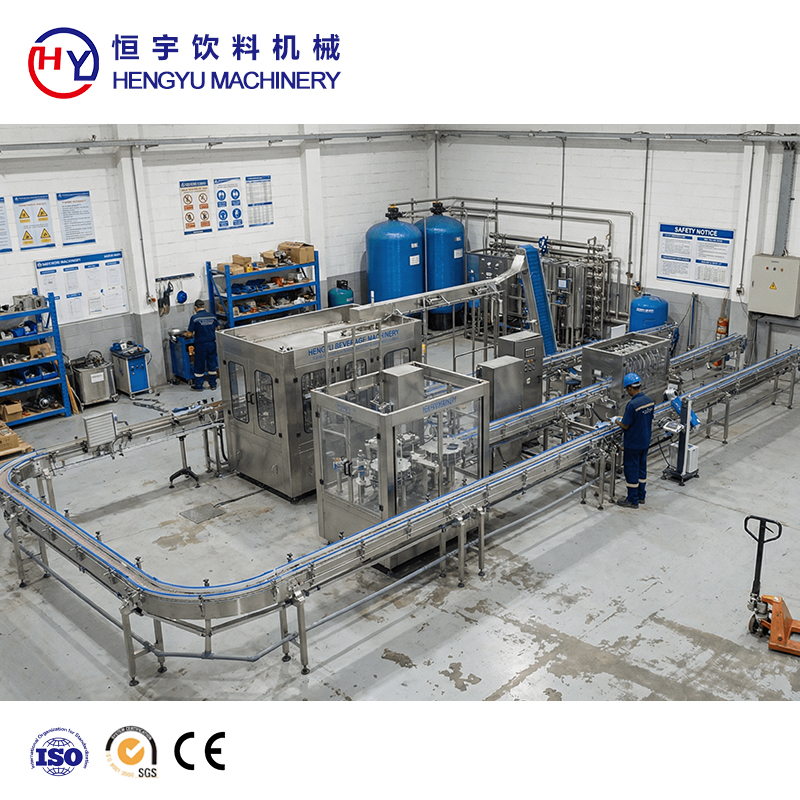
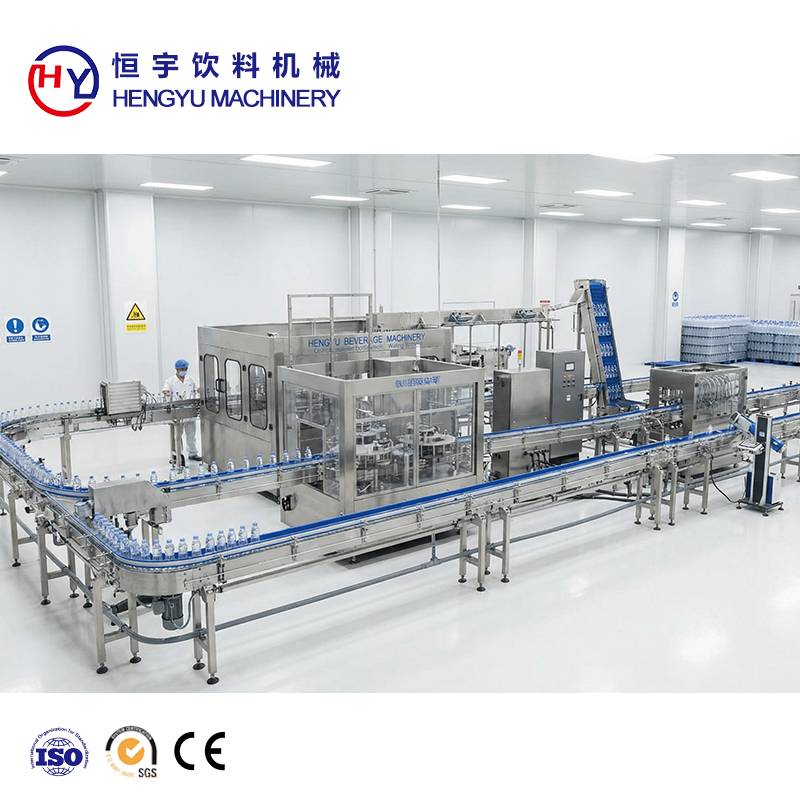
The remarkable flexibility engineered into contemporary water bottling line systems empowers businesses to respond effectively to evolving market demands, seasonal variations, and growth opportunities without being constrained by rigid production capabilities. Modular architecture allows companies to configure systems matching their specific requirements and budget constraints, starting with essential components and expanding functionality as business conditions warrant. A basic water bottling line might include filling, capping, and labeling modules, while expanded versions incorporate bottle blowing, advanced inspection systems, automated warehousing integration, and sophisticated packaging options. This scalability proves especially valuable for growing enterprises that need current production capacity but want assurance they can increase output without replacing their entire investment. Quick-change features facilitate rapid transitions between bottle sizes, with tooling adjustments completed in minutes rather than hours. Filling nozzles accommodate various neck finishes through interchangeable parts. Conveyor guides adjust width to handle containers from small single-serve bottles to large multi-gallon formats. Labeling heads accept different label sizes and application methods including pressure-sensitive, hot melt, and shrink sleeve technologies. This versatility allows a single water bottling line to service multiple product lines, maximizing asset utilization and reducing the per-unit allocation of capital costs. Speed variability controlled through the central system allows operators to match production rates with downstream capacity, packaging material availability, or order requirements. Running at optimal speeds rather than maximum rates can extend equipment life and reduce stress on components. The water bottling line can integrate with various upstream water treatment technologies including reverse osmosis, ultraviolet sterilization, ozonation, and mineral addition systems, accommodating different water sources and quality requirements. Downstream packaging options range from simple film wrapping to sophisticated robotic palletizing with automatic stretch wrapping and labeling for direct loading onto delivery vehicles. Format flexibility extends to closure types, with the water bottling line handling flat caps, sport caps, flip-top closures, and various tamper-evident designs through changeable tooling sets. Container material compatibility spans PET plastic, rPET recycled plastic, glass, and emerging sustainable packaging materials as they gain market acceptance. This adaptability protects your investment against shifts in consumer preferences or regulatory changes affecting packaging materials. Geographic flexibility allows successful water bottling line configurations to be replicated across multiple production facilities, standardizing operations and simplifying staff training, spare parts inventory, and technical support arrangements as companies expand their distribution footprint to serve broader markets efficiently.

 CN
CN