Water Filler Machine Price Guide: Costs, Features & Benefits for Smart Investment Decisions

All Categories

water filler machine price

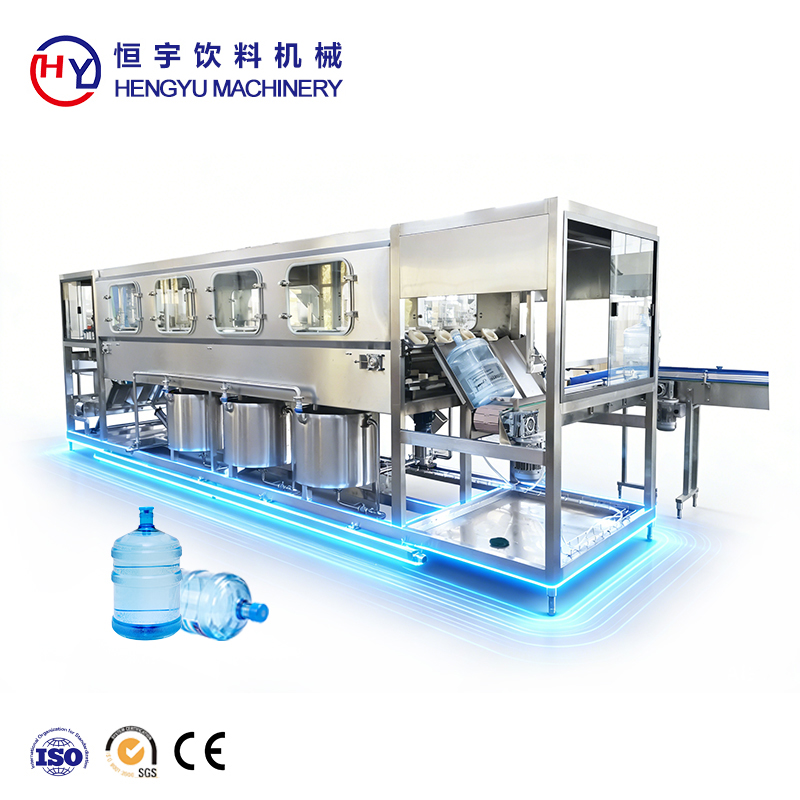
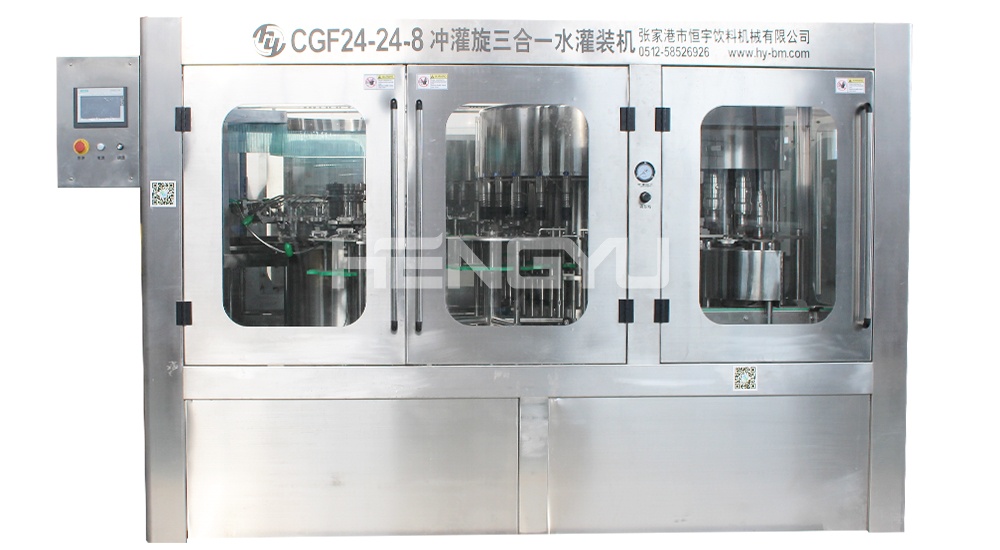
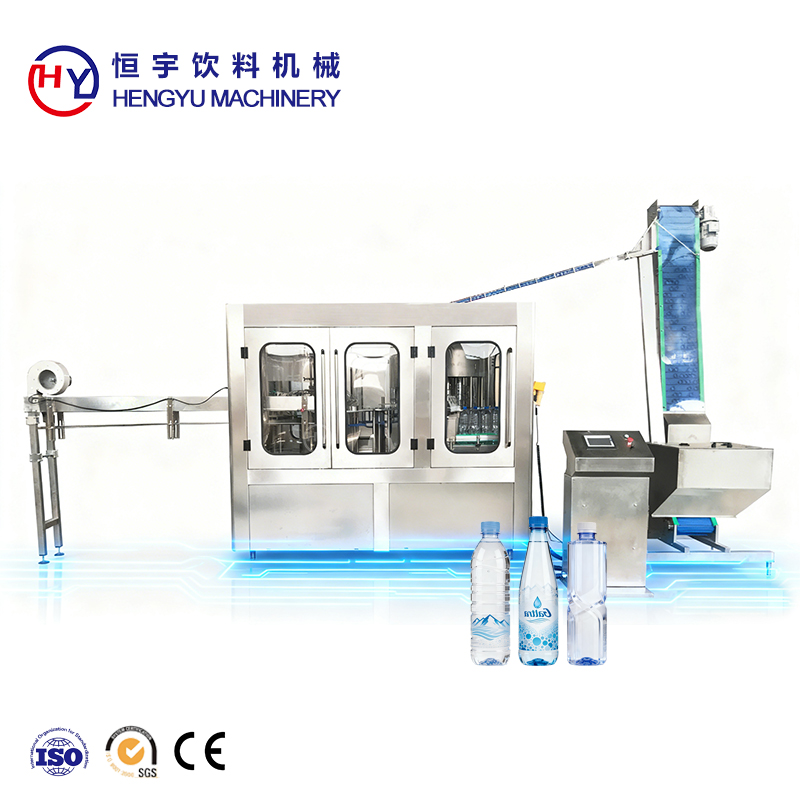
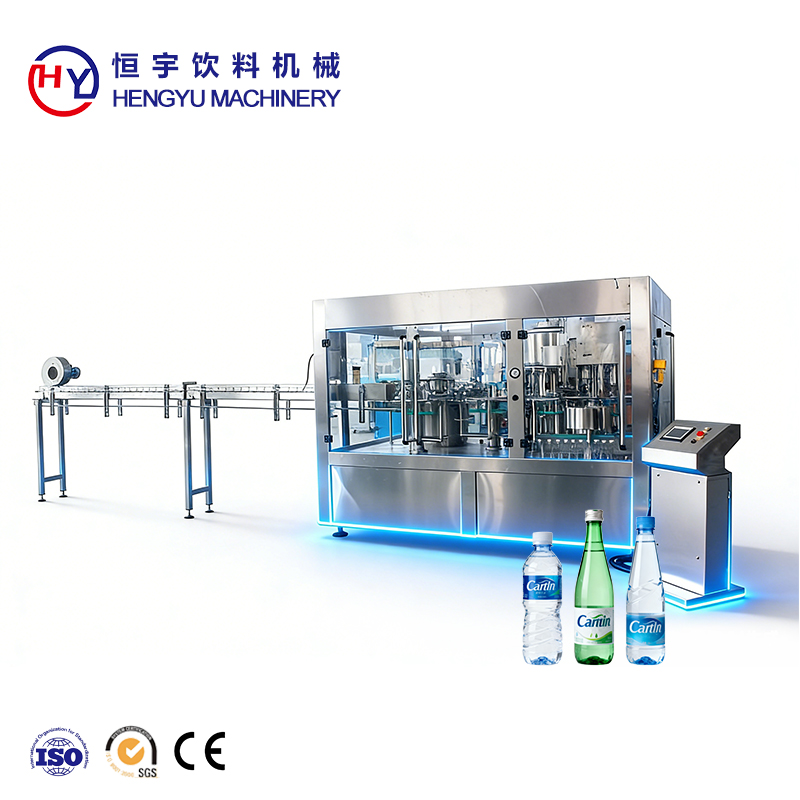
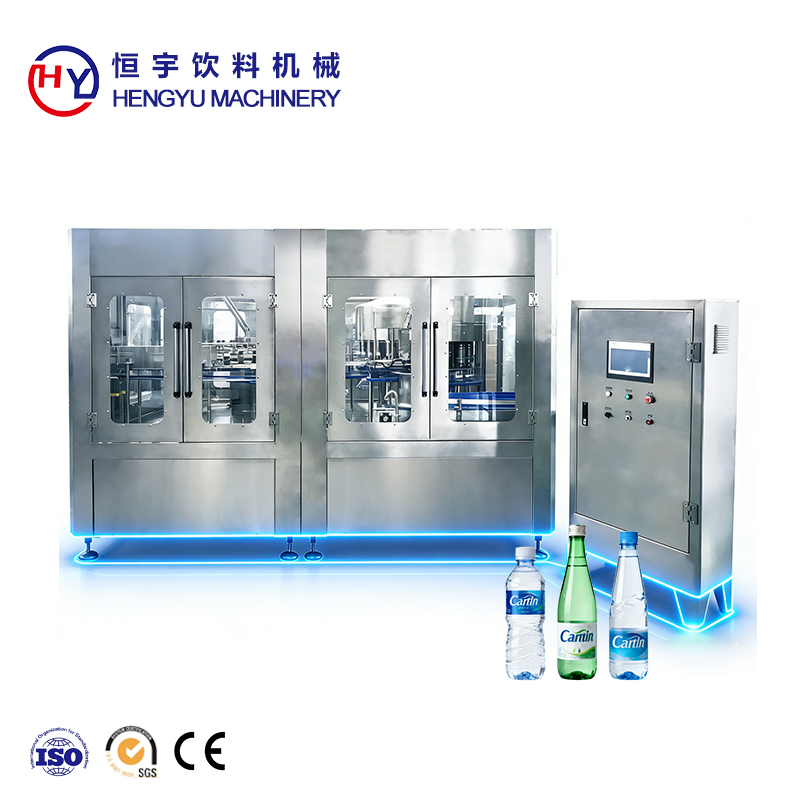
Understanding water filler machine price requires a comprehensive look at what these essential industrial systems offer to businesses across various sectors. A water filler machine represents a sophisticated piece of equipment designed to automate the process of filling containers with water, ranging from small bottles to large jugs. The water filler machine price typically reflects the complexity of the system, production capacity, and technological features integrated into the design. These machines serve as the backbone of bottled water production facilities, beverage manufacturing plants, and packaging operations worldwide. The main functions of a water filler machine include precise liquid dispensing, container handling, capping capabilities, and quality control mechanisms. Modern systems incorporate advanced sensors that detect container presence, measure fill levels with exceptional accuracy, and automatically adjust flow rates to maintain consistency. When evaluating water filler machine price, businesses must consider the technological features that differentiate various models. High-speed filling capabilities enable manufacturers to meet demanding production targets, while servo-driven systems provide superior precision and reduce product waste. Programmable logic controllers allow operators to customize filling parameters for different container sizes and product specifications. The applications for these machines span numerous industries, including municipal water bottling operations, spring water packaging facilities, purified water production lines, and mineral water manufacturing plants. Commercial establishments such as water refilling stations and distribution centers also rely on these systems to maintain efficient operations. The water filler machine price varies significantly based on automation level, with semi-automatic models offering affordable entry points for small businesses, while fully automatic high-speed lines represent substantial investments for large-scale operations. Material construction affects pricing as well, with stainless steel systems commanding premium prices due to their durability, corrosion resistance, and compliance with food safety standards. Understanding these factors helps businesses make informed decisions when budgeting for water filling equipment that matches their production requirements and growth objectives.

New Product Recommendations

Investing in a water filler machine brings numerous practical benefits that directly impact your bottom line and operational efficiency. The water filler machine price should be viewed as a long-term investment rather than merely an expense, as these systems deliver measurable returns through increased productivity and reduced labor costs. First and foremost, automation eliminates the inconsistencies and inefficiencies associated with manual filling processes. Your production line can operate continuously with minimal human intervention, allowing staff members to focus on quality oversight and other value-adding activities rather than repetitive filling tasks. This shift in labor allocation reduces payroll expenses while simultaneously increasing output capacity. The precision offered by modern filling machines ensures every container receives the exact amount of liquid specified, eliminating overfilling that wastes product and underfilling that leads to customer complaints and regulatory issues. This accuracy translates directly into cost savings and brand protection. When considering water filler machine price, factor in the substantial reduction in product giveaway that occurs with manual or outdated filling methods. Speed represents another compelling advantage, as automated systems can fill hundreds or even thousands of containers per hour depending on the model selected. This throughput capability enables businesses to fulfill larger orders, expand distribution networks, and capture greater market share without proportional increases in facility space or workforce size. The consistency these machines provide strengthens brand reputation by ensuring every bottle that reaches consumers meets identical quality standards. This reliability builds customer trust and encourages repeat purchases, contributing to stable revenue streams. Maintenance requirements for quality water filler machines remain manageable, with most systems designed for easy cleaning and component replacement. This serviceability minimizes downtime and extends equipment lifespan, improving the return on your initial water filler machine price investment. Modern machines also incorporate safety features that protect operators from injury and prevent contamination, reducing liability risks and ensuring compliance with health regulations. The flexibility of programmable systems allows you to adapt quickly to changing market demands, switching between different container sizes or adjusting fill volumes without extensive retooling or production delays. Energy efficiency in contemporary designs lowers utility costs compared to older equipment, and compact footprints maximize facility space utilization. The data collection capabilities built into advanced models provide valuable production metrics that inform business decisions, identify optimization opportunities, and support quality assurance programs. These machines integrate seamlessly with upstream and downstream equipment such as rinsing systems, capping machines, and labeling equipment, creating comprehensive production lines that maximize efficiency from raw material to finished product.

Tips And Tricks

How to Choose a Glass Bottle Filling Machine for Beverage Production

06

Mar

How to Choose a Glass Bottle Filling Machine for Beverage Production

Match Filling Technology to Beverage Type and Sensitivity Counter-Pressure Fillers for Carbonated Beverages and Beer Carbonated drinks like soda, sparkling water and beer need careful filling techniques to keep their fizz intact while avoiding exc...
View More
How Can Filling Machines Improve Beverage Production Speed

24

Mar

How Can Filling Machines Improve Beverage Production Speed

Filling Machine Type Determines Maximum Throughput Potential Gravity, Isobaric, and Piston Can Filling Machines: Speed vs. Precision Trade-offs Gravity fillers work well for delicate drinks such as juice, processing around 20 to 36 bottles every mi...
View More
Can Filling Machine Capacity Planning Guide

22

Mar

Can Filling Machine Capacity Planning Guide

Understanding Can Filling Machine Capacity: Theory vs. Real-World Performance Why Theoretical Capacity Rarely Matches Effective Output on Can Filling Lines When companies talk about canning speed at 100 cans per minute, they're referring to what ha...
View More
Automation Technology in Can Sealing Machines

24

Mar

Automation Technology in Can Sealing Machines

How Automation Enhances Precision and Reliability in Can Sealing Machines Core Automation Components: Servo Drives, Vision Systems, and Closed-Loop Feedback in Modern Can Sealing Machines Today's can sealing equipment reaches incredible levels of p...
View More

Get a Free Quote

Our representative will contact you soon.
Email
Name
Phone/WhatsApp
Required Product
Message
0/1000

water filler machine price

Cost-Effectiveness Across Different Production Scales

Cost-Effectiveness Across Different Production Scales

The water filler machine price structure accommodates businesses at every stage of growth, from startups to multinational corporations, making automation accessible regardless of your current production volume. Entry-level semi-automatic machines provide small operations with affordable automation that immediately improves consistency and reduces labor intensity without requiring massive capital expenditure. These systems typically handle filling functions while operators manually position containers and activate cycles, offering a practical middle ground between completely manual processes and full automation. As production demands increase, mid-range automatic machines deliver enhanced speed and reduced operator involvement, with water filler machine price points that reflect their expanded capabilities including automatic container feeding, synchronized filling and capping, and integrated control systems. For high-volume manufacturers, premium fully-automatic production lines justify their higher water filler machine price through exceptional throughput rates, sophisticated quality monitoring, remote diagnostics, and seamless integration with enterprise resource planning systems. The long-term financial advantages extend beyond the initial purchase, as reduced labor costs accumulate substantial savings over the equipment lifespan. Consider that manual filling operations require multiple workers per shift to achieve output levels that a single machine operator can manage with automated equipment. This labor reduction directly improves profit margins while eliminating concerns about workforce availability and training challenges. Product waste reduction represents another significant cost benefit, as precision filling eliminates the overfilling that erodes profitability in manual operations. Even small improvements in fill accuracy compound into substantial savings when multiplied across millions of containers annually. The water filler machine price also reflects durability engineering that minimizes replacement frequency, with quality systems operating reliably for decades when properly maintained. Energy-efficient designs in modern machines reduce utility expenses compared to older equipment, while quick-change features minimize downtime during product transitions, maximizing productive hours. The resale value of well-maintained filling equipment provides additional financial protection, as secondary markets exist for businesses upgrading their systems. When evaluating water filler machine price against operational costs, calculate the payback period by dividing the investment by annual savings from labor reduction, waste elimination, and increased production capacity. Most businesses discover that quality filling equipment pays for itself within two to three years while continuing to deliver value for many additional years of service.
Advanced Technology Integration for Superior Performance

Advanced Technology Integration for Superior Performance

Modern water filler machine price reflects the sophisticated technology embedded in contemporary systems, delivering performance capabilities that were unimaginable just a decade ago. Servo motor technology has revolutionized filling precision, replacing older pneumatic systems with electronically controlled drives that adjust positioning and flow with microsecond responsiveness. These servo-driven machines maintain accuracy across varying production speeds, container sizes, and liquid viscosities, ensuring consistent quality regardless of operational variables. The water filler machine price for servo-equipped models includes this precision advantage that minimizes waste and maximizes customer satisfaction through reliable fill levels. Programmable logic controllers serve as the intelligent brain of modern filling systems, storing multiple product recipes that operators can select with simple touchscreen inputs. This programmability allows rapid changeovers between different container formats or fill volumes without mechanical adjustments, reducing transition time from hours to minutes. Advanced sensor arrays monitor every aspect of the filling process, detecting container presence, verifying proper positioning, measuring liquid levels in real-time, and identifying defects before they become costly problems. Vision systems integrated into premium models inspect filled containers for proper cap placement, label alignment, and fill level verification, automatically rejecting non-conforming products to protect brand reputation. The water filler machine price for vision-equipped systems reflects this quality assurance capability that prevents defective products from reaching consumers. Connectivity features in Industry 4.0-compliant machines enable remote monitoring and diagnostics, allowing technicians to troubleshoot issues without site visits and manufacturers to track performance metrics across multiple facilities. This data connectivity supports predictive maintenance programs that identify component wear before failures occur, scheduling replacements during planned downtime rather than responding to unexpected breakdowns. Sanitary design features in food-grade filling machines ensure easy cleaning and prevent contamination, with smooth surfaces, minimal crevices, and tool-free disassembly that simplifies compliance with hygiene standards. Clean-in-place systems automate sanitization processes, reducing cleaning time and labor while ensuring thorough disinfection between production runs. The water filler machine price encompasses these technological advantages that deliver operational excellence, regulatory compliance, and competitive differentiation in increasingly demanding markets where consumers expect perfect products and regulators enforce stringent safety standards.
Versatility and Scalability for Growing Business Needs

Versatility and Scalability for Growing Business Needs

The strategic value embedded in water filler machine price extends beyond immediate production needs to encompass long-term business growth and market adaptability. Quality filling systems offer remarkable versatility in handling various container types, sizes, and materials without requiring completely new equipment investments. Adjustable filling heads accommodate different bottle neck dimensions, while modular conveyor systems expand or contract to match container heights and diameters. This flexibility proves invaluable as consumer preferences shift and market opportunities emerge in different package formats. Businesses can respond quickly to retail requests for new sizes or shapes without the delays and expenses associated with acquiring specialized equipment for each variation. The water filler machine price for versatile systems includes changeover components and adjustment mechanisms that facilitate these adaptations, protecting your investment against market obsolescence. Scalability represents another crucial consideration when evaluating water filler machine price against business trajectories. Modular machine designs allow capacity expansion through the addition of filling heads, extending conveyor sections, or integrating auxiliary equipment as production volumes grow. This incremental scalability enables businesses to match equipment capabilities with actual demand rather than overinvesting in excess capacity during early stages or facing production bottlenecks during growth phases. Many manufacturers offer upgrade paths where existing machines can be retrofitted with enhanced controls, faster actuators, or additional automation features, extending equipment lifespan and protecting initial investments. The water filler machine price structure often includes provisions for future enhancements that transform starter systems into sophisticated production lines as business success warrants expanded capabilities. Container material versatility adds another dimension of adaptability, with modern machines capable of handling rigid PET bottles, flexible pouches, glass containers, and various closure types through appropriate tooling selections. This multi-format capability allows businesses to diversify product portfolios without fragmenting production facilities across multiple specialized lines. Geographic expansion becomes more feasible when standardized filling equipment can be deployed across different locations, simplifying operator training, maintenance procedures, and spare parts inventory. The water filler machine price includes engineering that anticipates diverse operating environments, with options for different power standards, language interfaces, and environmental protections suitable for various climates and facility conditions. Integration compatibility ensures that filling machines work harmoniously with upstream preparation equipment and downstream packaging systems, creating cohesive production environments that maximize efficiency across all process stages. When businesses outgrow initial equipment, the established resale markets for quality filling machines provide exit strategies that recover portions of the original water filler machine price, funding upgrades to higher-capacity systems while providing affordable entry points for emerging businesses.