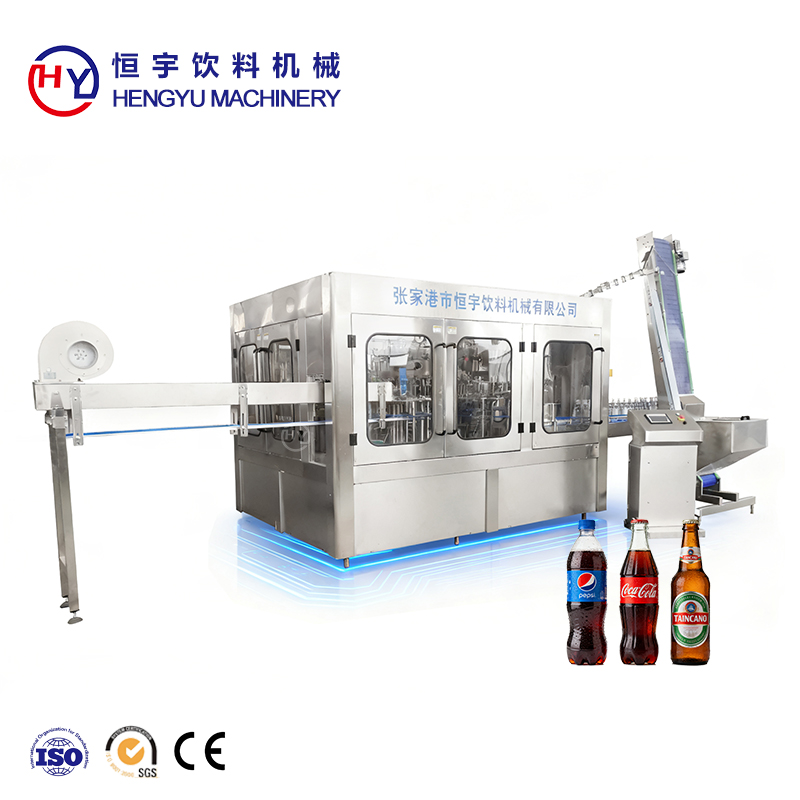
Professional Soft Drink Filling Machine Solutions - High-Speed Beverage Bottling Equipment for Commercial Production

All Categories

soft drink filling machine

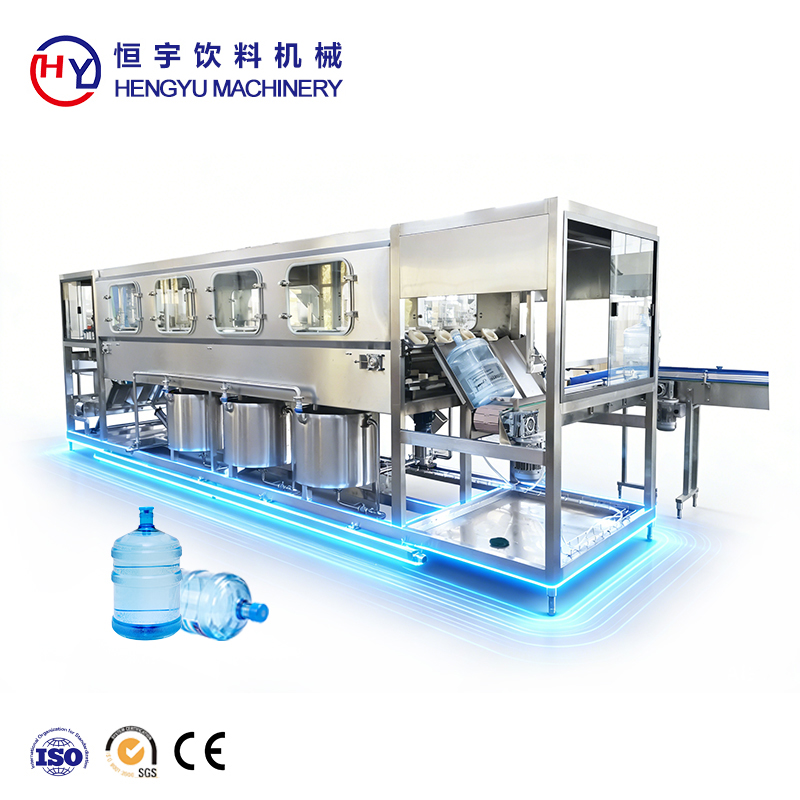
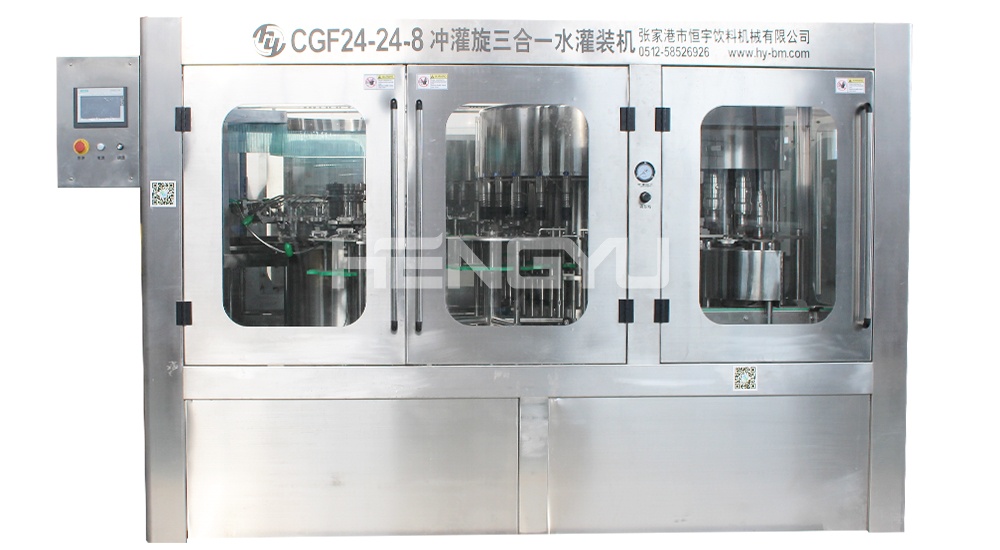
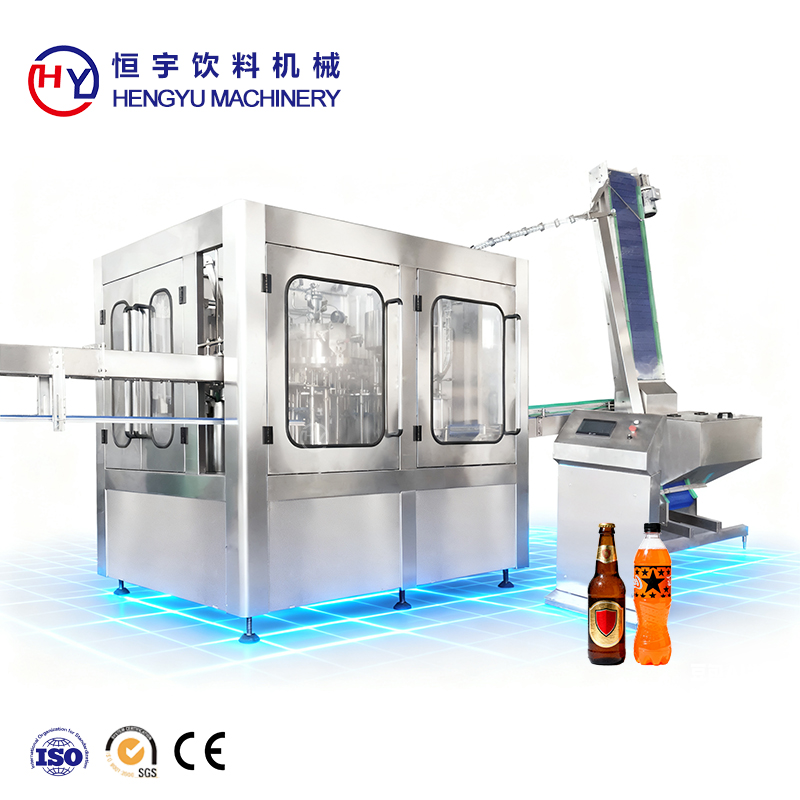
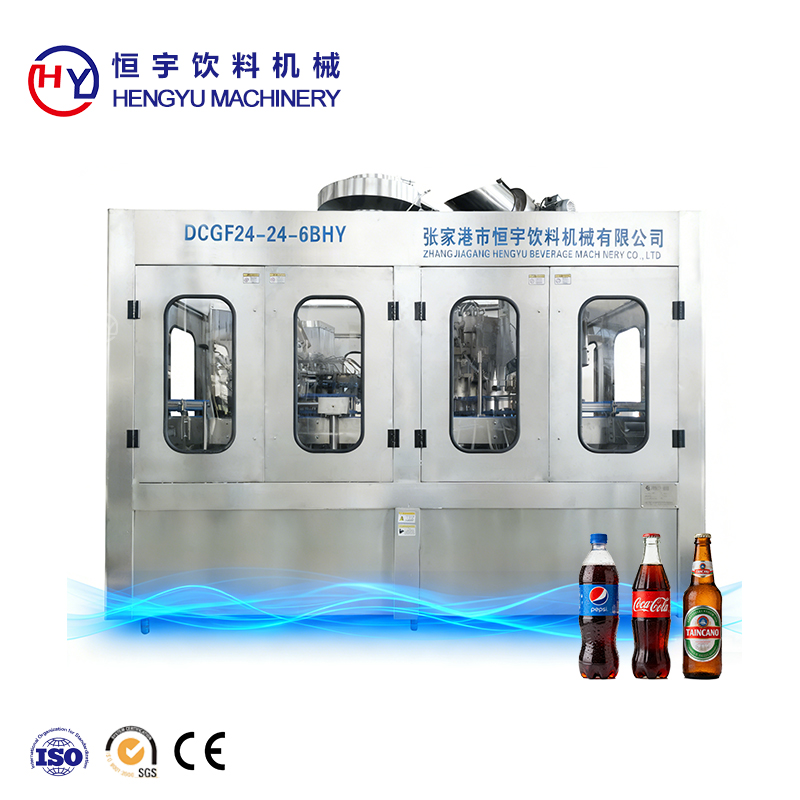
A soft drink filling machine represents an essential automated system designed specifically for the beverage manufacturing industry, providing comprehensive solutions for carbonated and non-carbonated drink production. This sophisticated equipment handles multiple critical operations including rinsing, filling, and capping processes within a single integrated platform. Modern soft drink filling machines incorporate advanced technology to ensure precise liquid measurement, consistent fill levels, and hygienic processing standards that meet international food safety regulations. The primary function of these machines centers on efficiently transferring beverages from bulk storage tanks into individual bottles or containers at high speeds while maintaining product quality and carbonation levels. These systems typically feature stainless steel construction to prevent contamination and resist corrosion from acidic beverages. The technological architecture includes programmable logic controllers that allow operators to adjust filling parameters, monitor production metrics, and troubleshoot issues in real-time. Capacity ranges vary significantly, from small-scale operations processing 2000 bottles per hour to industrial installations handling 36000 units hourly. The soft drink filling machine accommodates various container types including PET bottles, glass bottles, and aluminum cans with different volumes ranging from 200ml to 2 liters. Applications extend across numerous beverage categories such as carbonated soft drinks, flavored water, energy drinks, juices, and tea-based beverages. The machine integrates seamlessly with upstream and downstream equipment including blow molding machines, labeling systems, packaging lines, and palletizing robots to create complete production workflows. Advanced models feature servo-driven technology for enhanced precision, touch-screen interfaces for simplified operation, and automated cleaning-in-place systems that reduce downtime between production runs. Environmental considerations have led manufacturers to develop energy-efficient models that minimize water consumption and reduce carbon footprints while maintaining optimal performance standards.

New Product Releases

Investing in a soft drink filling machine delivers substantial operational benefits that directly impact your bottom line and competitive positioning in the beverage market. First and foremost, these automated systems dramatically increase production speed compared to manual or semi-automated processes, enabling manufacturers to meet growing market demand without proportionally expanding labor costs. The consistency achieved through automation ensures every bottle contains exactly the specified volume, eliminating overfilling waste that erodes profit margins and underfilling issues that could damage brand reputation and violate regulatory standards. Labor cost reduction represents another significant advantage as a single operator can supervise an entire filling line that would otherwise require multiple workers, freeing human resources for value-added activities like quality control and process optimization. The hygienic design of modern soft drink filling machines minimizes contamination risks through enclosed filling environments, automated sanitization cycles, and food-grade materials that maintain beverage purity from tank to sealed container. This protection extends product shelf life and reduces costly recalls or quality complaints. Flexibility stands out as a key benefit since most systems allow quick changeovers between different bottle sizes and beverage types with minimal adjustment time, enabling manufacturers to diversify product portfolios and respond rapidly to market trends without investing in separate equipment for each product line. Energy efficiency features built into contemporary models reduce utility expenses through optimized motor systems, heat recovery mechanisms, and intelligent power management that adjusts consumption based on production demands. Maintenance requirements have decreased substantially with newer designs incorporating self-diagnostic capabilities that alert operators to potential issues before breakdowns occur, while modular construction simplifies component replacement and reduces repair downtime. Quality control integration allows continuous monitoring of fill levels, cap torque, and other critical parameters with automatic rejection of defective units, ensuring only perfect products reach consumers while generating valuable data for process improvement initiatives. The compact footprint of modern soft drink filling machines maximizes factory floor utilization, particularly important for manufacturers with space constraints or those planning facility expansions. Return on investment typically occurs within two to three years through combined savings in labor, reduced waste, increased throughput, and improved product consistency. Long-term durability ensures these machines remain productive for decades with proper maintenance, making them sound capital investments that support business growth and market expansion strategies.

Tips And Tricks

Glass Bottle Filling Machine vs Plastic Bottle Filling Machine

04

Mar

Glass Bottle Filling Machine vs Plastic Bottle Filling Machine

Material Properties Dictate Core Machine Design Glass fragility and thermal mass: why glass bottle filling machines require reinforced frames, shock-dampened conveyors, and precision neck-handling grippers Working with glass bottles means going th...
View More
How to Choose a Glass Bottle Filling Machine for Beverage Production

06

Mar

How to Choose a Glass Bottle Filling Machine for Beverage Production

Match Filling Technology to Beverage Type and Sensitivity Counter-Pressure Fillers for Carbonated Beverages and Beer Carbonated drinks like soda, sparkling water and beer need careful filling techniques to keep their fizz intact while avoiding exc...
View More
Can Filling Machine Technology for Carbonated Beverages

20

Mar

Can Filling Machine Technology for Carbonated Beverages

Isobaric Filling Principles: How Can Filling Machines Preserve Carbonation Under Pressure The Physics of CO₂ Solubility and Why Counter-Pressure Is Non-Negotiable The way carbon dioxide dissolves in drinks basically follows what we call Henry's Law...
View More
Troubleshooting Can Filling Machine Production Issues

21

Mar

Troubleshooting Can Filling Machine Production Issues

Power, Control, and Electrical Faults in Can Filling Machines Machine won't power on: main supply, fuses, and emergency stop circuit checks If the can filling machine won't start at all, the first thing to do is check whether the main power supply ...
View More

Get a Free Quote

Our representative will contact you soon.
Email
Name
Phone/WhatsApp
Required Product
Message
0/1000

soft drink filling machine

Precision Filling Technology Ensures Product Quality and Cost Efficiency

Precision Filling Technology Ensures Product Quality and Cost Efficiency

The precision filling technology integrated into modern soft drink filling machines represents a revolutionary advancement that transforms how beverage manufacturers approach production accuracy and resource management. At the core of this technology lies sophisticated flow measurement systems that utilize electronic sensors and servo-controlled valves to dispense exact liquid volumes with tolerances as tight as plus or minus one milliliter, regardless of production speed or environmental conditions. This exceptional accuracy eliminates the financial drain caused by overfilling, which industry studies indicate can waste between three and five percent of total production volume in facilities using outdated equipment. For a medium-sized operation producing one million bottles monthly, this precision translates to saving approximately 40000 bottles worth of product annually, representing substantial cost recovery that directly enhances profitability. The technology adapts automatically to variations in liquid temperature, viscosity, and carbonation levels that would otherwise affect fill accuracy, ensuring consistent results across different beverage formulations and seasonal temperature fluctuations. Beyond cost savings, precision filling protects brand integrity by guaranteeing consumers receive the promised product quantity, building trust and loyalty in competitive markets where purchasing decisions increasingly depend on perceived value and corporate transparency. Regulatory compliance becomes effortless as the soft drink filling machine maintains documentation of every fill operation, creating audit trails that satisfy government inspection requirements and provide legal protection against measurement disputes. The system integrates seamlessly with quality assurance protocols through automated checkweighing that verifies each container meets specifications before proceeding to capping and labeling stages. Rejected units are diverted automatically for inspection or reprocessing, preventing defective products from reaching distribution channels while capturing data about rejection rates that inform continuous improvement initiatives. This precision extends to maintaining carbonation levels in fizzy beverages, a critical quality parameter that traditional filling methods often compromise through excessive agitation or temperature fluctuations during transfer. Advanced soft drink filling machines employ counter-pressure filling techniques that pre-pressurize bottles with carbon dioxide before introducing liquid, minimizing gas loss and ensuring the refreshing effervescence consumers expect. The result is extended shelf stability and superior taste quality that differentiate premium brands in crowded marketplaces where product excellence drives customer retention and premium pricing opportunities.
Automated Sanitation Systems Guarantee Food Safety and Reduce Operational Downtime

Automated Sanitation Systems Guarantee Food Safety and Reduce Operational Downtime

Automated sanitation systems built into advanced soft drink filling machines address one of the beverage industry's most critical challenges by providing thorough, consistent cleaning without the labor intensity, human error risks, and extended downtime associated with manual cleaning procedures. These integrated cleaning-in-place systems utilize precisely programmed sequences that circulate cleaning solutions, sanitizers, and rinse water through all product contact surfaces including filling valves, transfer lines, tanks, and nozzles according to validated protocols that meet or exceed health department standards and international food safety certifications. The automation ensures every cleaning cycle follows identical procedures with documented parameters including solution temperatures, contact times, and chemical concentrations, creating the consistency necessary for regulatory compliance and hazard analysis critical control point program requirements. Manufacturers benefit from significantly reduced downtime since automated cleaning completes in 60 to 90 minutes compared to four to six hours required for manual disassembly, cleaning, and reassembly of filling components. This efficiency translates to additional productive hours daily, increasing overall equipment effectiveness and enabling faster responses to rush orders or unexpected demand surges. The soft drink filling machine sanitation system minimizes water consumption through optimized rinse cycles that use only the volume necessary to achieve microbiological cleanliness standards, addressing environmental concerns and reducing utility costs in regions where water scarcity or treatment expenses create operational pressures. Chemical usage efficiency improves through precise metering that delivers optimal concentrations without waste, while automatic solution recovery and reuse capabilities further reduce consumable costs. The enclosed nature of automated cleaning eliminates worker exposure to harsh chemicals, improving workplace safety and reducing liability concerns associated with chemical handling injuries. Validation features document each cleaning cycle with time-stamped records of temperatures, pressures, and cycle completion, providing the evidence auditors require to verify sanitation effectiveness and protect manufacturers from liability in the unlikely event of contamination incidents. The systems accommodate different cleaning requirements for various beverage types, automatically adjusting protocols when switching between acidic fruit drinks and neutral water products or between regular and organic certified beverages that demand different sanitizer types. Microbial control reaches levels unattainable through manual methods as automated systems maintain consistent contact times and solution strengths that eliminate bacteria, yeast, and mold spores capable of spoiling products or creating health hazards. This reliability protects brand reputation, prevents costly recalls, and builds consumer confidence in product safety.
Versatile Container Handling Delivers Production Flexibility and Market Adaptability

Versatile Container Handling Delivers Production Flexibility and Market Adaptability

The versatile container handling capabilities engineered into contemporary soft drink filling machines provide manufacturers with the operational flexibility essential for thriving in dynamic beverage markets characterized by rapidly changing consumer preferences, seasonal demand variations, and competitive pressures requiring frequent product innovation. These adaptive systems accommodate extensive ranges of bottle shapes, sizes, and materials through quick-change components and adjustable guide rails that operators can reconfigure in 15 to 30 minutes, compared to several hours or entire shifts required by older dedicated equipment designed for single container specifications. This versatility enables beverage companies to economically produce limited edition flavors, test market new products, and respond to regional preferences without investing in separate filling lines for each product variation. The soft drink filling machine handles containers from compact 200-milliliter single-serve bottles popular in convenience stores and vending machines to family-size 2-liter formats preferred for home consumption, plus specialty shapes that create shelf appeal and brand differentiation. Material compatibility extends across polyethylene terephthalate plastic bottles, traditional glass containers favored for premium positioning, and increasingly popular aluminum bottles that combine durability with sustainability messaging. This comprehensive capability eliminates the market limitations imposed by equipment constraints, allowing marketing teams to optimize packaging strategies based on consumer insights rather than production restrictions. The handling systems employ sophisticated sensing technology that detects container presence, orientation, and position with extreme accuracy, automatically adjusting processing parameters to prevent damage to lightweight or irregularly shaped bottles while maintaining production speeds. Gentle handling mechanisms reduce breakage rates and minimize deformation of thin-walled containers that could compromise appearance or structural integrity. Height adjustment features accommodate bottles from 100 millimeters to 350 millimeters tall without requiring extensive mechanical modifications, simply through electronic parameter changes accessible via operator interfaces. Neck finish compatibility spans standard crown caps, screw caps, sports caps, and specialty closures, providing comprehensive packaging options that align with target market expectations and usage occasions. This flexibility proves particularly valuable when entering new geographic markets with distinct packaging preferences or when responding to sustainability initiatives by transitioning from one material to another as consumer attitudes evolve. Production scheduling becomes more efficient as manufacturers can sequence multiple products through a single soft drink filling machine based on demand forecasts rather than maintaining separate dedicated lines that create capacity imbalances and capital inefficiency. The economic advantages extend beyond equipment utilization to include reduced spare parts inventory since components serve multiple configurations, simplified operator training since workers master one versatile system rather than multiple specialized machines, and lower facility costs through consolidated production areas. Market responsiveness improves dramatically as innovation cycles shorten, enabling companies to capitalize on trends while they remain relevant rather than watching opportunities pass while waiting for specialized equipment installations.