Technology Integration and Long-Term Soda Filling Machine Price Value
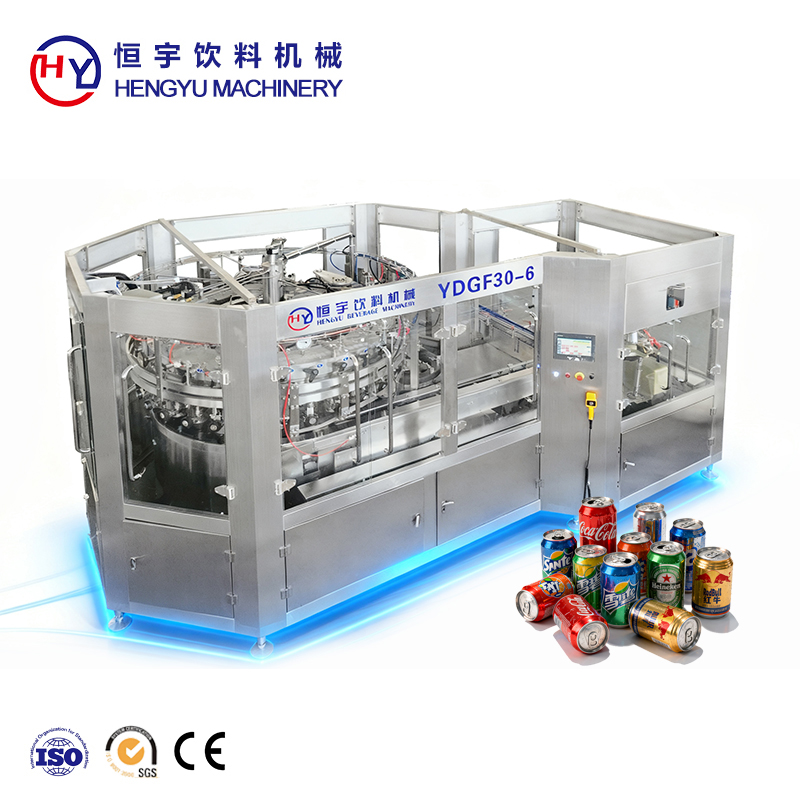
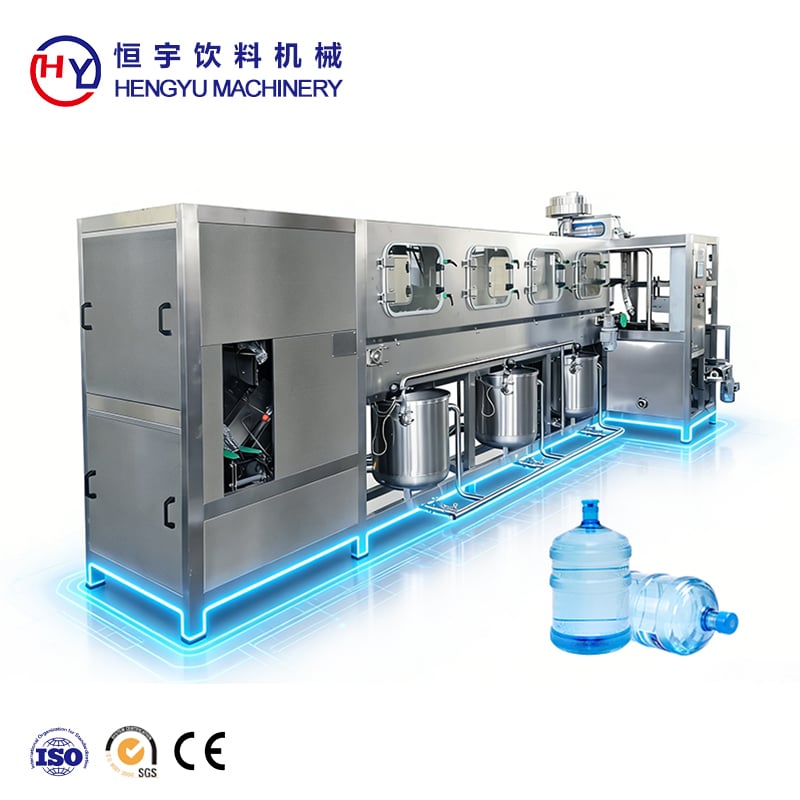
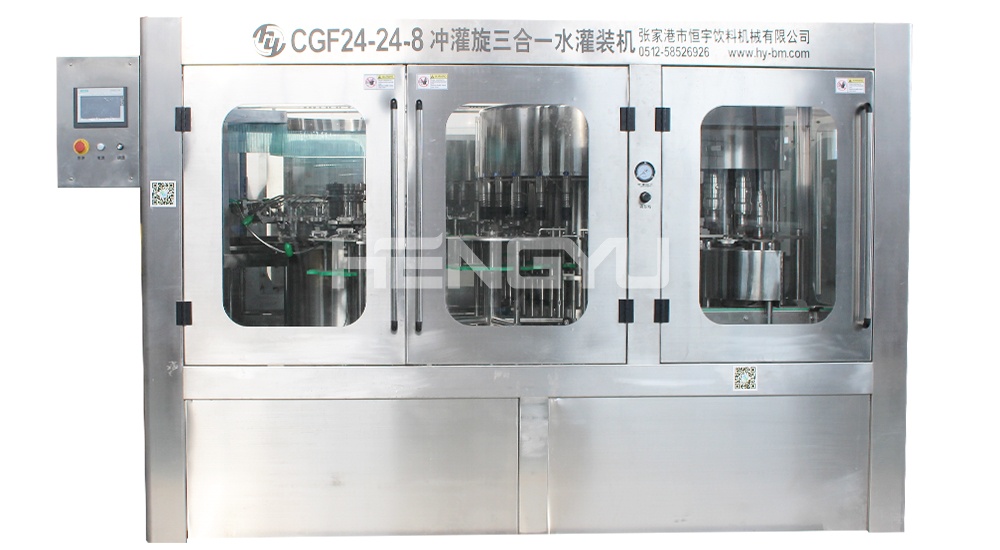
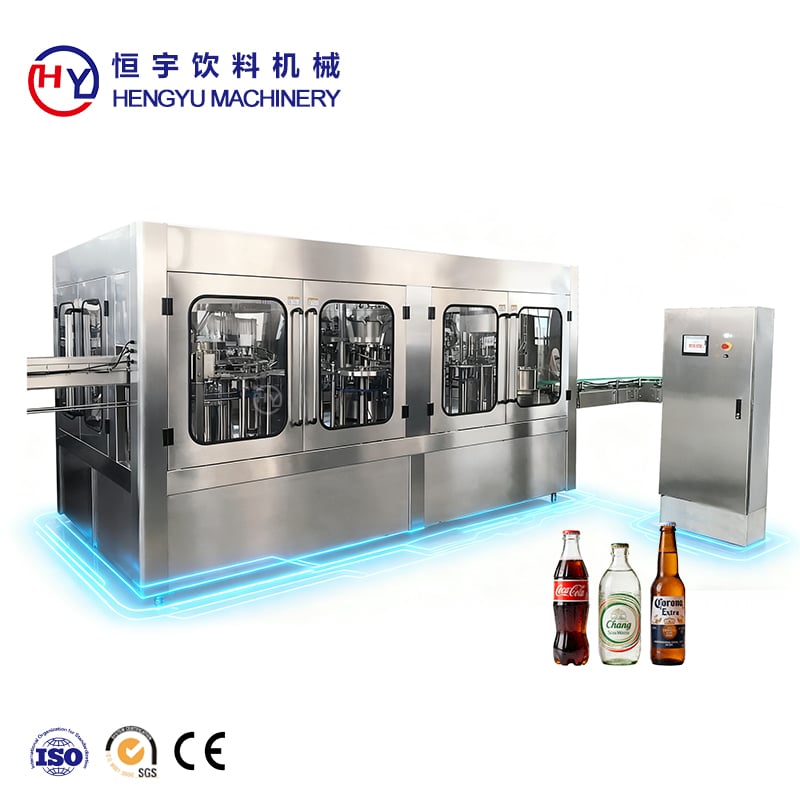
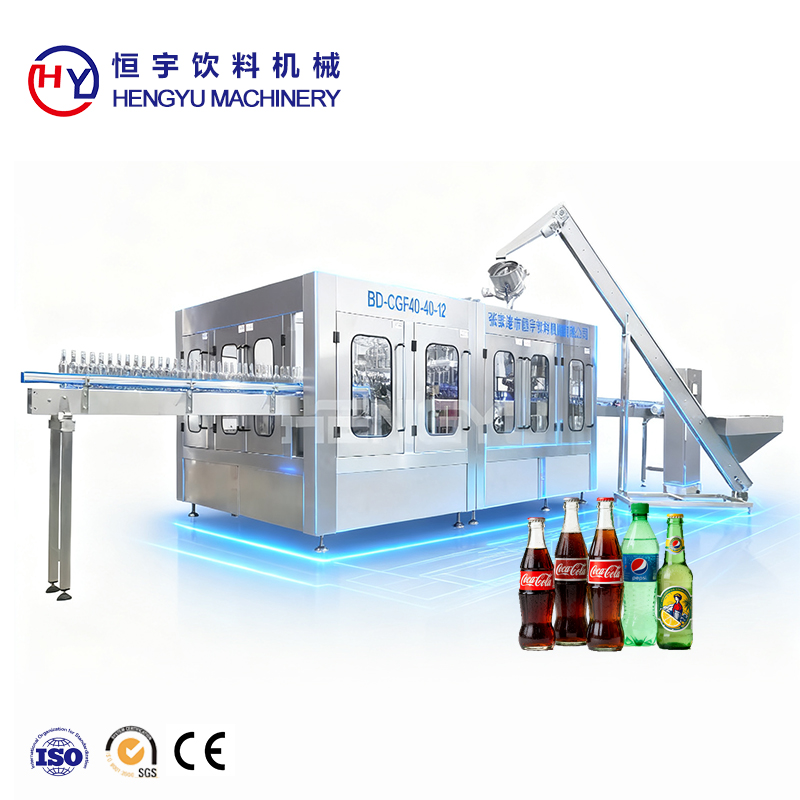
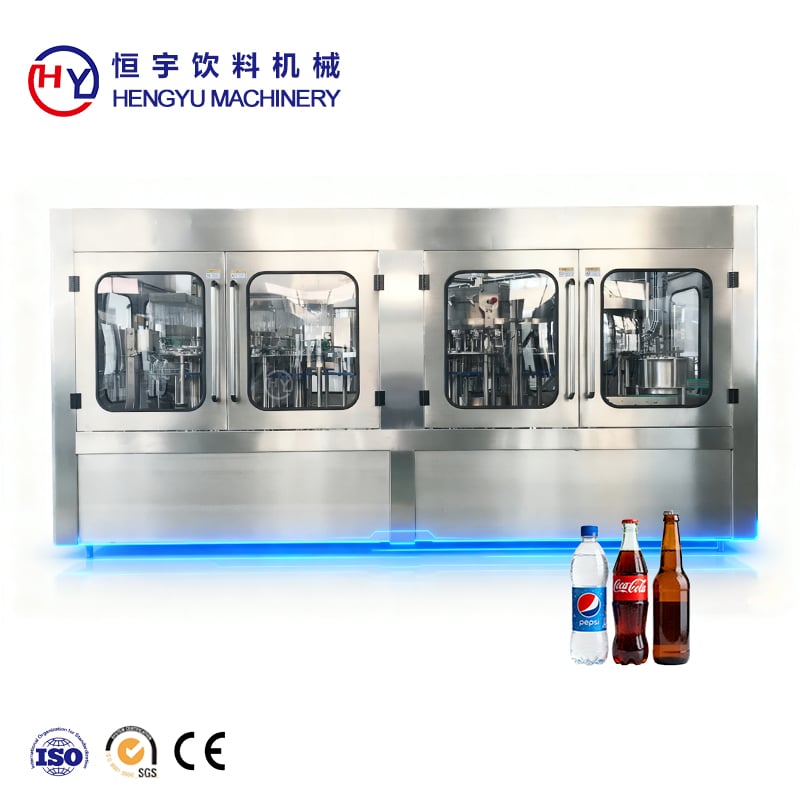
Modern technological advancements have transformed soda filling equipment from simple mechanical devices into sophisticated integrated production systems, with the soda filling machine price reflecting the embedded technology that delivers operational advantages and long-term value. Programmable logic controllers serve as the digital brains of contemporary filling machines, allowing operators to store multiple product recipes with different fill volumes, speeds, and pressure settings that can be recalled instantly when changing production runs, eliminating time-consuming manual adjustments and reducing the risk of human error. Touch-screen human-machine interfaces have replaced complicated button panels, providing intuitive control where operators monitor real-time production metrics, adjust parameters, receive maintenance alerts, and troubleshoot issues through clear visual displays that reduce training time for new staff. Servo motor technology precisely controls filling valve movements, conveyor speeds, and capping torque with accuracy impossible in older pneumatic or mechanical systems, with this precision justifying higher soda filling machine price points through reduced product waste and improved consistency. Pressure and flow sensors continuously monitor the filling process, automatically compensating for variations in supply pressure, liquid temperature, or carbonation levels to maintain consistent results despite changing conditions throughout production shifts. Advanced machines incorporate vision systems using high-speed cameras and image processing software to inspect every bottle for fill level accuracy, cap presence and proper sealing, label placement, and container defects, automatically rejecting substandard products before they reach packaging areas. The integration capability with broader factory systems represents increasingly important technology where equipment at appropriate soda filling machine price levels can communicate with inventory management software, production scheduling systems, and quality management databases, creating digital production records that support regulatory compliance and process optimization initiatives. Internet connectivity and remote monitoring capabilities allow equipment manufacturers to diagnose problems, adjust settings, and sometimes resolve issues without requiring on-site service visits, reducing downtime costs and extending equipment lifespan. Sanitary design technology ensures all product-contact surfaces can be thoroughly cleaned using automated clean-in-place systems that circulate cleaning solutions through the filling circuit, with properly designed equipment purchased at competitive soda filling machine price points meeting FDA, USDA, and international hygiene standards essential for food-grade production. Energy management technology including variable frequency drives that adjust motor speeds based on demand, efficient pneumatic circuits that minimize compressed air consumption, and heat recovery systems that capture energy from refrigeration components contribute to lower operating costs that compound over years of operation. When evaluating soda filling machine price proposals, forward-thinking buyers assess not just the initial purchase price but the total cost of ownership including energy consumption, maintenance requirements, spare parts availability, software update policies, and technology obsolescence risks, recognizing that equipment incorporating current technology standards delivers superior value despite potentially higher upfront investment compared to outdated designs offered at seemingly attractive prices.

 CN
CN