Carbonated Can Filling Machine Solutions - Advanced Beverage Packaging Equipment

All Categories

carbonated can filling machine

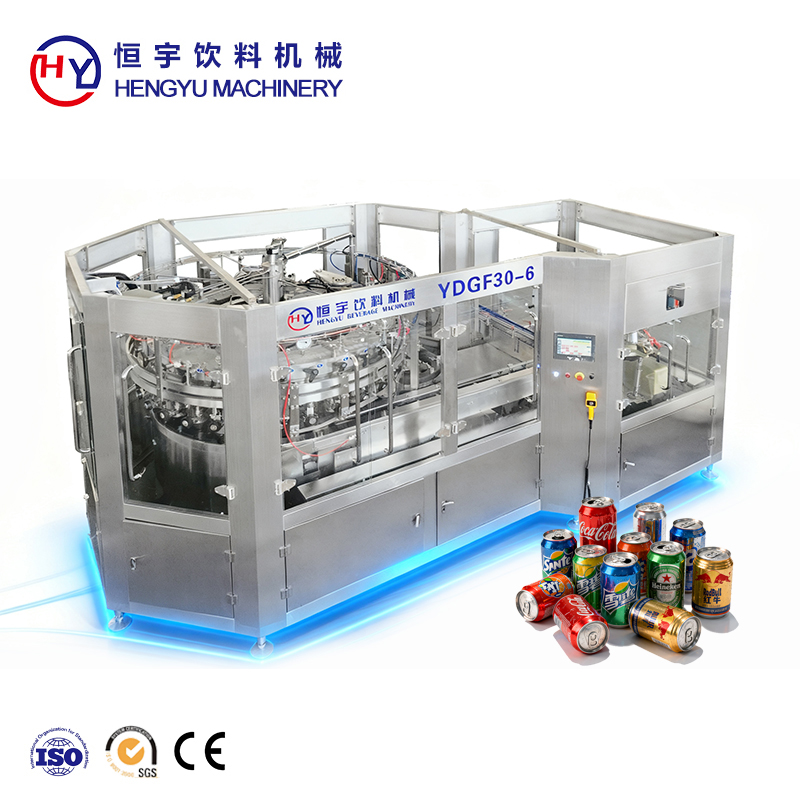
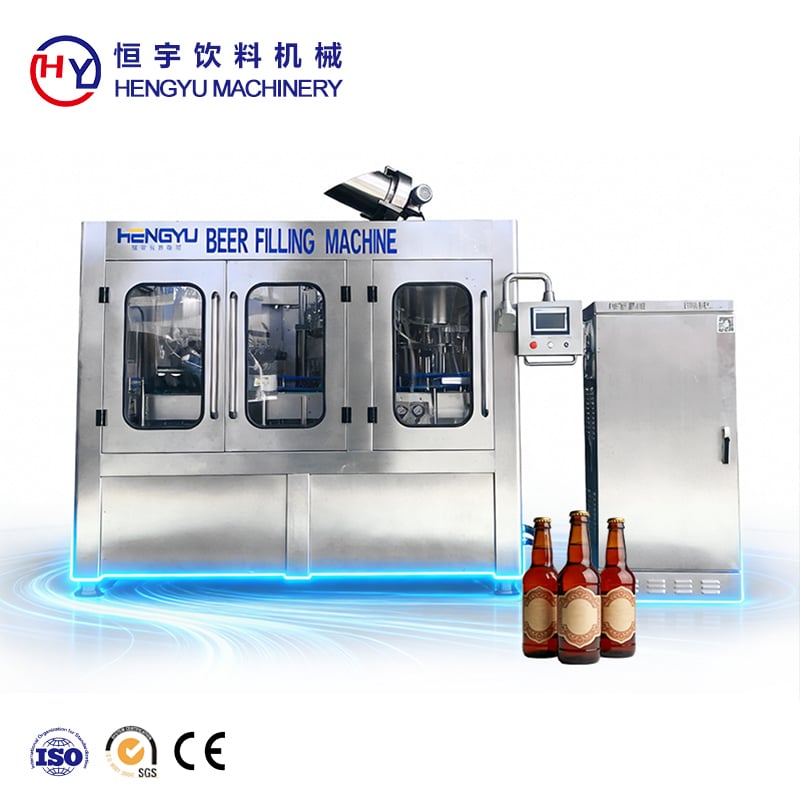
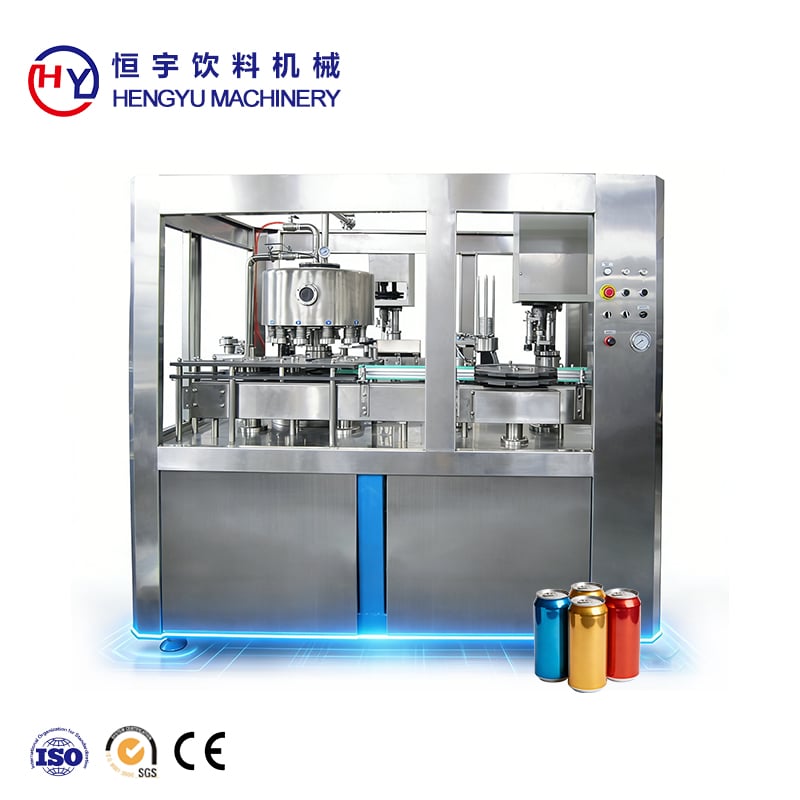
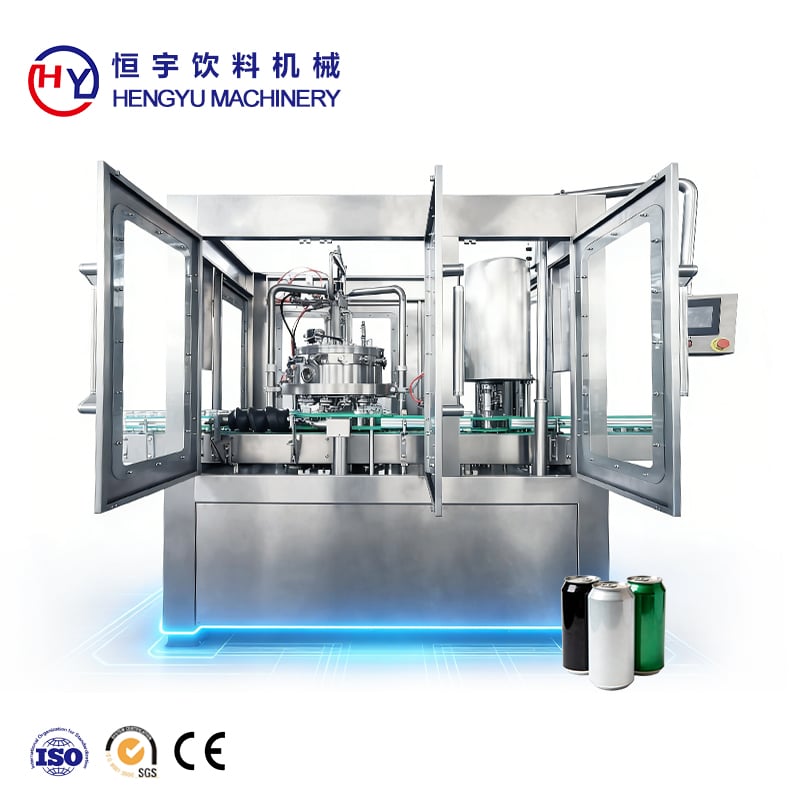
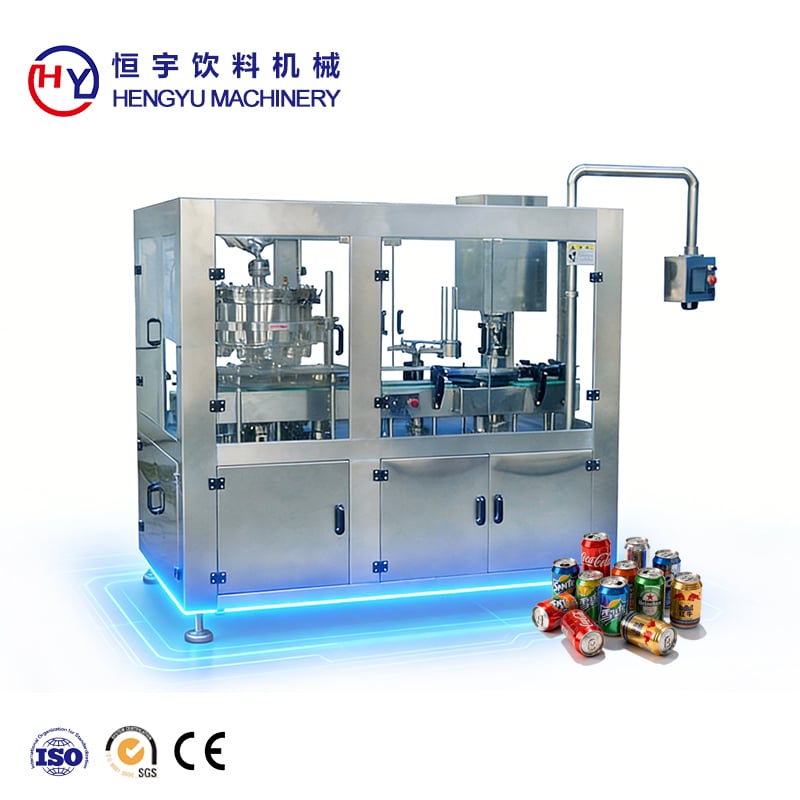
A carbonated can filling machine represents essential production equipment designed specifically for packaging carbonated beverages into aluminum or steel cans with precision and efficiency. This sophisticated machinery handles the complete process of filling, sealing, and preparing carbonated drinks such as sodas, energy drinks, sparkling water, and beer for commercial distribution. The primary function involves transferring carbonated liquid from storage tanks into individual cans while maintaining optimal carbonation levels and preventing excessive foaming or product loss. Modern carbonated can filling machines incorporate advanced pressure control systems that regulate the filling environment to match the internal pressure of the beverage, ensuring minimal CO2 escape during the packaging process. These systems typically operate using counter-pressure or isobaric filling technology, where cans are first pre-pressurized with CO2 before the actual liquid filling begins. The technological features include automated can feeding mechanisms, precision volume control through electronic flow meters, high-speed filling valves with anti-drip capabilities, and integrated seaming stations that apply and seal can lids immediately after filling. Many contemporary carbonated can filling machine models feature programmable logic controllers that allow operators to adjust filling parameters for different product specifications and can sizes ranging from standard 250ml to larger 500ml formats. Additional capabilities encompass automatic can rinsing before filling, nitrogen dosing for enhanced product preservation, and quality inspection systems that detect improperly filled or sealed containers. Applications span numerous beverage industry sectors including soft drink manufacturing facilities, craft breweries, energy drink production lines, and sparkling water bottling operations. The equipment accommodates various production scales from compact semi-automatic units suitable for small craft producers processing several hundred cans hourly to fully automated industrial systems capable of filling over 1000 cans per minute. Integration capabilities allow these machines to function within complete packaging lines alongside labeling equipment, date coding systems, and case packing machinery for streamlined production workflows.

New Product Releases

Investing in a quality carbonated can filling machine delivers substantial operational benefits that directly impact production efficiency and profitability. The first major advantage centers on production speed improvements that enable manufacturers to meet growing market demands without compromising product quality. Automated filling operations eliminate bottlenecks associated with manual packaging methods, allowing businesses to increase output significantly while reducing labor costs and minimizing human error. Modern equipment processes hundreds or thousands of cans hourly depending on configuration, transforming production capacity and enabling companies to fulfill large orders within tight deadlines. Another critical benefit involves product quality consistency that automated systems deliver through precise volume control and carbonation preservation. Every can receives exactly the correct fill level with minimal variation, ensuring customers receive uniform products that meet brand standards and regulatory requirements. The pressure-controlled filling environment prevents carbonation loss that commonly occurs with improper packaging techniques, maintaining the fizz and taste profile consumers expect from carbonated beverages. This consistency reduces customer complaints and strengthens brand reputation in competitive markets. Cost efficiency represents another compelling advantage as these machines optimize material usage and reduce waste throughout production. Accurate filling systems minimize overfilling that wastes expensive ingredients while preventing underfilling that could result in regulatory penalties or customer dissatisfaction. The reduced product loss from spillage and foaming translates directly to improved profit margins over time. Additionally, automated systems require fewer operators compared to manual packaging lines, lowering ongoing labor expenses while redirecting workforce resources to other value-adding activities. Hygiene and safety standards improve dramatically with enclosed automated filling systems that minimize human contact with products. Sanitary design features including stainless steel construction and clean-in-place capabilities ensure compliance with food safety regulations and reduce contamination risks. This protection becomes particularly important for businesses seeking certifications or expanding into markets with stringent quality requirements. Flexibility represents yet another practical benefit as modern carbonated can filling machine equipment accommodates multiple can sizes and product formulations with quick changeover capabilities. Manufacturers can diversify product offerings without investing in separate packaging lines, responding rapidly to market trends and seasonal demand fluctuations. Finally, these systems provide valuable production data through integrated monitoring technologies that track fill rates, downtime incidents, and quality metrics, enabling informed decision-making for continuous improvement initiatives and predictive maintenance scheduling that prevents costly unexpected breakdowns.

Tips And Tricks

How Bottled Water Production Lines Maintain Product Safety

12

Mar

How Bottled Water Production Lines Maintain Product Safety

Regulatory Foundations and the Multi-Barrier Safety Framework FDA, EPA, and ISO Standards Specific to Bottled Water Production Lines The bottled water industry works within a pretty strict set of regulations. The FDA has these things called Good Ma...
View More
Troubleshooting Can Filling Machine Production Issues

21

Mar

Troubleshooting Can Filling Machine Production Issues

Power, Control, and Electrical Faults in Can Filling Machines Machine won't power on: main supply, fuses, and emergency stop circuit checks If the can filling machine won't start at all, the first thing to do is check whether the main power supply ...
View More
Can Filling Machine Capacity Planning Guide

22

Mar

Can Filling Machine Capacity Planning Guide

Understanding Can Filling Machine Capacity: Theory vs. Real-World Performance Why Theoretical Capacity Rarely Matches Effective Output on Can Filling Lines When companies talk about canning speed at 100 cans per minute, they're referring to what ha...
View More
Automation Technology in Can Sealing Machines

24

Mar

Automation Technology in Can Sealing Machines

How Automation Enhances Precision and Reliability in Can Sealing Machines Core Automation Components: Servo Drives, Vision Systems, and Closed-Loop Feedback in Modern Can Sealing Machines Today's can sealing equipment reaches incredible levels of p...
View More

Get a Free Quote

Our representative will contact you soon.
Email
Name
Phone/WhatsApp
Required Product
Message
0/1000

carbonated can filling machine

Advanced Pressure Control Technology Ensures Perfect Carbonation Retention

Advanced Pressure Control Technology Ensures Perfect Carbonation Retention

The sophisticated pressure control technology integrated into modern carbonated can filling machine systems represents perhaps the most critical feature distinguishing quality equipment from basic alternatives. This specialized technology addresses the fundamental challenge of packaging carbonated beverages which naturally want to release dissolved CO2 gas when exposed to atmospheric pressure during filling operations. Traditional filling methods that simply pour carbonated liquid into open containers result in excessive foaming, significant carbonation loss, and inconsistent product quality that consumers immediately notice. Advanced equipment solves this problem through isobaric or counter-pressure filling methodology where cans enter a controlled environment that matches the internal pressure of the beverage itself. The process begins when empty cans arrive at the filling station and receive a pre-pressurization treatment using CO2 gas that raises the internal can pressure to approximately match the carbonated beverage pressure, typically ranging between 2 to 4 bar depending on the specific product formulation. This pressure equalization creates an environment where the beverage can flow into cans without triggering rapid CO2 release and foam formation. The filling valves then open precisely controlled pathways that allow carbonated liquid to enter cans smoothly from the bottom upward, displacing the CO2 gas through specialized venting systems. Throughout this process, sophisticated sensors continuously monitor pressure levels making micro-adjustments to maintain optimal conditions for each individual can. The technological precision prevents the turbulence and agitation that causes carbonation loss while ensuring complete fills without overflow. Modern carbonated can filling machine models incorporate programmable pressure profiles that operators can customize for different beverage types, allowing the same equipment to handle various carbonation levels from lightly sparkling waters to highly carbonated energy drinks. The pressure control extends through the entire filling cycle including the critical sealing phase where lids must be applied and crimped before pressure release to lock in carbonation. This comprehensive approach delivers finished products with carbonation levels that match original formulations, ensuring the satisfying fizz and mouthfeel that defines quality carbonated beverages. For manufacturers, this technology translates to reduced product giveaway from foam loss, consistent product quality across entire production runs, extended shelf life through better carbonation retention, and enhanced brand reputation from delivering superior products that meet consumer expectations every time.
High-Speed Automation Maximizes Production Efficiency and Reduces Operating Costs

High-Speed Automation Maximizes Production Efficiency and Reduces Operating Costs

The automation capabilities built into contemporary carbonated can filling machine equipment fundamentally transform beverage production economics by maximizing throughput while simultaneously reducing labor requirements and operational expenses. High-speed rotary filling systems employed in advanced machines utilize continuous motion technology where cans move through filling stations without stopping, enabling processing rates that manual or semi-automatic operations cannot approach. These systems incorporate precision-engineered filling carousels with multiple filling heads arranged in circular configurations, allowing simultaneous filling of numerous cans as they rotate through the station. Depending on equipment scale and configuration, production capacities range from modest craft brewery systems handling 30 to 60 cans per minute to industrial installations processing over 1200 cans per minute for major beverage manufacturers. This dramatic speed increase directly impacts business profitability by enabling companies to produce more finished goods within standard production shifts, effectively reducing the per-unit packaging cost and improving return on equipment investment. The automation extends beyond just filling operations to encompass the entire packaging workflow including can depalletizing, rinsing, filling, seaming, date coding, and accumulation for downstream packaging. Integrated conveyor systems smoothly transport cans between stations with sophisticated timing controls that synchronize operations, preventing jams and minimizing downtime from mechanical issues. Automatic can feeding mechanisms use air conveyors or magnetic systems to orient and space containers correctly before they enter filling stations, eliminating manual loading labor while maintaining consistent flow rates. Similarly, automated lid application and seaming systems apply closures and create hermetic seals without operator intervention, ensuring consistent seal quality that prevents leakage and contamination. The labor savings prove substantial as automated carbonated can filling machine lines require only supervisory personnel to monitor operations, perform quality checks, and handle material replenishment compared to manual lines needing multiple workers for each production stage. This workforce efficiency becomes particularly valuable in regions with high labor costs or during periods of worker shortages. Beyond labor reduction, automation improves consistency by eliminating variables introduced through human fatigue, distraction, or technique variations. Every can receives identical treatment regardless of production duration, shift changes, or operator differences. Modern systems incorporate user-friendly human-machine interfaces with touchscreen controls that simplify operation and reduce training time for new personnel. Programmable recipes store parameters for different products and can sizes, enabling quick changeovers that minimize downtime between production runs. The result is a flexible, efficient packaging operation that adapts to changing production requirements while maintaining optimal efficiency and delivering predictable, reliable performance that manufacturing managers can confidently build production schedules around.
Robust Sanitary Design Ensures Product Safety and Regulatory Compliance

Robust Sanitary Design Ensures Product Safety and Regulatory Compliance

The sanitary design principles incorporated throughout quality carbonated can filling machine construction provide essential protection for product integrity while ensuring compliance with increasingly stringent food safety regulations that govern beverage manufacturing globally. Beverage products face contamination risks from multiple sources including bacterial growth, foreign material introduction, and chemical migration, any of which can trigger costly recalls, damage brand reputation, and potentially harm consumers. Recognizing these critical safety considerations, manufacturers engineer modern filling equipment using food-grade stainless steel construction, typically 304 or 316 grade alloys that resist corrosion, withstand aggressive cleaning chemicals, and prevent reactive interactions with acidic or alkaline beverage formulations. All product contact surfaces feature smooth, crevice-free finishes that eliminate harboring points where bacteria might colonize and grow between production runs. Welded joints receive special polishing treatments to remove rough edges and gaps, creating seamless transitions that facilitate thorough cleaning. The enclosed filling environment shields products from airborne contaminants and prevents foreign material from entering cans during the vulnerable filling process when containers remain briefly open. Many advanced carbonated can filling machine systems incorporate positive air pressure within filling zones using filtered, sterile air that creates an outward flow preventing environmental contaminants from entering the controlled space. Clean-in-place capabilities represent another crucial sanitary feature allowing automated cleaning cycles that circulate cleaning solutions, sanitizers, and rinse water throughout the entire fluid pathway including tanks, pipes, valves, and filling nozzles without requiring equipment disassembly. These CIP systems ensure thorough, repeatable cleaning that removes product residues, eliminates potential contamination sources, and prepares equipment for subsequent production runs. Programmable cleaning cycles can be validated and documented, providing the traceability records required for food safety audits and certifications. The sanitary design extends to can handling systems where rinsing stations remove dust and particles from containers immediately before filling, using ionized air, water rinses, or vacuum systems depending on application requirements. This pre-fill cleaning eliminates contamination sources introduced during can manufacturing, storage, and transportation to the filling facility. Drip-free filling valves prevent product residue accumulation on nozzles and can rims that could introduce contamination or create unsanitary conditions. The immediate sealing process that occurs within seconds of filling further protects products by quickly establishing a hermetic barrier against environmental exposure. For manufacturers pursuing organic certifications, kosher or halal approvals, or other specialized credentials, the sanitary design of carbonated can filling machine equipment provides the foundation for meeting those stringent requirements. Regular inspection ports and easily accessible components facilitate verification that sanitation procedures achieve intended results. Documentation capabilities track cleaning cycles, production batches, and quality parameters creating the comprehensive records needed for regulatory compliance and traceability programs. These sanitary features translate into tangible business benefits including reduced product loss from contamination incidents, lower insurance and liability costs, enhanced ability to access premium markets with strict quality requirements, and the peace of mind that comes from knowing products consistently meet safety standards that protect both consumers and company reputation.