Hygienic Construction Ensures Product Safety and Quality
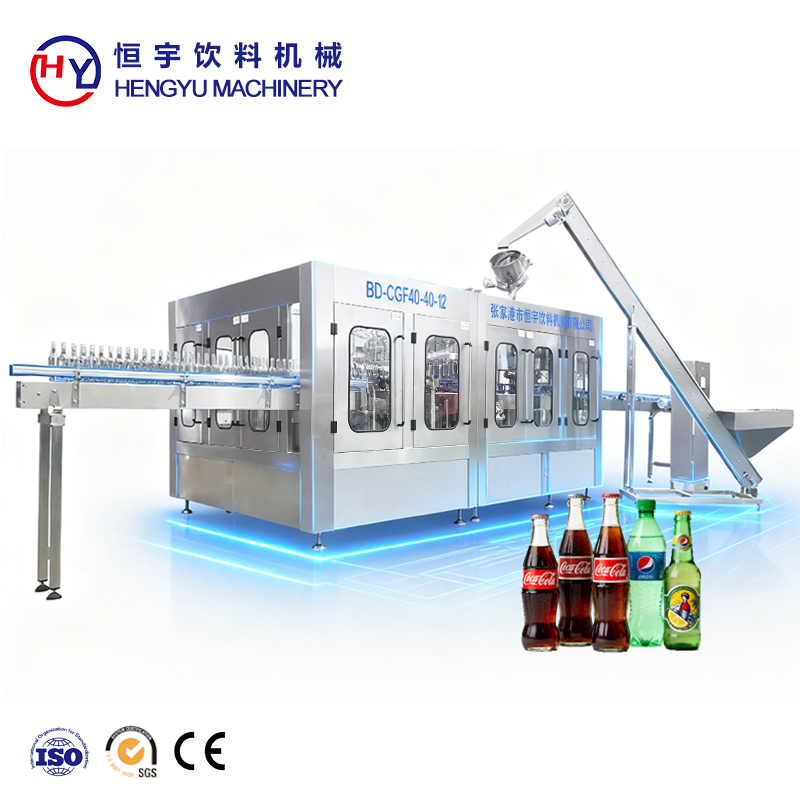
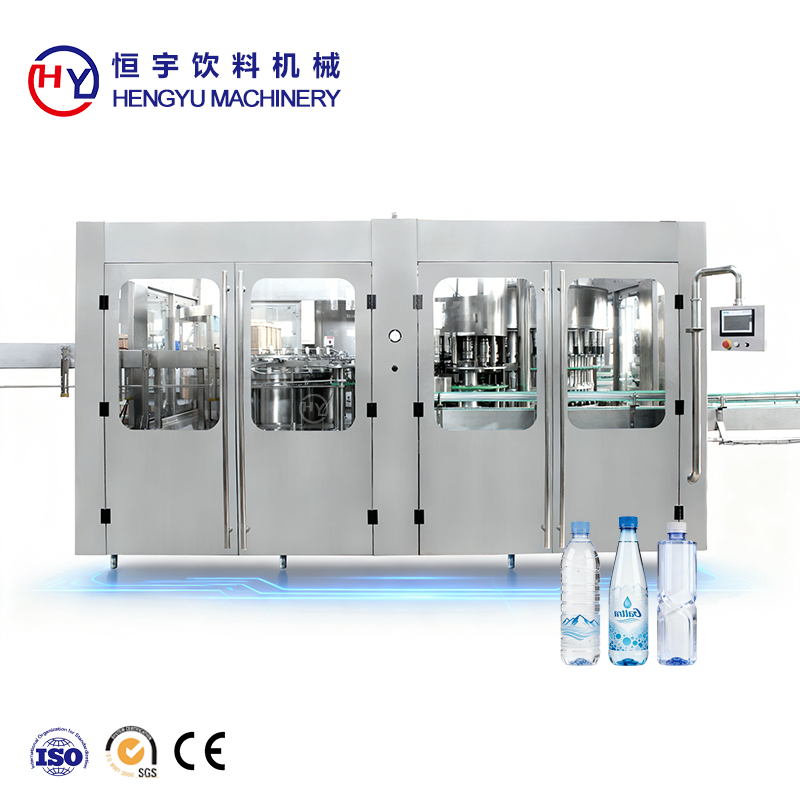
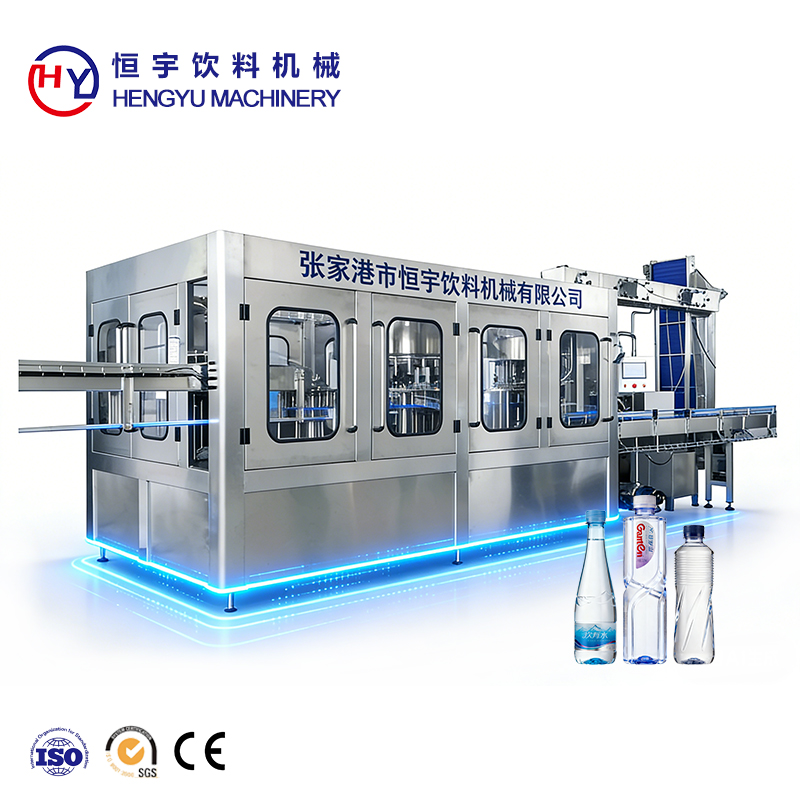
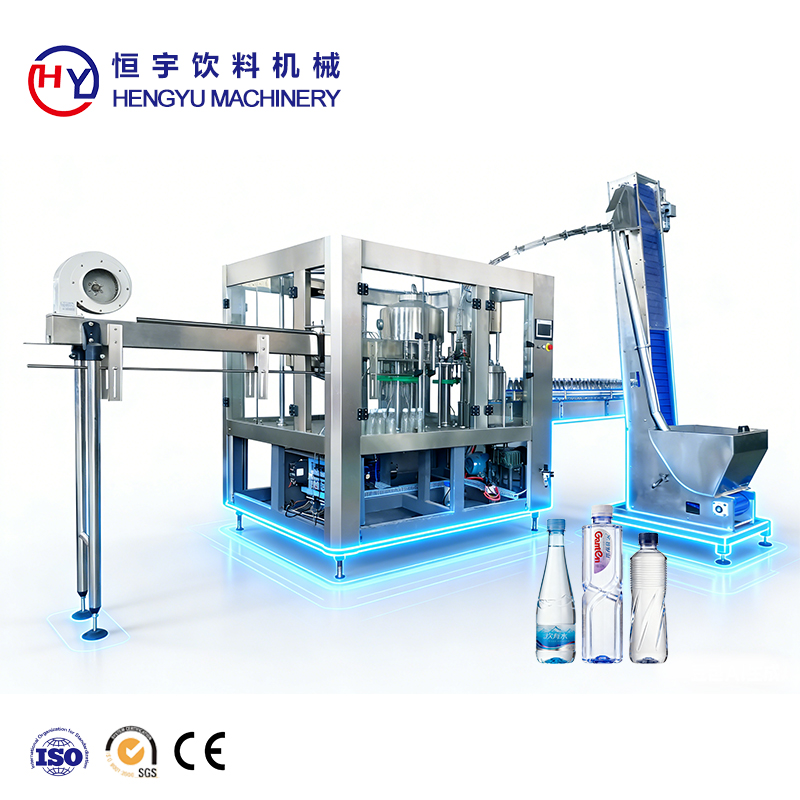
The hygienic design philosophy embedded throughout water filling and capping machine construction addresses the critical importance of product safety, quality assurance, and regulatory compliance in food and beverage production. Every surface that contacts your product features food-grade stainless steel construction, typically 304 or 316 grade alloys selected for their corrosion resistance, durability, and non-reactive properties that prevent contamination or flavor alteration. The water filling and capping machine employs smooth, polished surfaces without crevices, dead spaces, or sharp corners where bacteria might harbor or product residues could accumulate, facilitating thorough cleaning and effective sanitization between production runs. Sanitary design extends to connection points and fittings, which use specialized hygienic couplings, tri-clamp connections, and seamless welding techniques that eliminate potential contamination pathways present in threaded connections or bolted assemblies. The filling nozzles on a water filling and capping machine incorporate drip-prevention features and automated cleaning cycles that flush lines with sanitizing solutions, maintaining sterility throughout extended production runs. Enclosed construction protects the filling zone from environmental contaminants like airborne particles, insects, or accidental contact, with some models offering positive air pressure systems that create a protective barrier against external contamination. The capping mechanism maintains hygienic standards through enclosed operation and materials that withstand repeated exposure to cleaning agents without degrading or harboring microorganisms. Easy disassembly features allow maintenance personnel to access internal components for thorough inspection and deep cleaning without requiring specialized tools or extensive downtime, supporting rigorous sanitation protocols. The water filling and capping machine typically includes clean-in-place capabilities, circulating cleaning and sanitizing solutions through product contact surfaces without disassembly, reducing labor requirements while ensuring consistent, validated cleaning effectiveness. Documentation and validation support built into control systems provides the traceability demanded by food safety regulations, recording production parameters, cleaning cycles, and quality checks that demonstrate compliance during audits. Compliance with international standards like FDA regulations, European Union food safety directives, and GMP requirements is engineered into quality water filling and capping machine designs from inception, not added as afterthoughts, ensuring your production facility meets regulatory expectations. The combination of sanitary construction materials, thoughtful design that eliminates contamination risks, and integrated cleaning systems means your water filling and capping machine actively protects product integrity, safeguards consumer health, and defends your brand reputation against the devastating consequences of contamination incidents or quality failures.

 CN
CN