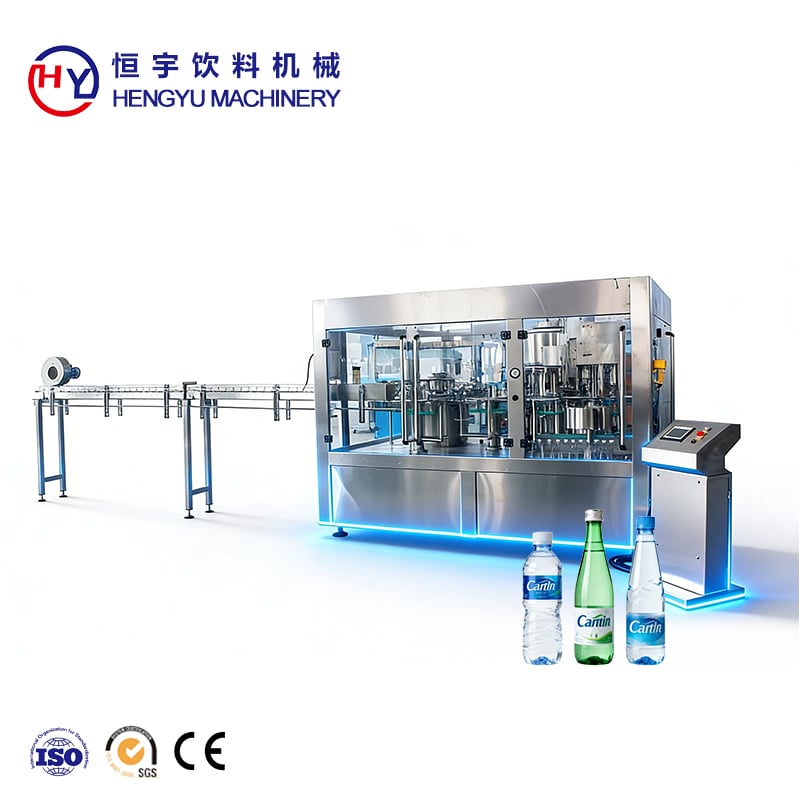
RO Water Filling Machine: Advanced Automated Bottling Solutions for Pure Water Production

All Categories

ro water filling machine

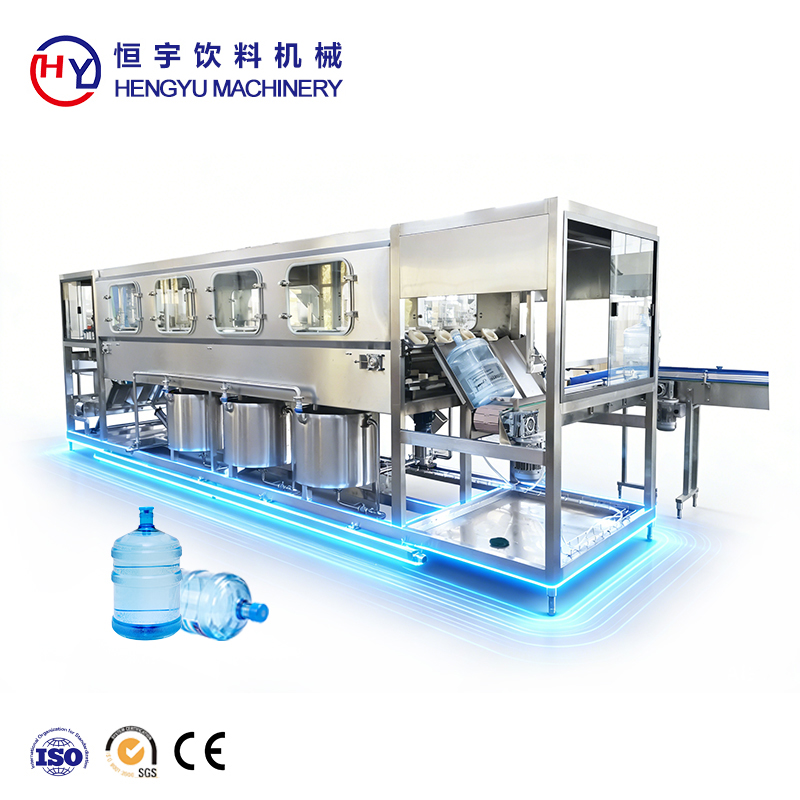
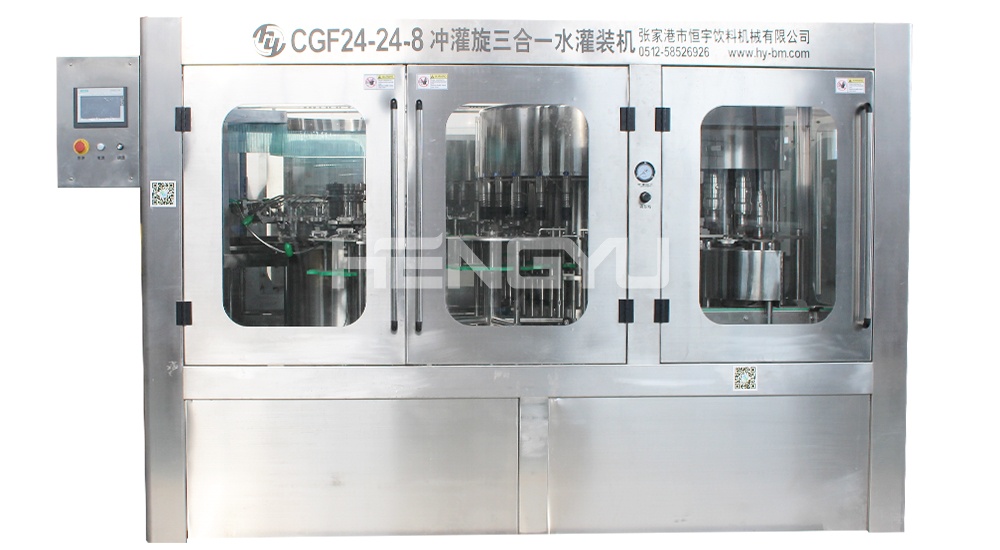
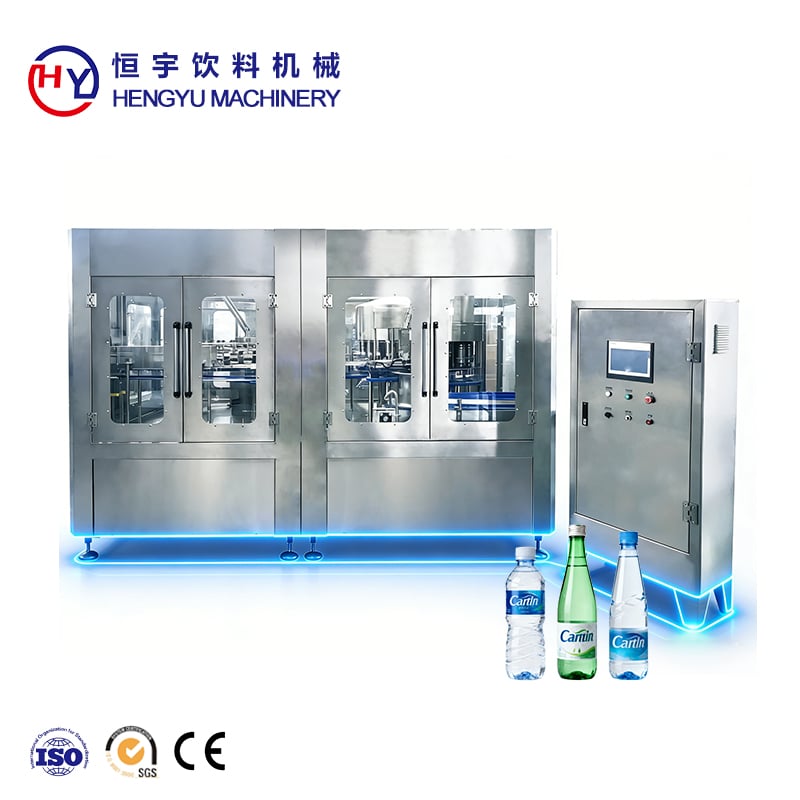
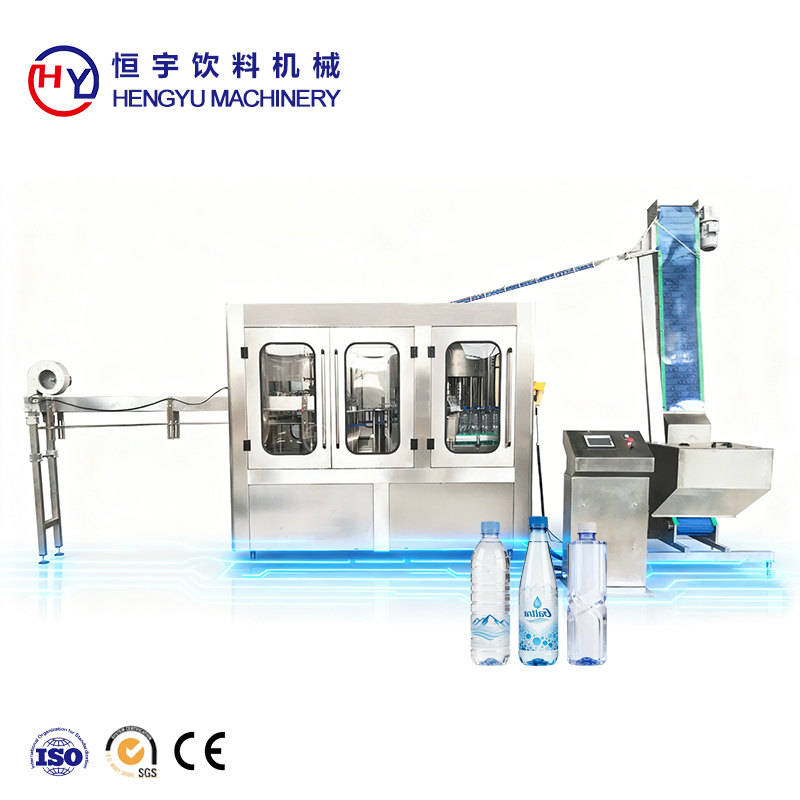
The ro water filling machine represents a comprehensive automated solution designed specifically for bottling purified drinking water produced through reverse osmosis filtration systems. This sophisticated equipment integrates multiple operational stages into a seamless production line, combining rinsing, filling, and capping processes within a single unified platform. The primary function of the ro water filling machine centers on delivering consistent, contamination-free bottling of purified water while maintaining exceptional hygiene standards throughout the entire packaging procedure. Technologically, these machines incorporate advanced PLC programmable logic controllers that enable precise monitoring and adjustment of every operational parameter. The filling mechanism utilizes gravity-based or pressure-based systems equipped with flow meters that ensure accurate volume dispensing for each bottle, minimizing product waste and maintaining uniform fill levels across thousands of units per hour. The ro water filling machine employs stainless steel construction throughout all product-contact surfaces, meeting stringent food-grade sanitation requirements and preventing any chemical interaction with the purified water. Modern iterations feature servo motor-driven components that provide superior speed control and positioning accuracy compared to traditional pneumatic systems. The rinsing station uses purified water jets or air blasts to clean bottles before filling, removing dust particles and potential contaminants that might compromise product quality. Applications for the ro water filling machine span across various sectors including bottled water manufacturing plants, beverage production facilities, pharmaceutical companies requiring sterile water packaging, and commercial establishments producing private-label water brands. These machines accommodate diverse bottle formats ranging from small personal-sized containers to large multi-gallon jugs, with quick-changeover capabilities that allow manufacturers to switch between different bottle specifications with minimal downtime. The integration capability with upstream reverse osmosis purification systems and downstream packaging equipment creates complete turnkey production lines that maximize operational efficiency and reduce manual handling requirements throughout the manufacturing process.

New Products

Investing in a ro water filling machine delivers substantial operational improvements that directly impact your bottom line and market competitiveness. First and foremost, these systems dramatically increase production speed compared to manual or semi-automated alternatives, with most industrial models capable of processing between three thousand to thirty six thousand bottles per hour depending on bottle size and configuration. This enhanced throughput allows businesses to meet growing market demand without proportionally increasing labor costs or facility space requirements. The precision filling technology eliminates overfilling waste that typically accounts for two to five percent of product loss in less sophisticated systems, translating to significant cost savings when calculated across millions of bottles annually. Labor efficiency represents another compelling advantage, as a single operator can supervise an entire ro water filling machine line that would otherwise require a team of workers for manual bottling operations. This reduction in workforce needs not only decreases payroll expenses but also minimizes human error factors that can lead to inconsistent fill volumes or contamination incidents. The automated capping mechanism ensures uniform seal integrity across all bottles, preventing leakage during transportation and storage while extending product shelf life through better preservation of freshness. Hygiene maintenance becomes remarkably simpler with these machines, as the enclosed filling environment limits atmospheric exposure and the stainless steel surfaces resist bacterial growth while facilitating thorough cleaning protocols. The ro water filling machine incorporates automated CIP systems in many models, enabling cleaning-in-place procedures that sanitize all product pathways without requiring complete disassembly, saving hours of maintenance time between production runs. Energy consumption efficiency has improved substantially in modern designs, with optimized motor systems and intelligent power management reducing electricity costs compared to older generation equipment. Flexibility stands out as a practical benefit, since manufacturers can adjust filling speeds, volumes, and operational sequences through digital interfaces rather than mechanical modifications, allowing rapid response to changing production requirements. Quality consistency becomes virtually guaranteed as the ro water filling machine removes variability inherent in human operators, ensuring every bottle meets exact specifications regardless of shift changes or fatigue factors. The compact footprint of integrated systems maximizes valuable floor space utilization, particularly important for facilities operating in urban locations where real estate costs remain premium. Return on investment typically materializes within eighteen to thirty six months for most operations, after which the ongoing savings in labor, reduced waste, and increased capacity generate substantial profit contributions. Finally, meeting regulatory compliance becomes significantly easier as these machines provide documentation capabilities and traceability features that satisfy health department requirements and industry certifications necessary for market access.

Latest News

How to Choose a Glass Bottle Filling Machine for Beverage Production

06

Mar

How to Choose a Glass Bottle Filling Machine for Beverage Production

Match Filling Technology to Beverage Type and Sensitivity Counter-Pressure Fillers for Carbonated Beverages and Beer Carbonated drinks like soda, sparkling water and beer need careful filling techniques to keep their fizz intact while avoiding exc...
View More
Increasing Capacity in Bottled Water Production Lines

09

Mar

Increasing Capacity in Bottled Water Production Lines

Diagnosing Bottlenecks in Your Bottled Water Production Line Measuring Throughput Gaps: Bottling Speed, Changeover Time, and OEE Analysis To get a handle on where production is falling short, look at three key performance indicators. Start by compa...
View More
Can Filling Machine Technology for Carbonated Beverages

20

Mar

Can Filling Machine Technology for Carbonated Beverages

Isobaric Filling Principles: How Can Filling Machines Preserve Carbonation Under Pressure The Physics of CO₂ Solubility and Why Counter-Pressure Is Non-Negotiable The way carbon dioxide dissolves in drinks basically follows what we call Henry's Law...
View More
Troubleshooting Can Filling Machine Production Issues

21

Mar

Troubleshooting Can Filling Machine Production Issues

Power, Control, and Electrical Faults in Can Filling Machines Machine won't power on: main supply, fuses, and emergency stop circuit checks If the can filling machine won't start at all, the first thing to do is check whether the main power supply ...
View More

Get a Free Quote

Our representative will contact you soon.
Email
Name
Phone/WhatsApp
Required Product
Message
0/1000

ro water filling machine

Advanced Contamination Prevention Technology

Advanced Contamination Prevention Technology

The ro water filling machine incorporates sophisticated contamination prevention mechanisms that establish multiple barriers against potential quality compromises throughout the bottling process. At the core of this protection system lies the positive pressure filling environment, which maintains higher air pressure inside the filling chamber compared to the surrounding atmosphere, preventing airborne particles and microorganisms from entering the critical bottling zone. This pressurization system works in conjunction with HEPA filtration units that continuously scrub incoming air, removing particles down to 0.3 microns in size and creating a Class 100 or better cleanroom environment around the filling nozzles. The bottle handling system utilizes grippers and guides manufactured from food-grade materials that prevent scratching or abrading bottle surfaces, which could create microscopic harboring points for bacterial colonization. Each ro water filling machine station performs specific contamination control functions, beginning with the rinsing phase where bottles receive multiple rinse cycles using the same purified water that will fill them, ensuring chemical and particulate compatibility. The filling nozzles themselves feature anti-drip designs that prevent cross-contamination between bottles and eliminate the formation of water droplets on bottle exteriors that could promote microbial growth. Sophisticated sensors monitor filling chamber conditions continuously, triggering automatic shutdowns if parameters drift outside acceptable ranges for temperature, humidity, or particulate counts. The capping station applies closures with precisely calibrated torque specifications that create hermetic seals without over-tightening, which could compromise cap integrity or create stress fractures that allow contamination ingress during storage. Stainless steel construction throughout all wetted pathways prevents corrosion and eliminates the risk of metal leaching into the product, while electropolished surface finishes reduce surface roughness to levels that prevent bacterial attachment and biofilm formation. The ro water filling machine design incorporates minimal dead legs and stagnant zones in the plumbing configuration, ensuring complete drainability during cleaning cycles and preventing residual water from becoming a contamination source. Automated CIP systems deliver heated cleaning solutions and sanitizing agents through all product contact surfaces following programmed sequences that guarantee consistent cleaning efficacy regardless of operator expertise. Validation protocols built into the control system document every cleaning cycle with time, temperature, and chemical concentration data, creating audit trails that demonstrate compliance with food safety regulations. This comprehensive approach to contamination prevention ensures that the purity achieved by upstream reverse osmosis treatment remains intact through final packaging, delivering products that consistently meet or exceed microbiological standards. For businesses serving health-conscious consumers or entering regulated markets, these contamination prevention capabilities represent not merely technical features but fundamental competitive advantages that protect brand reputation and enable premium market positioning.
Intelligent Production Optimization System

Intelligent Production Optimization System

Modern ro water filling machine systems incorporate intelligent production optimization capabilities that transform basic bottling equipment into smart manufacturing platforms capable of self-adjustment and performance enhancement. The foundation of this intelligence resides in advanced PLC controllers networked with multiple sensor arrays that continuously gather operational data from every stage of the production line. These sensors monitor parameters including bottle presence and position, fill level accuracy, cap application torque, conveyor speed, product temperature, and equipment vibration signatures. The collected data flows into sophisticated algorithms that identify patterns, detect anomalies, and implement corrective actions in real-time without requiring operator intervention. For example, when sensors detect slight variations in bottle arrival timing due to upstream conveyor irregularities, the system automatically adjusts filling station timing to maintain optimal synchronization and prevent bottle jams or missed filling cycles. The ro water filling machine utilizes predictive maintenance analytics that track component wear patterns and operational stress indicators, alerting maintenance teams to potential issues before failures occur and scheduling service interventions during planned downtime rather than experiencing unexpected production interruptions. Recipe management systems store complete parameter sets for different bottle sizes and product specifications, enabling operators to switch between production runs simply by selecting the appropriate recipe from a touchscreen interface, with the machine automatically adjusting all settings to match the new requirements. Production efficiency monitoring provides real-time visibility into key performance indicators including actual versus target output rates, rejection percentages, downtime duration and causes, and overall equipment effectiveness scores. This transparency empowers production managers to identify bottlenecks, optimize scheduling, and implement continuous improvement initiatives based on objective performance data rather than subjective observations. Remote connectivity features allow equipment manufacturers and technical support teams to access machine diagnostics over secure internet connections, enabling rapid troubleshooting and even software updates without requiring technician site visits, dramatically reducing mean time to repair. The intelligent ro water filling machine system incorporates quality assurance integration, automatically rejecting bottles that fail to meet specifications for fill volume, cap placement, or label application, while documenting these rejections for quality control analysis. Energy management algorithms optimize power consumption by adjusting motor speeds and reducing auxiliary system operation during low-demand periods, contributing to sustainability goals while lowering operating costs. The human-machine interface presents complex operational data through intuitive graphical displays that simplify operator training and reduce the likelihood of setting errors that could compromise product quality or equipment safety. Historical data logging creates comprehensive production records that support regulatory compliance documentation, customer audits, and internal process improvement initiatives. This intelligent optimization extends equipment lifespan by preventing operation outside design parameters, reduces training requirements for new operators, and enables businesses to maximize return on their ro water filling machine investment through superior productivity and reliability.
Versatile Format Flexibility and Scalability

Versatile Format Flexibility and Scalability

The ro water filling machine delivers exceptional format flexibility that enables manufacturers to respond rapidly to changing market demands and expand product portfolios without major capital reinvestment. This adaptability begins with modular design architecture that allows configuration customization based on specific production requirements, from compact systems suitable for startup operations producing several hundred bottles per hour to high-capacity lines processing tens of thousands of units hourly for established brands. The bottle handling system accommodates extensive size ranges through adjustable guide rails, starwheel configurations, and gripper assemblies that can be repositioned or exchanged to match different container dimensions, typically spanning from small single-serve bottles to large multi-gallon containers within the same base machine platform. Quick-changeover mechanisms reduce format transition time from hours to minutes, utilizing tool-free adjustment systems and clearly marked setting indicators that guide operators through changeover procedures with minimal training. The filling valve technology itself adapts to various bottle neck configurations and filling requirements, with nozzle designs available for different bottle opening sizes and filling methods ranging from gravity filling for standard applications to counter-pressure filling for carbonated products or hot-fill processes for enhanced preservation. This versatility extends to cap application systems that can be configured for different closure types including screw caps, snap-on lids, sports caps, and pump dispensers, allowing manufacturers to differentiate products through packaging innovation without equipment limitations. The ro water filling machine scalability supports business growth through expansion capabilities, where additional filling heads, rinsing stations, or capping units can be integrated into existing frames to increase capacity as demand grows, protecting initial investment while avoiding the disruption and expense of complete line replacement. Container material compatibility spans PET plastic, glass, and various polymer compositions, with handling parameters adjustable to prevent damage to delicate containers while maintaining secure control throughout processing. The control system flexibility allows programming custom operational sequences for specialized applications, such as nitrogen flushing for extended shelf life, controlled atmosphere packaging, or multi-stage filling for products with settling characteristics. Integration interfaces enable seamless connection with upstream water treatment systems and downstream packaging equipment including labelers, case packers, and palletizers, creating complete automated production cells that minimize manual handling and maximize throughput efficiency. The ro water filling machine accommodates future technology adoption through upgradable control systems and expandable I/O capacity that support integration of emerging technologies such as machine vision inspection, artificial intelligence optimization, and Industry 4.0 connectivity standards. This forward compatibility protects investment value and ensures equipment remains current with evolving manufacturing practices. For contract packaging operations serving multiple clients, this format flexibility becomes essential for profitability, enabling efficient production of diverse product specifications without maintaining separate dedicated lines for each format. Regional market adaptation becomes feasible through configuration adjustments that meet different bottle standards, voltage requirements, and regulatory specifications across international markets. The combination of immediate format versatility and long-term scalability makes the ro water filling machine an adaptable platform that grows alongside business success rather than becoming a limitation that constrains expansion opportunities.