Premium Water Bottling Machine Solutions - High-Speed Automated Filling Systems

All Categories

water bottling machine

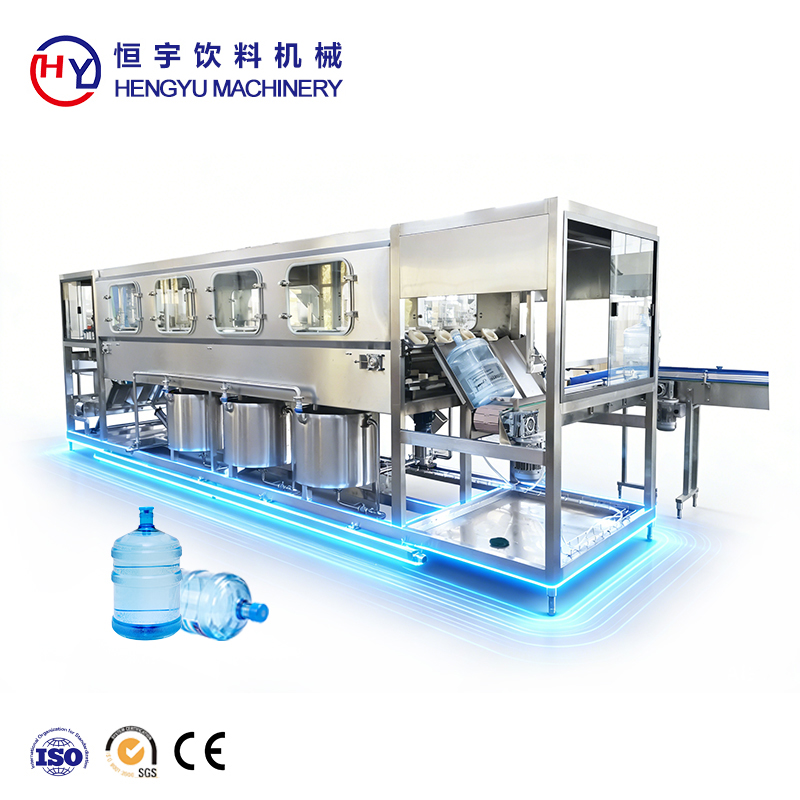
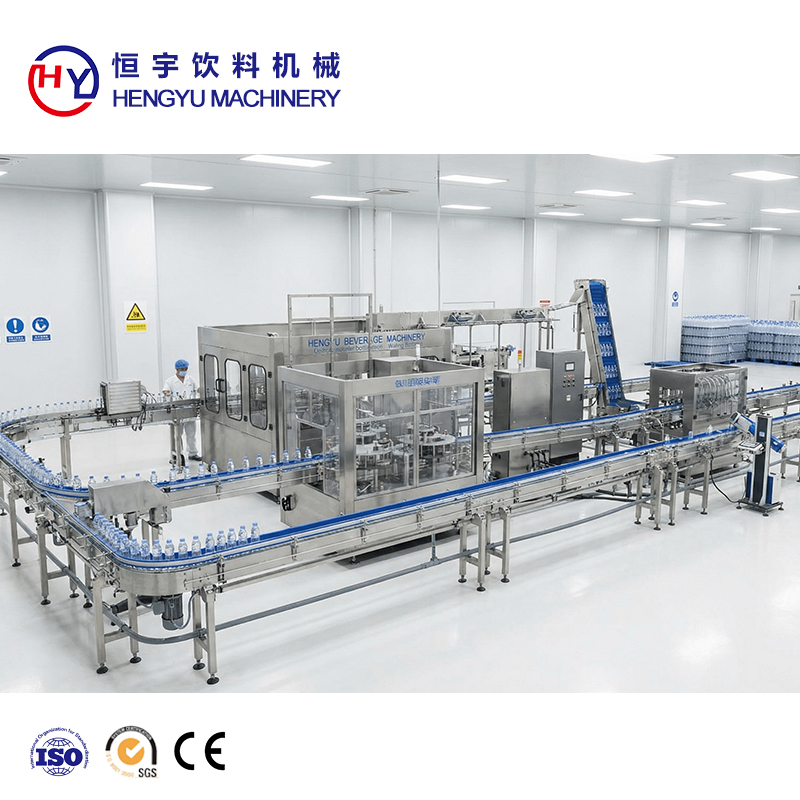
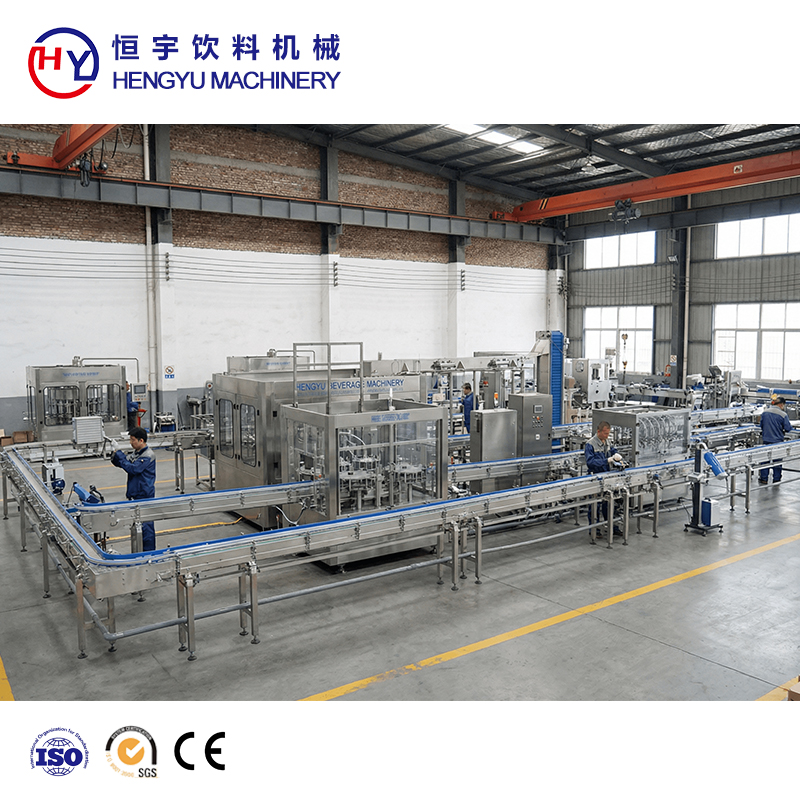
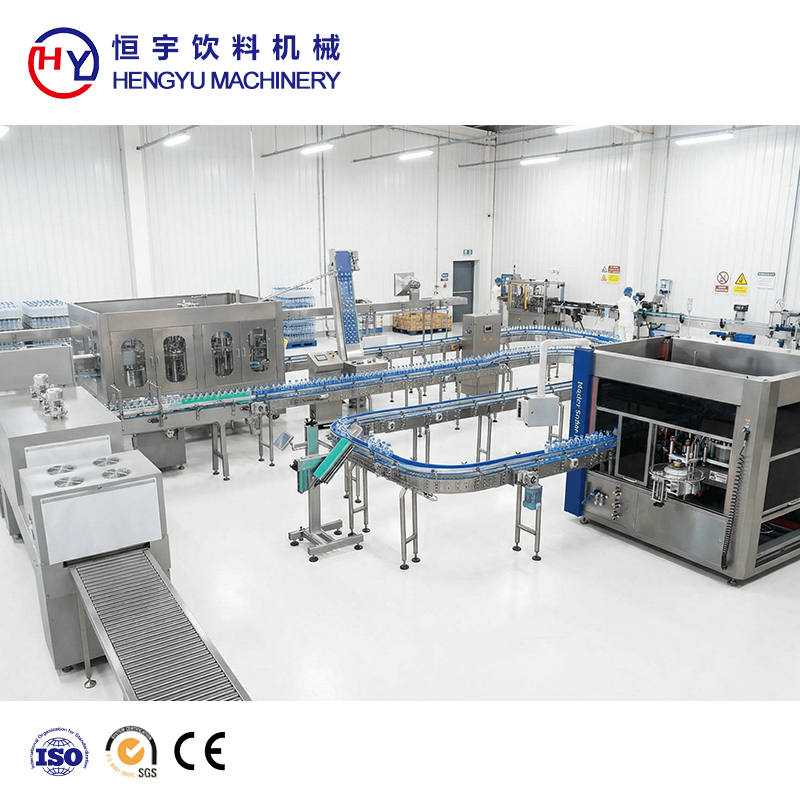
A water bottling machine represents a sophisticated automation system designed to streamline the entire process of filling, capping, and labeling bottled water products. This essential equipment serves as the backbone of beverage production facilities, enabling manufacturers to package purified water efficiently and hygienically. The water bottling machine integrates multiple operational stages into one cohesive production line, transforming empty containers into sealed, ready-to-distribute products. Modern systems incorporate advanced control mechanisms that monitor every aspect of the bottling process, from initial bottle feeding through final packaging. These machines handle various bottle sizes and materials, including PET plastic, glass, and other approved containers. The core functionality revolves around precision filling technology that measures exact volumes, ensuring consistency across thousands of units per hour. Automated capping systems secure lids with calibrated torque to prevent leaks while maintaining easy opening for consumers. Rinsing stations eliminate contaminants before filling begins, maintaining strict sanitary standards throughout production. Conveyor systems transport bottles smoothly between stations, minimizing handling and reducing contamination risks. Touch-screen interfaces provide operators with real-time data about production speeds, fill accuracy, and system diagnostics. The water bottling machine adapts to different production scales, from small operations producing hundreds of bottles daily to industrial facilities generating millions of units. Quality control sensors detect improperly filled bottles, damaged containers, or misaligned caps, automatically removing defective products from the line. This automated quality assurance protects brand reputation and reduces waste. Energy-efficient designs minimize power consumption while maintaining high output rates. Stainless steel construction ensures durability and simplifies cleaning procedures, supporting long-term reliability. The modular design allows manufacturers to expand capacity by adding stations or upgrading components without replacing entire systems. Applications span commercial water brands, private label operations, and specialized beverage companies requiring flexible production capabilities. This technology transforms raw production potential into consistent, marketable products that meet consumer expectations and regulatory standards.

Popular Products

Investing in a water bottling machine delivers transformative benefits that directly impact your bottom line and operational efficiency. First and foremost, these systems dramatically increase production speed compared to manual or semi-automated methods. A modern water bottling machine processes thousands of bottles per hour, enabling businesses to meet growing demand without proportionally increasing labor costs. This acceleration means faster order fulfillment, improved cash flow, and the ability to capture market opportunities quickly. The precision filling technology eliminates product waste by dispensing exact volumes consistently, ensuring you use every drop of water productively. Over time, this accuracy translates to significant cost savings, particularly for high-volume producers. Labor requirements decrease substantially because the water bottling machine handles tasks that would otherwise require multiple workers. Your team can focus on supervision, quality control, and value-added activities rather than repetitive manual filling. This shift improves workplace safety by reducing physical strain and minimizing human contact with production materials. Hygiene standards reach levels impossible to achieve with manual processes because the enclosed system limits contamination exposure. Automated cleaning cycles maintain sanitary conditions between production runs, supporting compliance with health regulations and protecting consumer safety. The consistency provided by a water bottling machine builds brand reliability, as every bottle delivers the same quality experience. Customers develop trust when products meet expectations repeatedly, fostering loyalty and repeat purchases. Flexibility represents another crucial advantage, allowing you to switch between bottle sizes or product types with minimal downtime. This adaptability lets you respond to seasonal demand fluctuations or test new products without major investments. Real-time monitoring capabilities provide instant visibility into production metrics, helping you identify bottlenecks and optimize workflows. Data collection supports informed decision-making about maintenance schedules, inventory management, and capacity planning. The durability of commercial-grade equipment means years of reliable service with proper maintenance, delivering strong return on investment. Reduced error rates minimize product recalls and associated costs, protecting your reputation and financial stability. Energy-efficient operation lowers utility expenses while supporting environmental responsibility goals. Scalability ensures the water bottling machine grows with your business, accommodating expansion without complete system replacement. Automated documentation simplifies regulatory compliance by tracking production batches and maintaining required records. The professional packaging quality enhances product presentation, making your bottles competitive on retail shelves. Finally, the competitive pricing that efficiency enables helps you capture market share while maintaining healthy profit margins, positioning your business for long-term success in the beverage industry.

Tips And Tricks

Glass Bottle Filling Machine vs Plastic Bottle Filling Machine

04

Mar

Glass Bottle Filling Machine vs Plastic Bottle Filling Machine

Material Properties Dictate Core Machine Design Glass fragility and thermal mass: why glass bottle filling machines require reinforced frames, shock-dampened conveyors, and precision neck-handling grippers Working with glass bottles means going th...
View More
Increasing Capacity in Bottled Water Production Lines

09

Mar

Increasing Capacity in Bottled Water Production Lines

Diagnosing Bottlenecks in Your Bottled Water Production Line Measuring Throughput Gaps: Bottling Speed, Changeover Time, and OEE Analysis To get a handle on where production is falling short, look at three key performance indicators. Start by compa...
View More
Can Filling Machine Technology for Carbonated Beverages

20

Mar

Can Filling Machine Technology for Carbonated Beverages

Isobaric Filling Principles: How Can Filling Machines Preserve Carbonation Under Pressure The Physics of CO₂ Solubility and Why Counter-Pressure Is Non-Negotiable The way carbon dioxide dissolves in drinks basically follows what we call Henry's Law...
View More
Troubleshooting Can Filling Machine Production Issues

21

Mar

Troubleshooting Can Filling Machine Production Issues

Power, Control, and Electrical Faults in Can Filling Machines Machine won't power on: main supply, fuses, and emergency stop circuit checks If the can filling machine won't start at all, the first thing to do is check whether the main power supply ...
View More

Get a Free Quote

Our representative will contact you soon.
Email
Name
Phone/WhatsApp
Required Product
Message
0/1000

water bottling machine

Advanced Automated Filling Technology Ensures Perfect Accuracy

Advanced Automated Filling Technology Ensures Perfect Accuracy

The heart of every water bottling machine lies in its sophisticated filling technology, which represents a critical differentiator in production quality and efficiency. Modern systems employ multiple filling methods, including gravity filling, pressure filling, and vacuum filling, each optimized for specific bottle types and production requirements. This advanced technology utilizes precision flow meters and electronic sensors that measure liquid volume to within fractions of a milliliter, ensuring regulatory compliance and customer satisfaction. The filling valves incorporate anti-drip mechanisms that prevent waste and maintain clean bottle exteriors, enhancing product presentation. Servo-driven systems provide exceptional control over filling speeds, allowing operators to adjust parameters for different viscosities or bottle sizes without mechanical modifications. The water bottling machine maintains consistent fill levels regardless of production speed fluctuations, eliminating the common problem of underfilled or overfilled containers that plague less sophisticated equipment. Temperature compensation algorithms account for liquid expansion and contraction, ensuring accurate volumes across varying environmental conditions. This intelligent system reduces product giveaway, which represents pure profit loss in high-volume operations. Multi-head filling configurations enable simultaneous bottle processing, dramatically multiplying throughput without compromising accuracy. Each filling station operates independently while synchronized with the overall system, creating redundancy that maintains production even if one head requires maintenance. The sanitary design features smooth surfaces and minimal dead spaces where bacteria could accumulate, supporting stringent hygiene requirements. Quick-disconnect fittings facilitate rapid cleaning and sanitization between production runs or product changes. Automatic calibration routines verify filling accuracy periodically, alerting operators to any deviations before they affect product quality. The closed-loop system prevents external contamination during the filling process, maintaining water purity from source to sealed bottle. Pressure regulation systems ensure gentle filling that prevents bottle deformation while maintaining speed. This careful balance protects packaging integrity and reduces material costs associated with damaged containers. The water bottling machine interfaces with upstream purification systems and downstream capping equipment seamlessly, creating an integrated production environment. Programmable logic controllers store multiple filling recipes, enabling quick changeovers between product lines with button-press simplicity. This flexibility maximizes equipment utilization and minimizes idle time. The result is a production system that delivers consistent, accurate fills that build consumer trust and optimize resource utilization across every shift.
Comprehensive Hygiene Systems Protect Product Purity

Comprehensive Hygiene Systems Protect Product Purity

Hygiene represents an absolute priority in water bottling operations, and modern water bottling machine designs incorporate comprehensive sanitation features that exceed industry standards. The entire system construction utilizes food-grade stainless steel and approved plastics that resist corrosion, prevent bacterial growth, and withstand aggressive cleaning chemicals. Every surface that contacts water features smooth, crevice-free finishes that eliminate hiding spots for contaminants. The water bottling machine begins the quality assurance process with integrated bottle rinsing stations that invert containers and spray purified water or sterile air to remove dust, particles, and potential contaminants introduced during storage or transportation. This pre-fill cleaning ensures every bottle starts the filling process in pristine condition. Enclosed filling zones minimize exposure to ambient air, which carries particulates and microorganisms that could compromise product purity. Positive air pressure systems within these zones create barriers against external contamination, maintaining sterile environments throughout production. Automated CIP systems enable thorough cleaning without disassembly, circulating cleaning solutions through all product-contact surfaces according to programmable schedules. These clean-in-place protocols save time compared to manual cleaning while ensuring more consistent sanitation results. The water bottling machine supports SIP procedures that use steam or hot water to sterilize the entire system, eliminating even heat-resistant spores that might survive chemical cleaning. Validation ports allow quality assurance teams to collect samples and verify sanitation effectiveness, supporting compliance documentation. Drip-free valve designs prevent water stagnation between bottles, eliminating a common contamination source. The conveyor systems incorporate materials that resist moisture absorption and microbial growth, maintaining sanitary conditions throughout the production line. Minimal contact points reduce cross-contamination risks as bottles move through various stations. HEPA filtration systems clean air used in bottle rinsing and drying processes, ensuring no airborne contaminants reach product surfaces. UV sterilization options provide additional antimicrobial protection at critical control points. Regular maintenance protocols keep all sanitation systems functioning optimally, with alert systems notifying operators of any deviations from established parameters. The water bottling machine documentation includes comprehensive sanitation procedures that support regulatory inspections and certification processes. Traceability features track every production batch through the system, enabling rapid response if quality issues emerge. This multilayered approach to hygiene creates products that consistently meet safety standards, protecting consumer health and brand reputation. The investment in superior sanitation systems pays dividends through reduced recall risks, extended product shelf life, and the premium positioning that comes with demonstrable quality commitment.
Intuitive Control Systems Maximize Operational Efficiency

Intuitive Control Systems Maximize Operational Efficiency

The operational success of a water bottling machine depends heavily on its control systems, which have evolved dramatically with digital technology integration. Modern equipment features sophisticated human-machine interfaces that transform complex industrial processes into manageable, visual workflows. Large touchscreen displays present real-time production data in intuitive formats, showing fill rates, bottle counts, efficiency metrics, and system status at a glance. Operators interact with the water bottling machine through icon-based menus that require minimal training, reducing the learning curve for new personnel and minimizing operator errors. Recipe management systems store complete production parameters for different bottle sizes, fill volumes, and cap types, enabling changeovers in minutes rather than hours. This capability dramatically improves equipment utilization by reducing downtime between product runs. Programmable logic controllers coordinate all machine functions with microsecond precision, synchronizing bottle feeding, filling, capping, and labeling into one fluid motion. These controllers incorporate diagnostic capabilities that monitor hundreds of sensors throughout the system, detecting potential issues before they cause failures. Predictive maintenance alerts notify operators when components approach service intervals, allowing scheduled maintenance during planned downtime rather than emergency stops during production runs. The water bottling machine collects comprehensive production data that integrates with facility management systems, providing insights into overall equipment effectiveness, yield rates, and quality trends. This information supports continuous improvement initiatives and helps identify optimization opportunities. Remote access capabilities enable technical support teams to diagnose issues and adjust parameters without site visits, minimizing response times when problems occur. Security features protect recipes and operational settings from unauthorized changes, maintaining production consistency and protecting proprietary processes. The control system manages speed ramping during startup and shutdown, protecting mechanical components from stress while minimizing transition times. Automatic error recovery protocols respond to common disruptions like bottle jams or cap shortages, often resolving issues without operator intervention. When manual intervention becomes necessary, the system provides clear instructions and visual indicators that guide operators through corrective procedures. Multi-language support accommodates diverse workforces, ensuring all team members can operate the water bottling machine safely and effectively. Energy management functions optimize power consumption by adjusting motor speeds and controlling auxiliary systems based on actual production demands. Quality control integration automatically rejects defective products and adjusts processes to maintain specifications, reducing waste and rework. Historical data logging supports regulatory compliance by documenting production conditions for every batch, creating audit trails that simplify inspections. The user-friendly design reduces operator fatigue during long shifts, improving safety and maintaining focus on quality. Training modes allow new operators to learn system functions without affecting actual production, building confidence and competence. These comprehensive control capabilities transform the water bottling machine from a mechanical system into an intelligent production partner that enhances human capabilities and drives business success.