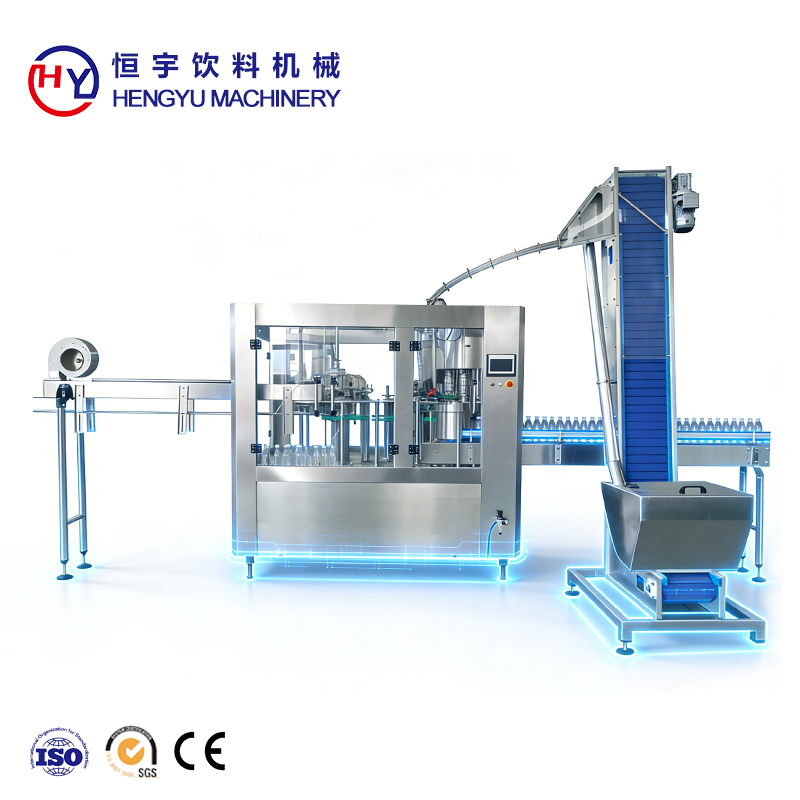
Automatic Water Filling Machine - Advanced Bottling Solutions for Efficient Production

All Categories

automatic water filling machine

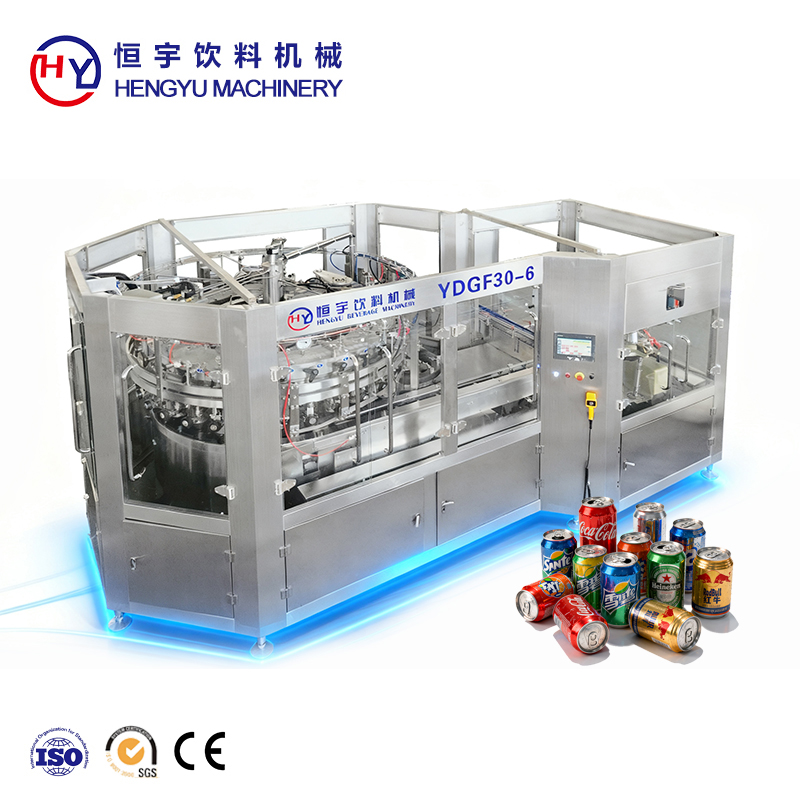
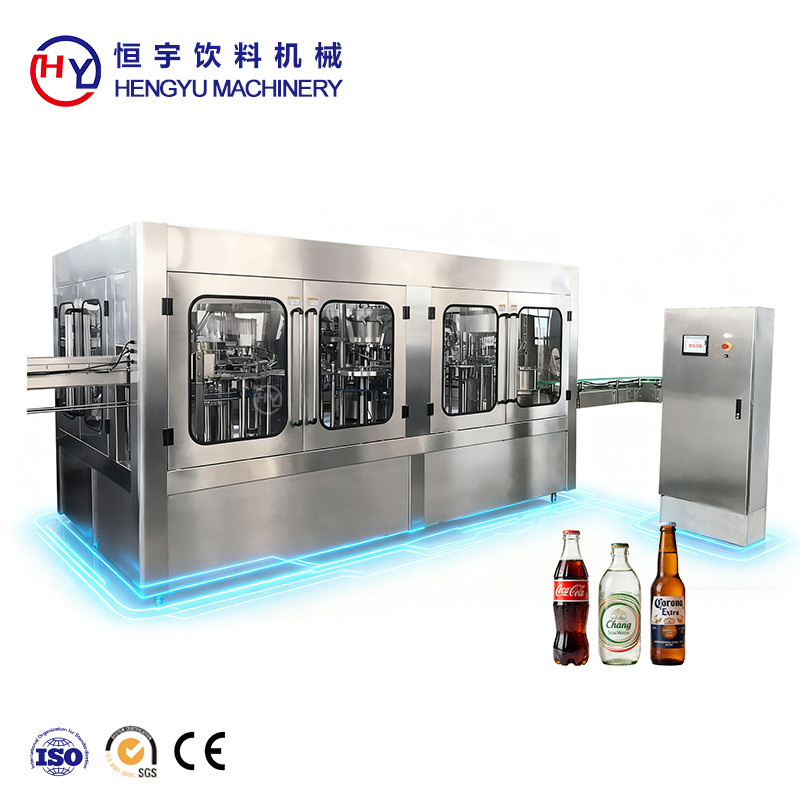
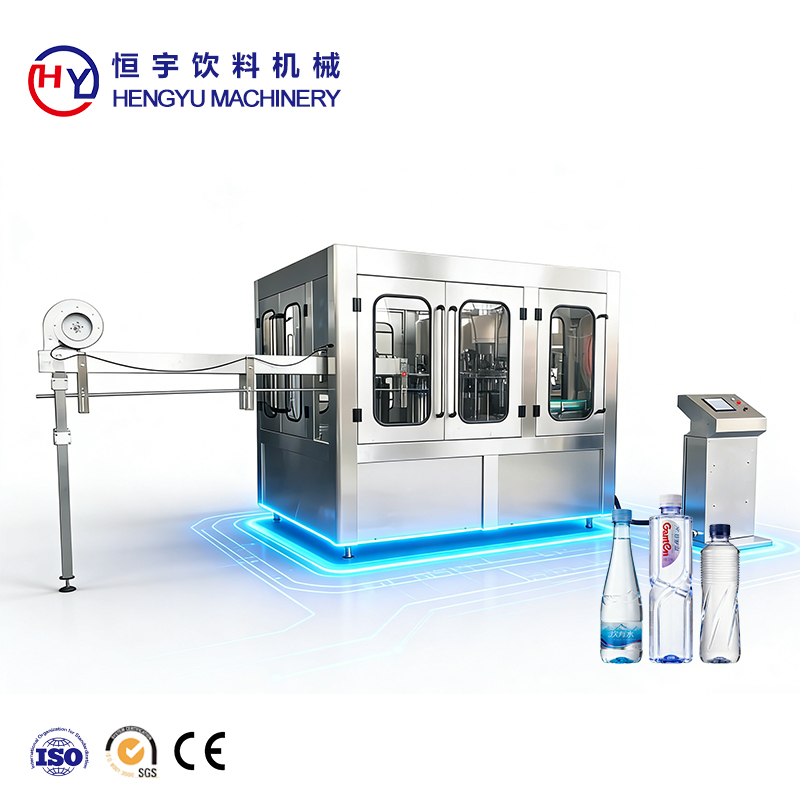
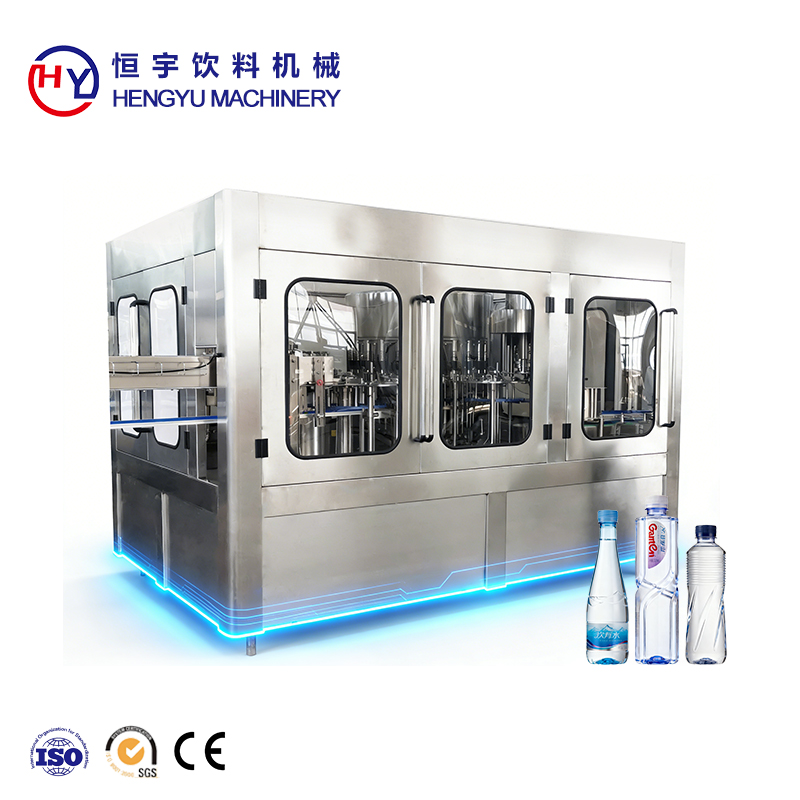
An automatic water filling machine represents a sophisticated packaging solution designed to streamline the bottling process for beverages, particularly purified water, mineral water, and spring water products. This advanced equipment integrates cutting-edge technology to handle multiple stages of the filling operation, from bottle feeding and rinsing to precise liquid dispensing and capping. The primary functions of an automatic water filling machine encompass container handling, washing, filling, sealing, and labeling in a continuous, synchronized workflow. These machines utilize programmable logic controllers and precision sensors to maintain accuracy throughout the production cycle, ensuring consistent fill levels and minimizing product waste. The technological features include stainless steel construction for hygiene compliance, servo-driven filling nozzles for accuracy, automatic bottle positioning systems, and integrated quality control mechanisms. Modern automatic water filling machines incorporate touch-screen interfaces that allow operators to monitor production metrics, adjust parameters, and troubleshoot issues in real-time. The equipment capacity ranges from small-scale operations producing hundreds of bottles per hour to industrial systems capable of filling tens of thousands of units hourly. Applications span diverse sectors including beverage manufacturing plants, water treatment facilities, pharmaceutical companies requiring sterile filling environments, and food processing industries. These machines accommodate various container types such as PET bottles, glass bottles, and specialized containers in different sizes and shapes. The versatility of automatic water filling machines makes them indispensable for businesses seeking to scale production while maintaining product quality standards. Environmental considerations have led manufacturers to develop energy-efficient models that reduce power consumption and minimize water waste during the rinsing cycle. Safety features include emergency stop mechanisms, protective guards, and automatic shutdown protocols that activate when irregularities are detected. The return on investment for an automatic water filling machine becomes evident through increased production speed, reduced labor costs, improved product consistency, and enhanced operational efficiency compared to manual or semi-automatic filling methods.

New Products

Investing in an automatic water filling machine delivers substantial practical benefits that directly impact your bottom line and operational efficiency. The most immediate advantage comes from dramatically increased production speed, allowing your facility to bottle thousands of units per hour compared to manual methods that might produce only hundreds. This acceleration means you can meet growing market demand without expanding your workforce or extending operational hours. Labor cost reduction represents another significant benefit, as these machines require minimal human intervention once properly configured. Instead of employing multiple workers for filling, capping, and labeling tasks, you can reassign personnel to value-added activities like quality assurance and inventory management. Consistency in product quality becomes guaranteed with automatic water filling machines, as precision sensors and calibrated mechanisms ensure every bottle receives exactly the same volume of liquid. This uniformity eliminates customer complaints about short-filled containers and protects your brand reputation. The machines drastically reduce product waste by minimizing spillage and overflow incidents that commonly occur with manual filling operations. Every drop of water saved translates to cost savings and improved profit margins over time. Hygiene standards improve significantly because automatic water filling machines feature enclosed filling environments and stainless steel contact surfaces that prevent contamination. The machines undergo cleaning cycles that sanitize components between production runs, meeting stringent food safety regulations without additional effort from your team. Flexibility in handling different bottle sizes and shapes means you can diversify your product line without purchasing separate equipment for each container type. Quick changeover procedures allow you to switch between production runs efficiently, maximizing machine utilization throughout the workday. Maintenance requirements remain manageable with proper training, and most modern machines feature self-diagnostic capabilities that alert operators to potential issues before they cause production stoppages. The data collection features built into automatic water filling machines provide valuable insights into production patterns, helping you optimize scheduling and identify improvement opportunities. Energy efficiency has improved dramatically in recent models, with manufacturers incorporating variable speed drives and smart power management systems that reduce electricity consumption during operation. Workplace safety improves as workers no longer need to perform repetitive manual tasks that can lead to strain injuries, and automated systems eliminate exposure to potential hazards associated with high-speed machinery. The scalability offered by automatic water filling machines means your initial investment grows with your business, as modular designs allow capacity upgrades without replacing the entire system. Customer satisfaction increases when you can deliver products consistently and fulfill orders promptly, strengthening relationships and encouraging repeat business.

Latest News

Glass Bottle Filling Machine vs Plastic Bottle Filling Machine

04

Mar

Glass Bottle Filling Machine vs Plastic Bottle Filling Machine

Material Properties Dictate Core Machine Design Glass fragility and thermal mass: why glass bottle filling machines require reinforced frames, shock-dampened conveyors, and precision neck-handling grippers Working with glass bottles means going th...
View More
Increasing Capacity in Bottled Water Production Lines

09

Mar

Increasing Capacity in Bottled Water Production Lines

Diagnosing Bottlenecks in Your Bottled Water Production Line Measuring Throughput Gaps: Bottling Speed, Changeover Time, and OEE Analysis To get a handle on where production is falling short, look at three key performance indicators. Start by compa...
View More
How Bottled Water Production Lines Maintain Product Safety

12

Mar

How Bottled Water Production Lines Maintain Product Safety

Regulatory Foundations and the Multi-Barrier Safety Framework FDA, EPA, and ISO Standards Specific to Bottled Water Production Lines The bottled water industry works within a pretty strict set of regulations. The FDA has these things called Good Ma...
View More
How Can Filling Machines Improve Beverage Production Speed

24

Mar

How Can Filling Machines Improve Beverage Production Speed

Filling Machine Type Determines Maximum Throughput Potential Gravity, Isobaric, and Piston Can Filling Machines: Speed vs. Precision Trade-offs Gravity fillers work well for delicate drinks such as juice, processing around 20 to 36 bottles every mi...
View More

Get a Free Quote

Our representative will contact you soon.
Email
Name
Phone/WhatsApp
Required Product
Message
0/1000

automatic water filling machine

Precision Filling Technology Ensures Perfect Volume Control

Precision Filling Technology Ensures Perfect Volume Control

The precision filling technology incorporated into automatic water filling machines represents a breakthrough in achieving exact volume control for every single bottle produced. This sophisticated system employs multiple technological components working in harmony to deliver unmatched accuracy. At the core of this capability are servo-controlled filling valves that respond to electronic signals with millisecond precision, opening and closing at exactly the right moments to dispense the predetermined liquid volume. These valves connect to flow meters that continuously measure the amount of water passing through the system, providing real-time feedback to the control unit. When the flow meter detects that the target volume has been reached, it instantly signals the valve to close, preventing overfilling. This closed-loop control system compensates for variables like temperature fluctuations, supply pressure changes, and bottle dimensional variations that could otherwise affect fill accuracy. The importance of this precision cannot be overstated for businesses operating in regulated industries where underfilling can result in legal penalties and overfilling directly erodes profit margins. For a facility producing millions of bottles annually, even a few milliliters of excess fill per container multiplies into thousands of dollars in lost product. The precision filling technology eliminates this waste while simultaneously ensuring compliance with volumetric accuracy standards mandated by consumer protection agencies. Beyond regulatory compliance and cost savings, this technology delivers consistency that builds customer trust in your brand. Consumers expect the volume stated on the label to match the actual contents, and any deviation damages brand perception. The automatic water filling machine maintains fill accuracy within plus or minus one percent across the entire production run, regardless of production speed or environmental conditions. This reliability extends to handling different bottle geometries, as the machine automatically adjusts filling parameters based on container specifications stored in its memory. Operators can switch between different bottle sizes simply by selecting the appropriate program from the touch-screen interface, and the machine recalibrates its filling parameters instantly. The precision filling technology also incorporates level sensors that verify fill height before bottles proceed to the capping station, providing an additional quality control checkpoint. Any bottle detected as improperly filled gets automatically rejected and diverted from the main production line, preventing defective products from reaching consumers. This automated quality assurance happens at full production speed without slowing the overall process. The value this precision technology brings to potential customers extends beyond immediate operational benefits to long-term competitive advantages. Companies using automatic water filling machines with precision filling technology can pursue premium market segments where quality expectations are highest and price sensitivity is lower, commanding better margins than competitors using less sophisticated equipment.
Hygienic Design Meets Strict Safety and Quality Standards

Hygienic Design Meets Strict Safety and Quality Standards

The hygienic design philosophy embedded in automatic water filling machines addresses the critical concern of maintaining product purity and meeting rigorous safety standards throughout the bottling process. This comprehensive approach to sanitation begins with material selection, as manufacturers construct all product-contact surfaces from food-grade stainless steel that resists corrosion, does not react with water or cleaning chemicals, and features smooth finishes that prevent bacterial growth. The stainless steel components undergo electropolishing to eliminate microscopic surface irregularities where contaminants might otherwise accumulate. Beyond material choice, the machine architecture eliminates dead spaces, sharp corners, and horizontal surfaces where liquid could pool and create contamination risks. Every junction, valve, and connection point follows sanitary design principles that facilitate thorough cleaning and prevent cross-contamination between production batches. The filling nozzles incorporate spring-loaded mechanisms that maintain constant contact with bottle openings during the filling process, creating a sealed environment that prevents airborne contaminants from entering containers. After each bottle fills and moves away, these nozzles automatically retract and undergo a brief rinse cycle that removes any residual water droplets. The automatic water filling machine includes integrated Clean-In-Place systems that circulate sanitizing solutions through all fluid pathways without requiring disassembly. Operators can initiate cleaning cycles from the control panel, and the machine guides them through the proper sequence of rinse, detergent wash, sanitize, and final rinse stages. Temperature sensors verify that cleaning solutions reach the required heat levels for effective sanitization, and timers ensure adequate contact duration. This automated cleaning capability saves hours compared to manual cleaning procedures while delivering superior results. The enclosed design of modern automatic water filling machines creates a positive pressure environment within the filling zone, using filtered air to prevent external contaminants from entering the production area. HEPA filtration systems remove particulates and microorganisms from the air supply, maintaining cleanroom-level conditions around the filling nozzles. For pharmaceutical and nutraceutical applications requiring sterile filling, automatic water filling machines can be equipped with ultraviolet sterilization lamps that continuously disinfect the filling environment. The importance of this hygienic design becomes evident when considering the consequences of contamination, which can range from product recalls costing millions of dollars to serious public health incidents that destroy brand reputation permanently. Regulatory agencies conduct regular inspections of bottling facilities, and equipment that fails to meet sanitary design standards can result in production shutdowns and expensive retrofits. The automatic water filling machine eliminates these risks by incorporating compliance features directly into its design. Documentation capabilities built into the machine track cleaning cycles, production parameters, and quality checks, generating the records that auditors require to verify compliance with food safety management systems. This traceability provides peace of mind for quality assurance managers and demonstrates due diligence to regulatory authorities. The value proposition for customers extends beyond avoiding negative outcomes to enabling positive market positioning as a quality-focused producer committed to consumer safety and product excellence.
Automated Operation Reduces Labor Costs and Human Error

Automated Operation Reduces Labor Costs and Human Error

The automated operation capabilities of automatic water filling machines fundamentally transform production economics by reducing dependency on manual labor while simultaneously eliminating human error from critical processes. This automation encompasses the entire bottling sequence, beginning when empty bottles enter the machine through the automatic feeding system. Conveyor belts equipped with sensors detect bottle presence and spacing, adjusting speed to maintain optimal flow into the processing stations. The bottle rinsing station operates without human intervention, inverting containers and spraying filtered water or air to remove dust and particles that accumulated during storage and transportation. After rinsing, bottles proceed to the filling station where the machine positions each container precisely beneath a filling nozzle using mechanical guides and pneumatic actuators. The filling process executes with programmable parameters controlling volume, flow rate, and timing without requiring operator adjustment for each bottle. Upon completing the fill cycle, bottles advance to the capping station where automatic cap feeders supply closures that get mechanically applied with calibrated torque to ensure proper seal integrity without over-tightening that could damage threads. Throughout these operations, the automatic water filling machine monitors dozens of parameters using sensors that detect bottle presence, confirm proper positioning, verify fill levels, and check cap application. When the system detects an abnormality such as a missing bottle, incorrect fill volume, or missing cap, it automatically rejects the affected unit and alerts the operator through visual and audible signals. This continuous quality monitoring happens at production speeds measured in hundreds of bottles per minute, far exceeding human inspection capabilities. The reduction in labor costs achieved through this automation proves substantial, as facilities can operate with skeleton crews compared to the teams required for manual bottling operations. A single operator can supervise an automatic water filling machine producing thousands of bottles hourly, whereas manual operations might require a dozen workers to achieve similar output. Beyond direct wage savings, automated operation reduces expenses associated with employee benefits, training, turnover, and workplace injury claims. The elimination of human error delivers equally important value by preventing costly mistakes that plague manual operations. Workers experiencing fatigue, distraction, or insufficient training may fill bottles incorrectly, apply caps improperly, or fail to notice quality defects. These errors result in customer complaints, product returns, and potential safety incidents that damage brand reputation. The automatic water filling machine executes each task identically thousands of times per day without variation, fatigue, or lapses in attention. This reliability ensures consistent product quality that builds consumer confidence and reduces waste from rejected products. The automation extends to data management, as the machine records production statistics, tracks downtime events, and generates reports that inform management decisions. This information visibility enables continuous improvement initiatives by identifying bottlenecks, quantifying efficiency losses, and benchmarking performance across shifts and operators. The user-friendly interface of modern automatic water filling machines reduces training requirements, allowing new operators to achieve proficiency quickly through intuitive touch-screen controls and guided procedures. Troubleshooting becomes simplified as the machine displays diagnostic messages that pinpoint issues and recommend corrective actions. Maintenance scheduling appears on-screen based on actual machine usage rather than arbitrary calendar intervals, optimizing service activities and preventing unexpected breakdowns. For businesses evaluating whether to invest in an automatic water filling machine, the labor reduction and error elimination benefits typically generate payback periods of less than two years, after which the cost savings flow directly to profitability while production capacity and quality continue delivering competitive advantages in the marketplace.