Water Packing Machine - Advanced Automated Bottling Solutions for High-Efficiency Production

All Categories

water packing machine

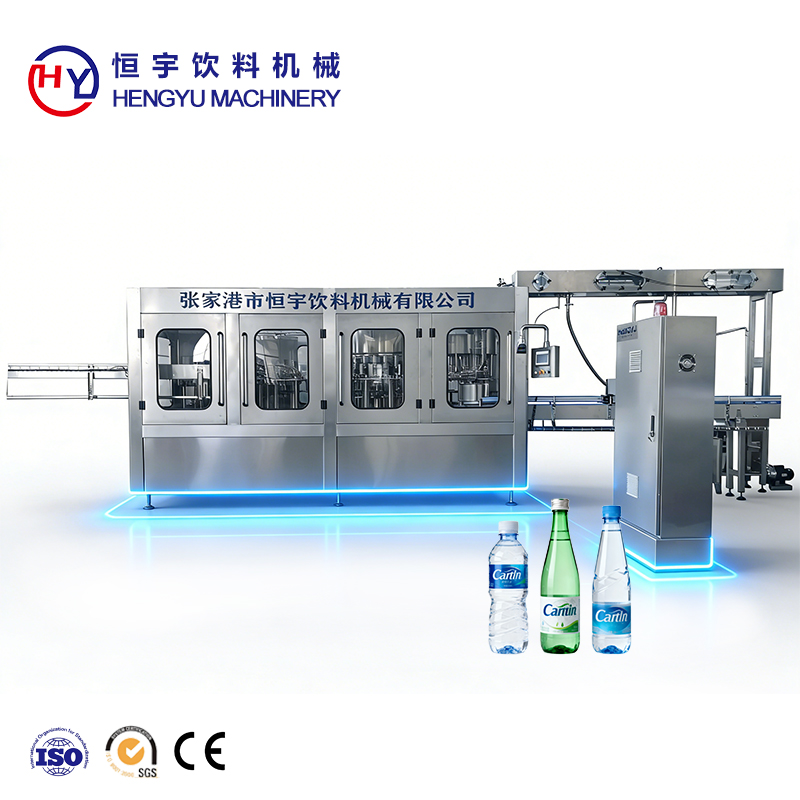
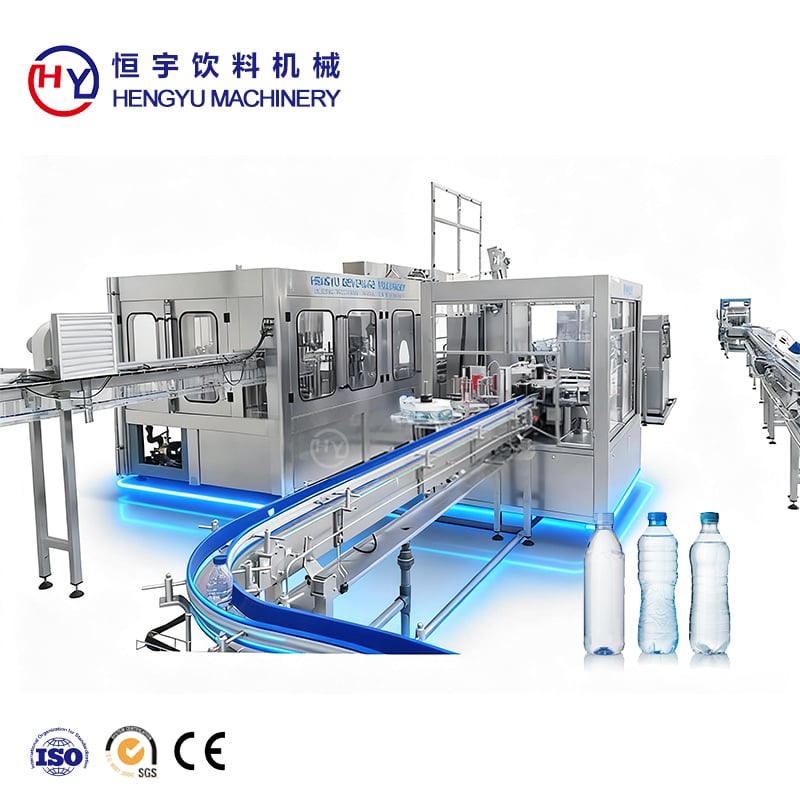
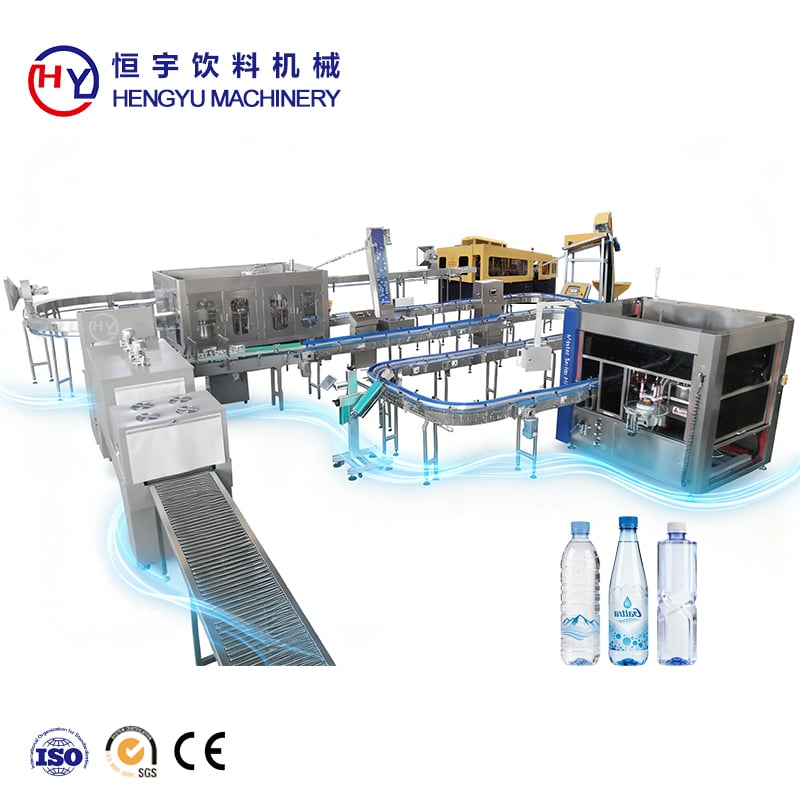
A water packing machine represents an essential piece of automated equipment designed specifically for packaging bottled water, purified drinking water, and various liquid beverages into consumer-ready formats. This sophisticated machinery integrates multiple technological systems to handle the complete packaging process, from bottle feeding and filling to capping, labeling, and final packaging into cases or shrink-wrapped bundles. Modern water packing machines incorporate advanced sensors, programmable logic controllers, and precision mechanisms that ensure consistent output quality while maintaining high production speeds. The primary function of a water packing machine centers on automating the entire bottling line, eliminating manual labor requirements and significantly reducing production costs. These machines can handle various bottle sizes, ranging from small 330ml containers to large 5-gallon jugs, making them versatile solutions for different market segments. The technological features include automatic bottle cleaning systems, precise liquid level control, sterile filling environments, and intelligent capping mechanisms that apply optimal torque to prevent leakage. Many contemporary water packing machines also feature touch-screen interfaces that allow operators to monitor production metrics in real-time, adjust settings quickly, and troubleshoot issues efficiently. Applications for water packing machines extend across multiple industries, including municipal water bottling facilities, private label water producers, beverage manufacturing plants, and commercial water purification companies. The machines prove particularly valuable in regions with high bottled water demand, where production efficiency directly impacts profitability. These automated systems maintain sanitary conditions throughout the packaging process, meeting stringent food safety regulations and quality standards required by health authorities. The integration of modern water packing machines into production facilities enables businesses to scale operations rapidly, respond to market demands flexibly, and maintain competitive pricing while ensuring product safety and consistency that consumers expect from packaged water products.

Popular Products

Investing in a water packing machine delivers substantial cost savings by reducing labor expenses and minimizing product waste during the packaging process. Traditional manual bottling operations require multiple workers to handle different stages of production, whereas automated systems complete these tasks with minimal human intervention, allowing businesses to reallocate workforce resources to other critical areas. The precision engineering built into these machines ensures that every bottle receives exactly the specified amount of water, eliminating overfilling that wastes product and underfilling that violates labeling regulations. This accuracy translates directly into improved profit margins and reduced material costs over time. Production speed represents another significant advantage, as modern water packing machines can process thousands of bottles per hour, dramatically increasing output capacity compared to manual methods. This enhanced throughput enables businesses to fulfill larger orders, expand market reach, and capitalize on peak demand periods without compromising quality. The consistency achieved through automated packaging builds brand reputation and customer trust, as every bottle meets identical quality standards regardless of production volume or timing. Hygiene and safety improvements stand out as critical benefits, particularly in the water bottling industry where contamination risks must be minimized. Automated water packing machines operate in controlled environments with minimal human contact, reducing bacterial exposure and maintaining sterile conditions throughout the filling process. This protection safeguards consumer health and helps companies avoid costly product recalls or regulatory penalties. Flexibility in handling multiple bottle sizes and formats provides businesses with strategic advantages in responding to market trends and customer preferences without investing in entirely new production lines. Quick changeover capabilities allow manufacturers to switch between different product variations efficiently, supporting diverse product portfolios. Energy efficiency has improved significantly in recent generations of water packing machines, with manufacturers incorporating power-saving technologies that reduce operational costs and environmental impact. These machines often include automatic shutdown features during idle periods and optimized motor systems that consume less electricity while maintaining performance. The reliability and durability of quality water packing machines ensure consistent operation with minimal downtime, protecting production schedules and delivery commitments. Preventive maintenance features alert operators to potential issues before they cause breakdowns, further enhancing operational continuity. Real-time monitoring and data collection capabilities provide valuable insights into production efficiency, enabling continuous improvement initiatives and informed decision-making regarding process optimization and capacity planning.

Practical Tips

Glass Bottle Filling Machine vs Plastic Bottle Filling Machine

04

Mar

Glass Bottle Filling Machine vs Plastic Bottle Filling Machine

Material Properties Dictate Core Machine Design Glass fragility and thermal mass: why glass bottle filling machines require reinforced frames, shock-dampened conveyors, and precision neck-handling grippers Working with glass bottles means going th...
View More
Increasing Capacity in Bottled Water Production Lines

09

Mar

Increasing Capacity in Bottled Water Production Lines

Diagnosing Bottlenecks in Your Bottled Water Production Line Measuring Throughput Gaps: Bottling Speed, Changeover Time, and OEE Analysis To get a handle on where production is falling short, look at three key performance indicators. Start by compa...
View More
How Can Filling Machines Improve Beverage Production Speed

24

Mar

How Can Filling Machines Improve Beverage Production Speed

Filling Machine Type Determines Maximum Throughput Potential Gravity, Isobaric, and Piston Can Filling Machines: Speed vs. Precision Trade-offs Gravity fillers work well for delicate drinks such as juice, processing around 20 to 36 bottles every mi...
View More
Can Filling Machine Technology for Carbonated Beverages

20

Mar

Can Filling Machine Technology for Carbonated Beverages

Isobaric Filling Principles: How Can Filling Machines Preserve Carbonation Under Pressure The Physics of CO₂ Solubility and Why Counter-Pressure Is Non-Negotiable The way carbon dioxide dissolves in drinks basically follows what we call Henry's Law...
View More

Get a Free Quote

Our representative will contact you soon.
Email
Name
Phone/WhatsApp
Required Product
Message
0/1000

water packing machine

Advanced Automation Technology for Maximum Efficiency

Advanced Automation Technology for Maximum Efficiency

The cornerstone advantage of modern water packing machines lies in their sophisticated automation technology that revolutionizes bottling operations from start to finish. These systems employ cutting-edge programmable logic controllers that coordinate complex sequences of operations with microsecond precision, ensuring seamless transitions between each stage of the packaging process. The automation begins with intelligent bottle feeding systems that use sensors to detect bottle presence, orientation, and quality before allowing them to proceed to the filling station. This preliminary inspection prevents defective containers from entering the production line, saving time and reducing waste. The filling mechanism itself represents a technological marvel, utilizing flow meters and pressure sensors to deliver exact liquid volumes regardless of variations in bottle shape or supply pressure. Many water packing machines incorporate servo-driven filling valves that adjust in real-time, compensating for environmental factors like temperature changes that might affect liquid density. The capping module follows with torque-controlled systems that apply precisely calibrated force to each cap, preventing both loose seals that cause leakage and overtightened caps that frustrate consumers. Label application systems within the water packing machine use photoeye sensors to position labels accurately on bottles as they move along the conveyor, ensuring consistent brand presentation across all products. The final packaging stage often includes robotic arms or automated case packers that arrange bottles into shipping configurations with speed and accuracy impossible to achieve manually. Touch-screen human-machine interfaces provide operators with intuitive control over all functions, displaying real-time production statistics, efficiency metrics, and diagnostic information that facilitates quick adjustments and troubleshooting. The integration of Industry 4.0 concepts means that contemporary water packing machines can connect to factory networks, enabling remote monitoring, predictive maintenance scheduling, and data-driven optimization. This connectivity allows production managers to analyze trends, identify bottlenecks, and implement improvements without disrupting ongoing operations. The automation extends to quality control functions, with integrated vision systems that inspect filled bottles for proper liquid levels, cap placement, and label alignment, automatically rejecting non-conforming products before they reach consumers. This comprehensive automation not only increases production capacity but also liberates human workers from repetitive tasks, allowing them to focus on supervision, maintenance, and continuous improvement activities that add greater value to the operation.
Versatile Design for Multiple Product Formats

Versatile Design for Multiple Product Formats

One of the most compelling features distinguishing premium water packing machines from basic equipment is their remarkable versatility in accommodating diverse product formats and packaging requirements. This adaptability proves essential in today's dynamic beverage market where consumer preferences shift rapidly and businesses must respond with agility to maintain competitive positions. The mechanical design of versatile water packing machines incorporates adjustable components that can be reconfigured to handle bottles ranging from small single-serve containers to large multi-gallon jugs without requiring extensive retooling or equipment replacement. Quick-change systems allow operators to swap out bottle guides, filling nozzles, and capping heads in minutes rather than hours, minimizing production downtime during format transitions. This capability enables manufacturers to produce multiple product lines on a single machine, maximizing equipment utilization and return on investment. The filling technology adapts to different liquid characteristics, whether packaging still water, carbonated water, or mineral water with varying viscosities and gas content levels. Advanced water packing machines feature multiple filling modes, including gravity filling for non-carbonated products, pressure filling for carbonated beverages, and vacuum filling for products requiring minimal air exposure. This technological flexibility ensures optimal filling performance regardless of product type, maintaining quality standards across diverse offerings. Label application systems accommodate various label sizes, shapes, and materials, from simple wraparound labels to complex multi-panel designs that communicate extensive product information. Some water packing machines even support multiple labeling methods on a single line, such as pressure-sensitive labels for small bottles and glue-applied labels for larger containers. Packaging options extend beyond individual bottle formats to include multipacks, shrink-wrapped bundles, cardboard trays, and display-ready cases, all configurable within the same production system. This end-to-end versatility streamlines operations by eliminating the need for separate packaging lines for different product variations. The control systems in modern water packing machines store multiple recipe programs that contain all parameters for different products, allowing operators to switch production runs with simple menu selections that automatically adjust all machine settings. This programmability reduces setup errors and ensures consistent quality across all product variants. Manufacturers can respond to seasonal demand fluctuations, test new product concepts, and serve niche markets without significant capital investment in dedicated equipment. The scalability inherent in versatile water packing machines means that businesses can start with baseline configurations and add modules or capabilities as their product portfolios expand, protecting initial investments while supporting growth strategies.
Enhanced Hygiene and Safety Standards

Enhanced Hygiene and Safety Standards

The critical importance of maintaining impeccable hygiene throughout the water packaging process cannot be overstated, and modern water packing machines address this requirement through comprehensive sanitation features that protect product integrity and consumer health. These machines incorporate design principles that minimize contamination risks at every stage of the bottling operation, starting with construction materials that meet food-grade standards and resist bacterial growth. Stainless steel dominates in critical contact areas, chosen for its non-porous surface that prevents microbial colonization and withstands repeated cleaning with aggressive sanitizing agents. The filling environment itself is often enclosed or shielded to prevent airborne contaminants from reaching open bottles during the vulnerable filling period. Some advanced water packing machines feature positive air pressure systems that create clean air barriers around filling zones, physically preventing external particles from entering the packaging area. Automated cleaning-in-place systems represent another crucial hygiene advantage, allowing operators to sanitize the entire water packing machine without disassembly. These CIP systems circulate cleaning solutions and sterilizing agents through all product-contact surfaces, including pipes, valves, filling nozzles, and tanks, ensuring thorough sanitation between production runs or product changes. The automation of this cleaning process not only improves effectiveness but also reduces worker exposure to potentially hazardous cleaning chemicals. Bottle rinsing stations integrated into water packing machines use filtered air or sterile water to remove dust and particles from containers immediately before filling, providing an additional protective barrier against contamination. UV sterilization modules in premium systems expose bottles to ultraviolet light that destroys bacteria and other microorganisms without chemical residues, offering an environmentally friendly sanitation method. The capping process maintains hygiene through mechanisms that handle caps without human contact, often employing sterilized cap hoppers and sealed delivery systems that preserve cap cleanliness until the moment of application. Seal integrity verification systems check each capped bottle to ensure proper closure that prevents post-packaging contamination during storage and distribution. Regular validation protocols built into water packing machines provide documented evidence of sanitation effectiveness, supporting compliance with regulatory requirements and quality certifications. Safety features extend beyond product hygiene to operator protection, with emergency stop systems, safety guards, and interlock mechanisms that prevent accidents and injuries during operation and maintenance. Ergonomic designs reduce physical strain on workers, incorporating adjustable heights, accessible control panels, and clear sightlines that allow operators to monitor processes comfortably. The combination of product hygiene measures and operator safety features makes modern water packing machines essential investments for businesses committed to quality assurance and workplace safety excellence.