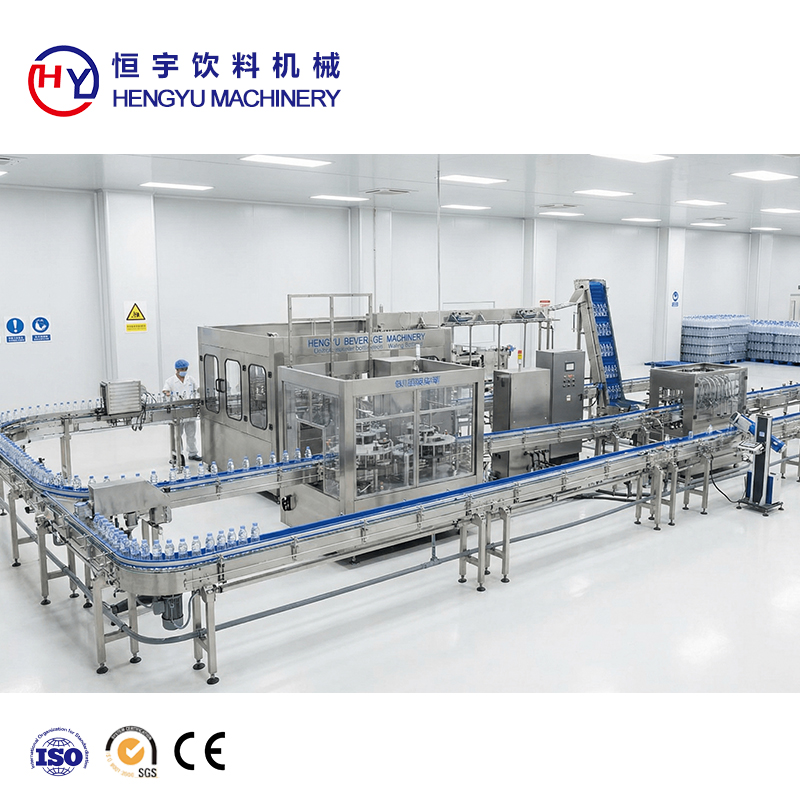
Professional Water Filling Bottle Machine - Automated Bottling Solutions for Pure Water Production

All Categories

water filling bottle machine

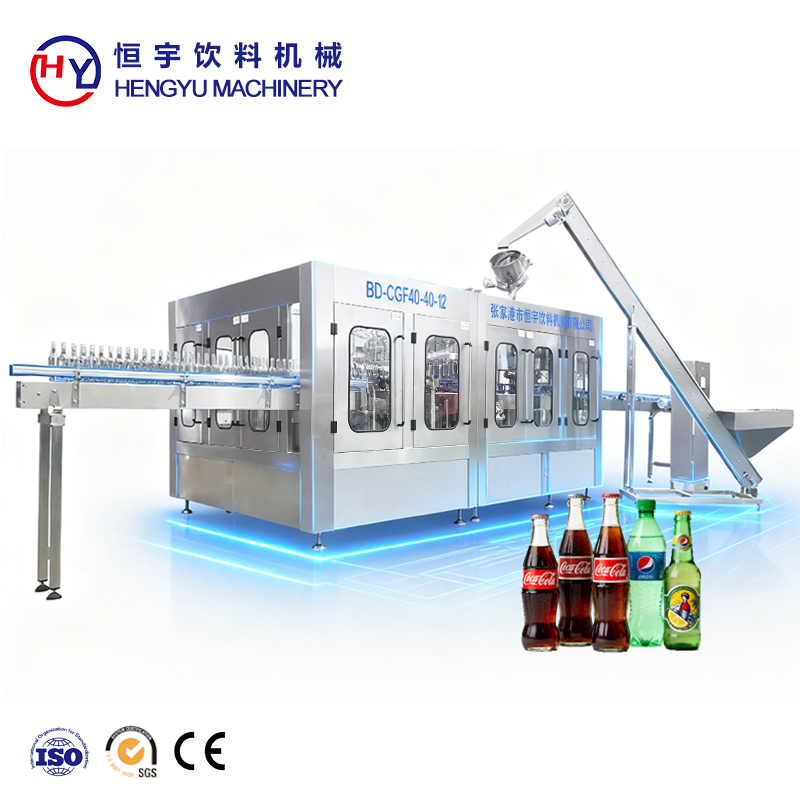
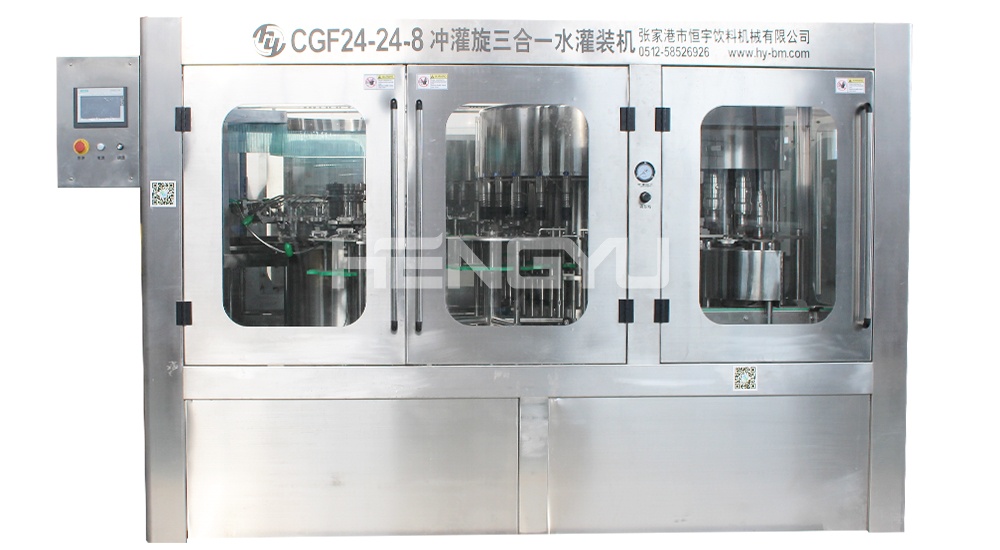
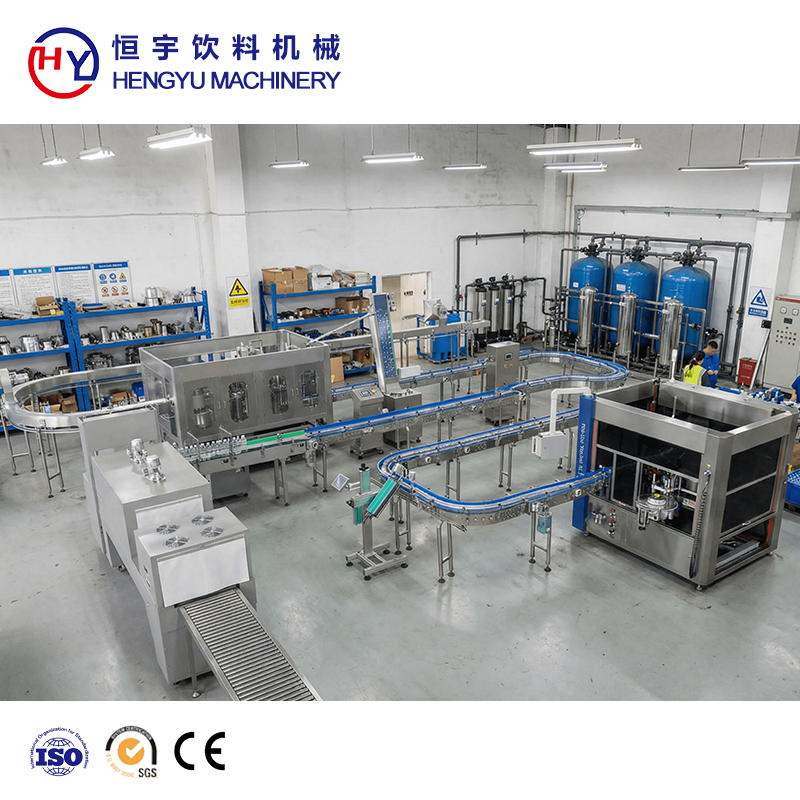
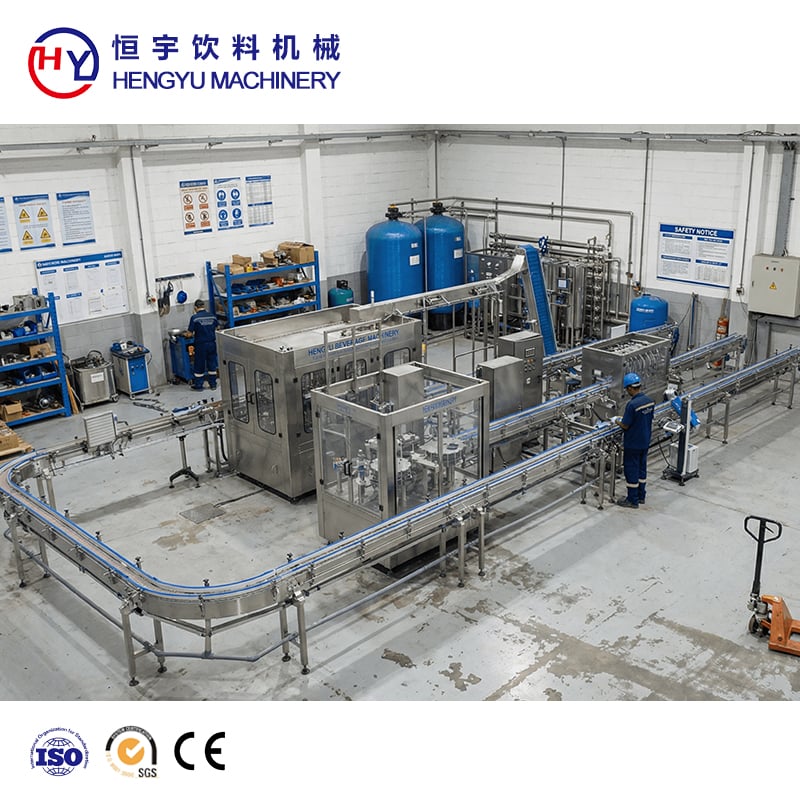
A water filling bottle machine represents an essential piece of equipment in the beverage production industry, designed to automate the process of filling bottles with purified water, mineral water, or spring water. This sophisticated machinery streamlines the entire bottling operation, from rinsing empty containers to filling them with precise water volumes and sealing them securely. Modern water filling bottle machines incorporate advanced technology that ensures consistent product quality while maintaining high production speeds. The equipment typically consists of several integrated components including bottle feeding systems, rinsing stations, filling nozzles, capping mechanisms, and labeling units. These machines can handle various bottle sizes and materials, ranging from small PET bottles to large capacity containers, making them versatile solutions for businesses of different scales. The primary function of a water filling bottle machine involves receiving empty bottles through a conveyor system, cleaning them thoroughly to remove any contaminants, filling them with the exact amount of water required, and then securing caps to prevent contamination and spillage. Advanced models feature touch-screen control panels that allow operators to monitor production parameters, adjust filling speeds, and quickly switch between different bottle formats. The technological features embedded in these machines include precision flow meters that guarantee accurate filling volumes, sanitary stainless steel construction that meets food safety standards, and automated quality control systems that detect and reject defective bottles. Many contemporary water filling bottle machines employ servo motor technology for enhanced precision and reduced energy consumption. These systems find applications across multiple sectors including commercial bottled water production facilities, beverage manufacturing plants, pharmaceutical companies producing sterile water solutions, and even smaller enterprises looking to establish their bottled water brands. The scalability of water filling bottle machines makes them suitable for operations producing anywhere from hundreds to thousands of bottles per hour, accommodating both startup ventures and established corporations seeking to expand their production capabilities.

New Product Recommendations

Investing in a water filling bottle machine delivers numerous practical benefits that directly impact your business operations and profitability. First and foremost, automation significantly reduces labor costs by minimizing the number of workers required for the bottling process. Instead of employing multiple staff members to manually fill, cap, and label bottles, a single operator can oversee the entire automated system, freeing up human resources for other value-adding activities. The precision offered by these machines eliminates product waste by ensuring each bottle receives the exact amount of water specified, preventing both underfilling that disappoints customers and overfilling that cuts into profit margins. This accuracy translates to thousands of dollars saved annually in a medium-sized operation. The speed advantage cannot be overstated, as water filling bottle machines can process hundreds or even thousands of bottles per hour depending on the model, a feat impossible to achieve through manual methods. This increased throughput allows businesses to meet larger orders, expand into new markets, and respond quickly to seasonal demand spikes without compromising quality. Hygiene standards receive a substantial boost because automated systems minimize human contact with the product, reducing contamination risks that could lead to product recalls, reputation damage, and regulatory penalties. The machines feature sanitary designs with easy-to-clean surfaces and enclosed filling zones that protect water from airborne contaminants. Consistency in product presentation becomes guaranteed, as every bottle gets filled to the same level, capped with identical torque, and labeled in the exact same position, creating a professional appearance that builds consumer trust and brand recognition on store shelves. Flexibility represents another major advantage, with modern water filling bottle machines offering quick changeover capabilities that allow you to switch between different bottle sizes or water types within minutes rather than hours. This adaptability enables businesses to diversify their product lines without purchasing separate equipment for each variation. Energy efficiency has improved dramatically in recent generations of filling machines, with optimized motors and intelligent power management systems that reduce electricity consumption compared to older models. Lower energy bills contribute directly to improved profit margins while also supporting corporate sustainability goals. Maintenance requirements have been simplified through modular designs that allow technicians to quickly replace worn components without dismantling the entire machine, minimizing costly production downtime. The return on investment typically materializes within the first two years of operation for most businesses, after which the equipment continues generating value for a decade or more with proper maintenance. Quality control features built into water filling bottle machines catch defects before products leave the facility, protecting your brand reputation and reducing the costs associated with customer complaints and returns. Real-time monitoring capabilities provide valuable production data that helps managers identify bottlenecks, optimize workflows, and make informed decisions about capacity expansion.

Tips And Tricks

How to Choose a Glass Bottle Filling Machine for Beverage Production

06

Mar

How to Choose a Glass Bottle Filling Machine for Beverage Production

Match Filling Technology to Beverage Type and Sensitivity Counter-Pressure Fillers for Carbonated Beverages and Beer Carbonated drinks like soda, sparkling water and beer need careful filling techniques to keep their fizz intact while avoiding exc...
View More
Troubleshooting Can Filling Machine Production Issues

21

Mar

Troubleshooting Can Filling Machine Production Issues

Power, Control, and Electrical Faults in Can Filling Machines Machine won't power on: main supply, fuses, and emergency stop circuit checks If the can filling machine won't start at all, the first thing to do is check whether the main power supply ...
View More
Can Sealing Machine Maintenance Tips

23

Mar

Can Sealing Machine Maintenance Tips

Daily and Weekly Preventive Maintenance for Your Can Sealing Machine Essential Daily Checks: Belt Tension, Sealing Bar Alignment, and Tape Head Cleanliness Starting every shift with a quick check on belt tension makes all the difference. If belts a...
View More
Automation Technology in Can Sealing Machines

24

Mar

Automation Technology in Can Sealing Machines

How Automation Enhances Precision and Reliability in Can Sealing Machines Core Automation Components: Servo Drives, Vision Systems, and Closed-Loop Feedback in Modern Can Sealing Machines Today's can sealing equipment reaches incredible levels of p...
View More

Get a Free Quote

Our representative will contact you soon.
Email
Name
Phone/WhatsApp
Required Product
Message
0/1000

water filling bottle machine

Advanced Precision Filling Technology Ensures Perfect Product Quality

Advanced Precision Filling Technology Ensures Perfect Product Quality

The precision filling technology integrated into modern water filling bottle machines stands as one of their most valuable features, delivering consistent results that manual processes simply cannot match. At the heart of this capability lies sophisticated flow measurement systems that monitor the exact volume of water dispensed into each container. These systems utilize electronic sensors and digital controls to achieve accuracy within milliliters, ensuring regulatory compliance and customer satisfaction with every bottle produced. The filling valves employ specially designed mechanisms that prevent splashing and foaming while maintaining rapid fill speeds, a balance that protects product quality without sacrificing production efficiency. Many premium water filling bottle machines incorporate servo-driven filling pumps that adjust their operation in real-time based on feedback from sensors, compensating for variables such as bottle shape irregularities or slight fluctuations in water pressure. This intelligent adaptation means that whether you are filling the first bottle of the day or the ten-thousandth, each receives identical treatment. The level consistency achieved by these machines creates uniform product appearance on retail shelves, an important factor in consumer purchasing decisions since shoppers often perceive evenly filled bottles as indicators of quality and professionalism. Beyond visual appeal, precise filling protects your profit margins by eliminating both costly overfilling that gives away free product and underfilling that could result in regulatory violations and customer dissatisfaction. The technology also accommodates different filling methods including gravity filling for still water, pressure filling for slightly carbonated products, and vacuum filling for sensitive applications. This versatility means a single water filling bottle machine can handle multiple product types as your business evolves. The precision extends to the capping process as well, with torque-controlled cap applicators that seal each bottle with the exact force needed to prevent leaks without over-tightening and damaging threads. Temperature monitoring systems ensure water maintains optimal filling temperature throughout production runs, as temperature variations can affect fill volumes and product stability. Automated rejection systems work in tandem with the precision technology, identifying and removing any bottles that fall outside acceptable parameters before they proceed to packaging. This quality assurance happens at production speed without slowing the line, maintaining efficiency while guaranteeing only perfect products reach customers.
Robust Sanitary Design Meets Stringent Food Safety Standards

Robust Sanitary Design Meets Stringent Food Safety Standards

The sanitary design philosophy underlying quality water filling bottle machines addresses one of the most critical concerns in beverage production: maintaining absolute product purity from source to sealed bottle. These machines feature construction primarily from food-grade stainless steel, specifically 304 or 316 grades that resist corrosion, do not react with water or cleaning chemicals, and withstand repeated sanitation cycles without degrading. The smooth, polished surfaces leave no crevices where bacteria could harbor, and all product-contact components can be quickly disassembled for thorough cleaning and inspection. Many water filling bottle machines incorporate Clean-in-Place systems that circulate cleaning and sanitizing solutions through all product pathways without requiring complete disassembly, dramatically reducing downtime between production runs and ensuring consistent hygiene standards. The filling environment itself features enclosed designs that shield the filling zone from airborne contaminants present in the production facility, with some advanced models including HEPA filtration systems that provide pharmaceutical-grade air quality at the point of fill. This protection proves especially important for premium water products marketed on purity claims. The bottle rinsing station that precedes filling typically employs multiple rinse cycles using filtered water or sterile air to remove any dust, debris, or manufacturing residues from containers before they receive product. This pre-fill cleaning represents a critical control point that prevents external contaminants from entering the sealed product. Drip trays and drainage systems ensure that any water spillage during filling gets immediately channeled away from the production area, preventing pooling that could create slip hazards or bacterial growth opportunities. The no-drip filling nozzles prevent cross-contamination between bottles while also keeping the machine exterior clean and professional-looking. Sanitary design extends to the conveyor systems that transport bottles through various stations, with easy-access designs that allow cleaning crews to sanitize all surfaces regularly. Regulatory compliance with food safety standards including FDA, EU regulations, and international ISO certifications comes built into quality water filling bottle machines, giving business owners confidence that their production processes meet the strictest requirements. Documentation packages typically accompany these machines, providing materials certificates, design validation reports, and operational protocols that satisfy regulatory inspections and customer audits. For businesses pursuing organic certifications or premium market positioning, the sanitary capabilities of a water filling bottle machine form the foundation of credible quality claims that differentiate products in crowded markets.
Intelligent Automation Maximizes Operational Efficiency and Reduces Costs

Intelligent Automation Maximizes Operational Efficiency and Reduces Costs

The intelligent automation integrated throughout modern water filling bottle machines transforms them from simple mechanical equipment into sophisticated production systems that optimize every aspect of the bottling operation. Programmable logic controllers serve as the electronic brains coordinating all machine functions, executing complex sequences with perfect timing to maximize throughput while protecting product quality. Operators interact with these systems through intuitive touch-screen interfaces that display real-time production metrics including bottles filled per minute, rejection rates, efficiency percentages, and maintenance alerts. This transparency empowers supervisors to identify performance trends and address issues before they escalate into costly breakdowns. Recipe management functions allow storing different production parameters for various bottle sizes and water types, enabling changeovers with just a few screen touches rather than manual adjustments that consume time and risk setup errors. The automation extends to bottle handling, with mechanical systems that automatically orient containers correctly, space them at optimal intervals, and synchronize their movement through filling, capping, and labeling stations without human intervention. Servo motors provide the precise motion control necessary for these coordinated movements, replacing older pneumatic systems with technology that offers superior accuracy while reducing compressed air consumption and associated energy costs. Sensors positioned throughout the water filling bottle machine continuously monitor operational parameters, detecting conditions like missing bottles, improperly seated caps, or filling valve malfunctions within milliseconds and either correcting the issue automatically or stopping the machine to prevent defective products from continuing downstream. This proactive quality control catches problems at their source rather than discovering them during final inspection when entire production batches might require disposal. The automation also manages utility consumption, activating pumps, heaters, and other auxiliary equipment only when needed and adjusting their operation based on production demand. This intelligent power management can reduce energy costs by twenty to thirty percent compared to continuously running all systems at full capacity. Predictive maintenance capabilities represent another dimension of automation, with the machine monitoring component performance and alerting operators when parts approach the end of their service life. This foresight allows scheduling maintenance during planned downtime rather than experiencing unexpected failures during critical production periods. Data logging functions record comprehensive production information that supports quality management systems, providing the documentation required for certifications and the analytics needed for continuous improvement initiatives. Integration capabilities allow water filling bottle machines to connect with broader factory automation systems, enterprise resource planning software, and remote monitoring platforms that enable equipment manufacturers to provide technical support without on-site visits.