Intelligent Automation and Integration Capabilities
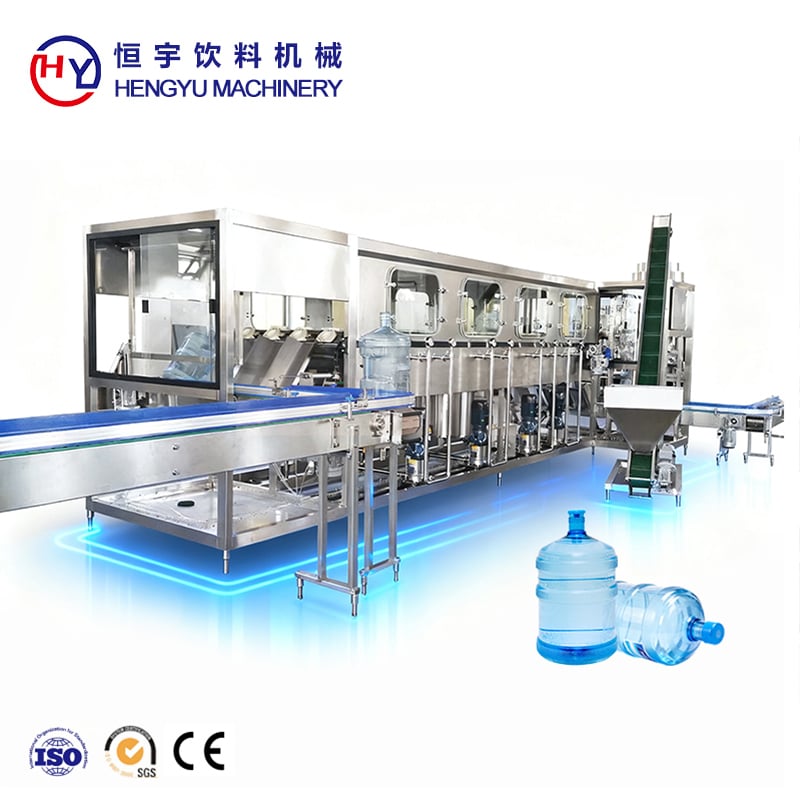
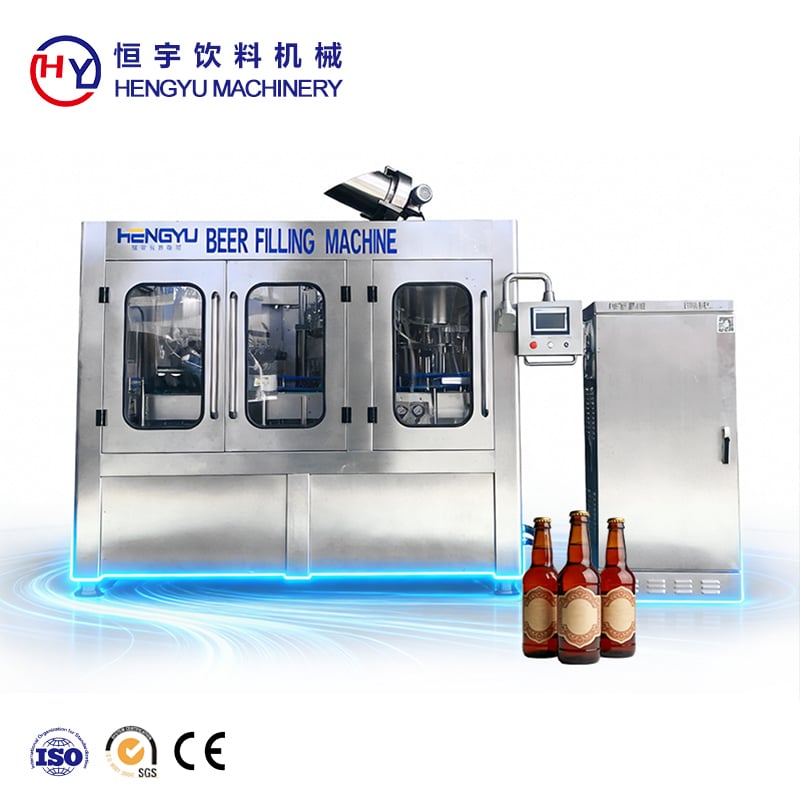
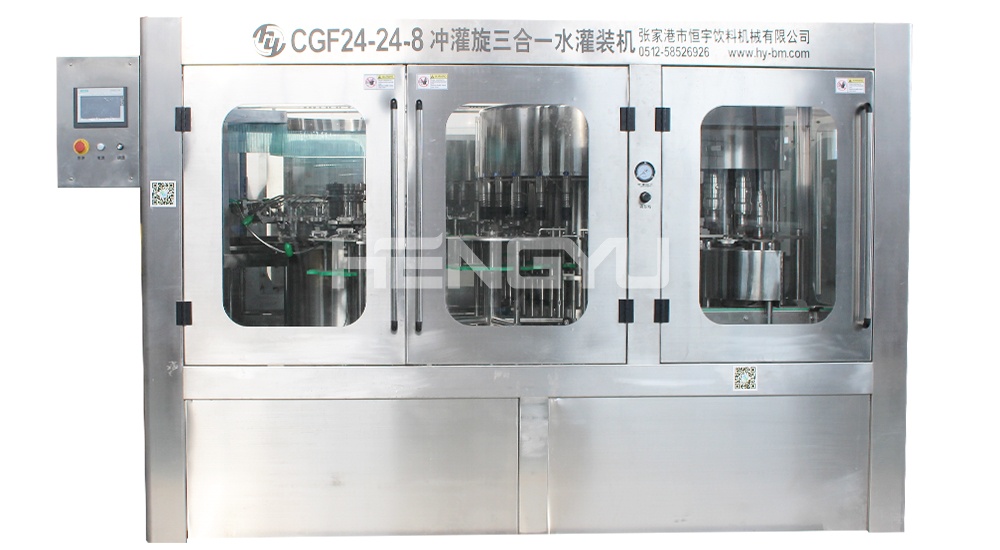
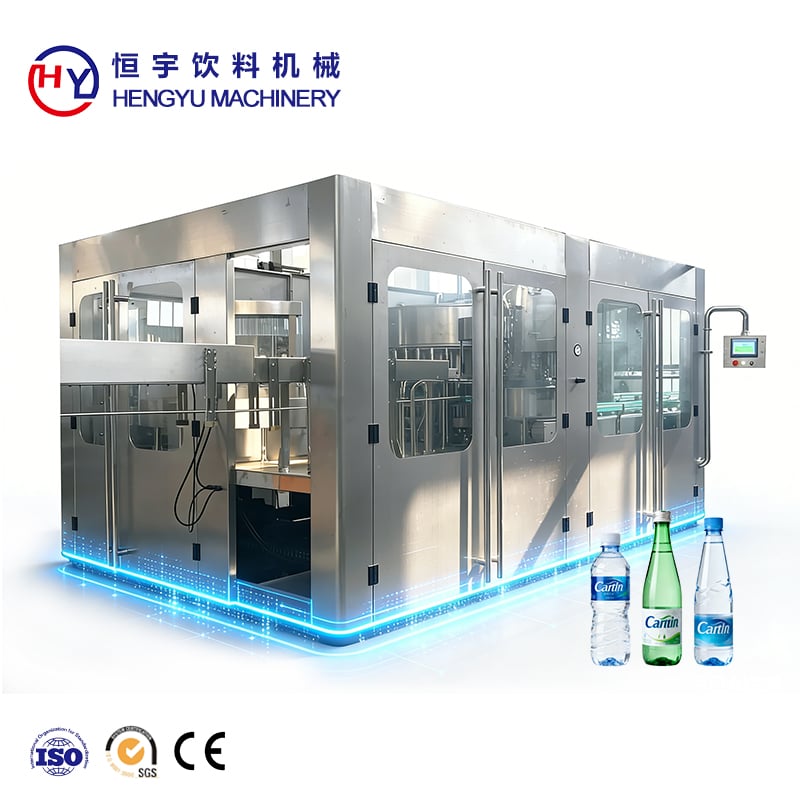
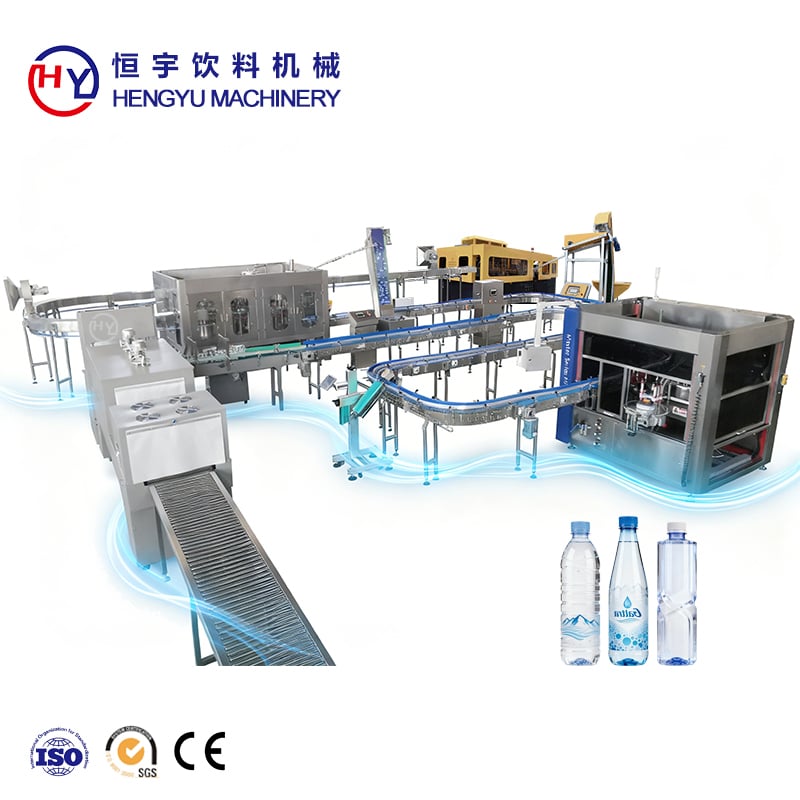
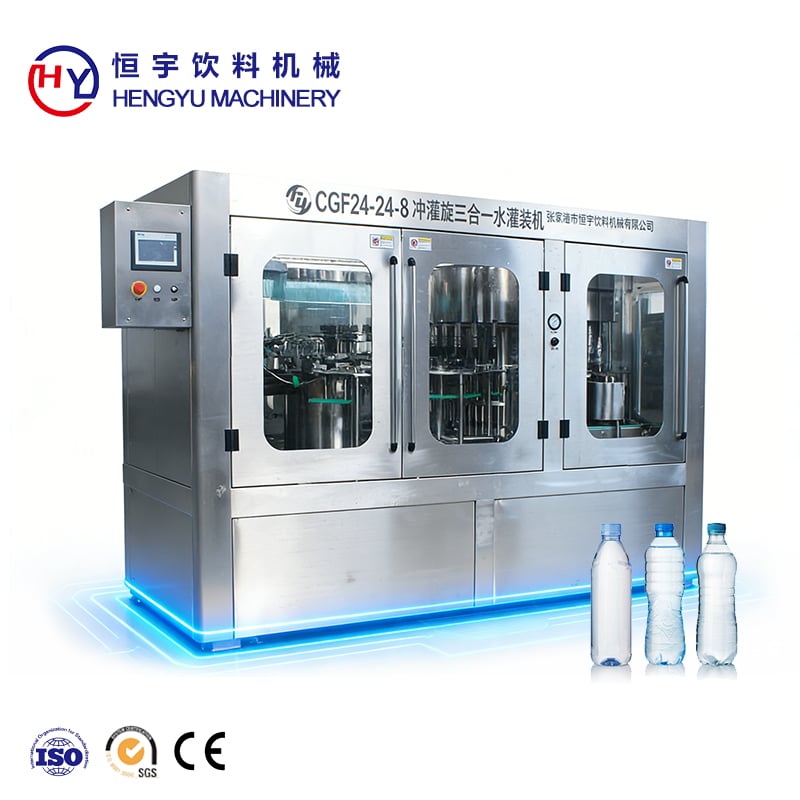
Modern manufacturing success depends on seamless system integration and intelligent automation, areas where advanced auto water bottle filler technology delivers exceptional value through sophisticated control systems and connectivity features. Contemporary auto water bottle filler equipment functions as intelligent production nodes within comprehensive manufacturing ecosystems rather than isolated standalone machines. Programmable logic controllers serve as the computational brain, executing complex operational sequences, monitoring multiple sensor inputs simultaneously, and making instantaneous adjustments that optimize performance without human intervention. These control systems interface with human operators through intuitive touchscreen displays presenting real-time production metrics including current filling rates, bottles processed, efficiency percentages, and upcoming maintenance requirements. Operators access extensive parameter customization enabling fine-tuning of filling speeds, changeover procedures, quality control thresholds, and operational modes to match specific production requirements. The auto water bottle filler stores comprehensive production data internally while transmitting information to centralized manufacturing execution systems that aggregate facility-wide performance analytics. This connectivity enables production managers to monitor multiple filling lines simultaneously from remote locations, identify efficiency bottlenecks, compare shift performance, and make data-driven decisions that continuously improve overall equipment effectiveness. Predictive maintenance algorithms analyze operational patterns, component wear indicators, and historical failure data to forecast maintenance needs before breakdowns occur, transforming maintenance strategies from reactive emergency repairs to planned preventive interventions that minimize unplanned downtime. Integration capabilities extend throughout production lines where the auto water bottle filler communicates with upstream bottle handling equipment coordinating container supply rates and downstream capping machines synchronizing filling completion with closure application. This coordinated operation eliminates bottlenecks, reduces work-in-process inventory accumulation, and creates smooth continuous flow that maximizes facility throughput. Industry four-point-zero connectivity features including IoT sensors, cloud data storage, and remote diagnostic access enable equipment manufacturers to provide proactive technical support, remote troubleshooting, and performance optimization recommendations based on actual operational data rather than generic maintenance schedules. The auto water bottle filler adapts to evolving production requirements through software updates that add functionality, improve algorithms, or enhance user interfaces without requiring hardware replacement or major capital reinvestment. Artificial intelligence integration represents the emerging frontier where machine learning algorithms analyze vast production datasets identifying subtle correlations between operational parameters and quality outcomes, then automatically adjusting settings to optimize both efficiency and product consistency. These intelligent systems learn from experience, continuously refining performance as they accumulate operational history. The strategic advantages flowing from intelligent automation and integration capabilities position forward-thinking manufacturers to compete effectively in markets where operational agility, cost efficiency, and quality consistency determine competitive positioning and long-term profitability in increasingly demanding beverage industry landscapes.

 CN
CN