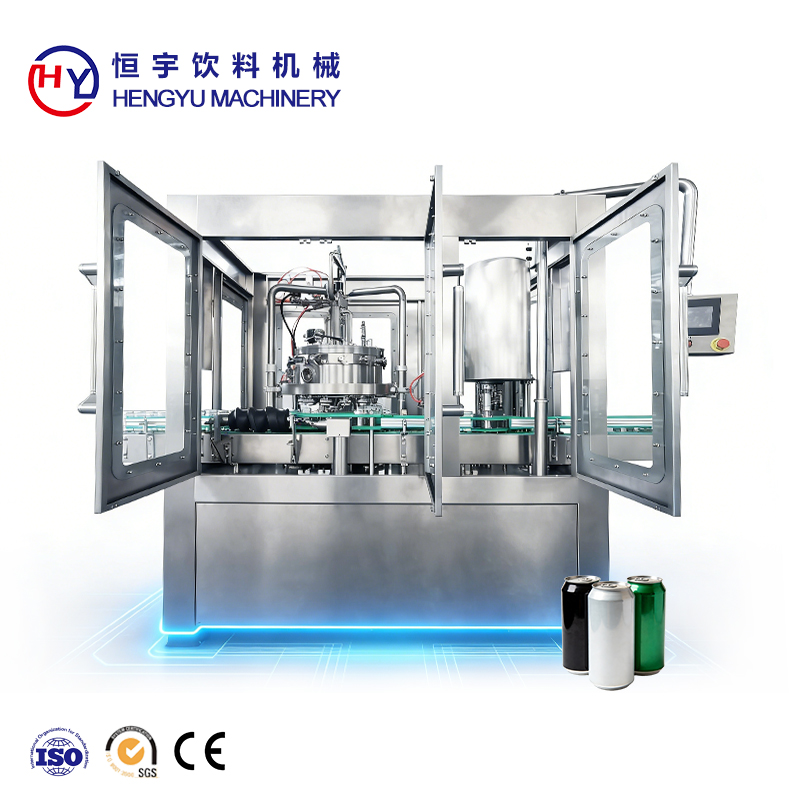
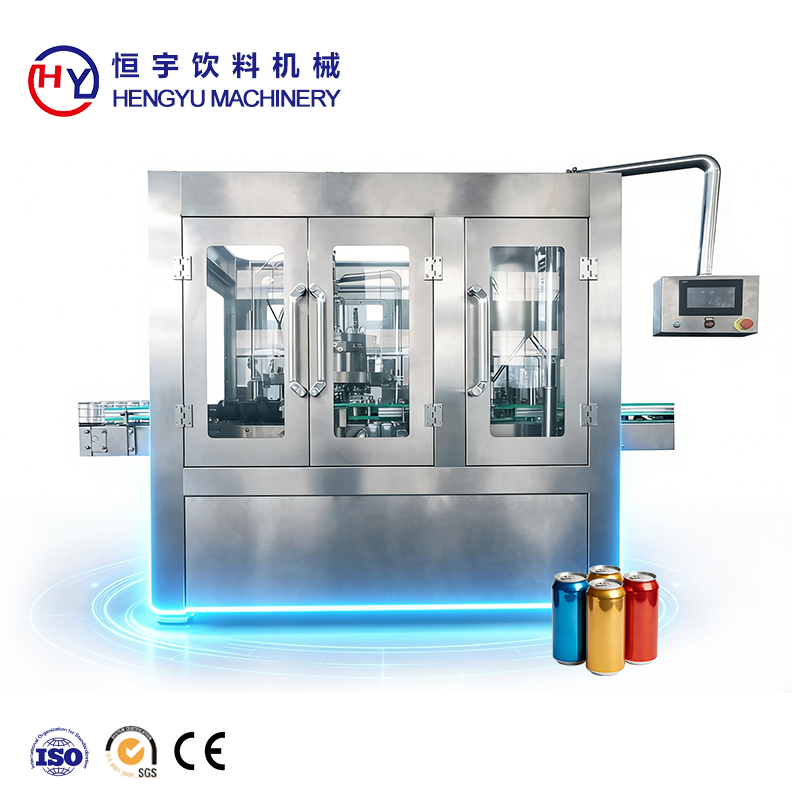
cans filling machine
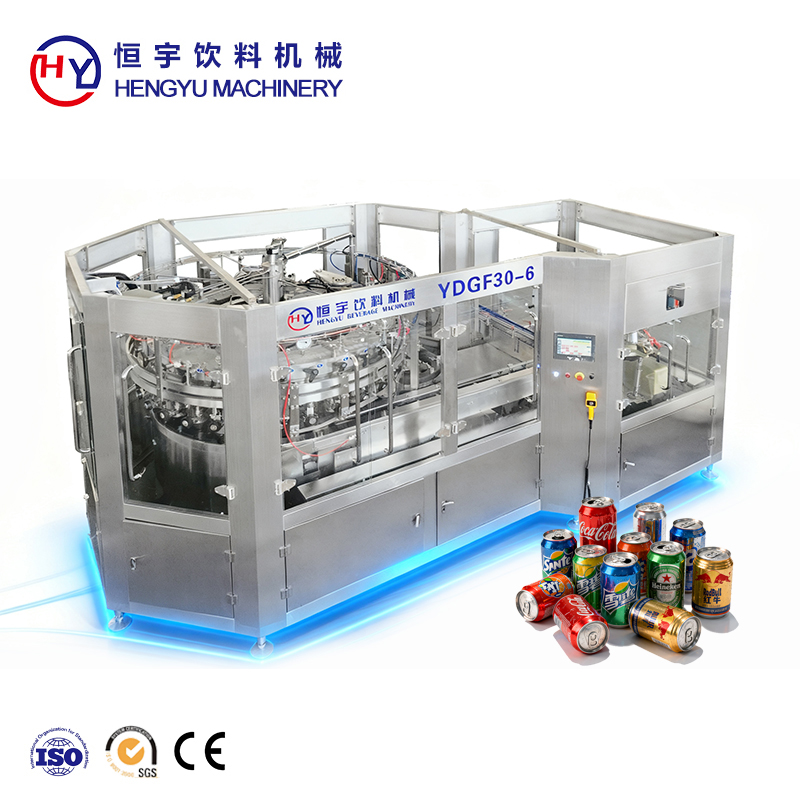
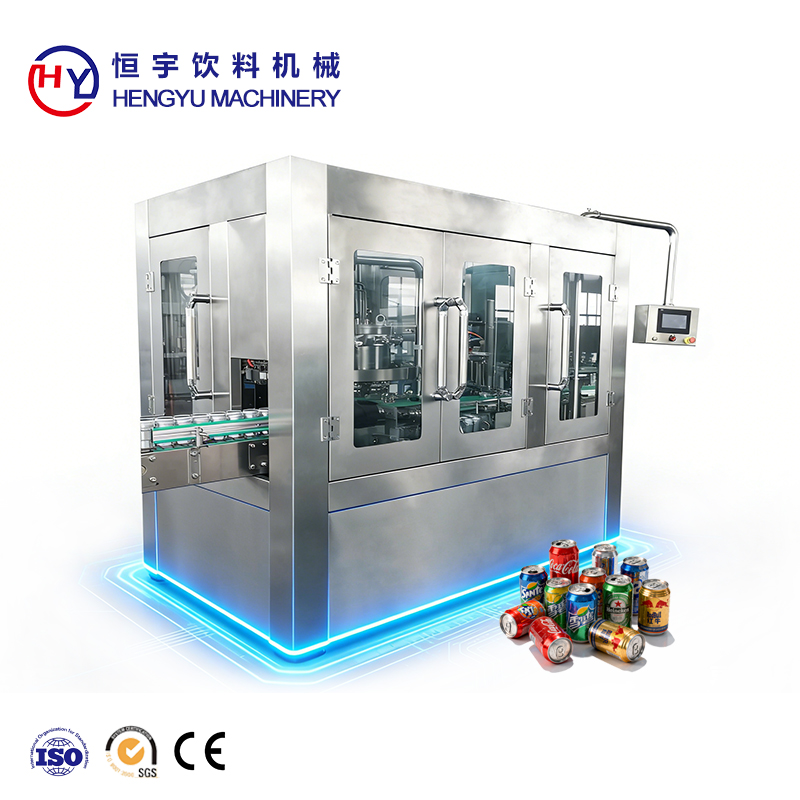
A cans filling machine represents a sophisticated automated solution designed to streamline the beverage and food packaging process across various industries. This essential equipment performs the critical task of accurately dispensing liquid products into aluminum or steel cans at high speeds while maintaining product integrity and hygiene standards. Modern cans filling machines integrate advanced control systems, precision engineering, and robust construction to deliver consistent performance in demanding production environments. The primary function revolves around receiving empty cans, filling them with predetermined volumes of product, and preparing them for the sealing stage. These machines handle diverse liquid viscosities, from carbonated soft drinks and energy beverages to juices, beers, oils, and even liquid foods. The technological framework incorporates multiple servo motors, programmable logic controllers, touch screen interfaces, and sophisticated sensors that monitor every aspect of the filling operation. Flow meters ensure exact volume delivery, while level detection systems verify proper fill heights before cans proceed downstream. The equipment typically features stainless steel construction, particularly for product contact surfaces, ensuring compliance with food safety regulations and facilitating thorough cleaning protocols. Capacity ranges vary significantly, from semi-automatic models suitable for small craft breweries producing several hundred cans per hour to fully automated industrial systems capable of filling tens of thousands of cans hourly. Integration capabilities allow seamless connection with upstream depalletizers, rinsers, and downstream seaming machines, labelers, and packaging equipment, creating complete production lines. The versatility extends to accommodating various can sizes, typically ranging from small format containers to standard beverage cans, with quick changeover features minimizing downtime between production runs. Advanced models incorporate features such as nitrogen dosing for extended shelf life, foam control systems for carbonated products, and clean-in-place capabilities that automate sanitation cycles. The operational principle generally involves either volumetric filling, where predetermined volumes are dispensed, or level filling, where sensors detect when cans reach target fill heights, ensuring consistency across thousands of units.

 CN
CN