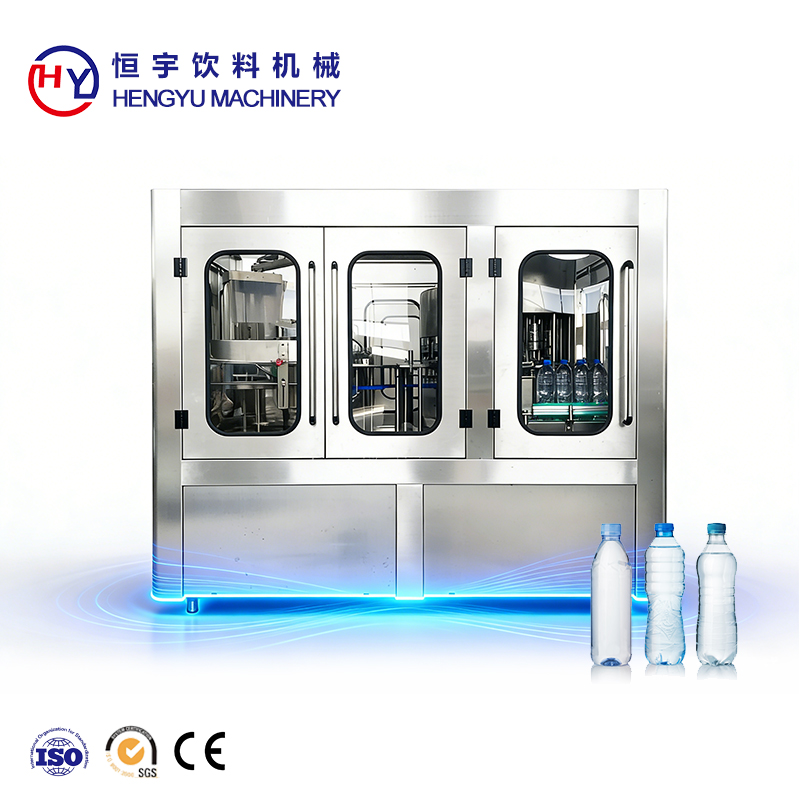
Professional Drinking Water Filling Machine Solutions - Automated Bottling Equipment for Enhanced Production Efficiency

All Categories

drinking water filling machine

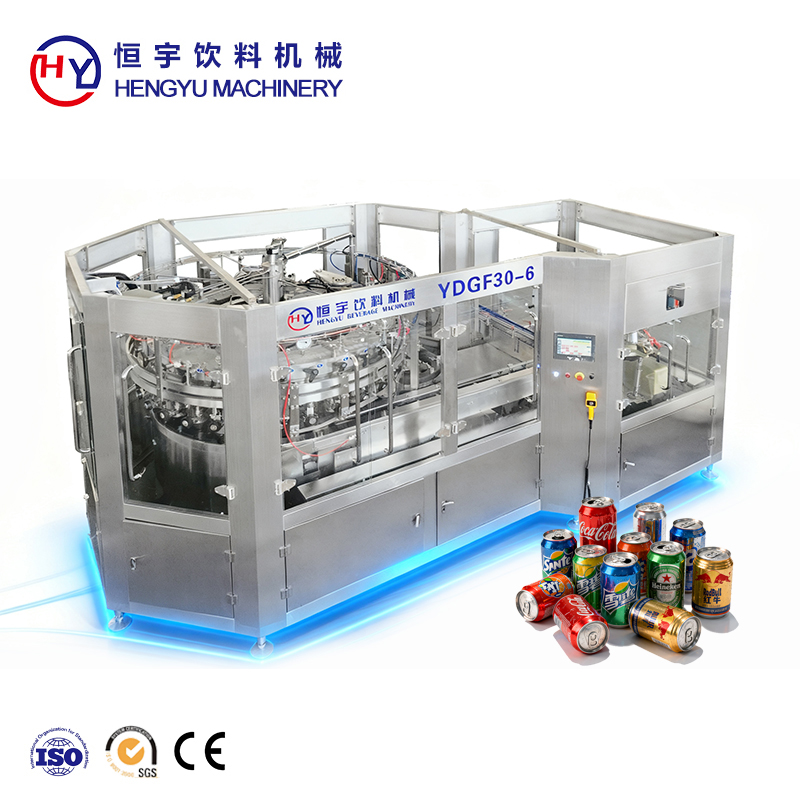
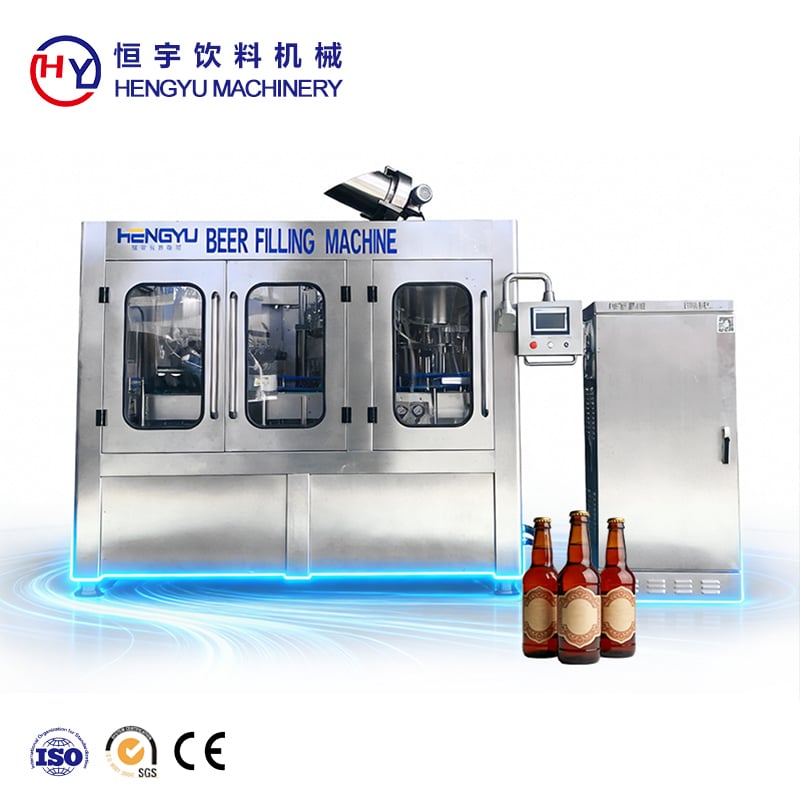
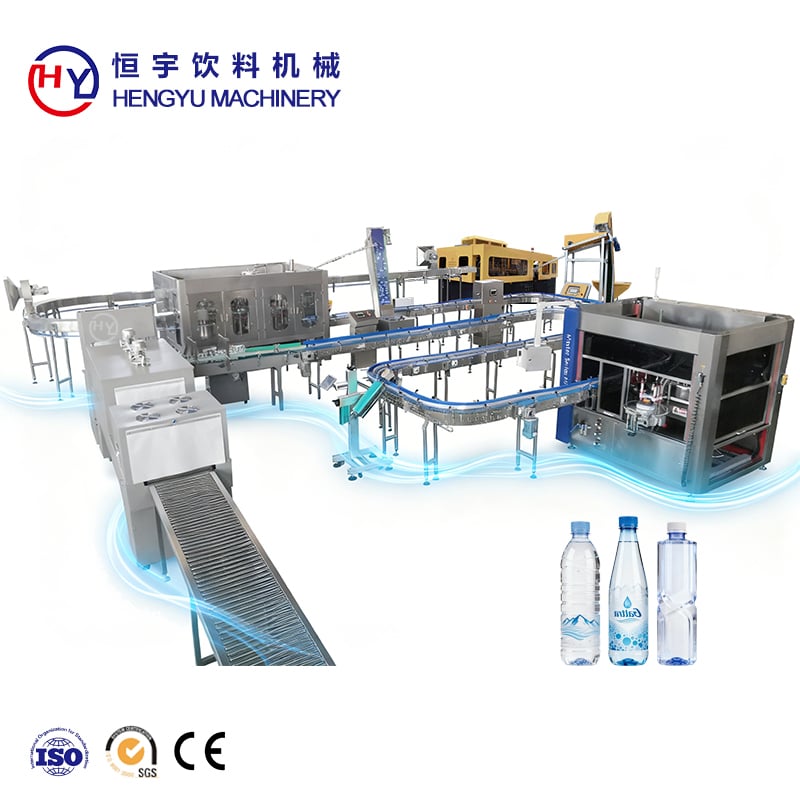
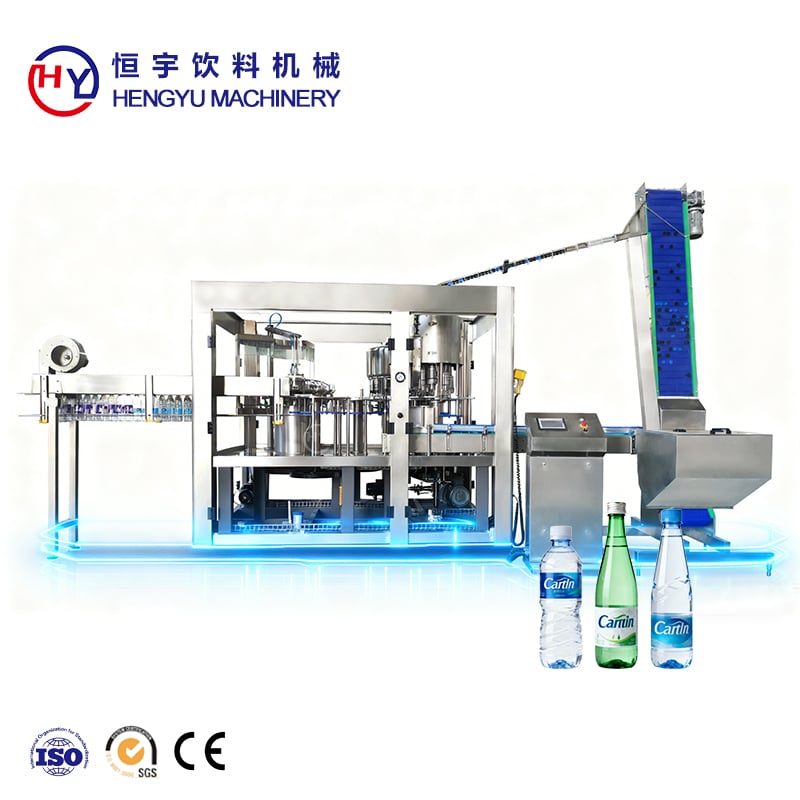
A drinking water filling machine represents an essential piece of automated equipment designed specifically for bottling purified water, mineral water, and various potable liquids into containers of different sizes and materials. This sophisticated machinery integrates multiple operational stages into one streamlined production line, including bottle rinsing, liquid filling, and cap sealing. Modern drinking water filling machines employ advanced technology to ensure hygiene standards while maintaining high-speed production capabilities that meet commercial bottling requirements. The equipment typically features stainless steel construction that complies with food safety regulations, ensuring no contamination occurs during the packaging process. These machines can accommodate various bottle types, from small personal-sized containers to large commercial jugs, making them versatile solutions for businesses of all scales. The filling technology utilizes precision measurement systems that guarantee accurate liquid volumes in each container, minimizing waste and ensuring consistency across production batches. Automated control panels allow operators to monitor and adjust parameters such as filling speed, liquid temperature, and pressure levels in real-time. Many drinking water filling machines incorporate PLC programmable logic controllers and touchscreen interfaces that simplify operation while providing diagnostic capabilities for maintenance purposes. The application scope extends across bottled water manufacturing plants, beverage production facilities, pharmaceutical companies requiring sterile water packaging, and food processing industries. Environmental considerations have led manufacturers to design energy-efficient drinking water filling machines that reduce power consumption while maintaining optimal performance levels. The modular design of contemporary systems allows businesses to expand production capacity by adding components rather than replacing entire lines. Quality assurance mechanisms built into these machines include automatic rejection systems that identify and remove improperly filled or sealed bottles before they reach distribution channels. Safety features protect both operators and products, incorporating emergency stop functions, protective guards, and alarm systems that alert personnel to operational irregularities. The investment in a drinking water filling machine delivers long-term value through reduced labor costs, improved production efficiency, and consistent product quality that strengthens brand reputation in competitive markets.

Popular Products

Investing in a drinking water filling machine transforms your production operations by delivering measurable improvements that directly impact your bottom line. The automation level these machines provide eliminates the inconsistencies associated with manual bottling, where human error can lead to overfilling, underfilling, or contamination issues that compromise product quality. Your business gains the ability to scale production output dramatically without proportionally increasing workforce size, as a single machine operated by minimal staff can process thousands of bottles per hour depending on the model specifications. The precision engineering ensures every bottle contains exactly the specified volume, which protects your profit margins by preventing product giveaway while maintaining compliance with regulatory labeling requirements. Hygiene standards reach pharmaceutical-grade levels when you implement a properly maintained drinking water filling machine, as the enclosed filling environment shields the product from airborne contaminants and the sanitary design allows for thorough cleaning between production runs. Your operational flexibility expands significantly because modern machines accommodate quick changeovers between different bottle sizes and shapes, enabling you to respond rapidly to market demands and seasonal variations without extensive downtime. Energy consumption becomes more predictable and often decreases compared to older manual or semi-automatic systems, as contemporary drinking water filling machines incorporate efficient motors, optimized mechanical components, and intelligent power management that reduces electricity costs during extended production shifts. The durability of commercial-grade construction means your equipment withstands years of continuous operation with appropriate maintenance, providing reliable service that justifies the initial capital investment through consistent daily performance. Reduced product waste occurs naturally when filling accuracy improves and breakage rates decline due to gentle bottle handling mechanisms built into quality machines. Your workforce safety improves as employees no longer perform repetitive manual tasks that cause strain injuries, and the enclosed operation protects them from splashes and spills. Quality control becomes simpler to maintain because the drinking water filling machine performs each cycle identically, creating audit trails through digital monitoring systems that document production parameters for regulatory compliance and troubleshooting purposes. Market competitiveness strengthens when you can guarantee product consistency, meet large orders reliably, and maintain attractive pricing made possible by efficient production economics. The professional appearance of uniformly filled and sealed bottles enhances consumer perception of your brand, supporting premium positioning strategies. Maintenance requirements remain manageable with proper training, as modular component design allows quick replacement of wear parts without specialized technicians for routine servicing. Return on investment typically materializes within predictable timeframes as labor savings, waste reduction, and increased production capacity generate measurable financial benefits that compound over the equipment lifespan.

Latest News

How Bottled Water Production Lines Maintain Product Safety

12

Mar

How Bottled Water Production Lines Maintain Product Safety

Regulatory Foundations and the Multi-Barrier Safety Framework FDA, EPA, and ISO Standards Specific to Bottled Water Production Lines The bottled water industry works within a pretty strict set of regulations. The FDA has these things called Good Ma...
View More
Troubleshooting Can Filling Machine Production Issues

21

Mar

Troubleshooting Can Filling Machine Production Issues

Power, Control, and Electrical Faults in Can Filling Machines Machine won't power on: main supply, fuses, and emergency stop circuit checks If the can filling machine won't start at all, the first thing to do is check whether the main power supply ...
View More
Can Sealing Machine Maintenance Tips

23

Mar

Can Sealing Machine Maintenance Tips

Daily and Weekly Preventive Maintenance for Your Can Sealing Machine Essential Daily Checks: Belt Tension, Sealing Bar Alignment, and Tape Head Cleanliness Starting every shift with a quick check on belt tension makes all the difference. If belts a...
View More
Automation Technology in Can Sealing Machines

24

Mar

Automation Technology in Can Sealing Machines

How Automation Enhances Precision and Reliability in Can Sealing Machines Core Automation Components: Servo Drives, Vision Systems, and Closed-Loop Feedback in Modern Can Sealing Machines Today's can sealing equipment reaches incredible levels of p...
View More

Get a Free Quote

Our representative will contact you soon.
Email
Name
Phone/WhatsApp
Required Product
Message
0/1000

drinking water filling machine

Advanced Automated Precision Filling Technology

Advanced Automated Precision Filling Technology

The technological foundation of a superior drinking water filling machine centers on its automated precision filling system that guarantees accuracy within milliliter tolerances across thousands of consecutive bottles. This capability stems from sophisticated volumetric or gravimetric measurement mechanisms that continuously monitor and adjust liquid flow in real-time, compensating for variables such as supply pressure fluctuations, temperature changes, and bottle dimensional variations. Volumetric filling systems employ piston-driven chambers or time-pressure combinations calibrated to dispense exact predetermined quantities, while gravimetric systems use load cells that weigh each bottle during filling and stop precisely when target weight is achieved. The importance of this precision extends beyond mere regulatory compliance, fundamentally affecting your profitability through elimination of overfill waste that accumulates substantially over high-volume production runs. Consider that even a five-milliliter overfill on a 500-milliliter bottle represents a one percent product loss, which translates to significant financial impact when multiplied across millions of units annually. The drinking water filling machine addresses this through servo-driven valve controls that open and close with millisecond accuracy, programmable flow rates that account for liquid characteristics like viscosity and foaming tendency, and self-calibrating sensors that maintain accuracy without constant manual intervention. The value proposition strengthens further when you factor in consistency as a quality attribute that consumers notice, as uniform fill levels create professional shelf presentation and prevent customer complaints about short-fills that damage brand reputation. Advanced systems incorporate multi-stage filling processes where an initial rapid fill brings the liquid to near-target volume quickly, then a slower topping-off phase achieves final precision without splashing or foam generation that would compromise accuracy. Temperature control integration ensures the liquid maintains optimal viscosity during filling, as water density changes with temperature affect volumetric accuracy if not compensated. The automated nature means operators simply input target volumes through intuitive touchscreen interfaces, and the drinking water filling machine executes repeatedly without degradation in performance throughout shifts. Diagnostic capabilities alert maintenance personnel before minor calibration drift becomes problematic, supporting preventive maintenance schedules that maximize uptime. This technological sophistication translates into practical benefits including reduced product costs through waste elimination, enhanced quality consistency that supports premium branding, and operational simplicity that reduces training requirements for production staff.
Comprehensive Sanitary Design and Hygiene Assurance

Comprehensive Sanitary Design and Hygiene Assurance

The sanitary engineering incorporated into a professional-grade drinking water filling machine provides the critical foundation for producing safe, contaminant-free products that meet stringent health regulations while protecting your brand from costly recalls or reputation damage. This comprehensive approach to hygiene begins with material selection, as all product-contact surfaces utilize food-grade stainless steel alloys, typically 304 or 316 variants, that resist corrosion, inhibit bacterial growth, and withstand repeated exposure to cleaning chemicals and high-temperature sanitization procedures. The surface finish quality matters tremendously, with electropolished or mechanically polished finishes achieving smooth, non-porous characteristics that prevent microscopic crevices where bacteria might harbor between cleaning cycles. Design philosophy emphasizes eliminating dead spaces, sharp corners, and horizontal surfaces where liquid could pool and become stagnant, instead incorporating sloped surfaces, rounded transitions, and complete drainability that ensures cleaning solutions and rinse water flow away completely. The enclosed filling environment that characterizes modern drinking water filling machines shields the fill zone from ambient air contamination, often incorporating positive pressure systems with HEPA-filtered air that creates a protective barrier preventing external particulates from entering the critical zone where open bottles receive product. Sanitary valve designs employ diaphragm or membrane configurations that isolate the liquid pathway from mechanical actuator components, preventing lubricants or wear particles from contaminating the product stream. Quick-disconnect fittings and tool-free disassembly features enable rapid breakdown for thorough manual inspection and cleaning, supporting validation of sanitation effectiveness required by quality assurance protocols. The drinking water filling machine facilitates both cleaning-in-place systems where automated spray balls and circulation pumps deliver cleaning solutions throughout the liquid pathway without disassembly, and conventional manual cleaning procedures depending on production schedule requirements and regulatory framework applicable to your operation. Documentation capabilities built into control systems record cleaning cycles with time stamps and parameter logs that provide audit trail evidence of proper sanitation for regulatory inspections. The practical value emerges in multiple dimensions: reduced risk of product contamination protects consumers and your business from health incidents that could trigger legal liability, regulatory sanctions, or market withdrawal expenses; consistent sanitary conditions support extended product shelf life by minimizing microbial loads that could proliferate during distribution; and the professional hygiene standards enable certification achievements like HACCP, ISO 22000, or organic designations that open premium market channels. Operator safety benefits from sanitary design as well, since proper drainage and splash prevention reduce slip hazards and exposure to cleaning chemicals. The investment in a properly designed drinking water filling machine with comprehensive sanitary features pays dividends through risk mitigation, quality assurance, regulatory compliance, and market access that inferior equipment cannot provide regardless of initial cost savings.
Flexible Production Capacity with Minimal Changeover Requirements

Flexible Production Capacity with Minimal Changeover Requirements

Production flexibility represents a crucial competitive advantage that a well-engineered drinking water filling machine delivers through its ability to accommodate diverse bottle formats and production volumes with minimal downtime during transitions. This adaptability stems from intelligent mechanical design incorporating tool-free adjustment mechanisms that allow operators to modify conveyor widths, filling head heights, and capping chuck positions without specialized equipment or extensive technical knowledge. The bottle size range capability varies by machine model, but quality systems typically handle containers from 200 milliliters to 5 gallons within a single platform through simple adjustment procedures completable in minutes rather than hours required by rigid dedicated lines. Format flexibility extends beyond volume to include different bottle materials such as PET plastic, glass, and high-density polyethylene, each presenting distinct handling characteristics that the drinking water filling machine manages through adjustable gripper pressures, conveyor speeds, and transfer mechanisms that prevent damage while maintaining production flow. The economic implications prove substantial when you consider market dynamics that increasingly favor product variety, seasonal packaging variations, and rapid response to promotional opportunities or distribution channel requirements. Businesses constrained by inflexible equipment either forego these market opportunities or maintain multiple dedicated lines with corresponding capital investment and floor space consumption. The modular architecture common in contemporary drinking water filling machines allows incremental capacity expansion by adding filling heads, conveyor sections, or auxiliary equipment as your business grows, protecting initial investment while providing clear upgrade pathways. Quick changeover capability minimizes the production time lost during format transitions, preserving throughput efficiency even when running multiple SKUs daily to meet diverse order requirements. Control system programming stores recipes for different bottle formats, enabling operators to recall preset parameters instantly rather than manually adjusting each component and conducting trial runs to achieve stable operation. The drinking water filling machine thus supports lean manufacturing principles by reducing batch size constraints, as the changeover penalty becomes negligible, allowing economical production of smaller quantities that better match actual demand and reduce finished goods inventory carrying costs. Market responsiveness improves dramatically when you can introduce new package sizes or limited editions without major capital expenditure or extended engineering projects, compressing time-to-market and enabling test marketing strategies that gather consumer feedback before full-scale rollout. The practical benefits materialize in improved capacity utilization since the same equipment serves multiple products rather than sitting idle between dedicated runs, enhanced customer service through ability to accommodate special packaging requests that strengthen commercial relationships, and competitive positioning that allows you to pursue niche markets or premium segments where packaging differentiation creates value. Training requirements remain manageable despite operational flexibility because intuitive interfaces guide operators through changeover procedures with visual aids and step-by-step instructions embedded in the control system. Maintenance complexity does not increase proportionally with flexibility when the drinking water filling machine employs standardized components and modular construction, as technicians develop familiarity with core systems applicable across format configurations. This combination of mechanical adaptability, digital control sophistication, and practical operational simplicity delivers strategic value that extends far beyond the technical specifications, fundamentally enhancing your business agility in dynamic beverage markets.