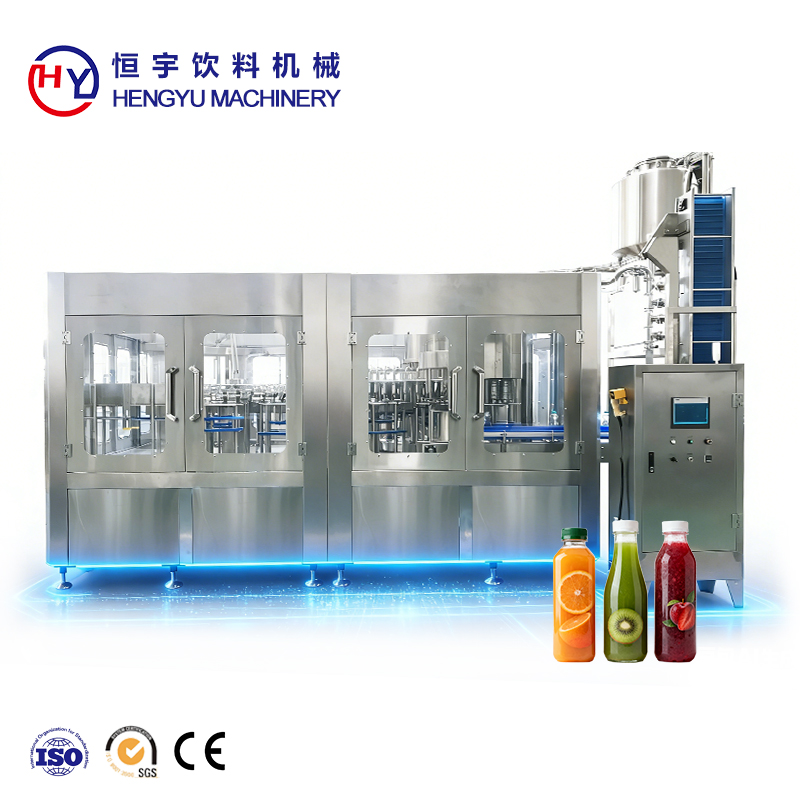
Automatic Juice Filling Machine - Advanced Beverage Packaging Solutions for Efficient Production

All Categories

automatic juice filling machine

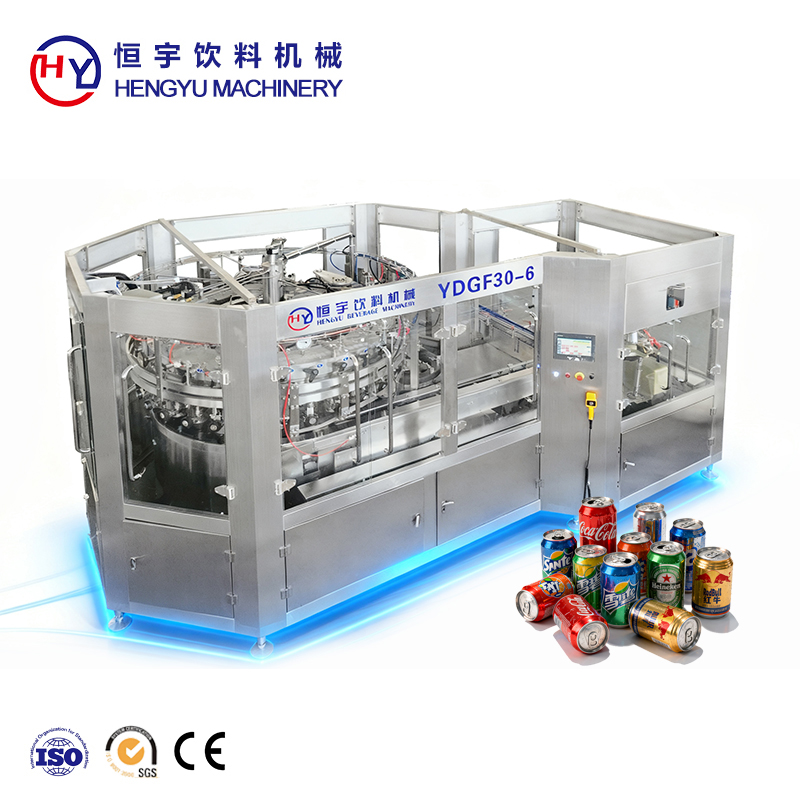
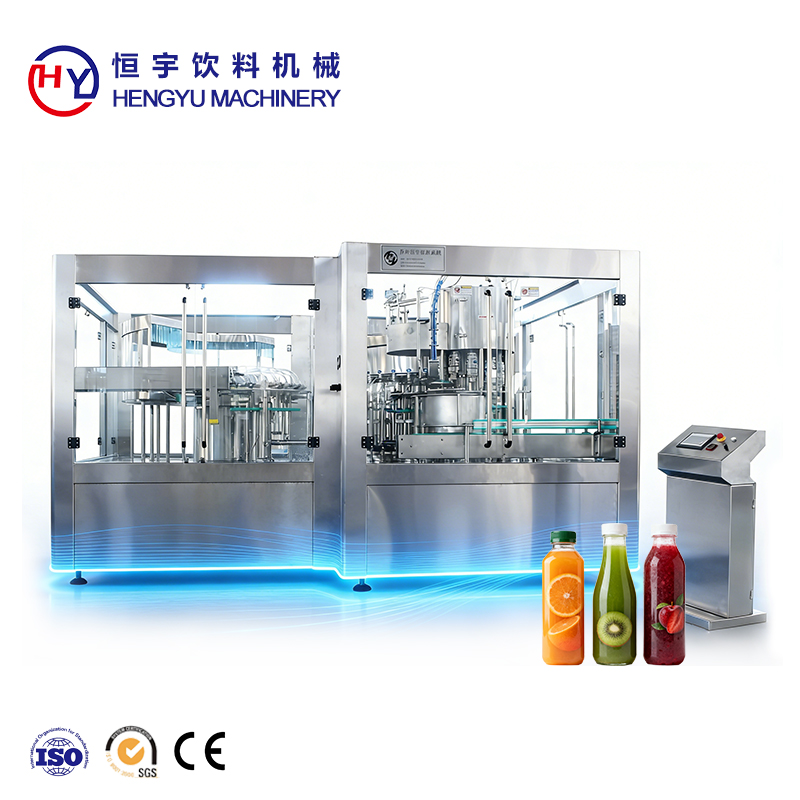
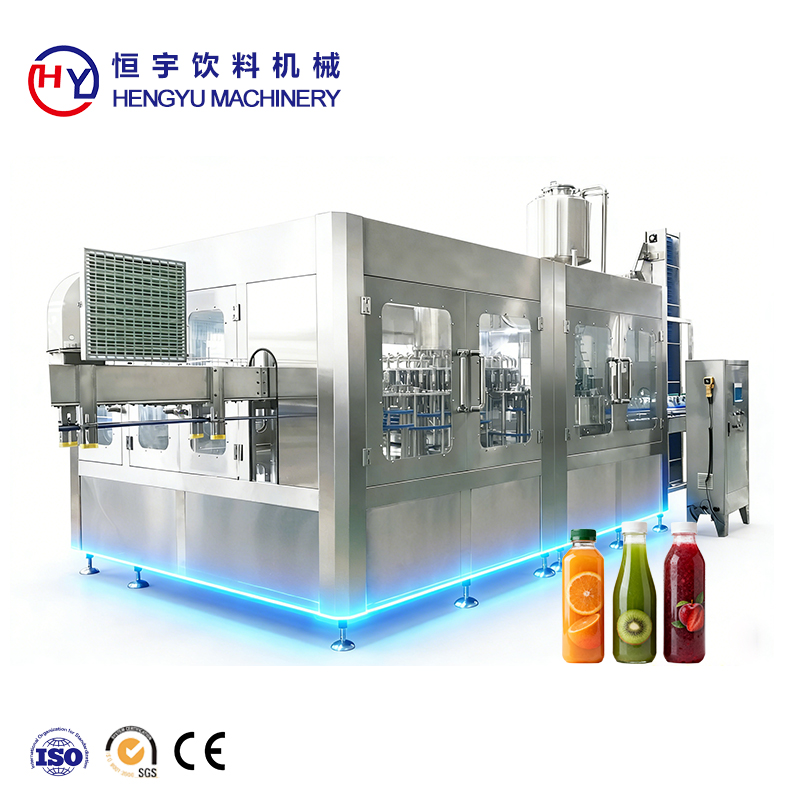
The automatic juice filling machine represents a sophisticated beverage packaging solution designed to streamline production processes in the juice manufacturing industry. This advanced equipment handles the complete filling operation from container positioning to final sealing, ensuring consistent product quality and output. Modern automatic juice filling machines incorporate precision engineering that accommodates various container sizes, ranging from small bottles to large cartons, making them versatile for different production requirements. The machine operates through a systematic process that includes bottle feeding, rinsing, filling, capping, and labeling stages, all coordinated through programmable logic controllers. The technological framework integrates servo motor systems that provide accurate volume control, ensuring each container receives the exact predetermined amount of liquid. Stainless steel construction throughout the machine guarantees hygiene standards compliance and prevents contamination, which is critical for juice products. The equipment features touch-screen interfaces that allow operators to monitor production metrics, adjust parameters, and troubleshoot issues efficiently. Automatic juice filling machines employ various filling technologies, including gravity filling for thinner juices, pressure filling for carbonated beverages, and piston filling for pulpy products. The application scope extends across small-scale juice manufacturers, medium-sized beverage companies, and large industrial production facilities. These machines handle different juice varieties such as fresh fruit juices, concentrated blends, organic products, and fortified beverages. The integration capability with existing production lines makes the automatic juice filling machine adaptable to diverse manufacturing environments. Temperature control systems maintain product integrity during the filling process, preventing degradation of nutritional content and flavor profiles. The equipment supports sustainable packaging initiatives by minimizing product waste and optimizing resource utilization throughout operations.

Popular Products

Implementing an automatic juice filling machine transforms production capabilities by dramatically increasing output speed compared to manual or semi-automatic methods. Production facilities experience significant labor cost reductions as the equipment requires minimal human intervention during operation, allowing staff to focus on quality control and supervisory tasks. The precision filling mechanism eliminates product waste by dispensing exact volumes consistently, which directly improves profit margins and reduces raw material costs. Businesses benefit from enhanced product consistency as every bottle receives identical fill levels, maintaining brand reputation and customer satisfaction. The hygienic design features minimize contamination risks, ensuring compliance with food safety regulations and reducing the likelihood of costly product recalls. Operational flexibility stands out as operators can quickly switch between different container sizes and juice products with minimal downtime, maximizing production efficiency. The automatic juice filling machine reduces physical strain on workers by eliminating repetitive manual tasks, creating a safer workplace environment. Energy efficiency improvements result from optimized operational cycles that consume less power compared to older equipment models. Quality assurance improves through integrated inspection systems that detect and reject improperly filled or sealed containers automatically. The equipment longevity provides excellent return on investment, as robust construction ensures years of reliable service with proper maintenance. Production scalability becomes achievable as businesses can increase output without proportionally increasing workforce size. The machine maintains gentle handling of products, preserving natural flavors and nutritional values that consumers demand. Real-time monitoring capabilities enable proactive maintenance scheduling, preventing unexpected breakdowns that halt production. Traceability features support regulatory compliance by documenting production batches, filling times, and operational parameters. The sealed filling environment protects juice from oxygen exposure, extending shelf life naturally without excessive preservatives. Cleaning procedures become streamlined through clean-in-place systems that sanitize equipment between production runs efficiently. Market competitiveness improves as faster production speeds enable quicker response to consumer demand fluctuations. The professional packaging quality achieved enhances product presentation on retail shelves, attracting more customers. Overall production costs decrease as the combination of speed, accuracy, and efficiency creates comprehensive operational savings that strengthen business profitability.

Latest News

Glass Bottle Filling Machine vs Plastic Bottle Filling Machine

04

Mar

Glass Bottle Filling Machine vs Plastic Bottle Filling Machine

Material Properties Dictate Core Machine Design Glass fragility and thermal mass: why glass bottle filling machines require reinforced frames, shock-dampened conveyors, and precision neck-handling grippers Working with glass bottles means going th...
View More
Increasing Capacity in Bottled Water Production Lines

09

Mar

Increasing Capacity in Bottled Water Production Lines

Diagnosing Bottlenecks in Your Bottled Water Production Line Measuring Throughput Gaps: Bottling Speed, Changeover Time, and OEE Analysis To get a handle on where production is falling short, look at three key performance indicators. Start by compa...
View More
How Can Filling Machines Improve Beverage Production Speed

24

Mar

How Can Filling Machines Improve Beverage Production Speed

Filling Machine Type Determines Maximum Throughput Potential Gravity, Isobaric, and Piston Can Filling Machines: Speed vs. Precision Trade-offs Gravity fillers work well for delicate drinks such as juice, processing around 20 to 36 bottles every mi...
View More
Can Sealing Machine Maintenance Tips

23

Mar

Can Sealing Machine Maintenance Tips

Daily and Weekly Preventive Maintenance for Your Can Sealing Machine Essential Daily Checks: Belt Tension, Sealing Bar Alignment, and Tape Head Cleanliness Starting every shift with a quick check on belt tension makes all the difference. If belts a...
View More

Get a Free Quote

Our representative will contact you soon.
Email
Name
Phone/WhatsApp
Required Product
Message
0/1000

automatic juice filling machine

Precision Volume Control Technology

Precision Volume Control Technology

The automatic juice filling machine incorporates advanced precision volume control technology that revolutionizes beverage packaging accuracy. This sophisticated system employs high-resolution sensors and servo-driven mechanisms that work in perfect synchronization to dispense exact liquid quantities into each container. The technology eliminates the common problem of underfilling, which can lead to customer dissatisfaction and regulatory non-compliance, while also preventing overfilling that wastes valuable product and reduces profitability. The control system continuously monitors flow rates and adjusts valve positions in real-time, compensating for variations in liquid viscosity, temperature fluctuations, and pressure changes that might otherwise affect filling accuracy. This intelligent responsiveness ensures consistent results regardless of environmental conditions or product characteristics. The precision extends to handling different juice types, from thin clear apple juice to thick pulpy orange varieties, without requiring extensive recalibration. Operators appreciate the user-friendly interface that allows quick adjustment of fill volumes when switching between product lines or container sizes. The automatic juice filling machine achieves accuracy levels within plus or minus one percent of target volumes, a precision standard that manual operations cannot match consistently. This reliability translates directly into cost savings as businesses eliminate the common practice of overfilling to ensure minimum volume requirements are met. Quality control becomes more manageable since inspectors can trust that each container meets specifications without extensive sampling. The technology also supports compliance with weight and measure regulations across different markets, simplifying international distribution. Consumer trust increases when customers receive consistent product quantities in every purchase, strengthening brand loyalty. The volumetric precision contributes to accurate inventory management and production planning, as manufacturers can predict exact yield from raw material inputs. Financial forecasting improves with reduced waste factors, enabling more accurate profit margin calculations and pricing strategies. The system documentation capabilities record filling data for each production batch, providing valuable traceability for quality audits and regulatory inspections.
Seamless Production Line Integration

Seamless Production Line Integration

The automatic juice filling machine excels in seamless production line integration, offering manufacturers tremendous operational flexibility and efficiency gains. This integration capability means the equipment connects effortlessly with upstream processes like juice extraction and pasteurization, as well as downstream operations including labeling, packaging, and palletizing systems. The machine communicates with other equipment through standardized industrial protocols, creating a synchronized production environment where each component operates in perfect timing with others. This coordination eliminates bottlenecks that typically occur when equipment operates at mismatched speeds or requires manual intervention for material transfer. Production managers gain centralized control over the entire line, monitoring performance metrics, identifying inefficiencies, and implementing improvements across all connected systems. The automatic juice filling machine adapts to various production line configurations, whether businesses operate linear arrangements, circular systems, or complex multi-stage processes. Installation flexibility allows placement in facilities with space constraints, as the equipment footprint optimizes floor utilization while maintaining accessibility for maintenance. The integration extends to quality control systems, where the filling machine shares data with inspection equipment that verifies cap tightness, label placement, and container integrity. This information flow enables immediate corrective actions when deviations occur, preventing defective products from reaching consumers. Scalability represents another integration advantage, as businesses can start with basic configurations and add modules as production demands grow. The modular approach protects initial investments while providing clear upgrade pathways that align with business expansion plans. Changeover procedures between different juice products become remarkably efficient through integrated recipe management systems that automatically adjust all connected equipment simultaneously. This capability significantly reduces downtime and allows profitable small-batch production alongside high-volume runs. The automatic juice filling machine integration supports lean manufacturing principles by minimizing work-in-process inventory between production stages. Material flows smoothly from one operation to the next without accumulation, reducing storage requirements and improving cash flow. Energy management systems coordinate power usage across integrated equipment, scheduling energy-intensive operations during off-peak periods to reduce utility costs. Maintenance scheduling benefits from integration as predictive monitoring systems alert technicians before component failures occur, enabling planned interventions that prevent costly production interruptions.
Advanced Sanitation and Hygiene Features

Advanced Sanitation and Hygiene Features

The automatic juice filling machine prioritizes advanced sanitation and hygiene features that meet stringent food safety standards while simplifying daily cleaning procedures. Constructed entirely from food-grade stainless steel, the equipment resists corrosion, prevents bacterial growth, and maintains surface integrity through thousands of cleaning cycles. The sanitary design eliminates crevices, dead spaces, and horizontal surfaces where product residue might accumulate, creating an environment that naturally discourages contamination. Every product contact surface undergoes special finishing processes that create smooth, non-porous textures that liquids cannot penetrate, making thorough cleaning achievable with standard procedures. The automatic juice filling machine incorporates clean-in-place systems that circulate cleaning solutions throughout the filling mechanisms without requiring disassembly. This automation transforms what was once a labor-intensive, time-consuming task into a simple, reliable process that operators initiate with single-button commands. The cleaning cycles follow programmable sequences that ensure adequate contact time between sanitizing agents and all surfaces, validated through temperature and conductivity monitoring. Rinse cycles remove chemical residues completely, preventing flavor contamination and ensuring product purity. The system documentation records each cleaning event, providing audit trails that demonstrate regulatory compliance and due diligence. Accessibility features facilitate manual inspection and verification, with key components designed for quick removal when detailed examination is necessary. Gaskets and seals utilize materials approved for food contact that withstand repeated exposure to hot water, caustic cleaners, and acidic sanitizers without degrading. The filling nozzles incorporate anti-drip technology that prevents liquid from remaining on external surfaces where it might harbor microorganisms between production runs. Air handling systems maintain positive pressure within critical zones, preventing airborne contaminants from entering product pathways. Temperature control throughout the filling process prevents conditions that promote microbial growth, keeping products within safe ranges from entry to sealed container. The automatic juice filling machine supports allergen management protocols through thorough cleaning validation that removes trace ingredients between different product runs. This capability enables facilities to safely produce multiple juice varieties without cross-contamination risks. Validation procedures include swab testing and visual inspection points that verify cleaning effectiveness before production resumes. The hygienic design extends to maintenance procedures, ensuring that routine service activities do not compromise sanitary conditions or introduce contamination vectors. Replacement parts meet identical material and surface finish specifications as original components, maintaining sanitation standards throughout equipment lifespan.