Automatic Wine Bottling Machine - Advanced Solutions for Efficient Wine Packaging and Production

All Categories

automatic wine bottling machine

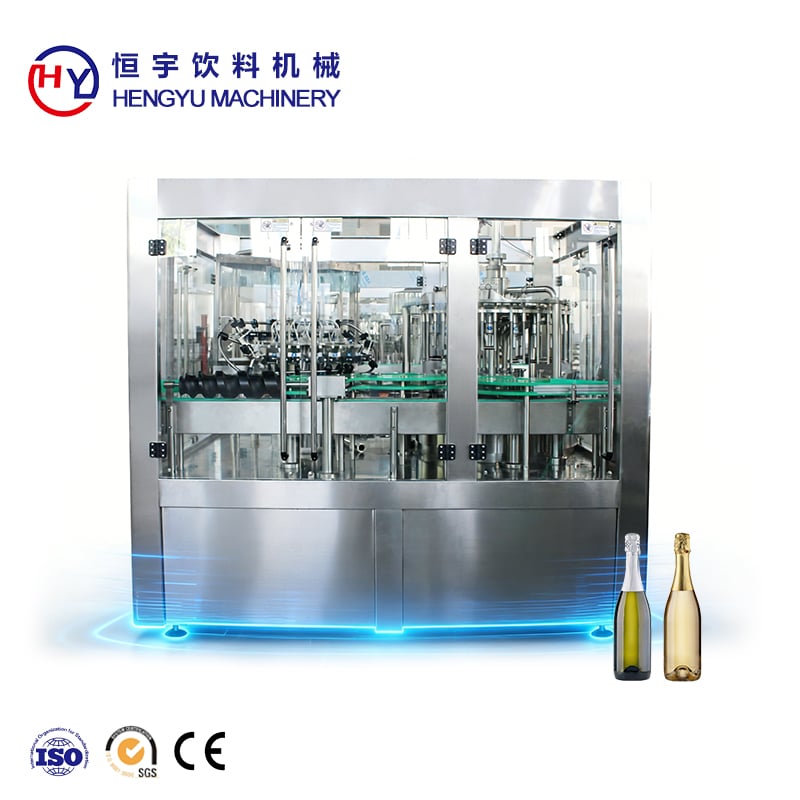
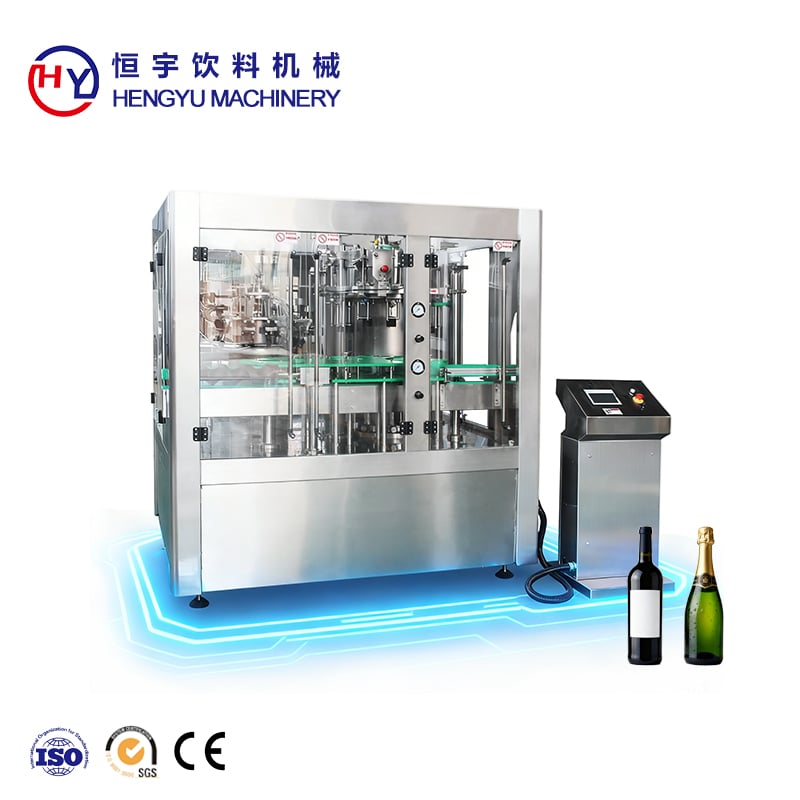
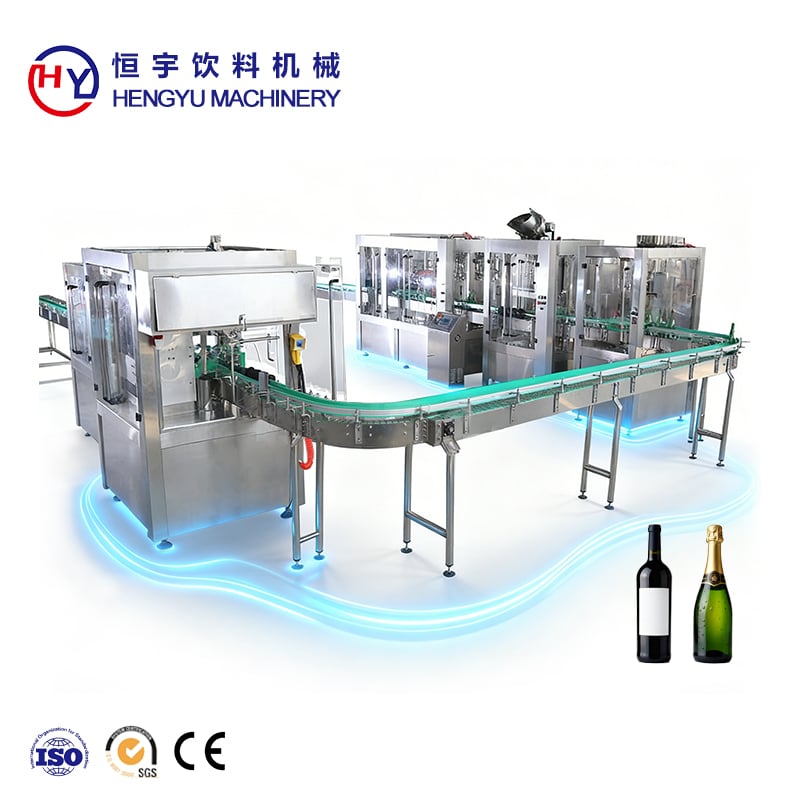
An automatic wine bottling machine represents a sophisticated packaging solution designed specifically for wineries and beverage production facilities seeking to streamline their bottling operations. This advanced equipment integrates multiple processes into a single automated system, handling everything from bottle cleaning and filling to corking and labeling with minimal human intervention. The primary functions of an automatic wine bottling machine include precise volumetric filling, consistent cork insertion, cap application, and label placement, all synchronized to maintain production flow efficiency. These machines utilize cutting-edge sensor technology to detect bottle presence, monitor fill levels, and ensure quality standards throughout the bottling process. The technological features incorporated into modern automatic wine bottling machines include programmable logic controllers that allow operators to adjust filling volumes, speed settings, and operational parameters through user-friendly touchscreen interfaces. Many systems employ servo-driven mechanisms that provide exceptional accuracy and repeatability, ensuring each bottle receives exactly the measured amount of wine without spillage or waste. The filling valves are engineered with sanitary stainless steel construction to maintain wine integrity and prevent contamination, while automated cleaning-in-place systems facilitate routine maintenance without disassembly. Applications for automatic wine bottling machines span across commercial wineries of various scales, from boutique operations producing several thousand bottles annually to large-scale facilities with daily production requirements exceeding tens of thousands of units. These systems accommodate diverse bottle types, sizes ranging from standard 375ml half-bottles to large-format 1.5-liter magnums, and various closure methods including natural cork, synthetic stoppers, screw caps, and champagne corks. The versatility of automatic wine bottling machines makes them suitable for still wines, sparkling wines, and fortified varieties, with adjustable pressure controls and specialized filling technologies addressing the unique requirements of carbonated beverages. By consolidating multiple production stages into one integrated platform, these machines significantly reduce labor costs, minimize product loss, and enhance overall production capacity while maintaining the quality standards essential for premium wine packaging.

Popular Products

Investing in an automatic wine bottling machine delivers substantial operational benefits that directly impact your bottom line and production efficiency. First and foremost, these systems dramatically increase your bottling speed compared to manual or semi-automatic methods, with many models capable of processing between 1000 to 6000 bottles per hour depending on configuration and bottle size. This acceleration means you can fulfill larger orders faster, respond quickly to market demands, and reduce the time your finished wine spends waiting for packaging. The consistency achieved through automation ensures every single bottle meets your exact specifications, eliminating the variations that naturally occur with hand-bottling operations. Your customers receive a uniform product every time, which strengthens brand reputation and reduces complaints about underfilled or overfilled bottles. Labor cost reduction represents another significant advantage, as automatic wine bottling machines require fewer operators to achieve higher output levels. Instead of maintaining a large bottling crew, you can reassign personnel to other value-adding activities like quality control, sales, or vineyard management. The precision filling technology built into these machines minimizes wine waste, ensuring you capture maximum value from every barrel or tank. Even small reductions in spillage and overfilling translate to substantial savings when calculated across thousands of bottles annually. Automatic wine bottling machines also improve workplace safety by reducing repetitive motion injuries associated with manual bottling tasks and minimizing worker exposure to heavy lifting and potentially hazardous equipment. The enclosed design of modern systems contains spills and reduces the risk of slips and falls in production areas. Flexibility stands out as another practical benefit, since most automatic wine bottling machines allow quick changeovers between different bottle formats, filling volumes, and closure types. This adaptability means you can efficiently package your entire product portfolio on a single machine rather than investing in multiple specialized systems. Quality control becomes more manageable with automated systems that incorporate inspection capabilities to detect improperly seated corks, missing labels, or fill-level discrepancies, removing defective bottles before they reach distribution channels. The data collection features available on contemporary automatic wine bottling machines provide valuable production insights, tracking output rates, downtime incidents, and maintenance requirements that inform operational improvements. Sanitation becomes simpler and more effective with automated clean-in-place systems that thoroughly sanitize all product-contact surfaces without time-consuming disassembly. This streamlined cleaning process reduces microbiological risks and helps maintain compliance with food safety regulations. The compact footprint of integrated automatic wine bottling machines optimizes facility space utilization compared to separate standalone equipment for each bottling stage. Energy efficiency has improved significantly in recent equipment generations, with advanced motors and smart controls that reduce power consumption during operation. Finally, the professional appearance and consistent presentation achieved through automated bottling enhances your product's shelf appeal, potentially commanding premium pricing and improving competitive positioning in crowded retail environments.

Practical Tips

Glass Bottle Filling Machine vs Plastic Bottle Filling Machine

04

Mar

Glass Bottle Filling Machine vs Plastic Bottle Filling Machine

Material Properties Dictate Core Machine Design Glass fragility and thermal mass: why glass bottle filling machines require reinforced frames, shock-dampened conveyors, and precision neck-handling grippers Working with glass bottles means going th...
View More
How Bottled Water Production Lines Maintain Product Safety

12

Mar

How Bottled Water Production Lines Maintain Product Safety

Regulatory Foundations and the Multi-Barrier Safety Framework FDA, EPA, and ISO Standards Specific to Bottled Water Production Lines The bottled water industry works within a pretty strict set of regulations. The FDA has these things called Good Ma...
View More
Troubleshooting Can Filling Machine Production Issues

21

Mar

Troubleshooting Can Filling Machine Production Issues

Power, Control, and Electrical Faults in Can Filling Machines Machine won't power on: main supply, fuses, and emergency stop circuit checks If the can filling machine won't start at all, the first thing to do is check whether the main power supply ...
View More
Can Sealing Machine Maintenance Tips

23

Mar

Can Sealing Machine Maintenance Tips

Daily and Weekly Preventive Maintenance for Your Can Sealing Machine Essential Daily Checks: Belt Tension, Sealing Bar Alignment, and Tape Head Cleanliness Starting every shift with a quick check on belt tension makes all the difference. If belts a...
View More

Get a Free Quote

Our representative will contact you soon.
Email
Name
Phone/WhatsApp
Required Product
Message
0/1000

automatic wine bottling machine

Precision Filling Technology That Protects Product Quality and Maximizes Profitability

Precision Filling Technology That Protects Product Quality and Maximizes Profitability

The heart of any automatic wine bottling machine lies in its precision filling technology, which represents a critical feature that directly influences both product quality and operational profitability. Modern systems employ sophisticated volumetric or level-sensing filling methods that achieve accuracy within 1-2 milliliters, ensuring regulatory compliance while minimizing costly product giveaway. This precision matters tremendously when you consider that even a 5-milliliter overfill across 10000 bottles equals 50 liters of wine literally given away free, representing hundreds of dollars in lost revenue per production run. The filling valves in quality automatic wine bottling machines utilize gravity-fed, pressure-fed, or vacuum-assisted mechanisms depending on wine characteristics and production requirements. Gravity fillers work excellently for still wines, providing gentle handling that preserves delicate aromatics and prevents oxidation exposure. Pressure filling systems accommodate sparkling wines and carbonated beverages, maintaining CO2 saturation levels while preventing foaming during the filling process. Vacuum filling technology offers advantages for thick or viscous products, ensuring complete bottle evacuation and eliminating air pockets that could compromise shelf stability. The materials used in filling valve construction deserve special attention, as product-contact surfaces must meet stringent sanitary standards. Premium automatic wine bottling machines feature stainless steel valves with electropolished finishes that prevent bacterial adhesion and facilitate thorough cleaning between production runs. The valve design incorporates drip-prevention mechanisms that eliminate the messy residue streaks down bottle exteriors that create labeling problems and unprofessional appearances. Adjustability represents another crucial aspect of precision filling technology, with digital controls allowing operators to program exact fill volumes for different bottle sizes and wine types through intuitive touchscreen interfaces. This programmability eliminates manual adjustments and reduces changeover time when switching between products. The filling speed can be calibrated to match wine viscosity and foaming characteristics, preventing turbulence that introduces oxygen or causes spillage. Advanced automatic wine bottling machines integrate real-time monitoring systems that continuously verify fill accuracy, automatically rejecting bottles that fall outside acceptable tolerances before they proceed to subsequent packaging stages. This inline quality control protects brand integrity by ensuring only properly filled bottles reach consumers. The economic impact of precision filling extends beyond preventing product giveaway to include reduced cleaning requirements, lower risk of contamination, and decreased quality-related customer returns. When you invest in an automatic wine bottling machine with superior filling technology, you are securing a system that pays dividends through consistent performance, minimal waste, and the confidence that every bottle leaving your facility meets your exact standards.
Integrated Multi-Stage Processing That Streamlines Production and Reduces Equipment Footprint

Integrated Multi-Stage Processing That Streamlines Production and Reduces Equipment Footprint

One of the most compelling advantages of modern automatic wine bottling machines is their integrated multi-stage design that consolidates numerous production steps into a single cohesive system, fundamentally transforming bottling operations from a series of disconnected processes into a smooth, continuous workflow. Traditional bottling setups often require separate stations for bottle rinsing, filling, corking, capsule application, and labeling, each occupying valuable floor space and requiring material handling between stages that introduces delays and contamination risks. An integrated automatic wine bottling machine eliminates these inefficiencies by incorporating all essential functions within one unified platform where bottles progress seamlessly from empty containers to finished packaged products without manual intervention. The bottle infeed section typically begins the process with automated unstacking or depalletizing mechanisms that position containers onto the conveyor system at precisely timed intervals. Air rinsing or water rinsing stations follow, removing dust particles, glass fragments, and potential contaminants that accumulated during bottle manufacturing and storage. These cleaning modules use directed air jets or ionized rinse water that inverts bottles to flush debris before returning them upright for filling. The precision filling stage discussed earlier represents the core operation, followed immediately by corking or capping stations equipped with adjustable insertion heads that accommodate various closure types and bottle neck finishes. The corking mechanism applies controlled compression force that properly seats natural or synthetic corks to specified depths, ensuring adequate seal without breaking the cork or cracking bottle lips. Capsule application systems then position and heat-shrink decorative foils over the cork and bottle neck, creating a tamper-evident seal and polished appearance. Labeling modules constitute another integrated component, with options for front labels, back labels, neck labels, and even wraparound designs applied through pressure-sensitive, hot-melt glue, or cold-glue systems depending on label material and aesthetic preferences. Modern automatic wine bottling machines employ servo-controlled labeling heads that precisely position labels at consistent heights and orientations, eliminating the crooked or wrinkled applications that plague manual labeling efforts. Some advanced systems incorporate vision inspection cameras that verify label presence and positioning, automatically rejecting improperly labeled bottles before they continue downstream. The integration of all these stages within a single automatic wine bottling machine delivers remarkable space efficiency, often fitting within a footprint smaller than the combined area of individual standalone equipment pieces. This consolidation proves especially valuable for wineries operating in renovated historic buildings or leased facilities where expansion options are limited. The synchronized operation of integrated systems also optimizes production speed, as bottles flow continuously without the bottlenecks and accumulation zones that occur when coordinating separate machines with different operating speeds. Maintenance becomes more manageable with integrated designs, as operators develop familiarity with a single equipment platform rather than managing multiple machines from different manufacturers with distinct spare parts inventories and service requirements. The control system unification means one touchscreen interface governs all production parameters, simplifying operator training and reducing the likelihood of settings errors that occur when managing multiple control panels.
Robust Construction and Reliability Engineering That Ensures Long-Term Performance and Minimal Downtime

Robust Construction and Reliability Engineering That Ensures Long-Term Performance and Minimal Downtime

When evaluating automatic wine bottling machines, the engineering quality and construction standards underlying the equipment represent critical factors that separate reliable production assets from maintenance headaches that disrupt operations and inflate ownership costs. Premium manufacturers construct their automatic wine bottling machines using heavy-duty stainless steel frames that resist corrosion from wine exposure and cleaning chemicals while providing the structural rigidity necessary to maintain precise alignment of filling heads, conveyor systems, and processing stations over years of continuous operation. The material selection extends beyond aesthetics to encompass functional performance, with food-grade stainless steel alloys that comply with sanitary regulations and electropolished surfaces that facilitate thorough cleaning and prevent bacterial harboring in microscopic surface irregularities. The mechanical components within quality automatic wine bottling machines feature industrial-grade construction designed for millions of operational cycles without degradation. Conveyor chains utilize wear-resistant materials and proper lubrication systems that minimize friction and extend service intervals. Servo motors and precision gearboxes provide the controlled motion required for accurate filling, corking, and labeling operations, with sealed bearings that exclude contaminants and retain lubricants. Pneumatic cylinders and valve assemblies incorporate quality seals and corrosion-resistant plating that ensure consistent actuation forces and prevent air leaks that compromise timing and performance. The electrical control systems employ programmable logic controllers from reputable manufacturers, offering proven reliability and extensive diagnostic capabilities that facilitate rapid troubleshooting when issues arise. Reliability engineering principles guide the design of dependable automatic wine bottling machines, incorporating redundancy in critical systems, accessible maintenance points, and modular component designs that allow quick replacement of wear items without extended downtime. Manufacturers committed to long-term performance conduct extensive testing protocols during development, subjecting equipment to accelerated life cycles that identify potential failure modes before machines reach production environments. The resulting designs eliminate weak points and incorporate engineering solutions that extend mean time between failures. Operator-friendly features contribute significantly to reliability by reducing the likelihood of misuse or improper adjustments that lead to malfunctions. Clear labeling of adjustment points, intuitive control interfaces, and safety interlocks that prevent operation under improper conditions all support reliable performance. Comprehensive documentation including detailed operation manuals, maintenance schedules, and exploded-view parts diagrams empowers facility maintenance teams to perform routine service and minor repairs without extensive factory support. The availability of spare parts represents another crucial reliability factor, with quality manufacturers maintaining inventory of common wear components and offering reasonable lead times for replacement parts orders. Some suppliers provide preventive maintenance kits containing all items required for scheduled service intervals, simplifying procurement and ensuring correct replacement parts. Technical support accessibility also influences long-term reliability, as even well-engineered automatic wine bottling machines occasionally require expert assistance for optimization or troubleshooting complex issues. Manufacturers offering responsive technical support through phone consultation, remote diagnostic capabilities, and field service networks provide valuable insurance against extended downtime events. The investment in a robustly constructed automatic wine bottling machine with proven reliability delivers returns through consistent production capacity, predictable maintenance costs, and the operational confidence that comes from depending on equipment that performs day after day without unexpected failures that disrupt production schedules and compromise delivery commitments to customers and distribution partners.