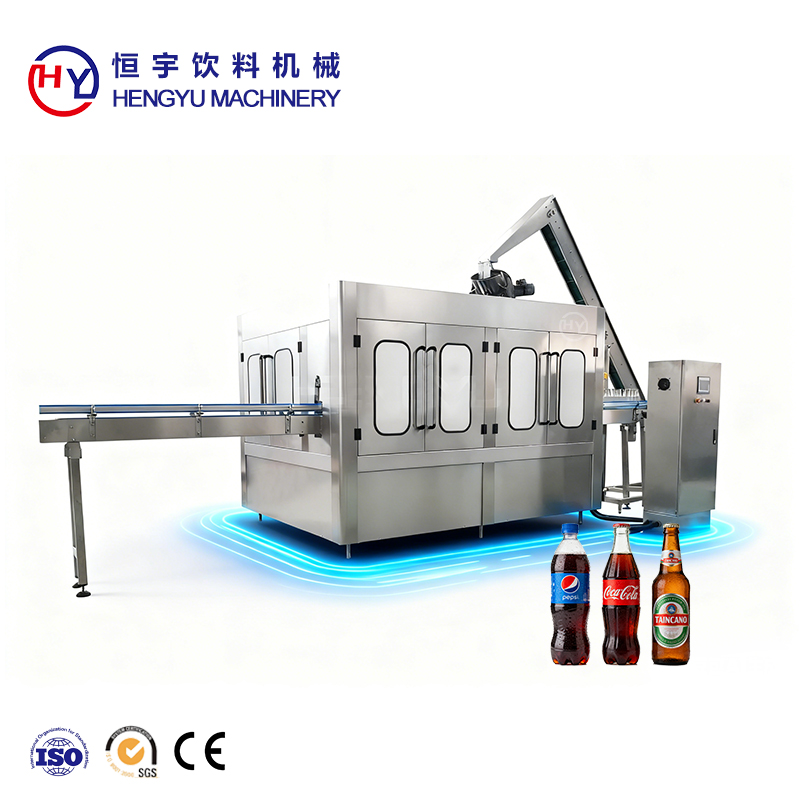
Professional Beverage Bottling Machine Solutions - Automated Filling Systems for Production Efficiency

All Categories

beverage bottling machine

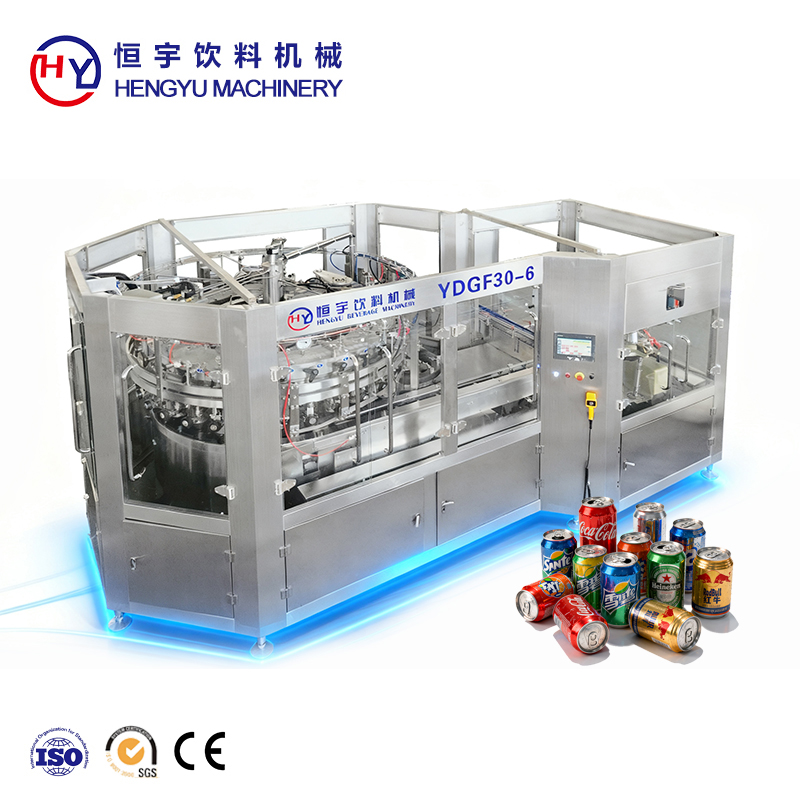
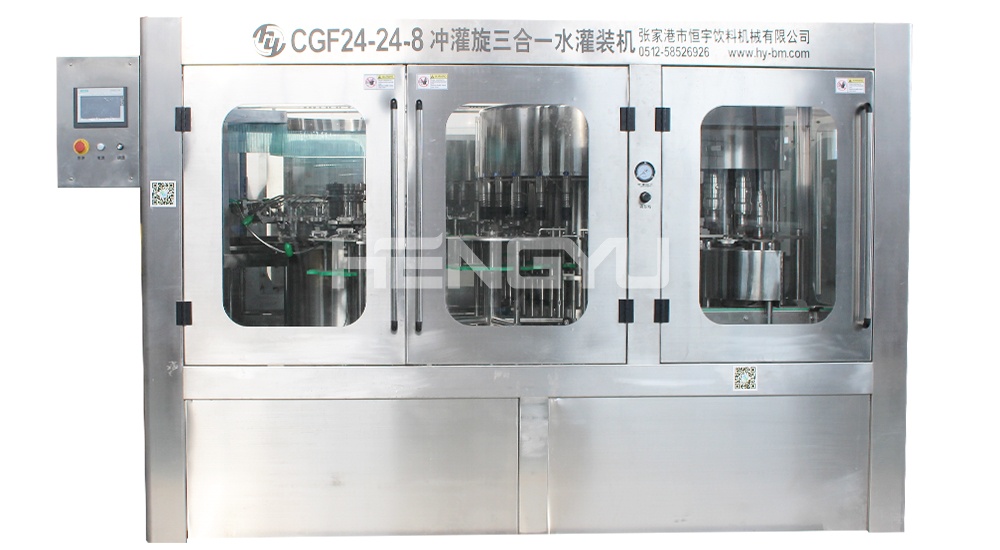
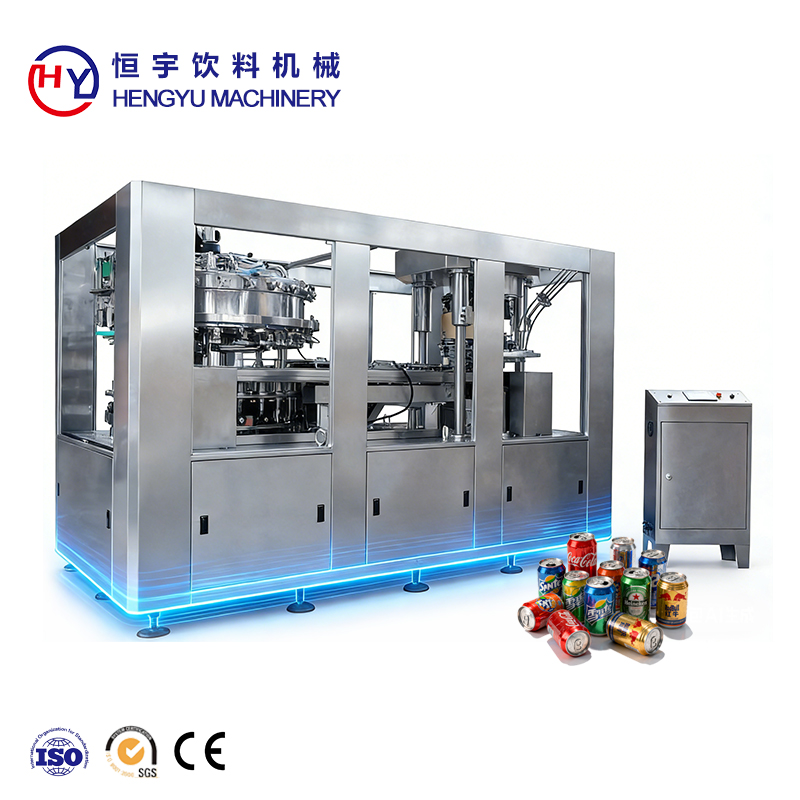
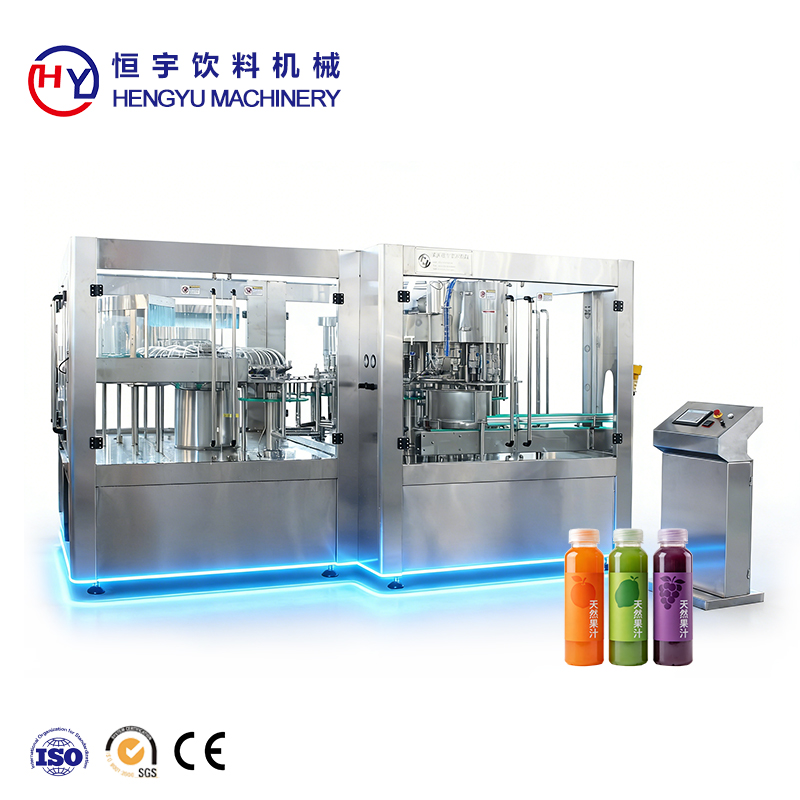
A beverage bottling machine represents sophisticated automated equipment designed to fill, seal, and package various liquid products into bottles with precision and efficiency. This essential production system serves manufacturers across the beverage industry, handling everything from water and soft drinks to juices, energy drinks, and alcoholic beverages. The beverage bottling machine integrates multiple operational stages into a streamlined process, beginning with bottle feeding, proceeding through rinsing and sanitization, advancing to precise liquid filling, moving to capping or sealing, and concluding with labeling and packaging. Modern beverage bottling machine systems incorporate advanced control panels with programmable logic controllers that allow operators to adjust filling volumes, speeds, and operational parameters according to specific product requirements. The technological architecture of a beverage bottling machine includes servo motor systems that ensure accurate positioning and movement, flow meters that guarantee consistent fill levels, and sensors that detect bottle presence and positioning. These machines accommodate diverse bottle materials including glass, PET plastic, and HDPE containers in various shapes and sizes, making them versatile solutions for different production needs. The automation level of a beverage bottling machine significantly reduces manual labor requirements while maximizing output consistency and quality control. Hygienic design principles govern the construction of these systems, featuring stainless steel contact surfaces that meet food safety standards and enable thorough cleaning between production runs. Capacity options for beverage bottling machine equipment range from small-scale operations processing hundreds of bottles per hour to industrial systems capable of handling tens of thousands of units hourly. Integration capabilities allow these machines to connect with upstream processes like mixing and pasteurization, as well as downstream operations including case packing and palletizing, creating comprehensive production lines that transform raw ingredients into finished retail-ready products efficiently and reliably.

Popular Products

Investing in a beverage bottling machine delivers substantial operational improvements that directly impact your production capabilities and bottom-line results. First and foremost, these systems dramatically increase your production speed compared to manual or semi-automated processes, allowing you to fulfill larger orders and meet growing market demand without proportionally expanding your workforce. The consistency provided by a beverage bottling machine eliminates the variations inherent in manual operations, ensuring every bottle contains precisely the correct amount of product, which protects your brand reputation and prevents costly overfilling that wastes valuable inventory. Quality control becomes inherently better with automated systems because the beverage bottling machine maintains sterile conditions throughout the filling process, reducing contamination risks that could lead to product recalls or customer complaints. Your labor costs decrease significantly since one or two operators can supervise a beverage bottling machine that replaces a dozen manual workers, and these employees can focus on higher-value tasks like quality monitoring and process optimization rather than repetitive physical labor. The flexibility of modern beverage bottling machine technology allows you to switch between different products and bottle sizes with minimal downtime, giving you the agility to respond to seasonal demands or introduce new product lines without major equipment overhauls. Material waste reduction represents another compelling advantage, as precision filling mechanisms ensure you use exactly the right amount of product and packaging materials, eliminating the excess that occurs with less controlled methods. Safety improvements protect your workforce because automated beverage bottling machine systems handle heavy lifting and repetitive motions that cause workplace injuries, while enclosed processing areas contain spills and reduce slip hazards. Energy efficiency in contemporary beverage bottling machine designs helps control operational costs through optimized power consumption and reduced cycle times that accomplish more work with less resource expenditure. The data collection capabilities built into modern beverage bottling machine controls provide valuable production insights, tracking output rates, downtime causes, and quality metrics that inform continuous improvement initiatives. Scalability becomes straightforward because you can add additional beverage bottling machine lines as your business grows rather than completely redesigning your production approach, protecting your initial investment while supporting expansion. Finally, the professional appearance and consistent quality delivered by beverage bottling machine production enhances your market position, making your products more competitive on retail shelves and building customer confidence in your brand reliability and manufacturing standards.

Tips And Tricks

How to Choose a Glass Bottle Filling Machine for Beverage Production

06

Mar

How to Choose a Glass Bottle Filling Machine for Beverage Production

Match Filling Technology to Beverage Type and Sensitivity Counter-Pressure Fillers for Carbonated Beverages and Beer Carbonated drinks like soda, sparkling water and beer need careful filling techniques to keep their fizz intact while avoiding exc...
View More
Troubleshooting Can Filling Machine Production Issues

21

Mar

Troubleshooting Can Filling Machine Production Issues

Power, Control, and Electrical Faults in Can Filling Machines Machine won't power on: main supply, fuses, and emergency stop circuit checks If the can filling machine won't start at all, the first thing to do is check whether the main power supply ...
View More
Can Filling Machine Capacity Planning Guide

22

Mar

Can Filling Machine Capacity Planning Guide

Understanding Can Filling Machine Capacity: Theory vs. Real-World Performance Why Theoretical Capacity Rarely Matches Effective Output on Can Filling Lines When companies talk about canning speed at 100 cans per minute, they're referring to what ha...
View More
Can Sealing Machine Maintenance Tips

23

Mar

Can Sealing Machine Maintenance Tips

Daily and Weekly Preventive Maintenance for Your Can Sealing Machine Essential Daily Checks: Belt Tension, Sealing Bar Alignment, and Tape Head Cleanliness Starting every shift with a quick check on belt tension makes all the difference. If belts a...
View More

Get a Free Quote

Our representative will contact you soon.
Email
Name
Phone/WhatsApp
Required Product
Message
0/1000

beverage bottling machine

Advanced Precision Filling Technology Ensuring Perfect Product Consistency

Advanced Precision Filling Technology Ensuring Perfect Product Consistency

The core technological advantage of a modern beverage bottling machine lies in its precision filling capabilities that guarantee exact volumes in every container, creating uniformity across your entire production run. Unlike manual filling methods that depend on operator skill and attention, a beverage bottling machine employs sophisticated volumetric or gravimetric filling systems that measure liquid amounts with accuracy down to fractions of a milliliter. Volumetric filling technology uses piston fillers, time-pressure systems, or flow meter controls that dispense predetermined quantities based on displacement or flow rate measurements, while gravimetric systems incorporate load cells that weigh each bottle during filling to achieve target weights precisely. This precision matters tremendously for regulatory compliance, as beverage products must meet labeled volume declarations to satisfy consumer protection laws and avoid penalties from regulatory agencies. Beyond legal requirements, accurate filling protects your profit margins by preventing overfilling that gives away product unnecessarily, yet also ensures you never short-change customers with underfilled containers that damage brand trust and invite complaints. The beverage bottling machine achieves this consistency through servo-controlled valves that open and close at exact intervals, coupled with feedback sensors that monitor flow rates and make real-time adjustments to compensate for variables like temperature changes or viscosity differences between product batches. Modern beverage bottling machine control systems store multiple recipe programs, allowing quick changeovers between products with different filling requirements without manual recalibration, simply by selecting the appropriate preset parameters. Anti-drip nozzle designs prevent product waste and maintain clean bottle exteriors, eliminating the sticky residue that occurs with less sophisticated filling equipment and reducing the cleaning burden in your facility. The precision filling capability of a beverage bottling machine also supports quality assurance programs by providing documented proof of fill accuracy through integrated data logging that records every bottle processed, creating audit trails that demonstrate compliance and identify any anomalies requiring investigation. For carbonated beverages, specialized beverage bottling machine designs incorporate counter-pressure filling technology that pre-pressurizes bottles with carbon dioxide before introducing the liquid, preventing foam formation and CO2 loss that would result in flat products with shortened shelf life. This technological sophistication transforms filling from a variable manual process into a controlled, repeatable operation that enhances product quality, protects brand integrity, and optimizes resource utilization across your entire production operation.
Comprehensive Hygiene Systems Protecting Product Safety and Shelf Life

Comprehensive Hygiene Systems Protecting Product Safety and Shelf Life

Food safety represents a non-negotiable priority in beverage production, and a professionally designed beverage bottling machine incorporates comprehensive sanitation features that maintain sterile conditions throughout the filling process. The hygienic design philosophy governing beverage bottling machine construction begins with material selection, utilizing stainless steel grades like 304 or 316 for all product-contact surfaces because these alloys resist corrosion, prevent bacterial colonization, and withstand repeated exposure to cleaning chemicals and high-temperature sanitization procedures. Surface finish quality matters significantly, with beverage bottling machine components featuring electropolished finishes that eliminate microscopic crevices where microorganisms might hide, creating smooth surfaces that release contaminants easily during cleaning cycles. The equipment design minimizes dead spaces, sharp corners, and horizontal surfaces where liquid could pool and create microbial growth opportunities, instead incorporating sloped surfaces and drainage points that allow complete evacuation of cleaning solutions. Integrated Clean-In-Place systems represent a major convenience feature in modern beverage bottling machine designs, automatically circulating cleaning solutions and sanitizing agents through the filling circuits without requiring disassembly, saving hours of labor while ensuring more thorough and consistent sanitation than manual cleaning methods. These CIP systems follow programmed sequences that include pre-rinse cycles to remove product residues, caustic cleaning stages that eliminate organic materials, acid rinses that address mineral deposits, and final sanitization steps using hot water or chemical disinfectants approved for food contact applications. Bottle rinsing stations integrated into the beverage bottling machine clean containers immediately before filling, using air jets, water sprays, or ionized air to remove dust, debris, and any contaminants that entered during transportation and storage, providing a final safeguard against foreign material contamination. Enclosed filling zones protect the critical filling area from airborne contaminants, with some advanced beverage bottling machine systems incorporating positive air pressure with HEPA filtration that creates a clean room environment around the filling heads. The sanitary design extends to capping systems within the beverage bottling machine, ensuring closures are handled in controlled conditions and applied immediately after filling to seal products before any contamination opportunity. These comprehensive hygiene features allow beverage bottling machine operators to produce products that meet stringent safety standards, achieve extended shelf life through reduced microbial loads, and maintain the fresh taste and nutritional properties that consumers expect, ultimately protecting public health while safeguarding your brand reputation against the devastating consequences of contamination incidents.
Flexible Configuration Options Adapting to Diverse Production Requirements

Flexible Configuration Options Adapting to Diverse Production Requirements

Manufacturing success increasingly depends on operational flexibility, and modern beverage bottling machine systems deliver remarkable adaptability that accommodates changing product portfolios and market demands. Container versatility stands as a fundamental flexibility feature, with beverage bottling machine platforms designed to handle multiple bottle sizes, shapes, and materials through adjustable guides, changeable filling heads, and adaptable capping mechanisms that accommodate everything from small single-serve bottles to large multi-liter containers. Quick-changeover capabilities minimize the downtime traditionally associated with switching between different products or package formats, with modern beverage bottling machine designs incorporating tool-free adjustments and memory-stored settings that allow operators to complete format changes in minutes rather than hours. This rapid changeover capability proves especially valuable for contract packagers serving multiple clients or brands operating diverse product lines that require frequent production switches to match demand patterns and avoid excessive inventory buildup. Modular construction approaches in beverage bottling machine design allow manufacturers to start with basic configurations suited to current production volumes and product requirements, then add capability modules as business needs evolve, protecting initial capital investments while supporting growth without complete equipment replacement. Speed variability represents another critical flexibility dimension, with variable frequency drives controlling motor speeds throughout the beverage bottling machine, enabling operators to adjust production rates to match upstream and downstream process capabilities or to accommodate products with different handling characteristics. Product compatibility spans a wide range, as beverage bottling machine systems can be configured for thin liquids like water and sports drinks, moderately viscous products such as juices and teas, or thicker beverages including smoothies and protein shakes, through appropriate selection of filling technologies and nozzle designs. Temperature handling flexibility allows some beverage bottling machine configurations to fill hot products requiring hot-fill processes for preservation, cold products benefiting from chilled filling to maintain quality, or ambient temperature products in standard conditions, expanding the range of beverages you can produce on a single equipment platform. Integration flexibility enables the beverage bottling machine to connect with various upstream preparation equipment and downstream packaging systems, communicating through standard industrial protocols and coordinating speeds to maintain smooth material flow throughout your facility. Label application flexibility allows beverage bottling machine lines to accommodate different labeling methods including pressure-sensitive labels, shrink sleeves, or direct printing, matching your branding strategy and package design preferences without equipment limitations constraining your marketing vision. This comprehensive flexibility transforms a beverage bottling machine from a single-purpose production tool into a versatile manufacturing platform that adapts to evolving business requirements, market opportunities, and consumer preferences, providing the agility essential for competitive success in dynamic beverage markets while maximizing the return on your equipment investment across extended operational lifespans.