Hygienic Design and Automated Cleaning Systems
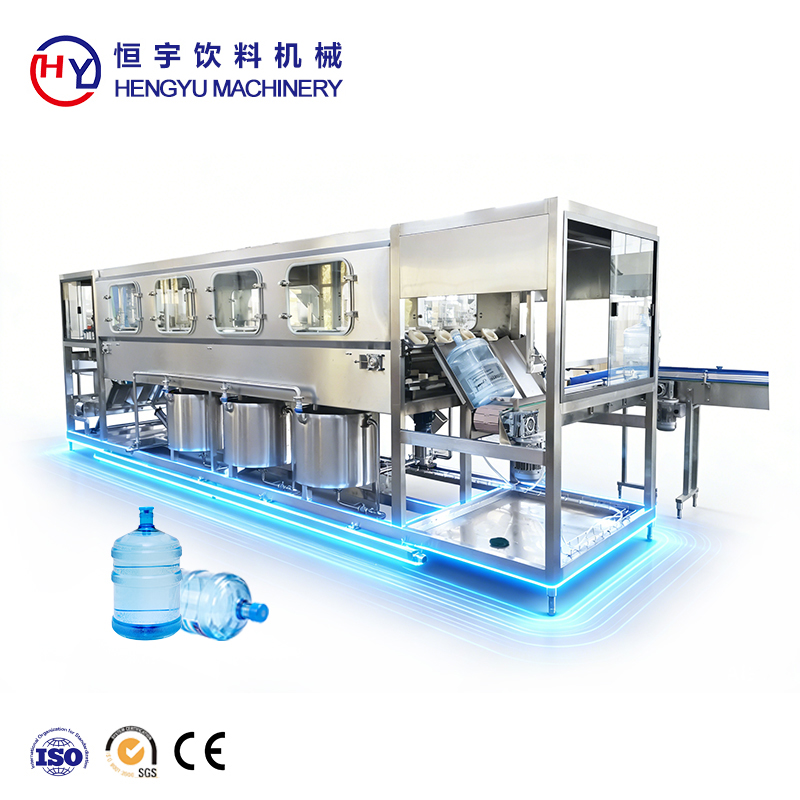
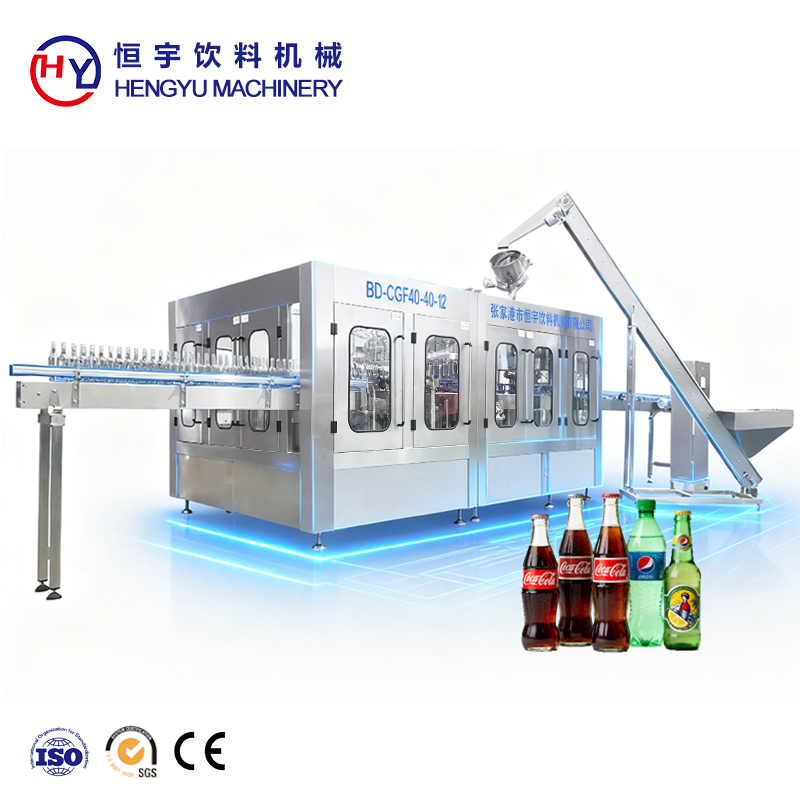
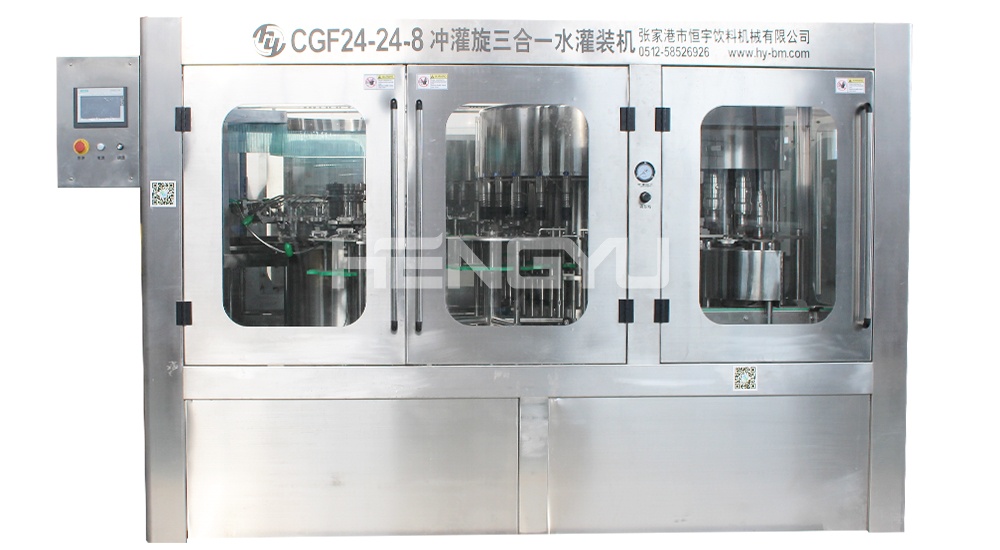
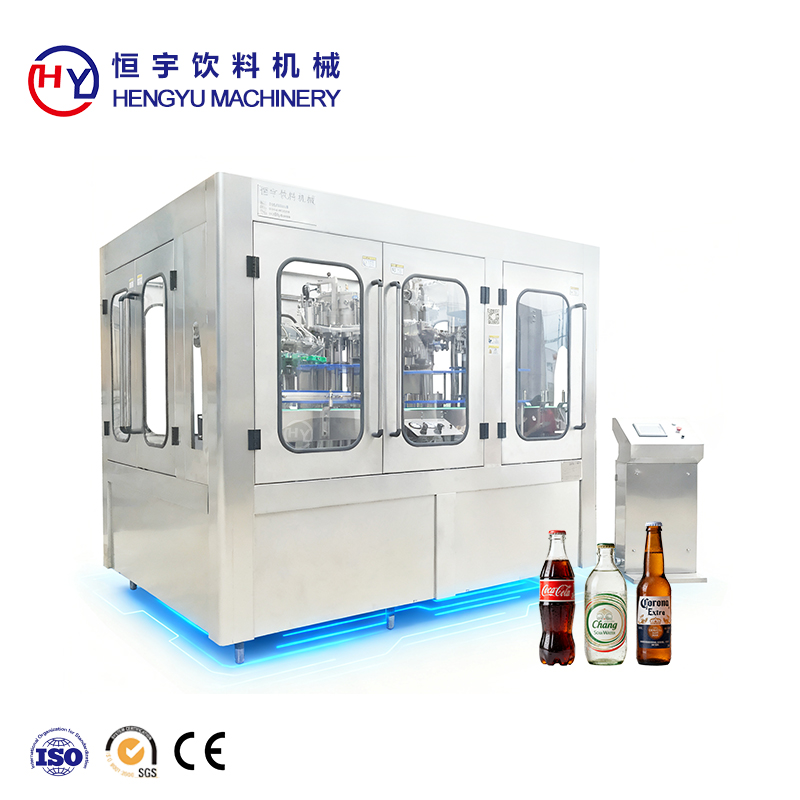
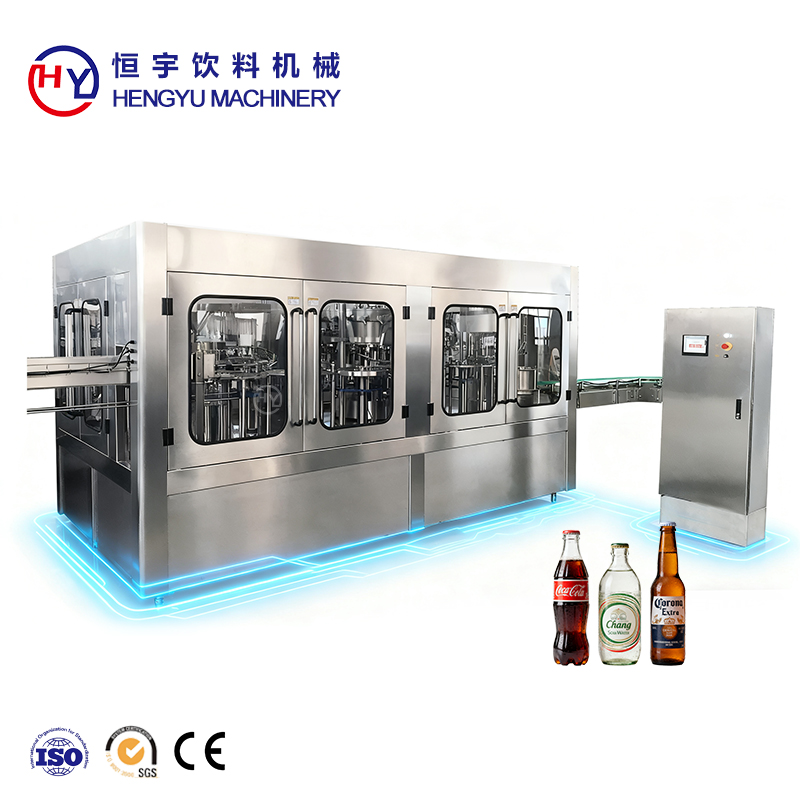
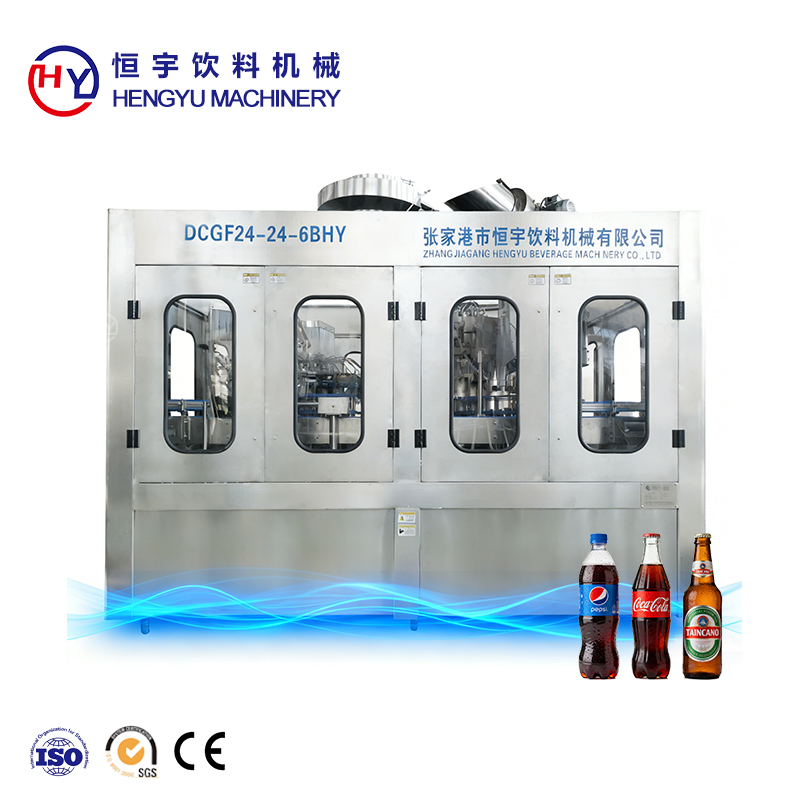
The automatic soda filling machine distinguishes itself through exceptional hygienic design principles and integrated automated cleaning systems that address the critical importance of sanitation in beverage production. Every surface that contacts the product is constructed from high-grade stainless steel that meets or exceeds food safety standards, chosen specifically for its non-porous properties, corrosion resistance, and inability to harbor bacteria or impart flavors to beverages. The machine architecture eliminates dead spaces, sharp corners, and crevices where product residue could accumulate and create microbial growth opportunities. Smooth, polished surfaces and sloped designs facilitate complete drainage and thorough cleaning, ensuring no product remains trapped within the system between production runs. The automated clean-in-place system represents a revolutionary advancement that transforms the labor-intensive and time-consuming cleaning process into an efficient, repeatable procedure that delivers consistent results. This system circulates cleaning solutions through all product-contact pathways at precisely controlled temperatures, concentrations, and flow rates optimized to remove residues, eliminate microorganisms, and prepare the equipment for the next production cycle. The automatic soda filling machine cleaning sequence typically includes pre-rinse stages that remove gross soil, caustic wash phases that break down organic materials, intermediate rinses that remove cleaning chemicals, acid wash steps that eliminate mineral deposits, and final sanitizing treatments that ensure microbiological safety. The entire process operates automatically according to validated protocols, requiring minimal operator involvement and reducing the potential for human error that could compromise hygiene standards. Sensors verify cleaning solution concentrations and temperatures, while flow meters ensure adequate circulation throughout the system. Documentation systems automatically record all cleaning parameters, creating comprehensive records that demonstrate compliance with food safety regulations and facilitate quality audits. The hygienic design extends to external surfaces as well, with smooth panels and minimal horizontal surfaces that prevent dust accumulation and simplify routine sanitation of the machine exterior. Quick-disconnect fittings and tool-free access panels enable operators to disassemble components rapidly for manual inspection and cleaning when necessary, without requiring specialized technical skills or extensive downtime. The automatic soda filling machine also incorporates air filtration systems that protect filling zones from airborne contaminants, creating positive-pressure environments that prevent external particles from entering during bottle filling. These hygienic features collectively ensure that every bottle leaving the production line meets the highest safety and quality standards, protecting consumer health and safeguarding brand reputation. For beverage producers, this means reduced risk of product recalls, lower liability exposure, and the confidence that comes from knowing their equipment supports rather than compromises their quality objectives. The investment in hygienic design and automated cleaning technology pays dividends through extended product shelf life, consistent quality, regulatory compliance, and the operational efficiency gained from streamlined sanitation procedures.

 CN
CN