High-Speed Automation Maximizes Production Capacity
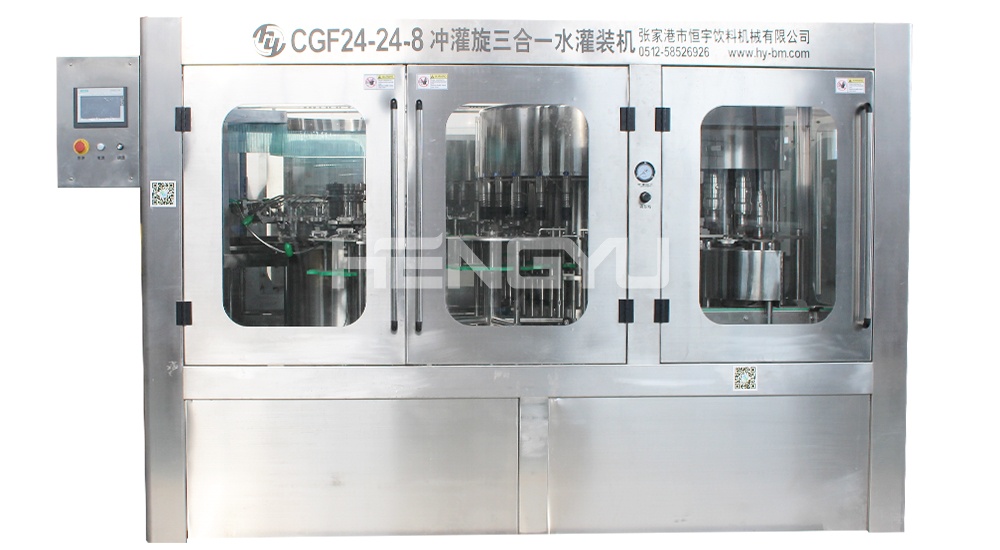
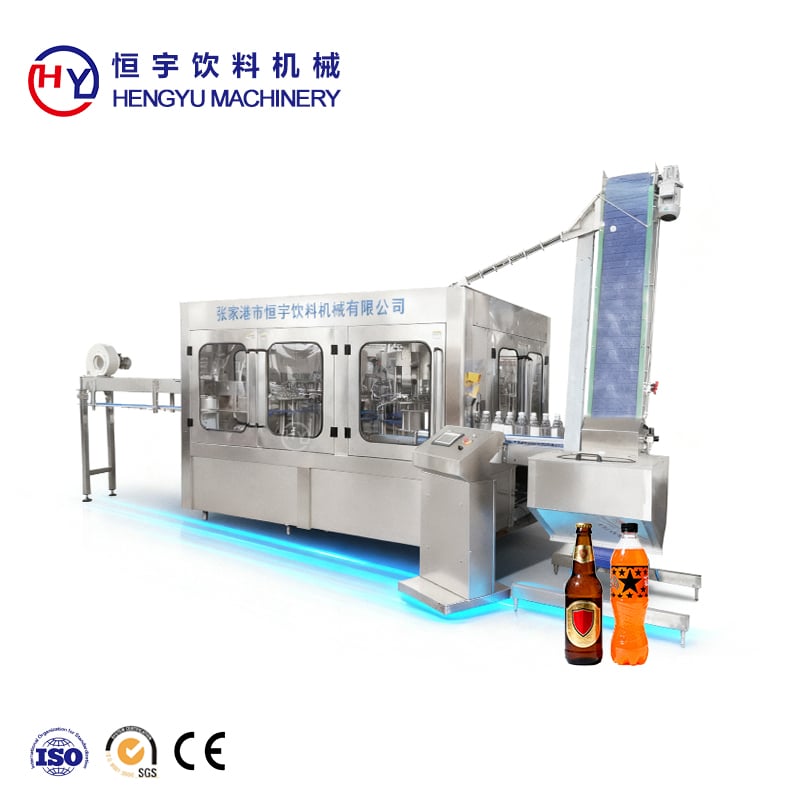
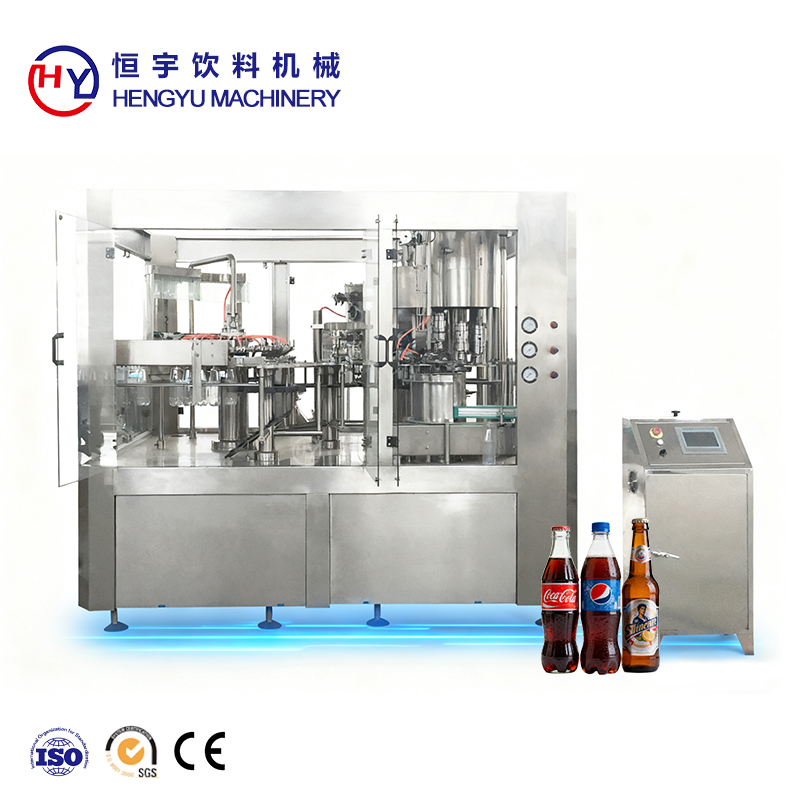
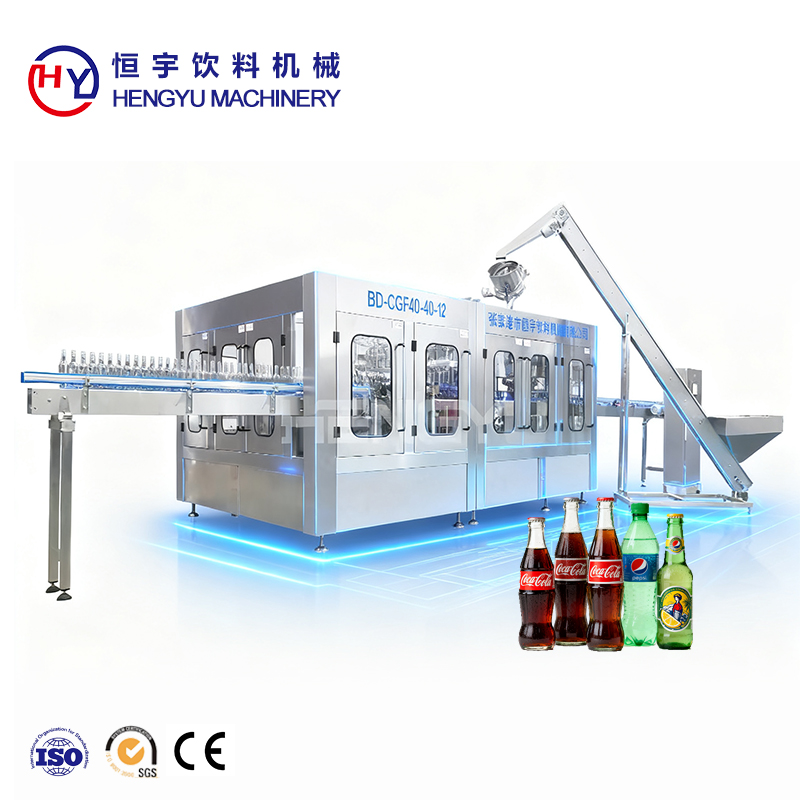
Production capacity represents a fundamental concern for beverage manufacturers, and the high-speed automation capabilities of modern carbonated filling machines address this need through engineering innovations that dramatically accelerate the packaging process while maintaining quality standards. These machines incorporate rotary filling designs where multiple filling heads mounted on a rotating carousel engage containers in continuous motion, eliminating the start-stop delays inherent in linear filling systems and enabling throughput rates that can exceed one thousand units per hour on industrial-scale equipment. The automation extends throughout the entire filling sequence, with synchronized systems handling container infeed, positioning, rinsing, filling, capping, and discharge without human intervention, creating an uninterrupted production flow that maximizes equipment utilization and minimizes idle time. Advanced servo motor technology drives the precise movements required for high-speed operation, with programmable motion profiles that optimize acceleration and deceleration to achieve maximum speed without compromising accuracy or causing container damage. The carbonated filling machine coordinates these rapid mechanical movements with equally fast valve actuation, using pneumatic or electronic controls that open and close filling ports in milliseconds, allowing each filling head to complete its cycle and prepare for the next container with minimal delay. This speed advantage translates into substantial economic benefits, as increased production capacity means lower per-unit costs through better amortization of equipment investment and fixed operational expenses across larger output volumes. Manufacturers gain the flexibility to fulfill large orders within tight deadlines, respond quickly to market opportunities, and maintain adequate inventory levels without excessive overtime or additional production shifts. The automation inherent in carbonated filling machines also reduces the labor intensity of beverage packaging, as sophisticated control systems manage operations that would otherwise require multiple workers performing repetitive tasks prone to fatigue and error. One skilled operator can supervise an automated carbonated filling machine producing thousands of containers daily, monitoring performance metrics on intuitive touchscreen interfaces and intervening only when adjustments or maintenance become necessary. This labor efficiency not only reduces direct wage costs but also minimizes the indirect expenses associated with workforce management, training, and turnover. Furthermore, the consistent operating pace of automated carbonated filling machines eliminates the productivity variations that occur with manual operations, where worker performance fluctuates due to fatigue, distraction, or skill differences, providing predictable production schedules that improve planning accuracy for inventory management and customer commitments.

 CN
CN