Professional Soda Filling Machine Solutions - High-Speed Carbonated Beverage Bottling Equipment

All Categories

soda filling machine

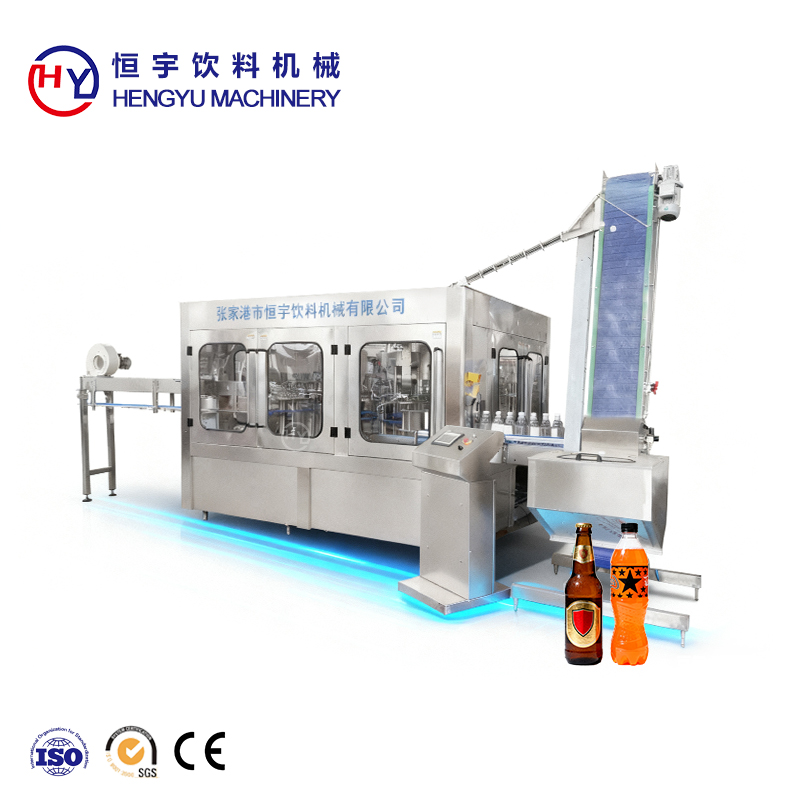
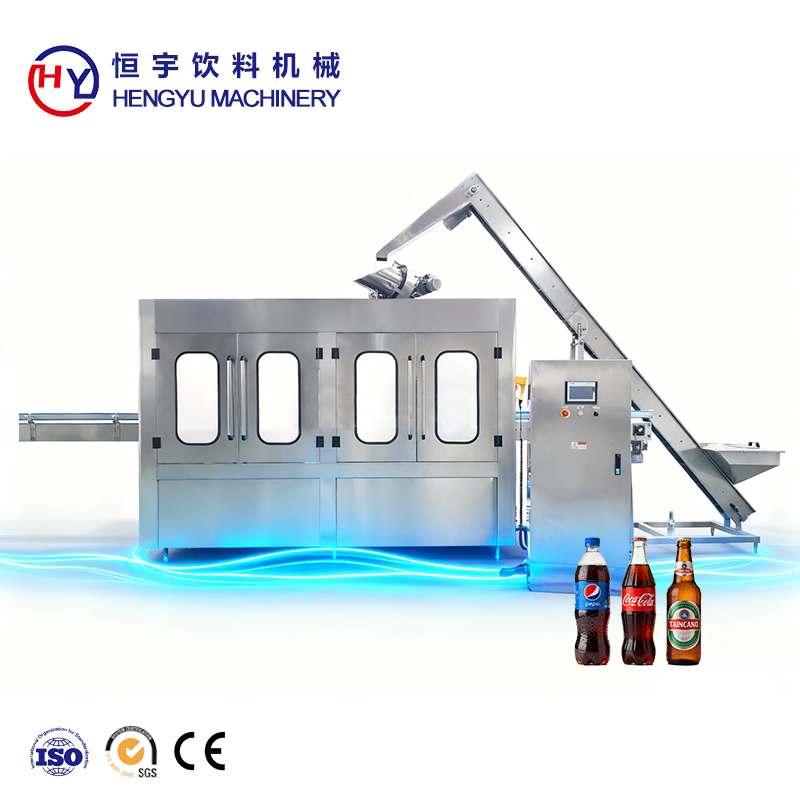
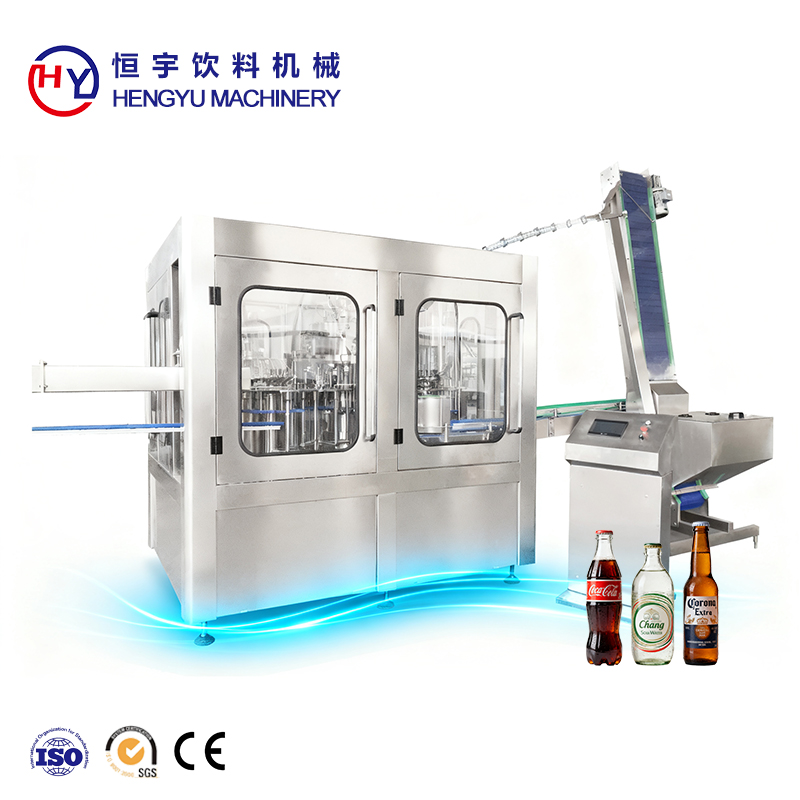
A soda filling machine represents an essential piece of equipment in the beverage manufacturing industry, specifically designed to handle the carbonated soft drink production process with precision and efficiency. This sophisticated automated system performs multiple critical functions including rinsing bottles or cans, filling them with carbonated beverages, and securely sealing containers to maintain product freshness and quality. The primary purpose of a soda filling machine is to ensure consistent fill levels while preserving carbonation levels throughout the packaging process. Modern soda filling machines incorporate advanced control systems that monitor pressure, temperature, and flow rates to achieve optimal results. These machines typically feature isobaric filling technology, which maintains equal pressure inside the container and filling valve to prevent carbon dioxide loss during the filling operation. The technological framework includes programmable logic controllers that allow operators to adjust parameters for different bottle sizes and beverage formulations. Capacity ranges vary significantly, from small-scale operations handling several hundred bottles per hour to industrial systems processing tens of thousands of units hourly. The construction materials are primarily food-grade stainless steel, ensuring hygiene compliance and resistance to corrosion from acidic carbonated beverages. Integration capabilities allow soda filling machines to connect seamlessly with upstream processes like syrup mixing and carbonation, as well as downstream operations including labeling and packaging. Applications span across multiple sectors including soft drink manufacturers, energy drink producers, sparkling water bottlers, and contract packaging facilities. The machine's versatility accommodates various container types such as glass bottles, PET bottles, aluminum cans, and specialty packaging formats. Servo-driven technology provides exceptional accuracy in positioning and movement, reducing product waste and enhancing overall efficiency. Touch-screen interfaces simplify operation and maintenance procedures, enabling quick recipe changes and real-time monitoring of production metrics. Safety features include emergency stop mechanisms, protective guards, and automatic shutdown protocols that activate when anomalies are detected. The importance of a reliable soda filling machine cannot be overstated, as it directly impacts production capacity, product quality, operational costs, and ultimately profitability in the competitive beverage market.

New Product Recommendations

Investing in a quality soda filling machine delivers substantial practical benefits that directly improve your production operations and bottom line. First and foremost, these machines dramatically increase production speed compared to manual or semi-automated methods, allowing your facility to meet growing market demand without proportionally increasing labor costs. The automated nature of the soda filling machine reduces human error, ensuring every container receives precisely the correct amount of beverage, which eliminates costly overfilling that wastes product and underfilling that risks regulatory compliance issues. Consistency is another major advantage, as the machine delivers uniform fill levels and carbonation retention across thousands of units per shift, maintaining brand quality standards that build consumer trust and loyalty. The hygienic design minimizes contamination risks through enclosed filling processes and clean-in-place systems that sanitize components without disassembly, reducing downtime and ensuring food safety compliance. Energy efficiency features built into modern soda filling machines lower operational expenses by optimizing power consumption during production cycles while maintaining peak performance. Flexibility represents a significant competitive advantage, as quick-changeover capabilities allow manufacturers to switch between different product formulations and container sizes within minutes rather than hours, maximizing production schedules and responding rapidly to market opportunities. The reduction in product waste translates to immediate cost savings, as precise filling technology and improved carbonation management prevent spillage and minimize giveaway. Labor optimization occurs naturally when automated systems handle repetitive tasks, freeing skilled workers to focus on quality control, maintenance, and process improvement initiatives that add greater value. Maintenance requirements are straightforward with modular component design that simplifies replacement and reduces repair times, keeping your production line operational and profitable. Data collection capabilities provide valuable insights into production efficiency, allowing managers to identify bottlenecks, track performance trends, and make informed decisions about process improvements. Scalability is built into the system architecture, enabling manufacturers to add filling heads or upgrade components as business grows without replacing the entire machine. The compact footprint of modern soda filling machines maximizes valuable floor space, allowing for efficient facility layouts that improve workflow and reduce material handling costs. Return on investment typically occurs within reasonable timeframes as production efficiency gains and waste reduction compound over months of operation. Quality control improves dramatically as sensors and monitoring systems detect issues immediately, preventing defective products from reaching distribution channels and protecting brand reputation. Environmental benefits include reduced water consumption through efficient cleaning systems and lower carbon footprint from optimized energy usage. The competitive positioning advantage cannot be ignored, as manufacturers with efficient filling operations can offer better pricing, faster delivery, and higher quality products than competitors using outdated equipment. Finally, compliance with industry regulations becomes simpler when using machines designed to meet food safety standards and documentation requirements, reducing legal risks and simplifying audit processes.

Tips And Tricks

Glass Bottle Filling Machine vs Plastic Bottle Filling Machine

04

Mar

Glass Bottle Filling Machine vs Plastic Bottle Filling Machine

Material Properties Dictate Core Machine Design Glass fragility and thermal mass: why glass bottle filling machines require reinforced frames, shock-dampened conveyors, and precision neck-handling grippers Working with glass bottles means going th...
View More
How Bottled Water Production Lines Maintain Product Safety

12

Mar

How Bottled Water Production Lines Maintain Product Safety

Regulatory Foundations and the Multi-Barrier Safety Framework FDA, EPA, and ISO Standards Specific to Bottled Water Production Lines The bottled water industry works within a pretty strict set of regulations. The FDA has these things called Good Ma...
View More
Can Filling Machine Capacity Planning Guide

22

Mar

Can Filling Machine Capacity Planning Guide

Understanding Can Filling Machine Capacity: Theory vs. Real-World Performance Why Theoretical Capacity Rarely Matches Effective Output on Can Filling Lines When companies talk about canning speed at 100 cans per minute, they're referring to what ha...
View More
Automation Technology in Can Sealing Machines

24

Mar

Automation Technology in Can Sealing Machines

How Automation Enhances Precision and Reliability in Can Sealing Machines Core Automation Components: Servo Drives, Vision Systems, and Closed-Loop Feedback in Modern Can Sealing Machines Today's can sealing equipment reaches incredible levels of p...
View More

Get a Free Quote

Our representative will contact you soon.
Email
Name
Phone/WhatsApp
Required Product
Message
0/1000

soda filling machine

Advanced Isobaric Filling Technology for Superior Carbonation Retention

Advanced Isobaric Filling Technology for Superior Carbonation Retention

The cornerstone feature of any premium soda filling machine is its isobaric filling technology, which represents a revolutionary approach to preserving carbonation during the packaging process. This sophisticated system maintains equal pressure between the product tank, filling valve, and container throughout the entire filling cycle, creating an environment where carbon dioxide remains dissolved in the liquid rather than escaping as gas. Understanding the importance of this technology requires recognizing that carbonation is the defining characteristic of soda products, directly affecting taste, mouthfeel, and consumer satisfaction. Traditional filling methods expose carbonated beverages to pressure differentials that cause immediate CO2 loss, resulting in flat-tasting products with shortened shelf life. The isobaric approach eliminates these pressure variations through precisely controlled valve sequences that pre-pressurize containers with carbon dioxide before liquid enters, then maintain constant pressure as beverage flows into the container. The technical implementation involves multiple pressure sensors and pneumatic controls working in perfect synchronization to adjust conditions in real-time based on product temperature, carbonation level, and container characteristics. The practical benefits for manufacturers are substantial, including extended product shelf life that reduces returns and waste, consistent taste profiles that strengthen brand identity, and the ability to distribute products over longer distances without quality degradation. Consumers immediately notice the difference when opening properly filled carbonated beverages, experiencing the satisfying release of pressure and effervescent bubbles that indicate freshness and quality. The competitive advantage extends beyond product quality to operational efficiency, as better carbonation retention means less product rejected during quality checks and fewer consumer complaints requiring resolution. Investment in isobaric filling technology demonstrates commitment to excellence that resonates with distributors and retailers seeking reliable suppliers. The system's precision allows manufacturers to optimize carbonation levels for specific product formulations, creating signature taste experiences that differentiate brands in crowded markets. Maintenance considerations are minimal despite the technology's sophistication, as quality components and proper operator training ensure reliable long-term performance. The integration of this technology with other machine systems creates synergistic benefits, as consistent pressure management improves seal integrity and reduces foam formation during capping operations. Market trends increasingly favor products with authentic carbonation characteristics, making this technology essential rather than optional for serious beverage manufacturers.
Fully Automated Operation with Intelligent Control Systems

Fully Automated Operation with Intelligent Control Systems

Modern soda filling machines feature comprehensive automation that transforms beverage production from labor-intensive manual work into streamlined, efficient operations requiring minimal human intervention. The intelligent control systems at the heart of these machines utilize programmable logic controllers combined with intuitive human-machine interfaces that put sophisticated functionality at operators' fingertips. This automation extends across every phase of the filling process, beginning with automatic container infeed systems that orient and position bottles or cans precisely for processing. Sensors detect container presence and verify correct positioning before initiating the filling sequence, preventing errors that could damage equipment or waste product. The filling operation itself proceeds through automated valve control that opens and closes with millisecond precision, delivering exact volumes regardless of production speed fluctuations. Real-time monitoring systems track dozens of parameters simultaneously, including fill level accuracy, production count, rejection rates, and equipment status indicators that alert operators to potential issues before they become problems. Recipe management functionality allows storing multiple product configurations in memory, enabling operators to switch between different beverages or container sizes by selecting the appropriate program rather than manually adjusting numerous settings. This capability is invaluable for contract manufacturers and brands offering diverse product lines, as changeover times shrink from hours to minutes while eliminating setup errors. The touch-screen interface presents complex information in accessible visual formats, displaying production statistics, alarm histories, and diagnostic information that streamline troubleshooting and maintenance activities. Automated cleaning sequences execute at scheduled intervals or on-demand, running sanitizing solutions through the system according to validated protocols that ensure consistent hygiene standards. Integration with facility management systems enables remote monitoring and data collection, allowing production managers to track performance metrics from anywhere and make informed decisions about scheduling and resource allocation. The reduction in labor requirements translates directly to cost savings while simultaneously improving workplace safety by removing operators from proximity to moving machinery and high-pressure systems. Training new operators becomes significantly easier when intuitive interfaces replace complex mechanical controls, reducing onboarding time and minimizing the risk of operational errors. Predictive maintenance features analyze performance patterns to forecast component wear and schedule replacements during planned downtime rather than emergency breakdowns. The consistency delivered by automation ensures every shift produces identical quality regardless of which operators are on duty, eliminating variability that plagued earlier production methods. Statistical process control integration provides quality assurance teams with comprehensive data for validation and continuous improvement initiatives. The competitive implications are profound, as automated facilities respond faster to market demands, maintain tighter quality control, and operate more profitably than those relying on manual processes.
Versatile Multi-Format Capability for Maximum Production Flexibility

Versatile Multi-Format Capability for Maximum Production Flexibility

The ability to handle multiple container formats and sizes within a single soda filling machine represents a crucial competitive advantage in today's dynamic beverage market where product proliferation and packaging innovation drive consumer engagement. This versatility stems from sophisticated mechanical design incorporating adjustable components that accommodate different container heights, diameters, and materials without requiring complete machine replacement or extensive modification. Quick-change parts systems enable operators to swap filling nozzles, gripper configurations, and conveyor guides in minimal time, facilitating smooth transitions between production runs of different products. The economic implications are substantial, as manufacturers can serve diverse market segments and respond to seasonal demand variations without maintaining separate dedicated filling lines for each package format. Consider the typical beverage producer offering products in 250ml, 500ml, 1-liter, and 2-liter bottles across multiple brands and formulations; multi-format capability allows efficient production scheduling that maximizes equipment utilization rather than leaving specialized machines idle. Material compatibility extends beyond PET bottles to include glass containers with their unique handling requirements and aluminum cans with different sealing mechanisms, providing comprehensive packaging solutions under one system. The technical execution involves servo-driven adjustments that precisely position components for each format, with position sensors confirming correct setup before production commences. Recipe-based parameter storage remembers the optimal settings for each container type, automatically configuring machine geometry, filling speeds, and pressure profiles when operators select the appropriate program. This intelligence prevents setup errors that could damage containers or compromise fill quality during format changes. Testing and validation procedures streamline as the machine's consistency eliminates variables between production runs, allowing quality teams to focus on product characteristics rather than troubleshooting equipment-related issues. The market responsiveness enabled by format flexibility cannot be overstated, as brands can launch limited editions, test new package concepts, and respond to competitor innovations without capital investment delays. Retail partners appreciate suppliers capable of delivering products in preferred formats matching specific channel requirements, from single-serve convenience store bottles to family-size supermarket offerings. The sustainability dimension also benefits, as manufacturers can shift toward more environmentally friendly packaging materials as they become available without rendering existing equipment obsolete. Co-packing operations particularly value multi-format capability, as their business model depends on efficiently serving clients with diverse packaging needs using shared production infrastructure. The initial investment premium for versatile equipment pays dividends through extended useful life and broader revenue opportunities compared to single-format alternatives. Maintenance efficiency improves with standardized components shared across format configurations, reducing spare parts inventory requirements and simplifying technician training. Future-proofing considerations make versatility essential, as packaging trends evolve rapidly and manufacturers must adapt without disruptive capital expenditures that impact competitiveness during equipment replacement periods.