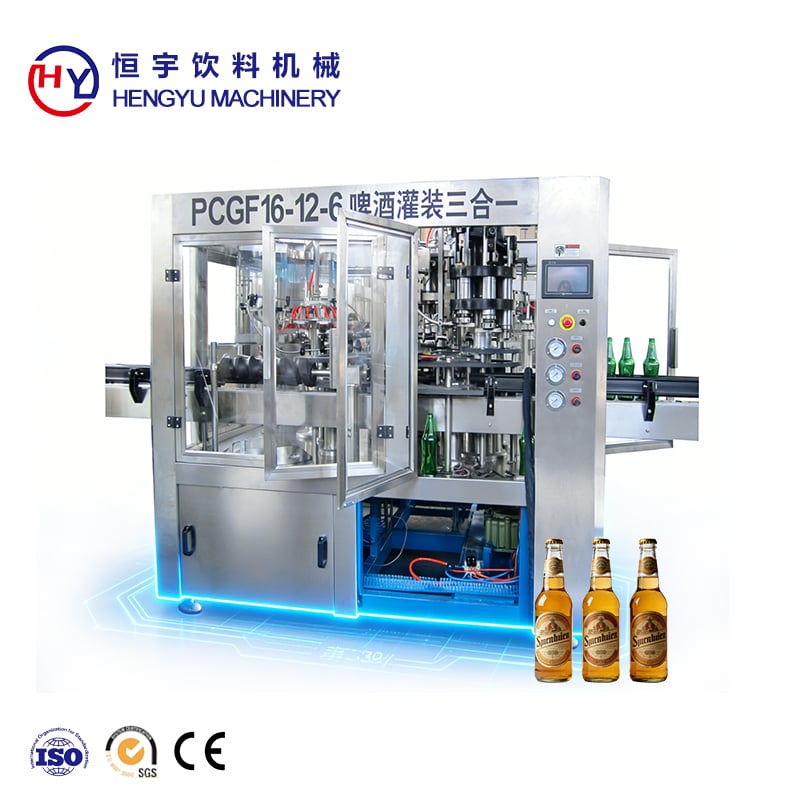
Comprehensive Inspection Systems Guarantee Quality Before Products Leave Your Facility
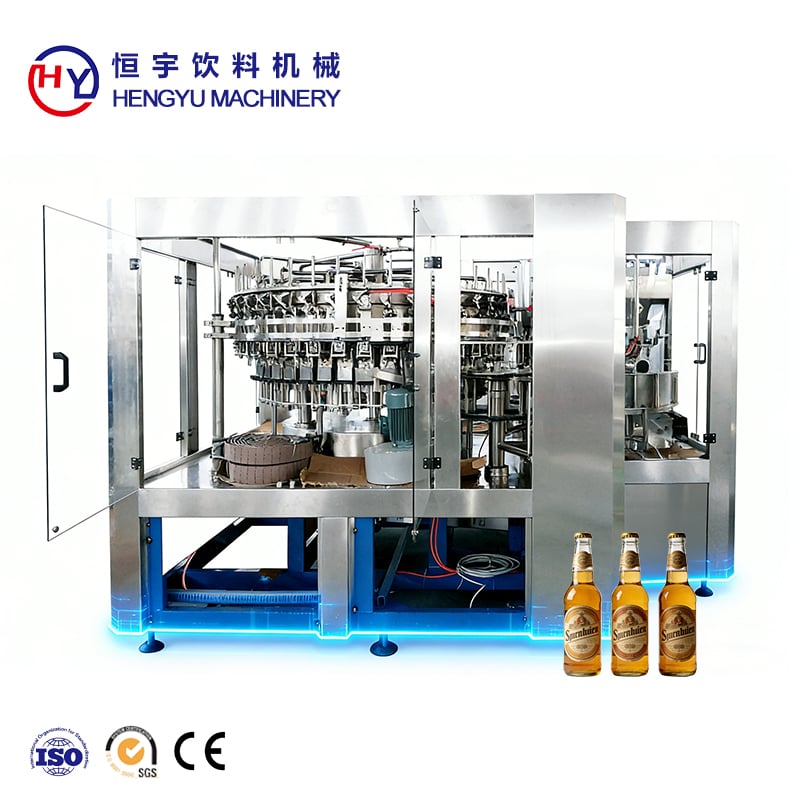
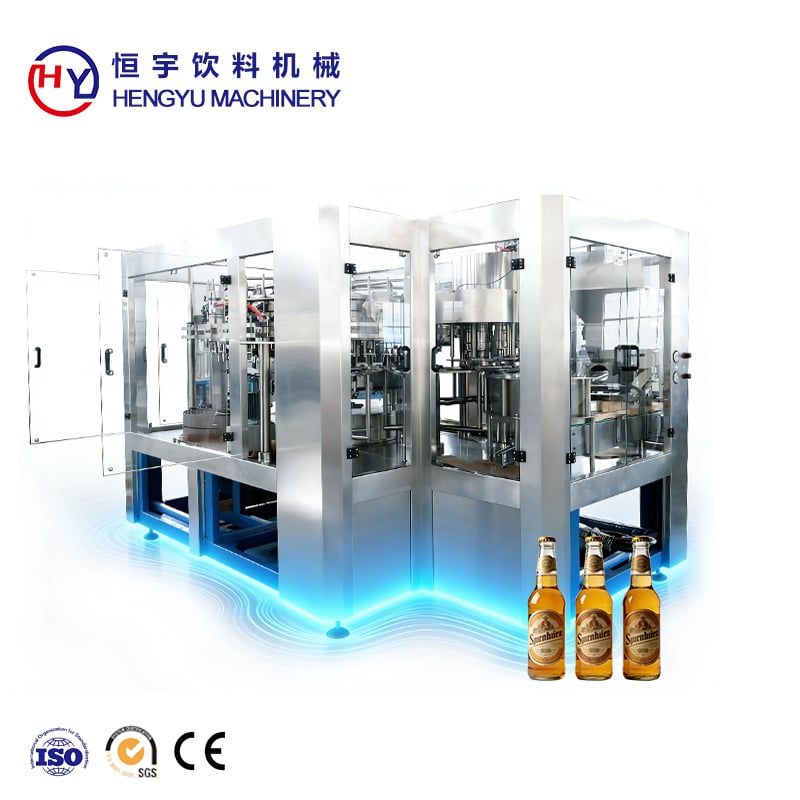
Quality control separates successful breweries from those plagued by costly recalls and reputation damage, which is why modern beer filling lines incorporate multiple inspection points that catch defects before products reach distributors or retail shelves. The inspection process begins even before filling, with empty container inspection systems using high-resolution cameras and specialized lighting to detect cracks, chips, internal contamination, or manufacturing defects in bottles and cans. Rejected containers automatically divert to collection bins, preventing damaged goods from entering the filling process where they might cause equipment jams or product contamination. After rinsing, inspection stations verify that cleaning was effective and no residual particles remain inside containers. Following the filling operation, fill level inspection systems employ multiple technologies including weight checkers, gamma ray sensors, or vision systems that analyze liquid levels through transparent containers, ensuring every unit meets your specified fill volume within tight tolerances. Units outside acceptable ranges receive automatic rejection, protecting you from short-fill complaints and regulatory violations. Cap inspection represents another critical checkpoint, as improperly applied closures lead to leaks, oxidation, and product spoilage. Vision systems examine cap placement, torque sensors verify proper tightness, and pressure decay testing confirms hermetic seals on capped containers. Any container showing insufficient seal quality gets rejected before labeling, preventing the waste of expensive label materials on defective products. Label inspection systems verify that labels are present, properly positioned, readable, and correspond to the correct product being packaged, preventing mix-ups that could send mislabeled products to market or fail to communicate important information like alcohol content or allergen warnings. Barcode readers and OCR systems cross-reference printed codes against production schedules. Final inspection stations provide a last quality gate where high-speed cameras capture images of finished products from multiple angles, comparing them against quality standards for overall appearance, checking for foreign objects, and ensuring closure integrity. Rejected products automatically divert while the system logs rejection reasons, providing valuable data for troubleshooting and continuous improvement. Some advanced beer filling lines incorporate x-ray inspection that detects glass fragments, metal particles, or other foreign objects that visual systems might miss, providing an additional safety layer. The documentation capabilities of these inspection systems create traceability, recording images and data for every container produced, which proves invaluable during audits or investigations. This comprehensive quality approach means defective products get caught and corrected within your facility rather than reaching customers, protecting your brand reputation while reducing the enormous costs associated with recalls, which include not only the direct expenses of retrieving and replacing products but also the long-term sales damage from lost consumer confidence.

 CN
CN