Robust Sanitation and Hygiene Standards
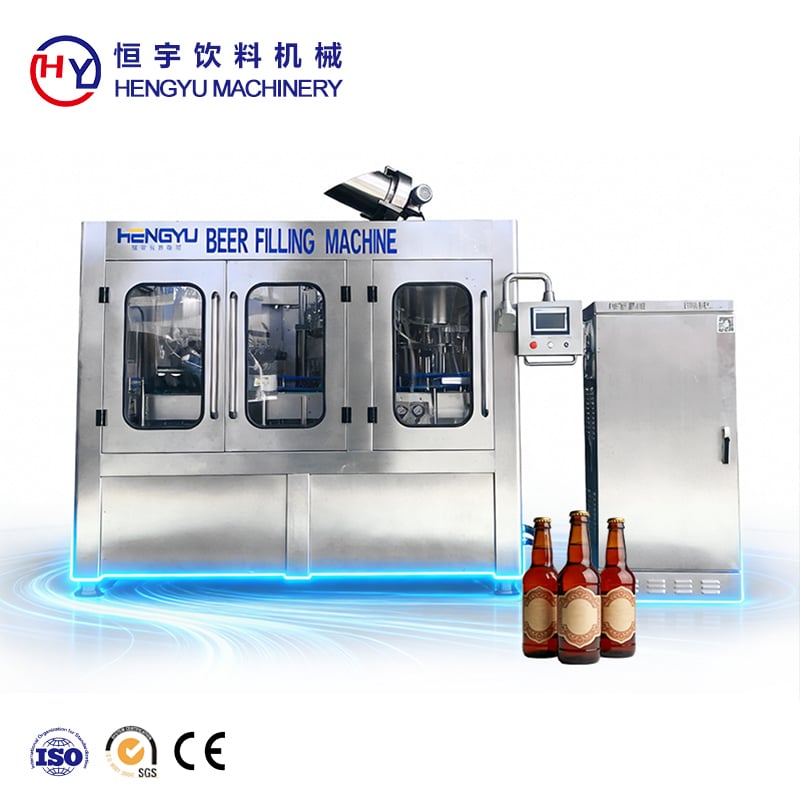
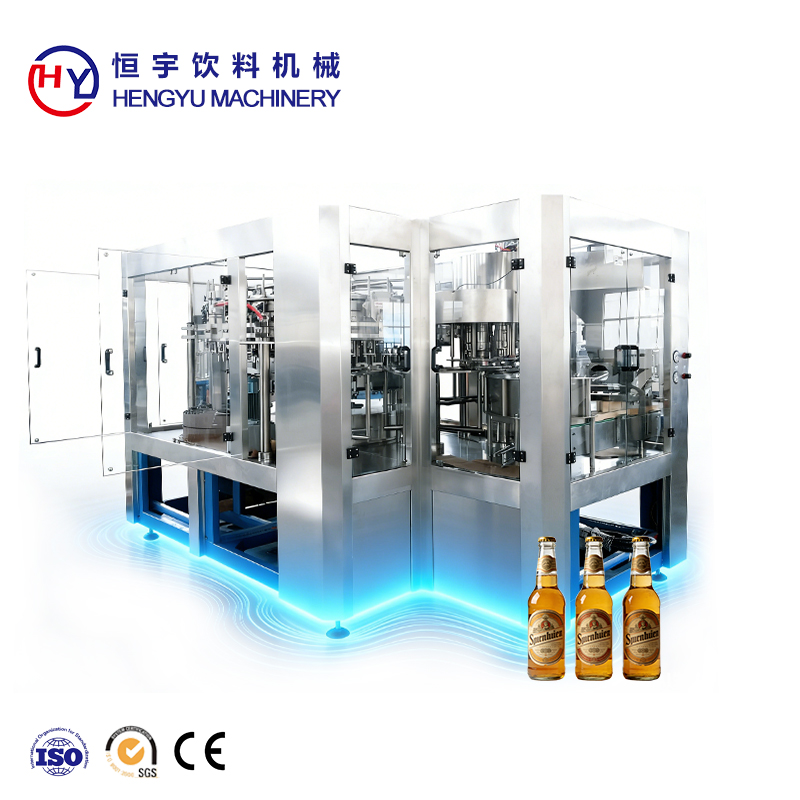
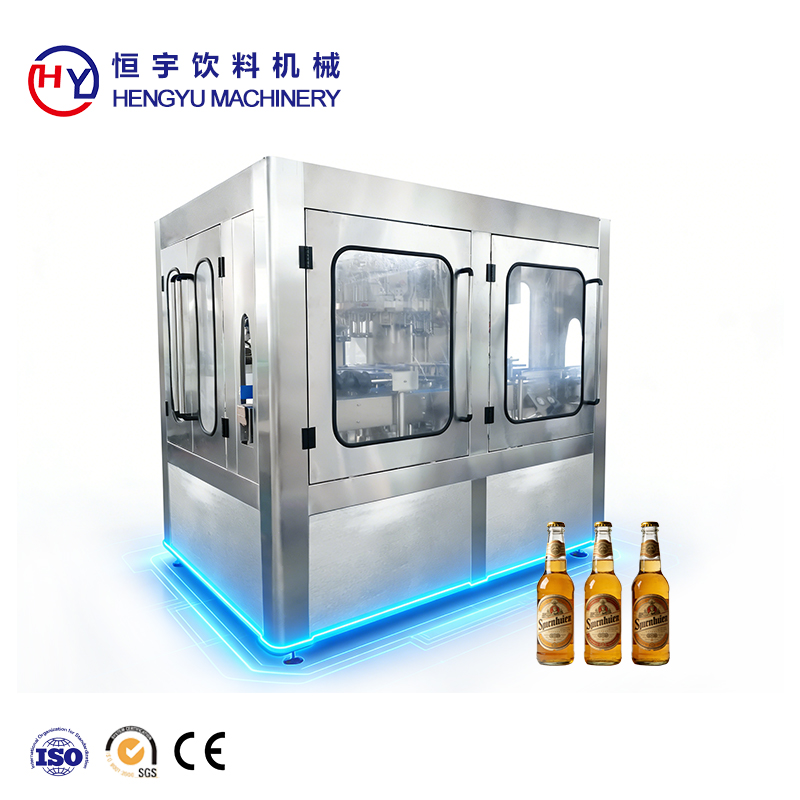
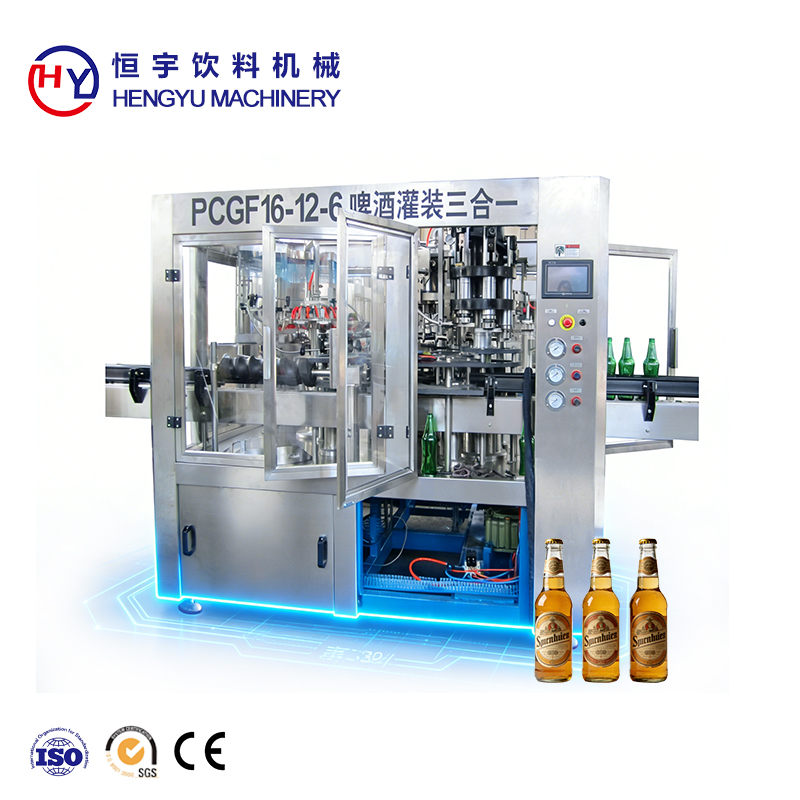
Sanitation represents an absolutely critical concern in beer production, and a properly designed beer bottle filling machine addresses these requirements through comprehensive hygiene features that protect product quality while simplifying cleaning procedures. The construction materials used in quality filling machines start with food-grade stainless steel throughout all product-contact surfaces, typically 304 or 316 grade stainless that resists corrosion and harbors no bacteria in microscopic surface imperfections. This material choice ensures that your beer remains uncontaminated by metallic tastes or chemical reactions that could occur with inferior materials. The engineering design incorporates sanitary principles such as smooth surfaces without dead spaces where residue could accumulate, sloped drains that prevent standing water, and easily accessible components that allow thorough manual inspection and cleaning when necessary. Many advanced beer bottle filling machines feature automated cleaning-in-place systems that circulate cleaning solutions through the entire filling circuit, including tanks, pumps, valves, and filling heads, without requiring disassembly. These CIP systems run programmed cleaning cycles that include alkaline washing, acid rinsing, and sanitizing steps, all controlled by the machine's computer system to ensure consistency and effectiveness. The automation of cleaning procedures not only saves labor time but also ensures that sanitation happens according to the exact protocols required for food safety compliance, eliminating the variability that can occur with manual cleaning. Pre-filling bottle rinsing stations integrated into the beer bottle filling machine use clean water or sterile air to remove any dust or particles from bottles before filling, adding an additional safety layer that protects against contamination from packaging materials. The enclosed filling environment shields beer from airborne contaminants during the vulnerable moment when bottles are open and receiving product, a protection impossible to achieve with manual or open filling systems. For breweries pursuing organic certification or other quality designations, the sanitation capabilities of automated filling equipment often represent a requirement rather than merely a preference. The documentation capabilities of computerized systems provide traceability records showing when cleaning occurred, which solutions were used, and confirmation that procedures met established standards, creating the audit trail that regulatory inspections and quality certifications demand. Beyond regulatory compliance, superior sanitation directly impacts your beer's shelf life and flavor stability, as even minor contamination can lead to off-flavors, haze formation, or spoilage that damages your brand reputation and creates costly product recalls. The investment in a beer bottle filling machine with robust sanitation features pays dividends through reduced quality issues, simplified compliance, and the peace of mind that comes from knowing your production process meets the highest hygiene standards in the industry.

 CN
CN