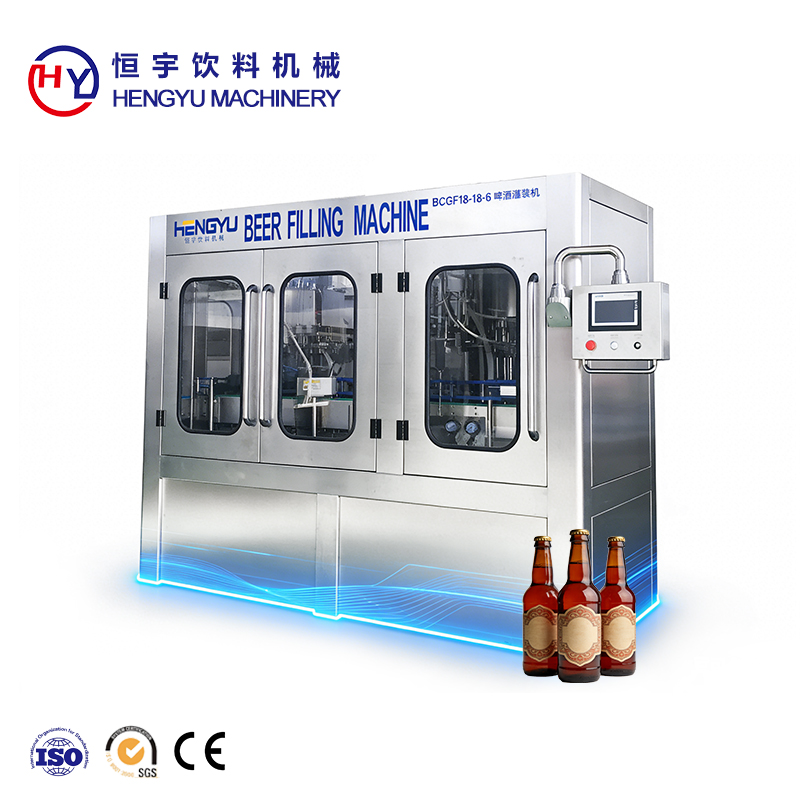
Professional Beer Filling Machine Solutions - Automated Bottling Equipment for Breweries

All Categories

beer filling machine

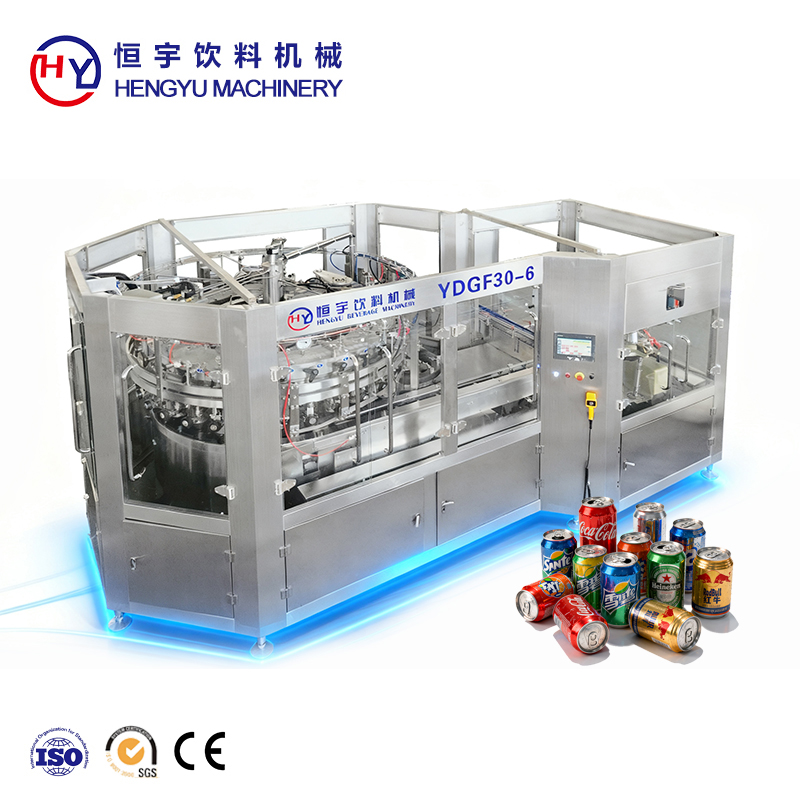
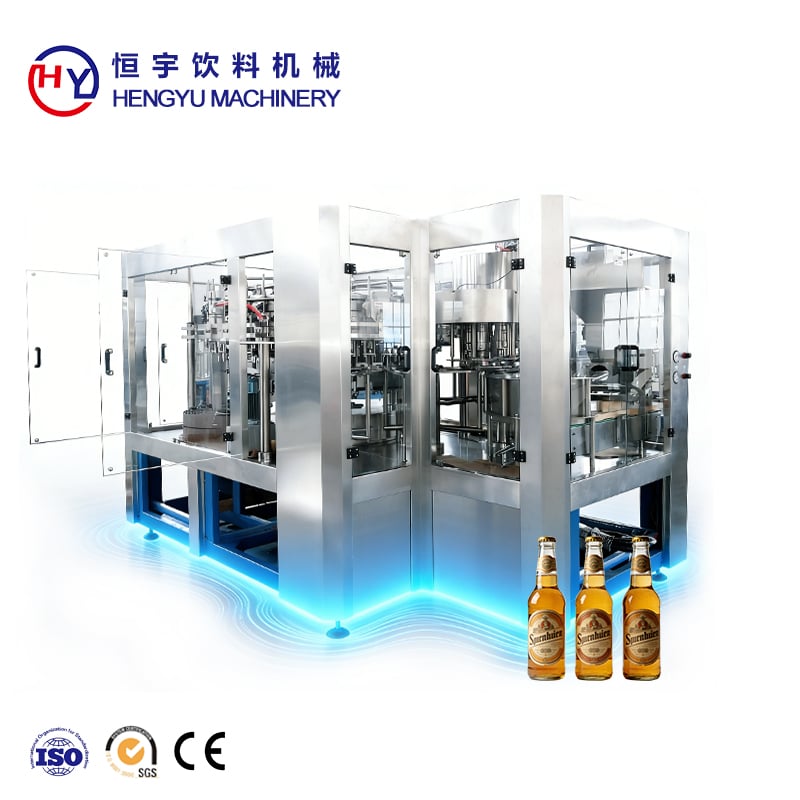
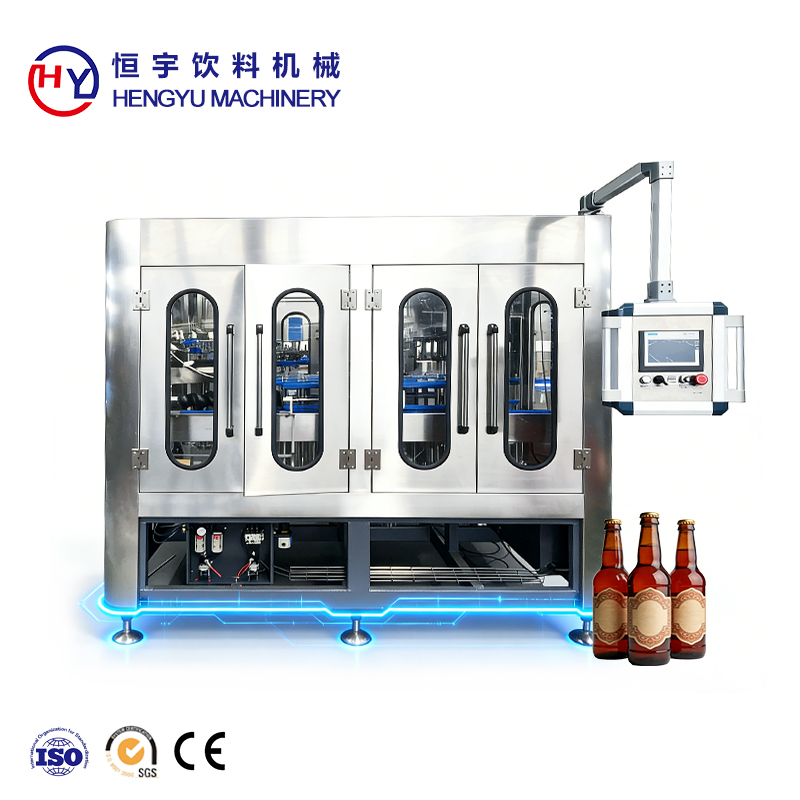
A beer filling machine represents an essential piece of equipment in the beverage production industry, specifically designed to automate the bottling and canning process for breweries of all sizes. This sophisticated machinery handles the critical task of transferring beer from storage tanks into bottles, cans, or kegs with precision and consistency. The primary function of a beer filling machine involves creating an oxygen-free environment during the filling process to preserve the beer's flavor, aroma, and carbonation levels. Modern systems incorporate advanced counter-pressure filling technology that maintains the beverage's CO2 content while preventing foam formation and oxidation. These machines typically feature multiple filling heads arranged in a circular or linear configuration, allowing simultaneous filling of numerous containers to maximize production efficiency. The technological features integrated into contemporary beer filling machines include programmable logic controllers for automated operation, touchscreen interfaces for easy monitoring and adjustment, and precision flow meters that ensure accurate fill levels. Many systems also incorporate rinser units that clean containers before filling, capper or seamer stations that seal the containers immediately after filling, and inspection systems that verify proper fill levels and seal integrity. The application scope of beer filling machines extends from small craft breweries producing limited batches to large-scale industrial operations manufacturing millions of units annually. These versatile machines can handle various container types and sizes, making them adaptable to different packaging requirements and market demands. The equipment accommodates different beer styles, from light lagers to heavy stouts, and can be configured for various carbonation levels. By integrating seamlessly into existing production lines, a beer filling machine streamlines the entire packaging process, reducing manual labor requirements while ensuring consistent product quality that meets strict industry standards and regulatory compliance requirements.

Popular Products

The implementation of a beer filling machine delivers substantial operational benefits that directly impact your brewery's bottom line and production capabilities. First and foremost, these automated systems dramatically increase production speed compared to manual filling methods, enabling your facility to fill hundreds or even thousands of containers per hour depending on the machine configuration. This acceleration in output allows you to meet growing market demand, fulfill larger orders, and expand your distribution network without proportionally increasing labor costs. The precision engineered into modern filling equipment ensures every container receives the exact same amount of product, eliminating the waste associated with overfilling and the customer dissatisfaction caused by underfilling. This consistency translates into significant cost savings over time, as you maximize the number of sellable units produced from each batch while maintaining brand reputation for quality. The hygienic design of beer filling machines protects product integrity throughout the packaging process, utilizing food-grade stainless steel construction and sanitary fittings that prevent contamination and facilitate thorough cleaning between production runs. This cleanliness factor becomes particularly important for maintaining the delicate flavor profiles that distinguish your beer products in a competitive marketplace. The reduced oxygen exposure during the filling process extends shelf life considerably, allowing your products to reach distant markets and remain fresh on store shelves longer, thereby reducing returns and waste. From a workforce perspective, automated filling equipment reduces the physical strain on employees who would otherwise perform repetitive manual tasks, decreasing workplace injuries and improving overall job satisfaction. The user-friendly control systems require minimal training, enabling operators to quickly learn machine functions and make real-time adjustments as needed. These machines also provide valuable production data through integrated monitoring systems, giving you insights into output rates, downtime causes, and efficiency metrics that inform better business decisions. The flexibility built into quality filling systems allows quick changeovers between different container sizes and types, supporting product line diversification without requiring entirely separate equipment investments. Energy-efficient designs in contemporary models reduce utility consumption, lowering operating costs while supporting environmental sustainability goals. The reliability of well-maintained filling equipment minimizes unexpected breakdowns that disrupt production schedules and delay order fulfillment. When considering long-term financial planning, the return on investment for a beer filling machine typically materializes within a reasonable timeframe through labor savings, reduced waste, increased output, and improved product consistency that strengthens market position and customer loyalty.

Practical Tips

Increasing Capacity in Bottled Water Production Lines

09

Mar

Increasing Capacity in Bottled Water Production Lines

Diagnosing Bottlenecks in Your Bottled Water Production Line Measuring Throughput Gaps: Bottling Speed, Changeover Time, and OEE Analysis To get a handle on where production is falling short, look at three key performance indicators. Start by compa...
View More
How Bottled Water Production Lines Maintain Product Safety

12

Mar

How Bottled Water Production Lines Maintain Product Safety

Regulatory Foundations and the Multi-Barrier Safety Framework FDA, EPA, and ISO Standards Specific to Bottled Water Production Lines The bottled water industry works within a pretty strict set of regulations. The FDA has these things called Good Ma...
View More
How Can Filling Machines Improve Beverage Production Speed

24

Mar

How Can Filling Machines Improve Beverage Production Speed

Filling Machine Type Determines Maximum Throughput Potential Gravity, Isobaric, and Piston Can Filling Machines: Speed vs. Precision Trade-offs Gravity fillers work well for delicate drinks such as juice, processing around 20 to 36 bottles every mi...
View More
Can Filling Machine Capacity Planning Guide

22

Mar

Can Filling Machine Capacity Planning Guide

Understanding Can Filling Machine Capacity: Theory vs. Real-World Performance Why Theoretical Capacity Rarely Matches Effective Output on Can Filling Lines When companies talk about canning speed at 100 cans per minute, they're referring to what ha...
View More

Get a Free Quote

Our representative will contact you soon.
Email
Name
Phone/WhatsApp
Required Product
Message
0/1000

beer filling machine

Advanced Counter-Pressure Filling Technology Preserves Beer Quality

Advanced Counter-Pressure Filling Technology Preserves Beer Quality

The counter-pressure filling mechanism represents the cornerstone technological advancement that distinguishes professional beer filling machine equipment from basic bottling systems. This sophisticated process maintains the carbonation levels that define your beer's character and consumer appeal throughout the packaging operation. The system works by first pressurizing the empty container with carbon dioxide to match the pressure of the beer in the holding tank, creating an equilibrium that prevents the violent release of dissolved gases when liquid enters the container. As the beer filling machine initiates the fill cycle, the beer flows smoothly into the pressurized container without the turbulence and foaming that would occur under normal atmospheric conditions. This controlled transfer preserves the carefully calibrated carbonation levels achieved during fermentation and conditioning, ensuring the final packaged product delivers the exact sensory experience intended by your brewing team. The technology becomes especially critical for highly carbonated beer styles where maintaining precise CO2 levels determines the product's marketability and consumer satisfaction. Beyond carbonation preservation, the counter-pressure method significantly reduces oxygen pickup during filling, a factor that profoundly impacts beer stability and shelf life. Oxygen acts as beer's enemy, triggering oxidation reactions that produce stale flavors, darken color, and diminish hop aromatics over time. By filling under a CO2 blanket with minimal atmospheric exposure, the beer filling machine protects your product from these degradation pathways, allowing distributors and retailers to stock your beer with confidence that quality will remain consistent until consumption. The precision engineering behind this technology includes specialized valves that sequence the pressurization, filling, and venting operations with exact timing, along with sensors that monitor pressure differentials and adjust flow rates accordingly. Modern systems incorporate programmable parameters that let you customize the filling profile for different beer styles, accommodating variations in carbonation levels, viscosity, and foam characteristics. This adaptability proves invaluable for breweries producing diverse product portfolios, as each recipe can receive optimized handling without compromising efficiency. The result manifests in bottles and cans that exhibit proper fill levels without excessive headspace, appropriate carbonation that creates satisfying mouthfeel and presentation, and extended freshness that maintains your brand's reputation across distribution channels and storage periods.
Automated Sanitation Systems Ensure Consistent Hygiene Standards

Automated Sanitation Systems Ensure Consistent Hygiene Standards

Maintaining impeccable sanitation standards throughout the packaging process stands as a non-negotiable requirement in beverage production, and modern beer filling machine designs incorporate automated cleaning systems that eliminate human error from this critical operation. The integrated Clean-in-Place technology allows comprehensive sanitization of all product-contact surfaces without disassembling the equipment, saving valuable time between production runs while ensuring thorough microbial control. These systems circulate cleaning solutions and sanitizing agents through the entire filling circuit, including tanks, piping, valves, and filling nozzles, following programmed sequences that optimize chemical contact time and temperature parameters. The automated nature of this process ensures consistency that manual cleaning simply cannot match, as every cycle follows the identical protocol with the same duration, chemical concentrations, and flow patterns. This reliability becomes particularly important when producing multiple beer varieties in the same facility, as inadequate cleaning between batches risks cross-contamination that could introduce off-flavors or spoilage organisms into subsequent products. The beer filling machine sanitation protocols typically incorporate multiple phases, beginning with a pre-rinse that removes residual product, followed by caustic cleaning that eliminates organic deposits and biofilms, then an acid rinse that addresses mineral scale and beer stone accumulation, and finally a sanitizing step that reduces microbial populations to safe levels. Automated systems monitor and document each phase, providing validation records that demonstrate regulatory compliance and support quality assurance programs. The food-grade stainless steel construction standard in quality filling equipment resists corrosion while presenting smooth surfaces that discourage bacterial adhesion and facilitate effective cleaning. Specialized surface finishes on product-contact areas eliminate crevices and dead spaces where microorganisms might harbor, while sanitary design principles ensure complete drainage that prevents stagnant pools where contamination could develop. The efficiency of automated sanitation translates into reduced water consumption compared to manual washing procedures, supporting environmental sustainability initiatives while lowering utility costs. Chemical usage optimization features in advanced systems adjust detergent and sanitizer concentrations based on actual soil loads and water quality parameters, preventing waste while maintaining effectiveness. Temperature controls ensure cleaning solutions reach the specifications required for proper soil removal and microbial reduction, with sensors confirming parameters before proceeding to subsequent phases. For breweries pursuing organic certification or marketing products with clean-label positioning, some beer filling machine models accommodate approved cleaning agents and natural sanitizers that align with these specialized requirements. The documentation capabilities built into automated systems generate timestamped records of each cleaning cycle, including chemical concentrations, temperatures, duration, and operator identification, creating the audit trail necessary for quality certifications and regulatory inspections.
Flexible Configuration Options Accommodate Production Growth and Product Diversification

Flexible Configuration Options Accommodate Production Growth and Product Diversification

The scalability inherent in modern beer filling machine designs provides breweries with equipment that adapts to evolving production demands rather than becoming obsolete as operations expand. Entry-level systems suitable for craft breweries and startup operations offer compact footprints with filling speeds appropriate for limited production volumes, yet incorporate the same fundamental technology and quality standards found in industrial-scale installations. As production volumes increase, many machines accommodate upgrades that enhance capacity without requiring complete equipment replacement, such as adding filling heads to increase simultaneous container handling or integrating faster conveyor systems that accelerate line speed. This modular approach protects your capital investment by allowing incremental capacity additions that match revenue growth rather than forcing premature purchases of oversized equipment that sits underutilized. The versatility extends to container handling capabilities, with adjustable components that accommodate different bottle heights, diameters, and neck finishes without extensive changeover procedures. Quick-change parts systems allow operators to switch between bottle sizes in minutes rather than hours, minimizing production downtime and enabling economical short runs of specialty products or seasonal offerings. Some advanced beer filling machine configurations handle multiple container types on the same line, seamlessly transitioning between bottles and cans or accommodating various can sizes within a single production shift. This flexibility proves particularly valuable for contract packaging operations serving multiple brands or breweries testing market response to new package formats before committing to dedicated equipment. The filling systems adapt to different product characteristics as well, with adjustable parameters that optimize performance for varying alcohol contents, residual sugar levels, and carbonation intensities across your product portfolio. Temperature control features maintain optimal filling conditions regardless of ambient conditions or seasonal variations, ensuring consistent results year-round. Integration capabilities allow the beer filling machine to communicate with upstream and downstream equipment, creating a coordinated production line where fermentation monitoring systems, bright tank controls, filling operations, labeling machines, and packaging equipment share data and synchronize activities. This connectivity enables sophisticated production management where you can track individual batches from brewing through final packaging, monitor equipment performance metrics, identify efficiency bottlenecks, and schedule preventive maintenance based on actual operating hours rather than arbitrary calendars. The reporting functions generate production statistics that inform strategic planning, revealing trends in output rates, waste percentages, downtime causes, and quality metrics that guide continuous improvement initiatives. For breweries with ambitious growth trajectories, selecting a beer filling machine from manufacturers offering comprehensive product lines ensures future expansion options, whether adding parallel lines to multiply capacity or upgrading to higher-speed models as volumes justify the investment, while maintaining parts commonality and operator familiarity that streamline training and inventory management.