Small Beer Bottling Machine - Efficient Compact Bottling Solutions for Craft Breweries

All Categories

small beer bottling machine

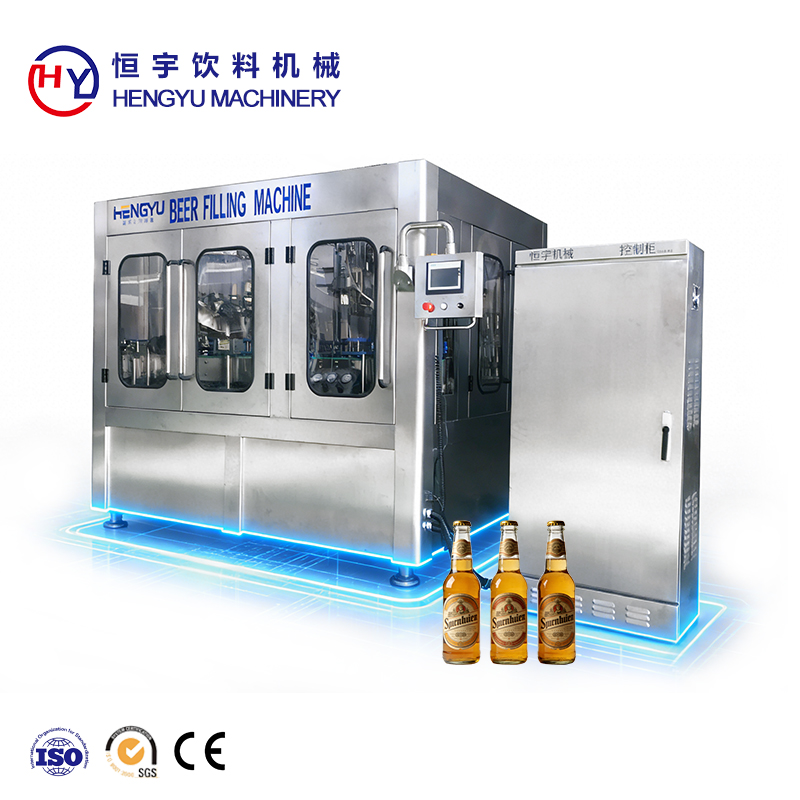
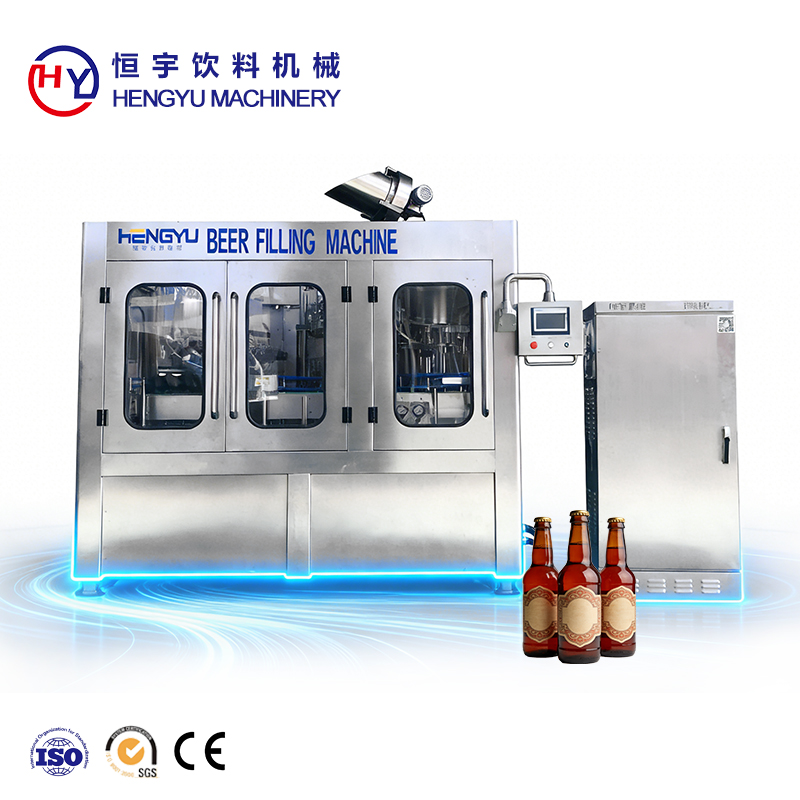
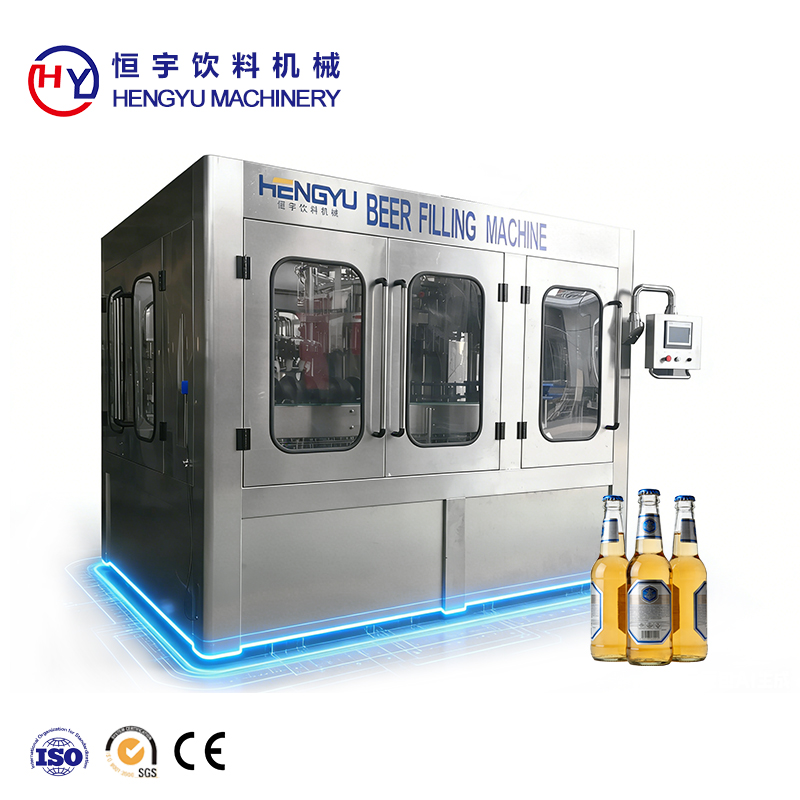
The small beer bottling machine represents a revolutionary solution for craft breweries, microbreweries, and beverage production facilities seeking efficient packaging capabilities without the massive investment required for industrial-scale equipment. This compact yet powerful automated system handles the complete bottling process from start to finish, transforming raw beer from storage tanks into perfectly sealed, market-ready products. At its core, the small beer bottling machine integrates multiple essential functions including bottle rinsing, precise liquid filling, crown capping or corking, and labeling capabilities all within a streamlined footprint that maximizes production space efficiency. The technological features embedded in modern small beer bottling machines showcase remarkable engineering advances. These systems employ sophisticated sensors that detect bottle positioning and ensure accurate fill levels, preventing both underfilling and overflow situations that could impact product quality or cause waste. The filling mechanisms utilize either gravity-fed, pressure-based, or vacuum systems depending on the specific model, with many units offering adjustable speed controls that allow operators to fine-tune production rates according to their immediate needs. Temperature control systems maintain beer at optimal conditions throughout the bottling process, preserving flavor profiles and carbonation levels that define each brew's unique character. The applications for small beer bottling machines extend across diverse business contexts. Startup craft breweries benefit tremendously from these machines as they establish market presence and build customer bases without overextending capital resources. Established breweries use them for limited edition releases, seasonal specialties, and experimental batches that require flexible production capabilities. Beverage entrepreneurs entering the alcoholic drinks market find these machines provide the professional finish necessary to compete in retail environments. Restaurants and brewpubs that produce house beers can package their creations for off-premise sales, expanding revenue streams beyond on-site consumption. Educational institutions with brewing programs utilize small beer bottling machines for hands-on training, preparing students for industry careers. The versatility of these machines accommodates various bottle sizes, shapes, and closure types, making them adaptable to changing product lines and market demands while maintaining consistent quality standards that customers expect from premium beverages.

Popular Products

Investing in a small beer bottling machine delivers tangible benefits that directly impact your bottom line and operational efficiency. The financial advantage starts with the initial purchase price, which costs significantly less than full-scale industrial bottling lines while still delivering professional results that meet commercial standards. You avoid the massive capital expenditure that creates financial strain on growing businesses, freeing resources for other critical areas like marketing, ingredient procurement, and facility improvements. The space-saving design means you accomplish complete bottling operations within a compact area, eliminating the need for expensive facility expansions or separate bottling rooms that drain budgets and complicate logistics. Production flexibility becomes a game-changer for your business strategy. You control batch sizes precisely, producing exactly what current demand requires without forcing minimum runs that tie up inventory and storage space. When you want to test new recipes or create special releases, the small beer bottling machine allows quick changeovers between different products, letting you respond rapidly to market trends and customer preferences. This agility proves invaluable in competitive markets where innovation separates successful brands from forgotten ones. The learning curve remains manageable even for operators without extensive technical backgrounds. Manufacturers design these machines with user-friendly interfaces and straightforward controls that reduce training time and minimize operational errors. Your staff gains confidence quickly, maintaining consistent production quality from day one. Maintenance requirements stay reasonable with accessible components and clear servicing procedures that prevent extended downtime. When issues arise, troubleshooting becomes simpler compared to complex industrial systems that require specialized technicians and costly service calls. Quality consistency elevates your brand reputation as the small beer bottling machine delivers uniform fill levels, secure seals, and proper carbonation retention across every bottle produced. Customers notice this reliability, building trust that translates into repeat purchases and positive word-of-mouth recommendations. The professional appearance of properly bottled products enhances perceived value, justifying premium pricing that improves profit margins. You compete effectively against established brands because your packaging quality matches or exceeds their standards. Labor costs decrease as automation handles repetitive tasks that would otherwise require multiple workers performing manual operations. Your team focuses on value-added activities like quality control, recipe development, and customer engagement rather than tedious bottling procedures. This efficiency means you accomplish more with smaller staff numbers, reducing payroll expenses while maintaining or increasing output levels. The return on investment accelerates as production volumes grow, with the machine paying for itself through labor savings and increased sales capacity. Scalability built into small beer bottling machine design supports business growth without forcing premature equipment replacement. As demand increases, many models allow speed adjustments or additional shift operations that expand capacity before requiring upgrades to larger systems. This graduated growth path prevents the financial waste of outgrowing equipment too quickly while ensuring you always have adequate production capability to fulfill orders and seize market opportunities.

Practical Tips

How to Choose a Glass Bottle Filling Machine for Beverage Production

06

Mar

How to Choose a Glass Bottle Filling Machine for Beverage Production

Match Filling Technology to Beverage Type and Sensitivity Counter-Pressure Fillers for Carbonated Beverages and Beer Carbonated drinks like soda, sparkling water and beer need careful filling techniques to keep their fizz intact while avoiding exc...
View More
How Bottled Water Production Lines Maintain Product Safety

12

Mar

How Bottled Water Production Lines Maintain Product Safety

Regulatory Foundations and the Multi-Barrier Safety Framework FDA, EPA, and ISO Standards Specific to Bottled Water Production Lines The bottled water industry works within a pretty strict set of regulations. The FDA has these things called Good Ma...
View More
Troubleshooting Can Filling Machine Production Issues

21

Mar

Troubleshooting Can Filling Machine Production Issues

Power, Control, and Electrical Faults in Can Filling Machines Machine won't power on: main supply, fuses, and emergency stop circuit checks If the can filling machine won't start at all, the first thing to do is check whether the main power supply ...
View More
Can Sealing Machine Maintenance Tips

23

Mar

Can Sealing Machine Maintenance Tips

Daily and Weekly Preventive Maintenance for Your Can Sealing Machine Essential Daily Checks: Belt Tension, Sealing Bar Alignment, and Tape Head Cleanliness Starting every shift with a quick check on belt tension makes all the difference. If belts a...
View More

Get a Free Quote

Our representative will contact you soon.
Email
Name
Phone/WhatsApp
Required Product
Message
0/1000

small beer bottling machine

Precision Filling Technology That Eliminates Product Waste and Ensures Customer Satisfaction

Precision Filling Technology That Eliminates Product Waste and Ensures Customer Satisfaction

The precision filling technology integrated into the small beer bottling machine stands as one of its most valuable features, directly addressing the dual challenges of minimizing product loss and maintaining the quality standards that customers demand. This sophisticated system employs advanced sensors and control mechanisms that monitor each bottle throughout the filling process, detecting the exact moment when optimal levels are reached and immediately stopping liquid flow to prevent overflow situations that waste valuable product and create messy cleanup requirements. The technology operates through multiple verification points that cross-check measurements, ensuring accuracy that manual filling methods simply cannot match regardless of operator skill or attention. For business owners, this precision translates into measurable financial benefits as every drop of beer represents ingredient costs, production time, and potential revenue that should reach customers rather than draining away as waste. The filling mechanisms adapt automatically to slight variations in bottle positioning or internal capacity differences that occur even among bottles from the same manufacturing batch, compensating for these irregularities to maintain consistent fill levels that present a professional appearance on retail shelves. Customers opening your bottles experience the same volume every time, building confidence in your brand and eliminating the frustration of underfilled purchases that damage reputation and trigger complaints. The small beer bottling machine achieves this consistency whether processing standard bottles, unique specialty containers, or different sizes within the same production run, offering versatility that manual operations struggle to replicate. Carbonation preservation represents another critical dimension of the precision filling technology, as the system minimizes beer exposure to oxygen and controls turbulence during the transfer process that could cause premature CO2 loss. Your beer maintains the exact carbonation level you crafted during fermentation, delivering the mouthfeel and flavor release that defines your product's character. This careful handling proves especially important for highly carbonated styles where any loss would noticeably alter the drinking experience. The economic impact extends beyond just ingredient savings, as consistent filling reduces customer returns, negative reviews, and the brand damage that accompanies quality inconsistencies. Retailers stock your products with confidence knowing they meet volume regulations and customer expectations, strengthening distribution relationships that expand market reach. The filling technology within the small beer bottling machine essentially serves as a quality control checkpoint that operates continuously without fatigue or distraction, catching potential problems before they reach consumers and protecting the reputation you have worked diligently to establish in a competitive marketplace where perception directly influences purchasing decisions and long-term business viability.
Compact Footprint Design That Maximizes Facility Efficiency and Reduces Operational Costs

Compact Footprint Design That Maximizes Facility Efficiency and Reduces Operational Costs

The compact footprint design philosophy behind the small beer bottling machine addresses one of the most persistent challenges facing growing beverage producers: accomplishing professional bottling operations within limited facility space while maintaining workflow efficiency and keeping overhead costs manageable. Traditional industrial bottling lines consume enormous floor space, requiring dedicated rooms or separate buildings that force expensive facility expansions or restrict other critical operations like fermentation capacity, storage areas, or tasting room amenities that generate customer engagement and direct sales. The small beer bottling machine condenses the entire bottling process into a remarkably efficient spatial arrangement where rinsing, filling, capping, and labeling functions integrate vertically and laterally in configurations that engineers optimized for minimal square footage requirements. This space efficiency creates immediate financial advantages as you avoid construction costs, additional rent or mortgage payments, and the extended timelines associated with facility modifications that delay revenue generation. Existing production spaces accommodate the equipment easily, often fitting into corners or along walls that would otherwise remain underutilized, transforming every available area into productive capacity that contributes to output goals. The reduced footprint does not compromise functionality or throughput capability, as manufacturers engineer these machines to deliver production rates that meet the needs of craft operations while maintaining all the quality controls and automation benefits that larger systems provide. You achieve commercial-grade results without surrendering valuable space that your business could allocate to expanding brewing capacity, increasing ingredient storage, or creating comfortable areas where customers connect with your brand story. The layout flexibility inherent in compact design allows positioning that integrates smoothly with your existing workflow patterns, placing the small beer bottling machine at logical points in your production sequence that minimize travel distances for moving beer from conditioning tanks to finished inventory. This ergonomic arrangement reduces physical strain on your staff and cuts the time required to complete production cycles, accelerating order fulfillment and improving overall operational tempo. Maintenance accessibility remains excellent despite the compact configuration, with panels and access points positioned where technicians can easily reach components requiring routine servicing or occasional repairs. You avoid the frustration of equipment designs that sacrifice serviceability for size reduction, keeping your machine operational and minimizing the expensive downtime that halts production and creates delivery delays. The space savings also simplify facility planning as your business grows, since adding a small beer bottling machine or upgrading to a slightly larger model requires minimal spatial reorganization compared to the massive logistical challenges of installing industrial systems. This scalability supports gradual, financially sustainable growth trajectories that prevent the cash flow problems associated with oversized infrastructure investments that exceed current needs.
Versatile Bottle Compatibility That Supports Brand Differentiation and Market Flexibility

Versatile Bottle Compatibility That Supports Brand Differentiation and Market Flexibility

The versatile bottle compatibility engineered into the small beer bottling machine empowers producers with creative freedom and market adaptability that prove essential for brand differentiation in increasingly crowded beverage markets where visual appeal and unique presentation capture consumer attention and drive purchasing decisions. Unlike rigid industrial systems designed for single bottle specifications that lock producers into limited packaging options, the small beer bottling machine accommodates diverse bottle sizes, shapes, and closure types through adjustable components and flexible configurations that transition quickly between different formats. This adaptability allows craft breweries to select bottles that authentically express their brand identity, whether choosing classic longneck styles that communicate traditional brewing values, distinctive European shapes that suggest premium quality, or innovative custom designs that stand out dramatically on crowded retail shelves where split-second visual impressions determine which products consumers select. The ability to work with various bottle sizes enables strategic product line development, offering core beers in standard formats while presenting specialty releases in unique containers that command premium pricing and create collectible appeal among enthusiasts. Seasonal releases benefit tremendously from this versatility, as you package spring offerings in one style, summer beers in another format, and winter warmers in bottles that visually communicate the appropriate seasonal character without requiring separate bottling equipment for each product variation. The small beer bottling machine handles these transitions through straightforward adjustments that your operators complete quickly, avoiding the extensive downtime and technical complexity that would otherwise interrupt production schedules and delay product launches during critical selling periods. Crown cap, cork, or swing-top closure compatibility further expands creative possibilities, letting you match closure types to specific products in ways that enhance perceived value and drinking experiences. Champagne-style corks suggest celebratory specialness appropriate for barrel-aged releases or anniversary beers, while traditional crown caps communicate approachable everyday enjoyment suited to core product lines. This flexibility extends to label application as well, with the small beer bottling machine accommodating various label sizes and application methods that support cohesive packaging designs where every element contributes to unified brand messaging. Market testing becomes practical and affordable since you can bottle small batches in different formats to gauge consumer response before committing to large inventory purchases of specific bottle styles, reducing the financial risk associated with packaging decisions and allowing data-driven choices that optimize market appeal. Export opportunities expand as the machine handles bottle sizes popular in different international markets, letting you package products appropriately for specific regions without maintaining separate bottling capabilities. The versatile bottle compatibility ultimately functions as a strategic business asset that supports innovation, enables rapid response to market opportunities, and prevents the packaging limitations that constrain growth and force compromise between creative vision and operational reality.