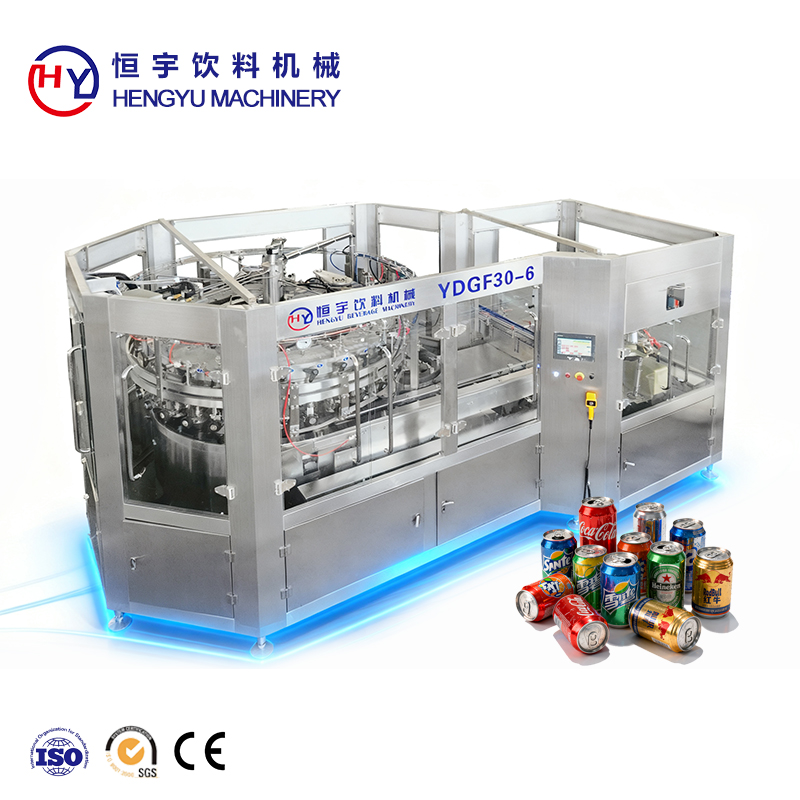
Flexible Production Capabilities Accommodate Business Growth
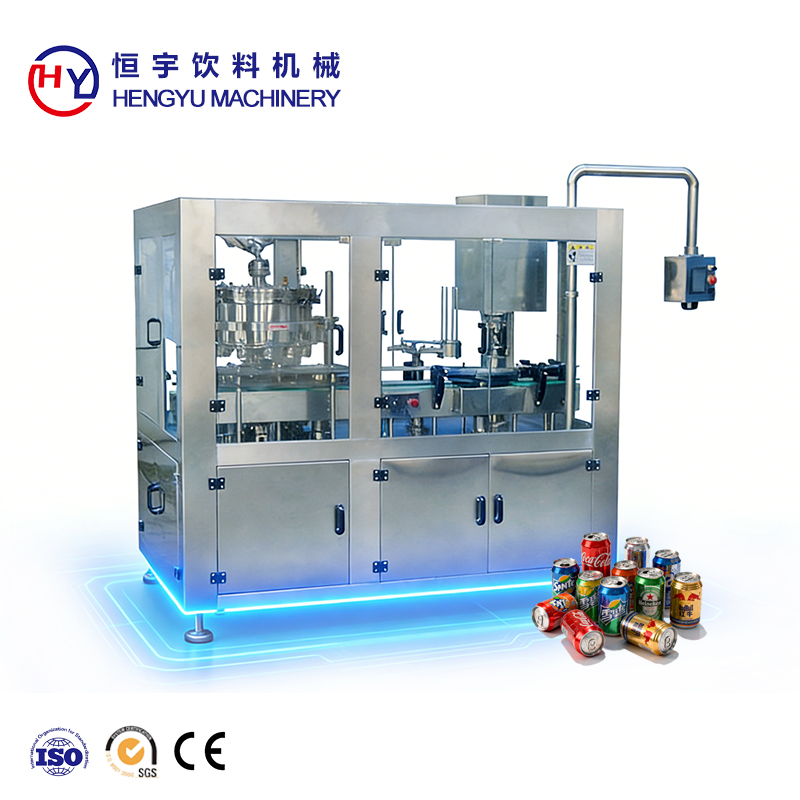
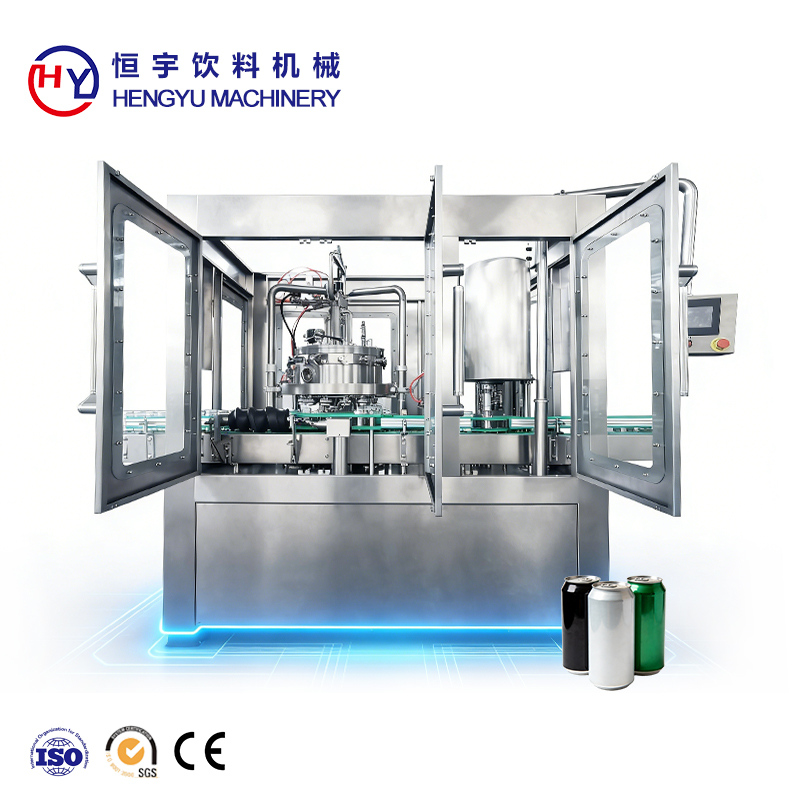
The adaptability engineered into contemporary beer can filling machines provides breweries with production systems that evolve alongside business expansion and changing market demands. This flexibility manifests across multiple dimensions including can size versatility, speed adjustability, and integration potential with upstream and downstream equipment. Starting with container versatility, quality beer can filling machines accommodate multiple can diameters and heights through quick-change components and adjustable guides that reposition in minutes rather than hours. A brewery might fill standard 355ml cans for mainstream products, switch to 473ml cans for premium offerings, and accommodate 250ml slim cans for specialty releases, all using the same core filling equipment. This adaptability eliminates the need for multiple dedicated filling lines that would require enormous capital investment and occupy excessive floor space. The economic advantage becomes particularly apparent for craft breweries and regional producers whose product portfolios include diverse offerings across different package formats. Modular construction principles allow businesses to begin with smaller configurations appropriate for current production volumes, then add filling heads, conveyors, and peripheral equipment as demand grows. A startup brewery might initially install an eight-head beer can filling machine producing 80 cans per minute, then expand to 16 or 24 heads as distribution reaches new markets, preserving the original investment while scaling capacity. Variable speed controls enable operators to match production rates to specific requirements rather than running equipment unnecessarily fast and risking quality issues or operating slower than necessary and limiting throughput. This adjustability proves valuable when filling different beer styles, as delicate products benefit from gentler handling while standard offerings can move through the system at maximum speed. Integration capabilities determine how effectively a beer can filling machine functions within complete packaging lines. Modern equipment features standardized communication protocols that coordinate operation with can destacking equipment, rinsing stations, seaming machines, date coders, and case packaging systems. Synchronized operation eliminates bottlenecks where cans accumulate between process stages, optimizing overall line efficiency. The control systems managing these interactions provide centralized monitoring and adjustment, allowing a single operator to oversee the entire packaging operation from one interface. Future-proofing represents another dimension of flexibility, as quality manufacturers design equipment with upgrade pathways that incorporate emerging technologies. Vision inspection systems, automatic adjustment capabilities, remote diagnostics, and advanced data analytics can often be added to existing beer can filling machines through modular expansions rather than requiring complete equipment replacement. This approach protects capital investments over extended periods while keeping production capabilities current with industry standards and competitive benchmarks.

 CN
CN