Carbonated Drink Filling Machine - Advanced Beverage Bottling Solutions for Optimal Production Efficiency

All Categories

carbonated drink filling machine

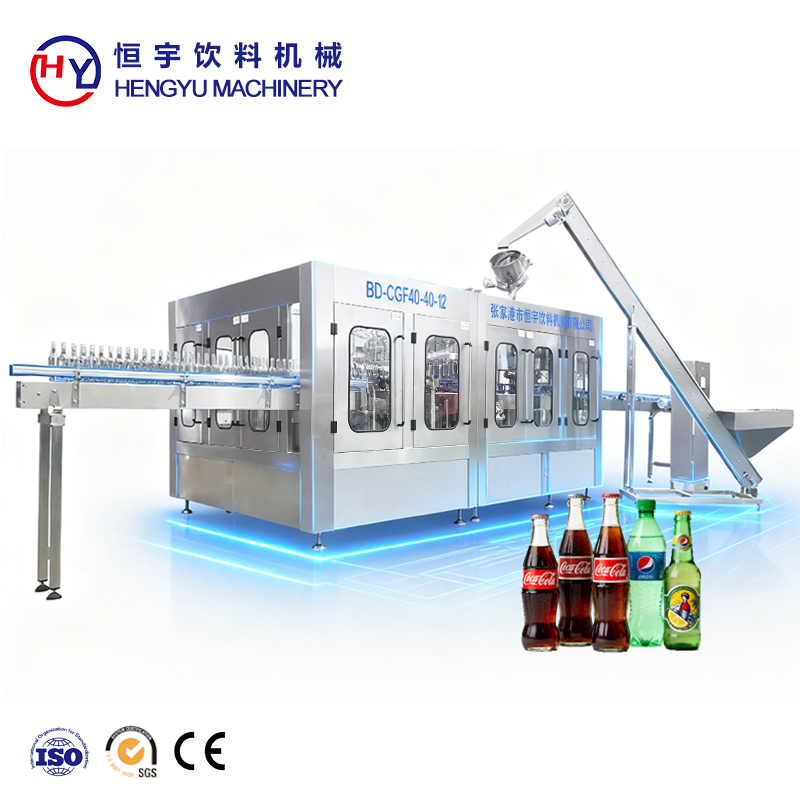
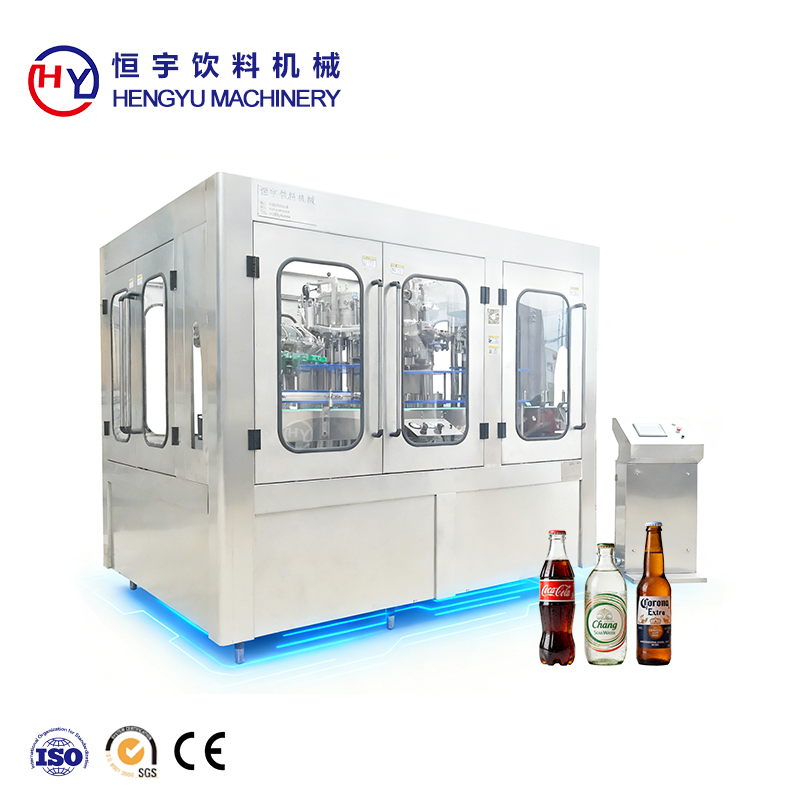
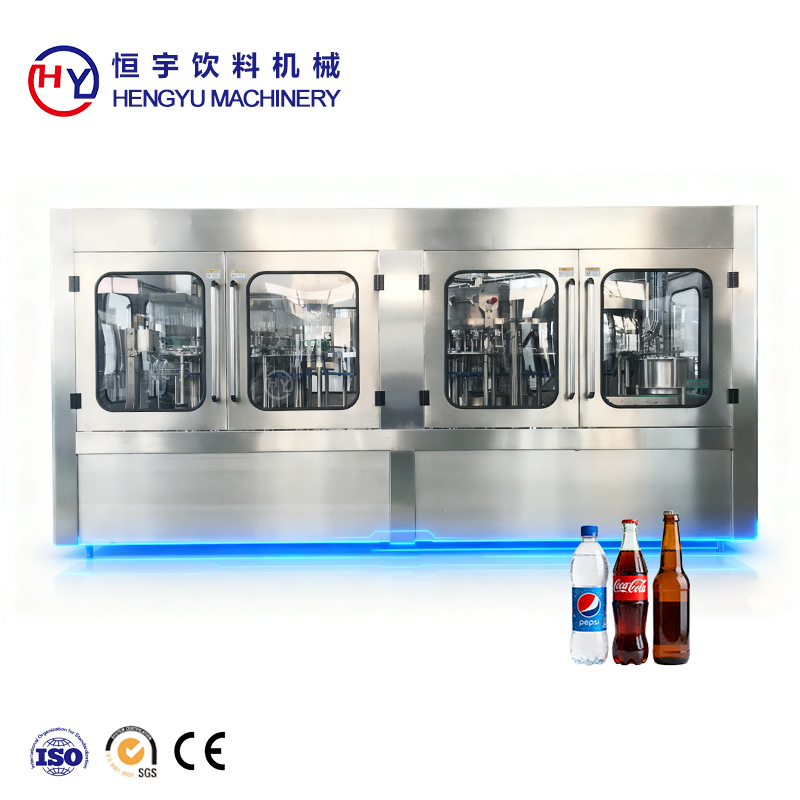
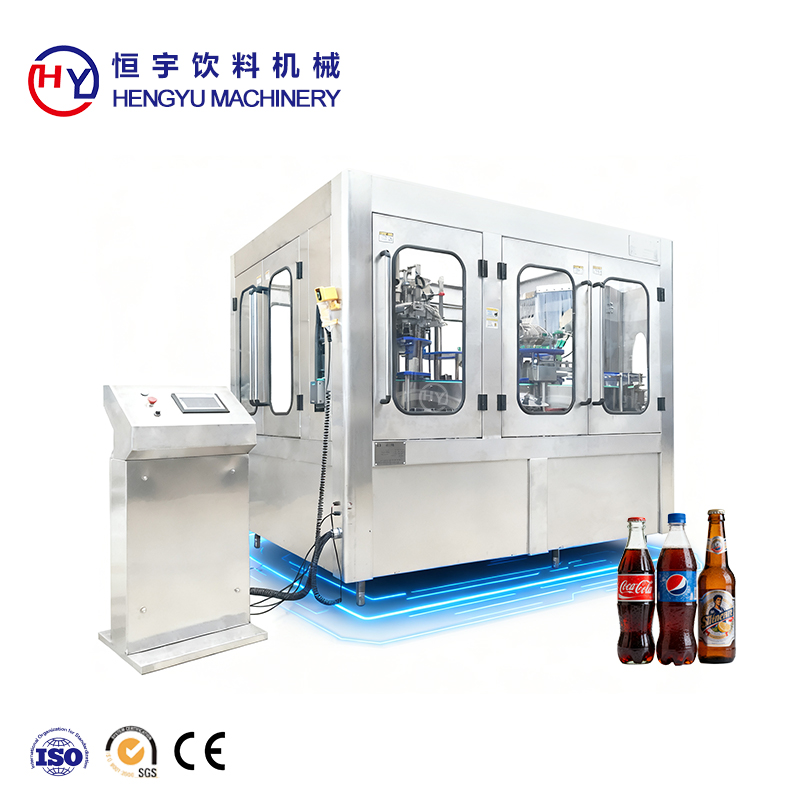
The carbonated drink filling machine represents a sophisticated solution designed specifically for bottling sparkling beverages with precision and efficiency. This automated equipment handles the complete process of filling carbonated drinks into various container types while maintaining optimal carbonation levels throughout production. Modern carbonated drink filling machines incorporate advanced pressure control systems that prevent gas loss during the filling operation, ensuring every bottle contains the perfect amount of fizz. These machines typically feature stainless steel construction that meets food-grade standards and resists corrosion from acidic beverages. The core functionality includes rinsing empty containers, filling them with carbonated liquid under controlled pressure conditions, and sealing caps immediately to preserve carbonation. Many carbonated drink filling machine models utilize isobaric filling technology, which equalizes pressure between the filling valve and the bottle interior before liquid transfer begins. This technological approach minimizes turbulence and foam generation while protecting the beverage's carbonation integrity. The equipment accommodates multiple container sizes and shapes through adjustable components, making it versatile for producing different product lines. Integration capabilities allow the carbonated drink filling machine to connect seamlessly with upstream and downstream equipment such as bottle washers, labelers, and packaging systems. The automation level ranges from semi-automatic units suitable for small production volumes to fully automatic high-speed lines capable of filling thousands of bottles per hour. Touch-screen interfaces provide operators with intuitive control over production parameters including filling volume, speed, pressure settings, and temperature monitoring. Safety features include emergency stop functions, protective guards, and sensors that detect container presence and proper positioning. The carbonated drink filling machine serves as the critical centerpiece of any sparkling beverage production line, directly influencing product quality, production efficiency, and operational profitability for beverage manufacturers worldwide.

New Product Recommendations

Investing in a quality carbonated drink filling machine delivers substantial benefits that directly impact your bottom line and product quality. First and foremost, these machines drastically reduce product waste by maintaining precise carbonation levels throughout the filling process. Traditional filling methods often result in significant gas loss, but modern machines preserve up to 98 percent of the original carbonation, ensuring customers receive the fizzy experience they expect. This preservation translates to fewer customer complaints and stronger brand reputation. The speed advantage cannot be overstated, with automated systems completing in minutes what would take hours manually. A mid-range carbonated drink filling machine can process between 3,000 to 12,000 bottles per hour depending on the model, dramatically increasing your production capacity without proportionally increasing labor costs. Labor savings represent another major benefit, as automation reduces the number of workers needed on the production floor. One operator can typically manage an entire filling line, compared to the multiple workers required for manual or semi-manual operations. This efficiency allows you to redirect human resources to quality control, product development, or customer service areas that add more value. Consistency stands as perhaps the most valuable advantage, with machines delivering uniform fill levels bottle after bottle. This consistency eliminates overfilling waste and underfilling compliance issues, both of which drain profits. The precision filling also ensures accurate inventory management and predictable material usage. Hygiene improvements come standard with modern carbonated drink filling machines, as enclosed filling environments minimize contamination risks from airborne particles, human contact, and environmental factors. The equipment typically features clean-in-place systems that sanitize all product-contact surfaces without disassembly, saving cleaning time while meeting stringent food safety standards. Energy efficiency has improved dramatically in recent machine generations, with optimized motors, variable frequency drives, and intelligent power management systems reducing electricity consumption by up to 30 percent compared to older models. Maintenance requirements have decreased simultaneously through better engineering and component quality, resulting in higher uptime percentages and lower repair costs. Flexibility provides another practical advantage, allowing manufacturers to switch between different bottle sizes and product formulations with minimal downtime. Quick-change parts and programmable recipes enable production variety without sacrificing efficiency. The return on investment typically materializes within 18 to 36 months for most operations, after which the carbonated drink filling machine continues generating value through reduced operating costs and increased output capacity for years to come.

Latest News

Glass Bottle Filling Machine vs Plastic Bottle Filling Machine

04

Mar

Glass Bottle Filling Machine vs Plastic Bottle Filling Machine

Material Properties Dictate Core Machine Design Glass fragility and thermal mass: why glass bottle filling machines require reinforced frames, shock-dampened conveyors, and precision neck-handling grippers Working with glass bottles means going th...
View More
How Bottled Water Production Lines Maintain Product Safety

12

Mar

How Bottled Water Production Lines Maintain Product Safety

Regulatory Foundations and the Multi-Barrier Safety Framework FDA, EPA, and ISO Standards Specific to Bottled Water Production Lines The bottled water industry works within a pretty strict set of regulations. The FDA has these things called Good Ma...
View More
How Can Filling Machines Improve Beverage Production Speed

24

Mar

How Can Filling Machines Improve Beverage Production Speed

Filling Machine Type Determines Maximum Throughput Potential Gravity, Isobaric, and Piston Can Filling Machines: Speed vs. Precision Trade-offs Gravity fillers work well for delicate drinks such as juice, processing around 20 to 36 bottles every mi...
View More
Troubleshooting Can Filling Machine Production Issues

21

Mar

Troubleshooting Can Filling Machine Production Issues

Power, Control, and Electrical Faults in Can Filling Machines Machine won't power on: main supply, fuses, and emergency stop circuit checks If the can filling machine won't start at all, the first thing to do is check whether the main power supply ...
View More

Get a Free Quote

Our representative will contact you soon.
Email
Name
Phone/WhatsApp
Required Product
Message
0/1000

carbonated drink filling machine

Advanced Isobaric Filling Technology Ensures Perfect Carbonation

Advanced Isobaric Filling Technology Ensures Perfect Carbonation

The cornerstone technology in premium carbonated drink filling machines is the isobaric filling system, which revolutionizes how sparkling beverages reach their containers. This sophisticated method addresses the fundamental challenge of filling carbonated liquids without losing precious gas content that gives drinks their signature fizz. The isobaric process works by first creating equal pressure conditions between the filling valve chamber and the bottle interior before any liquid transfer occurs. The carbonated drink filling machine achieves this by introducing carbon dioxide gas into the empty bottle until it matches the pressure of the liquid reservoir, typically ranging from 3 to 5 bar depending on the beverage formulation. Once pressure equilibrium is established, the filling valve opens and liquid flows into the bottle through gravity and gentle pressure differential rather than forceful injection. This controlled transfer method prevents the violent agitation and turbulence that would otherwise cause carbon dioxide to escape from solution, creating excessive foam and reducing the final product's carbonation level. The technology includes precision pressure sensors that continuously monitor conditions and adjust gas flow in real-time to maintain optimal parameters throughout each filling cycle. Return gas tubes built into the filling valves allow displaced air and excess carbon dioxide to escape the bottle in a controlled manner as liquid enters, preventing pressure spikes that could cause spillage or container deformation. The carbonated drink filling machine valve design typically features multiple chambers with strategically positioned openings that create smooth laminar flow rather than turbulent jets. Material selection for all wetted components uses high-grade stainless steel with electropolished surfaces that resist both corrosion and bacterial adhesion, maintaining sanitary conditions while ensuring longevity. The sealing gaskets utilize food-grade elastomers engineered to withstand repeated contact with acidic carbonated beverages and cleaning chemicals without degradation. Temperature control integration allows the carbonated drink filling machine to maintain the liquid at optimal filling temperature, usually between 2 to 6 degrees Celsius, since cooler liquids retain dissolved carbon dioxide more effectively than warm ones. This temperature management prevents foaming issues and ensures consistent carbonation levels across all filled bottles. The isobaric system delivers measurable results including carbonation retention rates exceeding 95 percent, fill level accuracy within plus or minus 2 millimeters, and virtually elimination of product spillage and waste during normal operation.
Intelligent Automation Maximizes Production Efficiency

Intelligent Automation Maximizes Production Efficiency

Modern carbonated drink filling machines incorporate intelligent automation systems that transform beverage production from a labor-intensive process into a streamlined, highly efficient operation. The automation architecture centers around programmable logic controllers that coordinate all machine functions with millisecond precision timing. These controllers manage the intricate sequence of operations including container infeed, positioning, pre-evacuation, filling, capping, and discharge while continuously monitoring dozens of sensors throughout the system. Operators interact with the carbonated drink filling machine through intuitive touchscreen human-machine interfaces that display real-time production data, allow parameter adjustments, and provide diagnostic information when issues arise. Recipe management functionality enables storing multiple product configurations with different fill volumes, carbonation levels, and speed settings that operators can recall instantly when changing production runs. The system automatically adjusts all relevant parameters when switching recipes, eliminating manual recalibration time and reducing the risk of setup errors. Servo motor technology drives critical movements including bottle positioning, filling valve activation, and capping head operation with exceptional accuracy and repeatability. These motors respond instantaneously to controller commands, enabling rapid speed changes and precise positioning that mechanical cam-driven systems cannot match. Variable frequency drives control the main conveyor motors, allowing smooth acceleration and deceleration that prevents bottle tipping while enabling quick speed adjustments to match upstream and downstream equipment pace. The carbonated drink filling machine automation includes sophisticated reject systems that automatically remove improperly filled, uncapped, or damaged containers from the production line without stopping operation. Vision systems or weight checkers verify fill levels and trigger pneumatic pushers that divert non-conforming bottles to separate collection areas for evaluation. No-bottle-no-fill sensors prevent the machine from dispensing product when containers are absent or improperly positioned, eliminating waste and reducing cleanup requirements. Automatic cleaning-in-place routines sanitize all product pathways through programmed sequences that heat cleaning solutions, circulate them through the system at specified flow rates and durations, and verify cleanliness through conductivity or turbidity measurements. The carbonated drink filling machine can execute these cleaning cycles during production breaks without requiring operator presence, maximizing productive uptime. Predictive maintenance features monitor component wear, cycle counts, and performance parameters to alert maintenance teams before failures occur, enabling scheduled repairs during planned downtime rather than emergency breakdowns. Data logging capabilities record production statistics, downtime events, and quality metrics that managers use to identify improvement opportunities and verify compliance with production standards. Remote connectivity options allow equipment manufacturers and technical support teams to access the carbonated drink filling machine control system for troubleshooting and optimization without traveling to the production facility, reducing response times and service costs.
Versatile Container Handling Accommodates Diverse Product Lines

Versatile Container Handling Accommodates Diverse Product Lines

The exceptional versatility of contemporary carbonated drink filling machines empowers beverage manufacturers to produce multiple product variations without investing in separate dedicated equipment for each container type. This adaptability stems from carefully engineered changeover systems that accommodate different bottle heights, diameters, and materials through mechanical adjustments completed in minimal time. The carbonated drink filling machine typically features tool-free adjustment mechanisms such as hand wheels, quick-release clamps, and sliding guide rails that operators can reposition according to new container specifications. Container handling begins at the infeed section where adjustable guide rails direct bottles onto the main conveyor with proper spacing and orientation. These guides feature spring-loaded or pneumatically actuated side panels that automatically center containers regardless of diameter variations, ensuring consistent positioning as bottles progress toward filling stations. Height adjustment systems allow the filling valves to accommodate containers ranging from small 200-milliliter bottles to large 2-liter formats by raising or lowering the valve carousel relative to the container conveyor. Centralized adjustment mechanisms move all filling heads simultaneously, maintaining uniform positioning across the entire carousel and preventing individual valve misalignment. The carbonated drink filling machine incorporates adjustable bottle platforms or neck handling systems that support containers during filling and capping operations. Neck handling designs grip bottles by their finish area using spring-loaded jaws that automatically adjust clamping force based on container size, preventing damage to lightweight plastic bottles while securely holding heavier glass containers. Material compatibility extends to various container types including polyethylene terephthalate bottles, glass bottles, and aluminum cans with appropriate format part changes. The machine manufacturer typically provides format change kits containing filling bells, sealing gaskets, capping chucks, and guide components optimized for each container style. Bottle material sensors detect whether incoming containers are plastic or glass, allowing the carbonated drink filling machine control system to automatically adjust handling speeds and capping torque to prevent damage. Capping versatility accommodates multiple closure types including screw caps, crown corks, and sport caps through interchangeable capping heads. Magnetic or quick-change mounting systems allow operators to swap capping heads in minutes without tools, and the control system stores torque specifications for each cap type to ensure proper seal without over-tightening. Recipe-based format memory enables the carbonated drink filling machine to recall complete changeover settings including guide positions, valve heights, conveyor speeds, and capping parameters for frequently produced items, reducing setup time from hours to minutes. This rapid changeover capability enables economical short production runs and allows manufacturers to respond quickly to market demands or seasonal variations without significant production delays. The format flexibility ultimately provides manufacturers with strategic advantages including reduced capital equipment investment, lower inventory carrying costs for multiple product lines, and ability to test new products without substantial financial commitment to dedicated filling equipment.