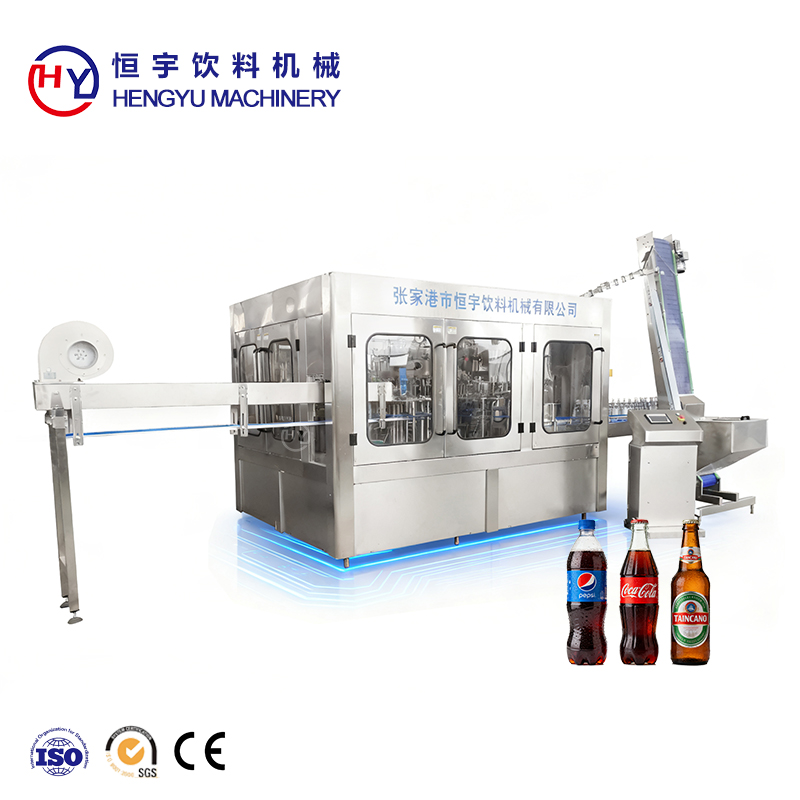
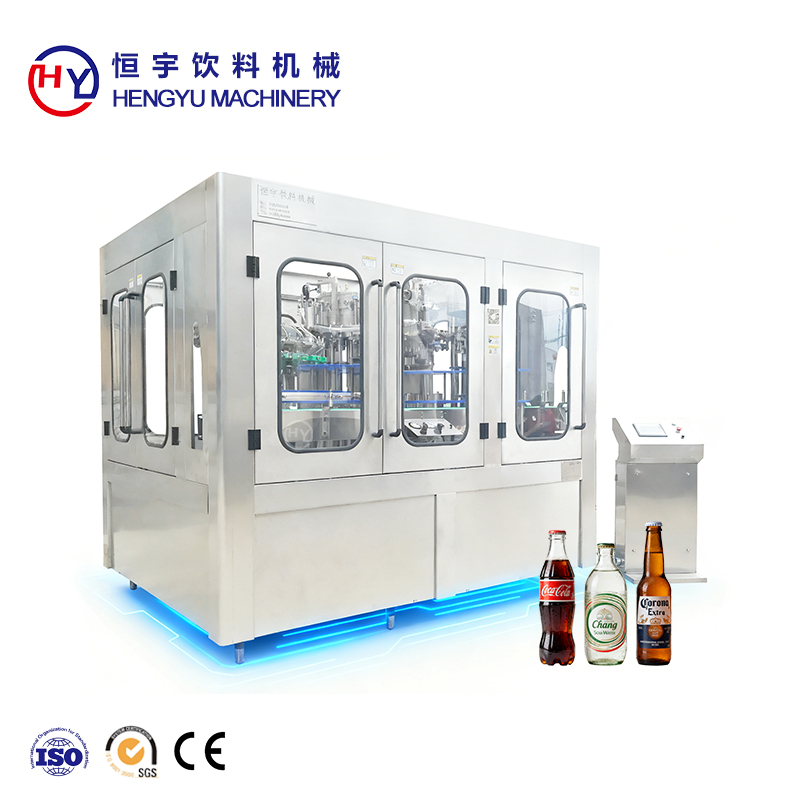
Soda Filling and Capping Machine - Advanced Automated Bottling Solutions for Carbonated Beverages

All Categories

soda filling and capping machine

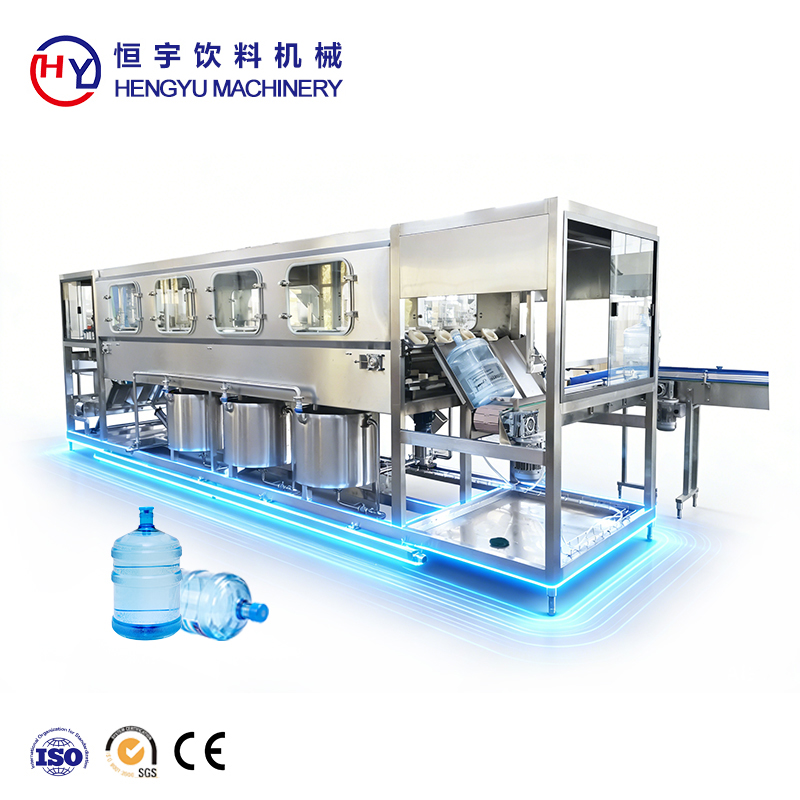
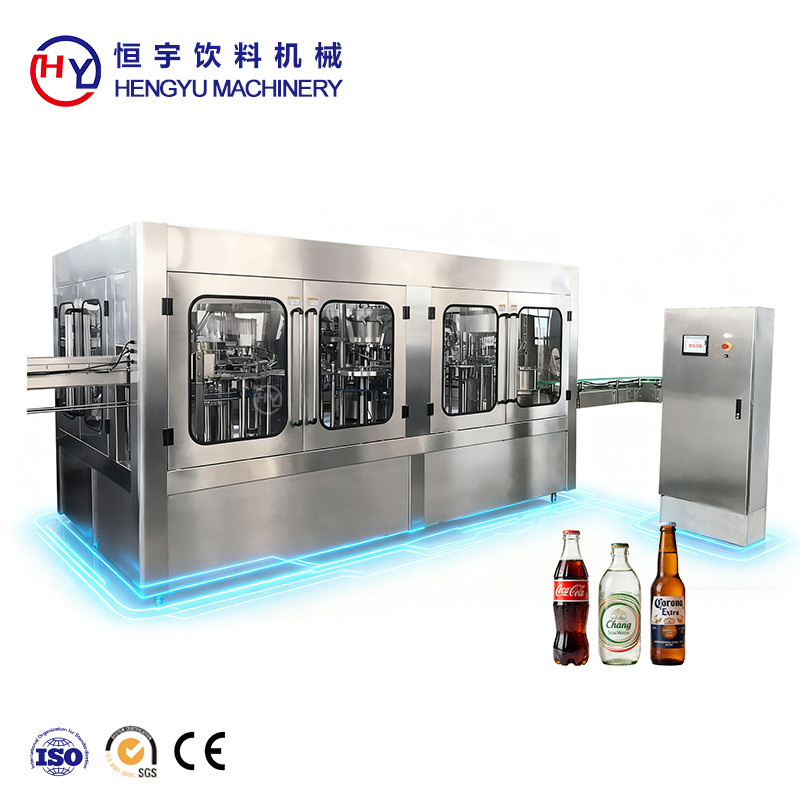
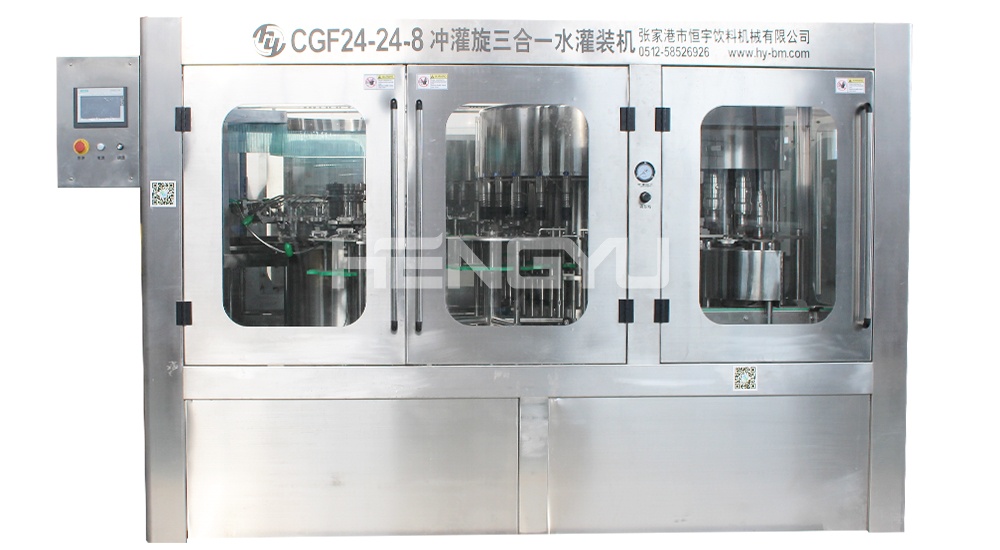
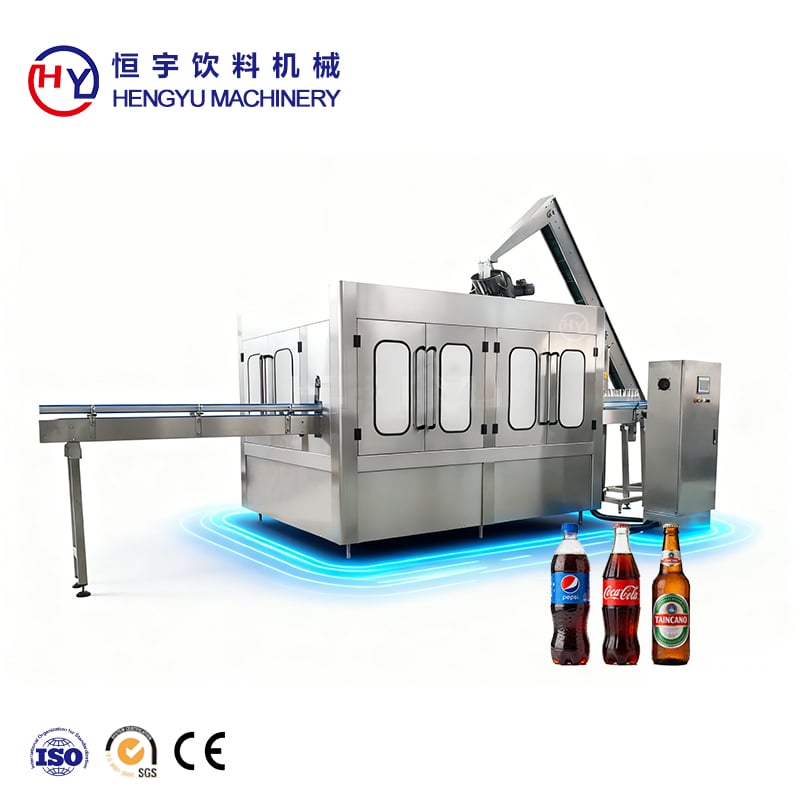
The soda filling and capping machine represents a comprehensive automated solution designed specifically for carbonated beverage production facilities. This sophisticated equipment streamlines the entire bottling process by integrating multiple operations into one seamless system. At its core, the machine performs two critical functions: precisely filling bottles with carbonated beverages while maintaining optimal carbonation levels, and securely applying caps to ensure product freshness and prevent gas escape. Modern soda filling and capping machine systems incorporate advanced technologies including isobaric filling principles, which equalize pressure between the filling tank and bottle to minimize foam formation and CO2 loss during the filling process. The equipment features precision flow meters and programmable logic controllers that monitor and adjust filling volumes in real-time, ensuring consistency across thousands of bottles per hour. The capping mechanism employs torque-controlled systems that apply caps with exact force specifications, preventing both loose seals and over-tightening that could damage bottle threads. These machines accommodate various bottle sizes ranging from small single-serve containers to large family-sized bottles, with quick-change capabilities that reduce downtime during format switches. Construction materials include food-grade stainless steel that meets international sanitary standards, ensuring product safety and facilitating easy cleaning procedures. The automation level extends to bottle handling systems with star wheels, conveyors, and guides that maintain smooth product flow throughout the filling line. Safety features include emergency stop mechanisms, protective guards, and automated rejection systems that identify and remove improperly filled or capped bottles. Applications span across soft drink manufacturers, mineral water producers with carbonation, energy drink companies, and craft soda makers seeking to scale their operations. The soda filling and capping machine integrates with upstream processes like bottle washing and downstream operations such as labeling and packaging, creating complete production lines that maximize efficiency and maintain product quality throughout the manufacturing cycle.

New Product Recommendations

Investing in a soda filling and capping machine delivers substantial operational benefits that directly impact your bottom line and production capabilities. First and foremost, these machines dramatically increase production speed compared to manual or semi-automated processes. A single system can handle anywhere from 3000 to 36000 bottles per hour depending on the model, allowing businesses to meet growing market demand without proportionally increasing labor costs. This speed advantage translates to faster order fulfillment and improved cash flow cycles. The precision engineering ensures exceptional consistency in fill levels, maintaining carbonation integrity throughout the production run. This consistency reduces product waste by minimizing overfilling while preventing underfilled bottles that fail quality standards. Every bottle receives the exact volume programmed into the system, protecting your profit margins and ensuring customers receive the product they paid for. Labor cost reduction represents another significant advantage as these automated systems require minimal operator intervention once properly configured. A small team can oversee operations that would otherwise demand dozens of workers, allowing you to reallocate human resources to value-added activities like quality control, maintenance, and process improvement. The hygienic design of modern systems protects product integrity and extends shelf life by preventing contamination during the filling and capping process. Enclosed filling environments minimize exposure to airborne contaminants while CIP (clean-in-place) capabilities simplify sanitation procedures between production runs. Energy efficiency has improved dramatically in recent generations of equipment, with optimized motors, intelligent power management systems, and reduced compressed air consumption lowering operational expenses. The flexibility to handle multiple bottle formats and cap styles without extensive retooling enables producers to diversify product offerings and respond quickly to market trends. This adaptability proves particularly valuable for businesses producing multiple beverage lines or seasonal offerings. Downtime reduction through predictive maintenance features and robust component design ensures maximum equipment availability during critical production periods. Many systems include diagnostic tools that alert operators to potential issues before they cause line stoppages, protecting production schedules and delivery commitments. The return on investment becomes evident within months for high-volume producers, as the combination of increased output, reduced waste, lower labor requirements, and improved quality creates multiple revenue protection and enhancement opportunities. Quality assurance improves through integrated inspection systems that verify fill levels, cap placement, and seal integrity automatically, catching defects before products reach distribution channels.

Latest News

How to Choose a Glass Bottle Filling Machine for Beverage Production

06

Mar

How to Choose a Glass Bottle Filling Machine for Beverage Production

Match Filling Technology to Beverage Type and Sensitivity Counter-Pressure Fillers for Carbonated Beverages and Beer Carbonated drinks like soda, sparkling water and beer need careful filling techniques to keep their fizz intact while avoiding exc...
View More
How Bottled Water Production Lines Maintain Product Safety

12

Mar

How Bottled Water Production Lines Maintain Product Safety

Regulatory Foundations and the Multi-Barrier Safety Framework FDA, EPA, and ISO Standards Specific to Bottled Water Production Lines The bottled water industry works within a pretty strict set of regulations. The FDA has these things called Good Ma...
View More
Can Filling Machine Technology for Carbonated Beverages

20

Mar

Can Filling Machine Technology for Carbonated Beverages

Isobaric Filling Principles: How Can Filling Machines Preserve Carbonation Under Pressure The Physics of CO₂ Solubility and Why Counter-Pressure Is Non-Negotiable The way carbon dioxide dissolves in drinks basically follows what we call Henry's Law...
View More
Troubleshooting Can Filling Machine Production Issues

21

Mar

Troubleshooting Can Filling Machine Production Issues

Power, Control, and Electrical Faults in Can Filling Machines Machine won't power on: main supply, fuses, and emergency stop circuit checks If the can filling machine won't start at all, the first thing to do is check whether the main power supply ...
View More

Get a Free Quote

Our representative will contact you soon.
Email
Name
Phone/WhatsApp
Required Product
Message
0/1000

soda filling and capping machine

Advanced Isobaric Filling Technology Preserves Carbonation Quality

Advanced Isobaric Filling Technology Preserves Carbonation Quality

The soda filling and capping machine employs advanced isobaric filling technology that represents a breakthrough in maintaining carbonation levels throughout the bottling process. This sophisticated approach addresses one of the most challenging aspects of carbonated beverage production: preventing CO2 loss during the transfer from bulk storage to individual containers. The isobaric principle operates by first pressurizing the empty bottle with CO2 gas to match the pressure inside the filling tank before liquid transfer begins. This pressure equalization eliminates the pressure differential that typically causes violent foaming and rapid gas escape when carbonated liquid contacts atmospheric pressure. During the filling cycle, the bottle and tank remain at identical pressure levels, allowing liquid to flow smoothly into the container without turbulence or agitation that would release dissolved carbon dioxide. The filling valves incorporate precision-engineered flow paths that maintain laminar flow characteristics, further reducing opportunities for gas breakout. Once the bottle reaches its target fill level, detected by sophisticated sensors, the system executes a controlled pressure release sequence that gradually reduces bottle pressure to atmospheric levels while minimizing carbonation loss. This gentle decompression prevents the explosive release that characterizes poorly designed systems. The technology delivers measurable benefits in final product quality, with carbonation retention rates exceeding ninety-eight percent compared to atmospheric filling methods that may lose twenty percent or more of dissolved gas. Consumers experience beverages with the intended effervescence level, crisp mouthfeel, and extended shelf stability. For producers, this translates to fewer customer complaints, reduced returns, and stronger brand reputation. The system accommodates varying carbonation levels across different product formulations, from lightly carbonated flavored waters to heavily carbonated cola products, through programmable pressure profiles. Operators can store recipes for different beverages and switch between them with minimal adjustment time. The enclosed filling environment also prevents oxygen ingress during bottling, protecting flavor compounds from oxidation that causes off-tastes and shortened shelf life. This oxygen barrier proves particularly important for products containing sensitive ingredients like natural fruit flavors or functional additives. The precision of isobaric filling extends to volume accuracy, as the controlled flow conditions enable exact measurement of liquid delivered to each container, ensuring regulatory compliance and protecting profit margins.
High-Speed Automated Capping Ensures Perfect Seals Every Time

High-Speed Automated Capping Ensures Perfect Seals Every Time

The capping component of the soda filling and capping machine delivers critical functionality that secures product quality from the production line through consumer consumption. Modern capping systems employ servo-driven torque control mechanisms that apply caps with precisely calibrated force, ensuring optimal seal formation without bottle or closure damage. This precision matters enormously because carbonated beverages require higher seal integrity than non-carbonated products due to internal pressure from dissolved CO2 constantly seeking escape routes. The automated capping head descends onto each filled bottle with programmable speed profiles that accommodate different cap styles including twist-off metal crowns, plastic screw caps, sports caps, and specialty closures. Magnetic clutch systems or electronic torque monitoring provides real-time feedback during cap application, automatically adjusting applied force based on actual resistance encountered. This adaptive capability compensates for minor variations in cap threading, bottle finish dimensions, or material properties that could otherwise result in inconsistent seals. The system rejects bottles that fall outside acceptable torque parameters, preventing both loose caps that leak carbonation and over-torqued applications that strip threads or crack bottle finishes. Cap feeding mechanisms maintain continuous supply to capping heads through vibratory bowl feeders or cap elevator systems that orient closures correctly and deliver them precisely when needed. This automation eliminates manual cap handling, improving hygiene and operational speed. The capping station typically processes bottles at rates matching the filling speed, creating balanced line performance without bottlenecks. For high-volume operations, multiple capping heads work simultaneously on adjacent bottles, multiplying throughput capacity. The equipment accommodates rapid format changes when switching between bottle sizes or cap types through tool-free adjustment systems and saved parameter profiles. Operators can complete changeovers in minutes rather than hours, maximizing productive runtime. Sanitary design principles ensure that cap contact surfaces remain contaminant-free through stainless steel construction and accessible cleaning points. Some advanced systems include cap sterilization stations using UV light or chemical sanitizers immediately before application, adding an extra quality assurance layer. The mechanical reliability of modern capping systems minimizes maintenance requirements and unexpected downtime through heavy-duty components designed for millions of cycles. Predictive maintenance sensors monitor bearing wear, motor performance, and mechanical alignment, alerting maintenance teams to service needs before failures occur. The integration between filling and capping operations ensures that only properly filled bottles receive caps, while inspection systems verify cap presence and proper seating before bottles exit the machine.
Flexible Format Handling Maximizes Production Versatility

Flexible Format Handling Maximizes Production Versatility

The soda filling and capping machine delivers exceptional format flexibility that empowers beverage producers to adapt quickly to market demands and product portfolio expansion. This versatility stems from intelligent mechanical design and sophisticated control systems that accommodate diverse bottle geometries, capacities, and materials without requiring extensive equipment modifications. The machine handles bottles ranging from small two-hundred-milliliter containers popular in convenience retail to large two-liter family-size formats, with height adjustments, width changes, and conveyor modifications executed through user-friendly interfaces or simple mechanical adjustments. This range capability proves invaluable for producers serving multiple market segments or seasonal demand patterns that shift between package sizes. The system equally accommodates different bottle materials including PET plastic, glass, and specialized lightweight containers, automatically adjusting handling parameters to prevent damage while maintaining processing speed. Format changeover procedures have been streamlined through quick-release mechanisms, color-coded adjustment points, and stored recipe parameters that recall all settings associated with specific product configurations. Experienced operators can complete format changes in fifteen to thirty minutes, dramatically reducing non-productive time compared to older systems requiring hours of manual adjustment and test runs. The filling system adapts to different product viscosities and carbonation levels through programmable flow rates, pressure settings, and timing parameters. This chemical flexibility allows a single machine to handle traditional sodas, energy drinks with different formulations, carbonated waters, and even lightly carbonated juice beverages. The capping system similarly accommodates various closure types and sizes through interchangeable capping heads and adjustment mechanisms that modify grip diameter, descent depth, and applied torque. Product innovation becomes less constrained by equipment limitations, enabling marketing teams to explore new package concepts and limited-edition offerings without capital investment in dedicated machinery. The conveyor system features adjustable guide rails that center bottles regardless of diameter while maintaining proper spacing for filling head and capping station access. Star wheel configurations can be swapped to match different bottle neck finishes and body shapes, ensuring smooth transitions between processing stations. The control system architecture supports recipe management with unlimited storage capacity for different product configurations, each containing dozens of parameters governing every aspect of machine operation. Operators select the desired product from a touchscreen interface, and the machine automatically configures itself, eliminating manual setup errors and ensuring consistent results. This flexibility extends equipment lifespan by maintaining relevance as product portfolios evolve, protecting capital investments, and delivering superior return on investment compared to single-format specialized equipment that becomes obsolete when market preferences shift.