Soda Bottle Filling Plant - Advanced Carbonated Beverage Production Equipment Solutions

All Categories

soda bottle filling plant

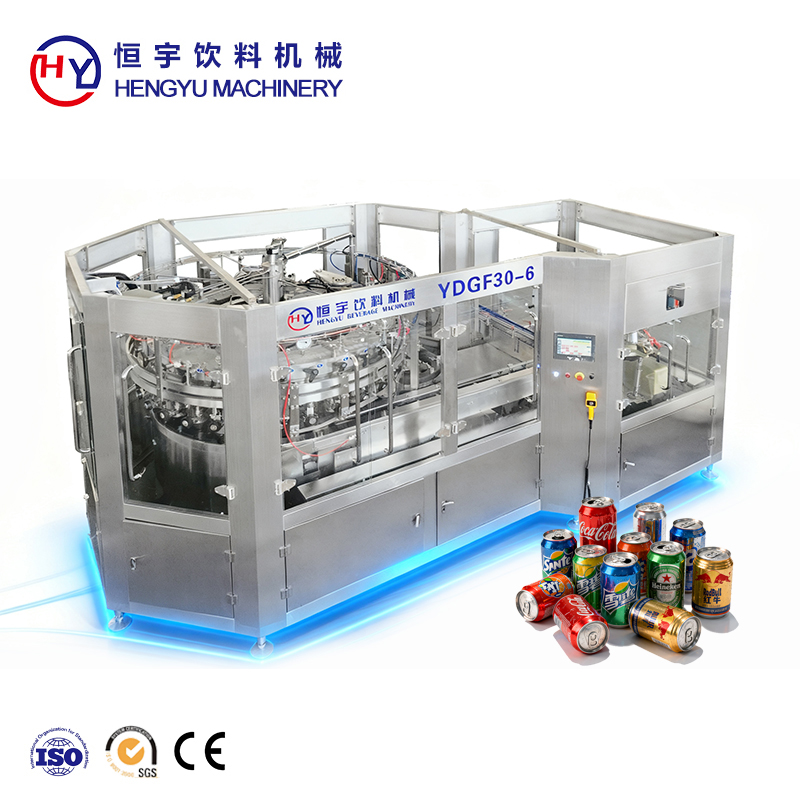
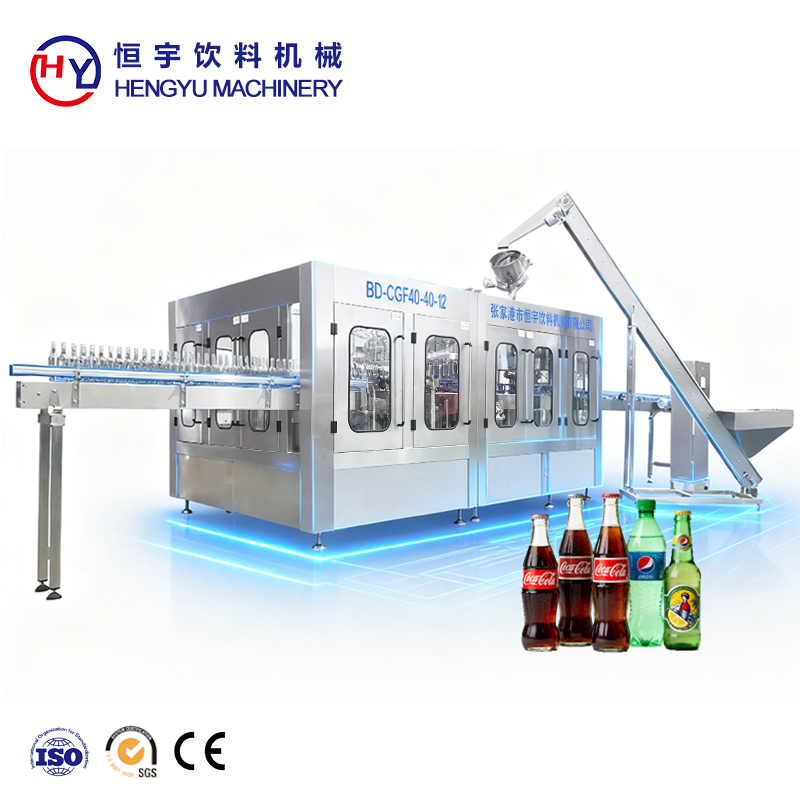
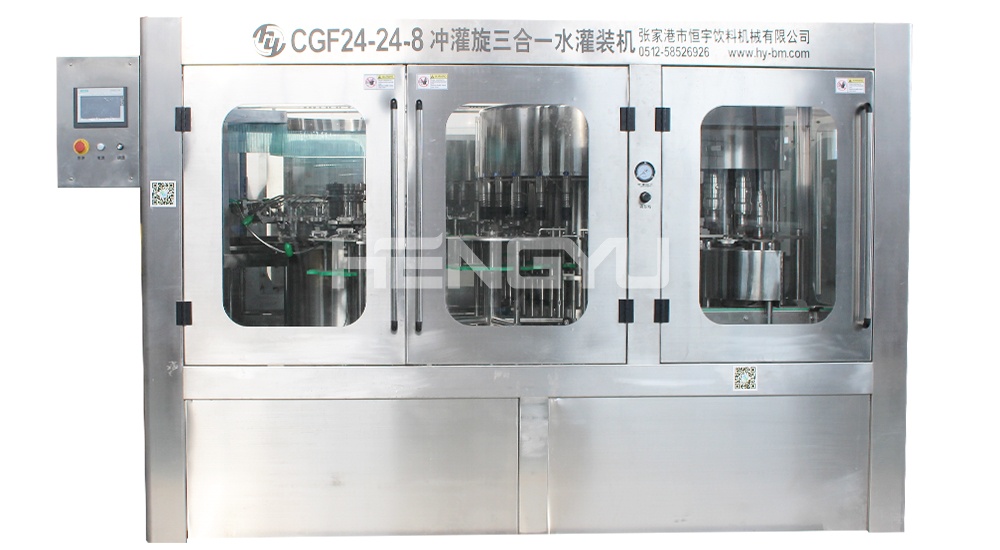
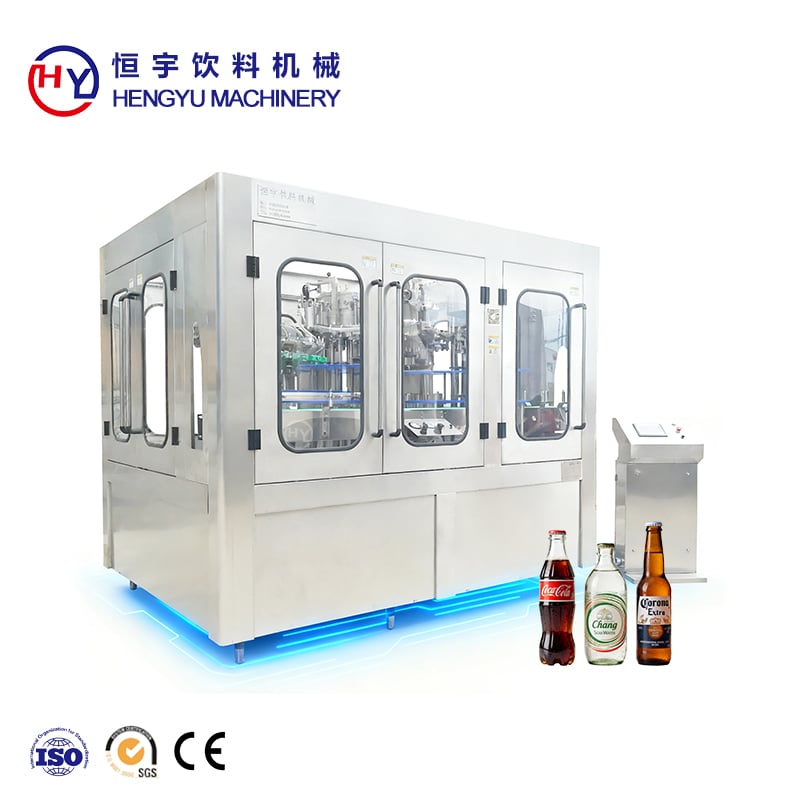
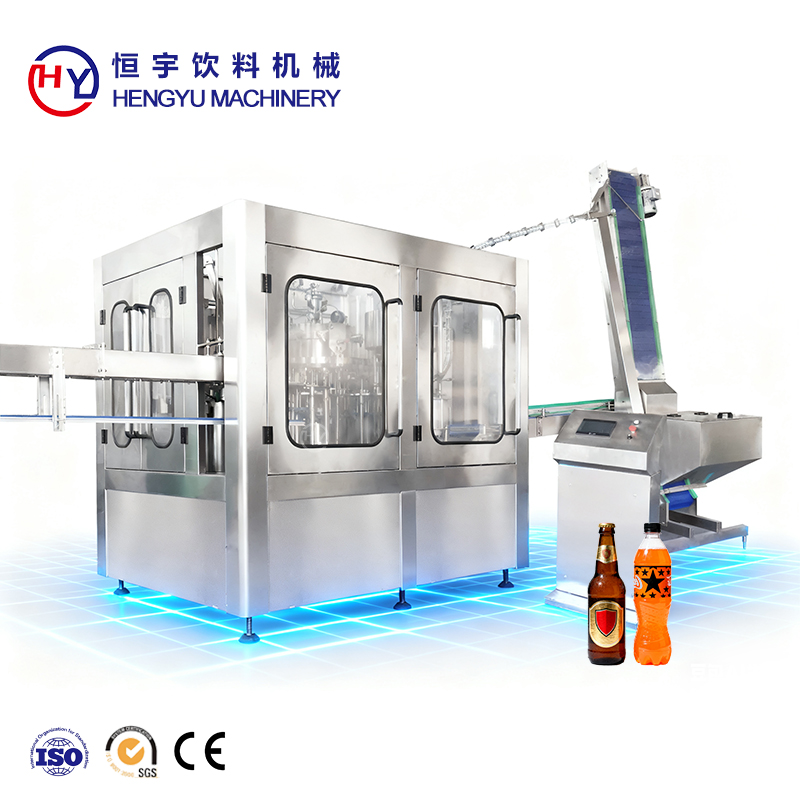
A soda bottle filling plant represents a comprehensive automated production system designed specifically for carbonated beverage manufacturing and packaging operations. This sophisticated equipment integrates multiple processing stages into a seamless workflow, handling everything from bottle preparation through final product packaging. The primary functions encompass bottle rinsing, precise liquid filling, secure capping, labeling, and quality inspection, all synchronized to maintain consistent production standards. Modern soda bottle filling plants utilize advanced PLC control systems that monitor every aspect of the operation, ensuring accuracy and reliability throughout the entire production cycle. The technological features include high-speed rotary filling mechanisms that can process thousands of bottles per hour while maintaining exact fill levels and carbonation retention. These systems incorporate specialized valves designed to handle pressurized carbonated liquids without losing gas content, which is essential for maintaining product quality and taste. The filling plant employs stainless steel construction throughout fluid contact areas, meeting strict food safety standards and facilitating easy cleaning and sanitization procedures. Automated bottle handling systems use conveyors, star wheels, and timing screws to transport containers smoothly between processing stations, minimizing breakage and maximizing efficiency. Applications for soda bottle filling plants span various industries including soft drink manufacturers, bottled water producers with carbonation, energy drink companies, and sparkling beverage brands of all sizes. The equipment can accommodate different bottle formats ranging from small single-serve containers to large family-size bottles, with quick changeover capabilities for production flexibility. Temperature control systems maintain optimal filling conditions, preventing foaming and ensuring consistent carbonation levels across every bottle produced. The integration of inspection systems detects underfilled or improperly sealed bottles, automatically rejecting defective units before they reach distribution channels, thereby protecting brand reputation and ensuring customer satisfaction with every purchase.

Popular Products

Investing in a soda bottle filling plant delivers substantial operational benefits that directly impact your bottom line and production capabilities. First and foremost, automation dramatically increases production speed compared to manual or semi-automated processes, allowing manufacturers to meet growing market demand without proportionally increasing labor costs. A quality filling plant can process between 3000 to 36000 bottles per hour depending on configuration, enabling businesses to scale operations efficiently as sales volumes expand. The precision of automated filling systems significantly reduces product waste by dispensing exact quantities every time, eliminating costly overfilling while ensuring customers receive the full amount they paid for, which builds trust and loyalty. Energy efficiency represents another key advantage, as modern plants incorporate variable frequency drives and optimized motor systems that consume less electricity while maintaining high output levels, reducing monthly utility expenses considerably. The consistency achieved through automation ensures every bottle meets identical quality standards, eliminating variations that could damage brand reputation or lead to customer complaints and returns. Maintenance requirements remain manageable thanks to robust construction and readily available replacement parts, minimizing downtime and keeping production lines running smoothly throughout busy seasons. Worker safety improves substantially since automation handles heavy lifting, repetitive motions, and exposure to cleaning chemicals, reducing workplace injuries and associated costs. The compact footprint of integrated filling systems maximizes factory floor space utilization, allowing businesses to increase production capacity within existing facilities rather than investing in expensive building expansions. Flexibility in handling various bottle sizes and shapes means manufacturers can diversify product lines without purchasing entirely new equipment, simply adjusting settings and changing format parts during planned changeovers. Hygienic design features including CIP systems allow thorough cleaning without disassembly, maintaining food safety standards while reducing cleaning time and labor requirements between production runs. Real-time monitoring capabilities provide production managers with instant visibility into line performance, quickly identifying bottlenecks or issues before they escalate into major problems affecting output targets. The return on investment timeline remains attractive, with most operations recouping equipment costs within two to four years through increased efficiency, reduced waste, and higher production volumes. Long-term durability ensures the filling plant continues operating reliably for decades with proper maintenance, providing sustained value far beyond the initial purchase period and delivering competitive advantages in increasingly demanding beverage markets.

Practical Tips

How to Choose a Glass Bottle Filling Machine for Beverage Production

06

Mar

How to Choose a Glass Bottle Filling Machine for Beverage Production

Match Filling Technology to Beverage Type and Sensitivity Counter-Pressure Fillers for Carbonated Beverages and Beer Carbonated drinks like soda, sparkling water and beer need careful filling techniques to keep their fizz intact while avoiding exc...
View More
Can Filling Machine Technology for Carbonated Beverages

20

Mar

Can Filling Machine Technology for Carbonated Beverages

Isobaric Filling Principles: How Can Filling Machines Preserve Carbonation Under Pressure The Physics of CO₂ Solubility and Why Counter-Pressure Is Non-Negotiable The way carbon dioxide dissolves in drinks basically follows what we call Henry's Law...
View More
Can Sealing Machine Maintenance Tips

23

Mar

Can Sealing Machine Maintenance Tips

Daily and Weekly Preventive Maintenance for Your Can Sealing Machine Essential Daily Checks: Belt Tension, Sealing Bar Alignment, and Tape Head Cleanliness Starting every shift with a quick check on belt tension makes all the difference. If belts a...
View More
Automation Technology in Can Sealing Machines

24

Mar

Automation Technology in Can Sealing Machines

How Automation Enhances Precision and Reliability in Can Sealing Machines Core Automation Components: Servo Drives, Vision Systems, and Closed-Loop Feedback in Modern Can Sealing Machines Today's can sealing equipment reaches incredible levels of p...
View More

Get a Free Quote

Our representative will contact you soon.
Email
Name
Phone/WhatsApp
Required Product
Message
0/1000

soda bottle filling plant

Advanced Carbonation Preservation Technology

Advanced Carbonation Preservation Technology

The soda bottle filling plant incorporates specialized carbonation preservation technology that sets it apart from standard liquid filling equipment, addressing the unique challenges of handling pressurized beverages. This sophisticated system maintains optimal CO2 levels throughout the entire filling process, preventing gas loss that would result in flat-tasting products and disappointed customers. The technology begins with pre-evacuation chambers that remove air from bottles before filling, creating a low-oxygen environment that prevents oxidation and carbonation degradation. Counter-pressure filling valves represent the core innovation, maintaining bottle internal pressure equal to the product tank pressure during liquid transfer, which prevents carbonation from escaping as bubbles when liquid enters the container. These precision-engineered valves open and close in carefully timed sequences, first pressurizing the empty bottle, then introducing liquid smoothly from the bottom up to minimize turbulence and foaming. Temperature control systems integrated throughout the filling plant keep beverages at precise cooling levels, typically between 2 to 4 degrees Celsius, since colder liquids retain dissolved carbon dioxide more effectively than warmer ones. The filling tank itself features insulated walls and glycol cooling jackets that maintain consistent product temperature even during extended production runs in warm factory environments. Pressure regulation systems constantly monitor and adjust carbonation levels in the product tank, compensating for environmental changes and ensuring every bottle receives the same fizzy experience. The bowl design of rotary fillers creates a sealed environment where product remains under controlled pressure until the exact moment it enters bottles, preventing premature gas release. Specialized sealing materials in all gaskets and O-rings resist carbonated beverage contact without degrading or imparting flavors, maintaining system integrity over thousands of production hours. Electronic sensors continuously measure pressure differentials and filling volumes, providing feedback to control systems that make microsecond adjustments maintaining perfect filling accuracy. This attention to carbonation preservation directly translates to superior product quality, longer shelf life, and enhanced consumer satisfaction, giving beverage brands a competitive edge in markets where taste and refreshment experience drive purchasing decisions and repeat sales.
Intelligent Quality Control and Inspection Systems

Intelligent Quality Control and Inspection Systems

Modern soda bottle filling plants integrate comprehensive quality control mechanisms that automatically monitor production and ensure every bottle meets established standards before leaving the facility. These intelligent inspection systems employ multiple detection technologies working in concert to identify defects that human inspectors might miss, especially during high-speed production runs processing hundreds of bottles per minute. Empty bottle inspection stations utilize high-resolution cameras and LED lighting arrays to examine containers before filling, detecting cracks, chips, contamination, or manufacturing defects that could compromise product integrity or consumer safety. The vision systems analyze bottle sidewalls, bases, and finish areas in milliseconds, automatically rejecting defective containers to side conveyors while allowing perfect bottles to continue toward filling stations. Fill level inspection represents a critical quality checkpoint, where optical sensors or X-ray technology measures liquid height in every bottle, ensuring compliance with regulatory requirements and maintaining consistent product delivery. Underfilled bottles cost manufacturers lost revenue while overfilled containers waste expensive product and may cause leakage issues, making precise detection essential for operational efficiency. Cap application monitoring systems verify that closures are present, properly aligned, and torqued to specifications that prevent leakage while remaining easy for consumers to open. Missing cap detectors immediately identify any bottle that failed to receive a closure, removing it from production before it can spill product or reach distribution channels. Advanced systems even measure cap application torque, ensuring seals are neither too loose to maintain carbonation nor too tight for customers to open comfortably. Label inspection technology confirms that labels are present, properly positioned, and free from printing defects, protecting brand image by ensuring only attractive, professionally packaged products reach retail shelves. The intelligent control systems record all inspection data, generating production reports that help quality managers identify trends, optimize processes, and demonstrate compliance with food safety regulations. Reject handling mechanisms automatically divert defective bottles to collection areas for analysis and recycling, preventing any possibility of flawed products mixing with acceptable inventory. Statistical process control algorithms analyze inspection data in real-time, alerting operators when trends indicate potential equipment issues before they result in significant product waste or quality failures. This comprehensive approach to quality assurance reduces customer complaints, minimizes costly recalls, and builds consumer confidence in brand consistency and reliability.
Flexible Production and Quick Changeover Capabilities

Flexible Production and Quick Changeover Capabilities

The soda bottle filling plant delivers exceptional production flexibility through engineered changeover systems that allow manufacturers to switch between different bottle sizes, product formulations, and packaging configurations with minimal downtime. This adaptability proves invaluable for beverage companies serving diverse markets or introducing seasonal flavors and limited-edition products that require frequent production schedule adjustments. The modular design philosophy underlying these systems means critical components like filling valves, capping heads, and conveyor guides adjust through simple mechanical changes or electronic parameter updates rather than requiring complete equipment replacement. Bottle handling components utilize tool-free adjustment mechanisms where operators simply loosen clamps, slide guides to new positions matching different container diameters, and retighten, completing format changes in minutes rather than hours. Star wheel assemblies that transfer bottles between conveyor sections come in various pocket sizes, with quick-release mounting systems allowing crews to swap configurations appropriate for small, medium, or large bottles during scheduled changeover periods. Filling valve nozzles feature modular designs where different diameter tips accommodate various bottle neck finishes, with color-coded components preventing mix-ups and ensuring correct parts get installed for each production format. Capping station adjustments accommodate different closure types including twist-off caps, crown caps, and sport caps, with mechanical height adjustments and interchangeable chuck assemblies providing compatibility across diverse packaging requirements. The recipe management system stores parameters for different products including filling volumes, capping torque settings, conveyor speeds, and inspection thresholds, allowing operators to recall complete production configurations instantly through touchscreen interfaces. This eliminates manual calculations and reduces changeover errors that could result in product waste or quality issues when transitioning between different beverage formulations. Cleaning systems designed for quick product changeovers minimize water and chemical consumption while thoroughly removing previous product traces, essential when alternating between different flavors or formulations that must not cross-contaminate. Production scheduling software helps manufacturers maximize equipment utilization by optimizing batch sequences, grouping similar products together to minimize changeover frequency while still meeting customer delivery requirements. Training programs ensure operators understand changeover procedures thoroughly, building team confidence and competence that translates to faster transitions and fewer mistakes during format switches. The economic impact of this flexibility extends beyond operational efficiency, enabling manufacturers to respond quickly to market opportunities, test new product concepts without major capital investments, and serve niche markets that larger, less flexible competitors cannot profitably address.