Multi-Stage Automated Integration System
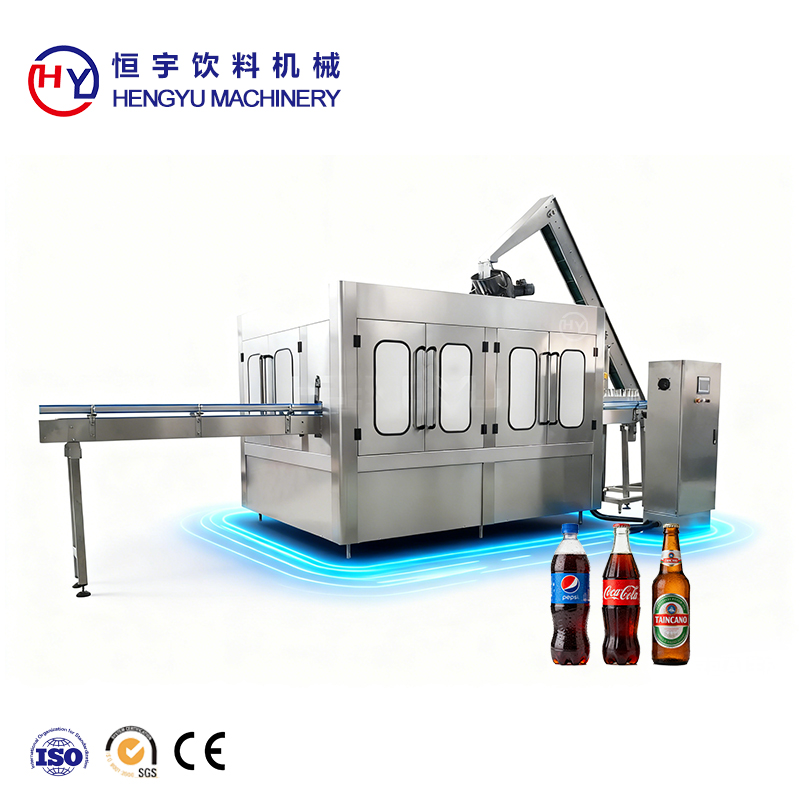
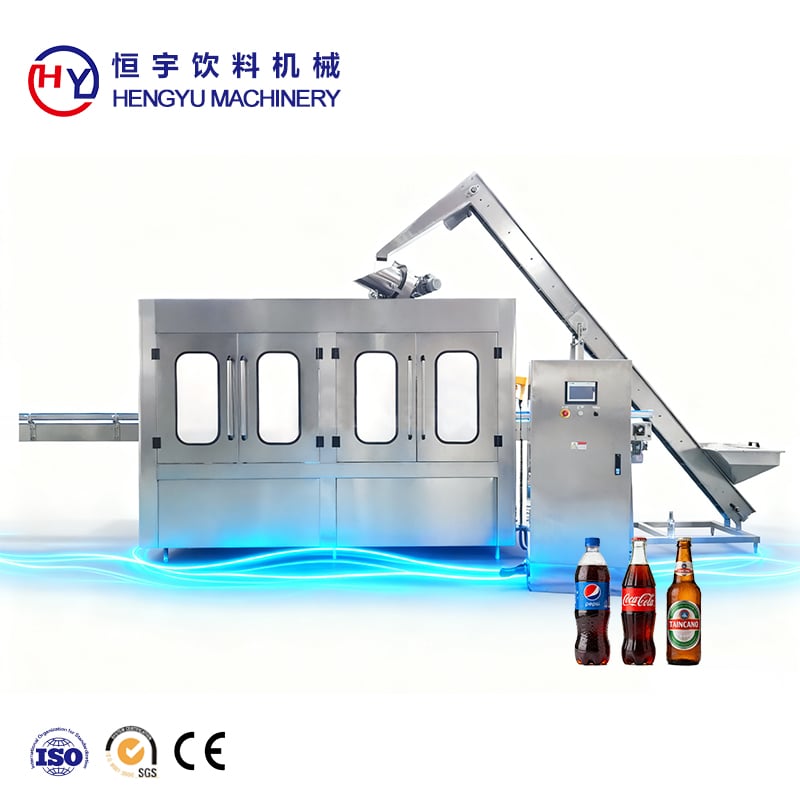
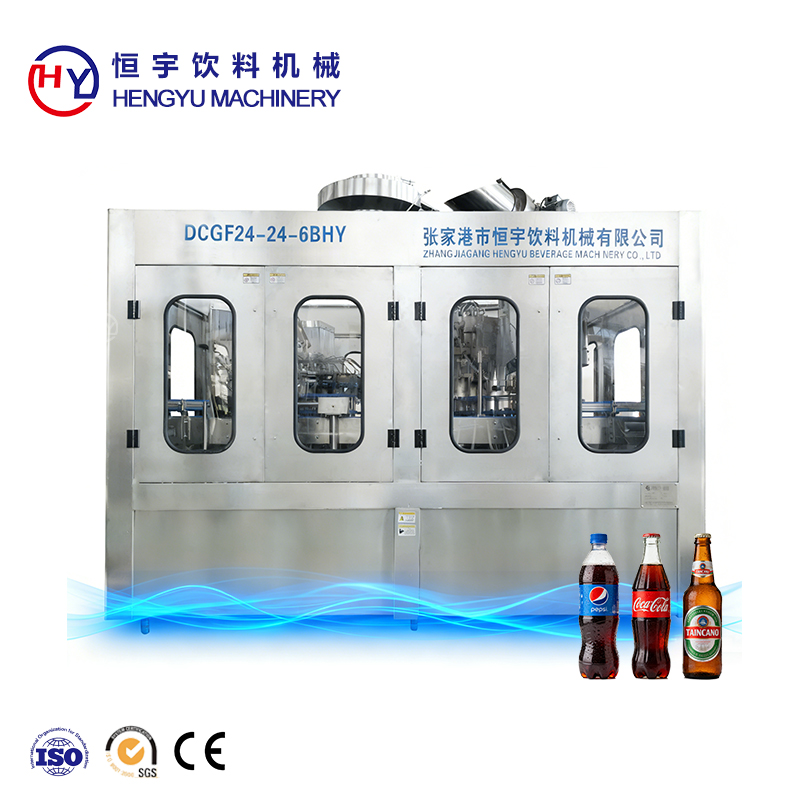
The comprehensive multi-stage integration capability of contemporary soda bottling machines transforms isolated production steps into a seamless automated workflow that maximizes efficiency while minimizing labor requirements. This integrated approach begins with the bottle infeed system that automatically positions empty containers onto the conveyor system, eliminating manual placement that creates bottlenecks and increases repetitive strain injuries among workers. Pre-filling rinse stations use purified water or sterile air jets to remove dust, debris, or manufacturing residues from bottle interiors, ensuring pristine conditions before beverage introduction. The synchronized timing between rinsing and filling prevents bottles from sitting empty after cleaning, which could allow recontamination before the filling stage. The filling module itself coordinates multiple filling heads working simultaneously, with each head operating independently to accommodate slight variations in bottle positioning while maintaining overall system rhythm. Post-filling operations include automatic cap placement systems that select appropriate closures from bulk feeders, position them precisely over bottle openings, and apply calibrated torque or crimping force to create secure seals without damaging threads or crushing caps. Torque monitoring ensures every cap meets specified tightness standards, preventing leaks during transportation while avoiding over-tightening that makes bottles difficult for consumers to open. The integration extends to labeling stations where machines apply front labels, back labels, and neck labels in perfect alignment, creating professional packaging that enhances brand presentation. Code printing capabilities add production dates, batch numbers, and expiration information directly onto bottles or caps, supporting traceability requirements and inventory management protocols. Automatic inspection systems use cameras and sensors to verify fill levels, cap presence, label placement, and overall bottle condition, rejecting defective units before they enter packaging stages. This quality gate prevents shipping substandard products that damage brand reputation and generate costly returns. The packaging integration includes grouping bottles into multipacks, placing them in cartons or shrink-wrap configurations, and preparing finished goods for palletizing or direct warehouse storage. Centralized control systems manage all these stages through a single interface, allowing operators to monitor the entire production line from one location and make coordinated adjustments that optimize overall throughput. Data collection features track production metrics including bottles processed, rejection rates, downtime causes, and efficiency percentages, providing actionable insights for continuous improvement initiatives. The modular design allows businesses to start with basic configurations and add stages as production volumes grow, protecting initial investments while supporting scalable expansion.

 CN
CN