Exceptional Production Speed With Consistent Accuracy
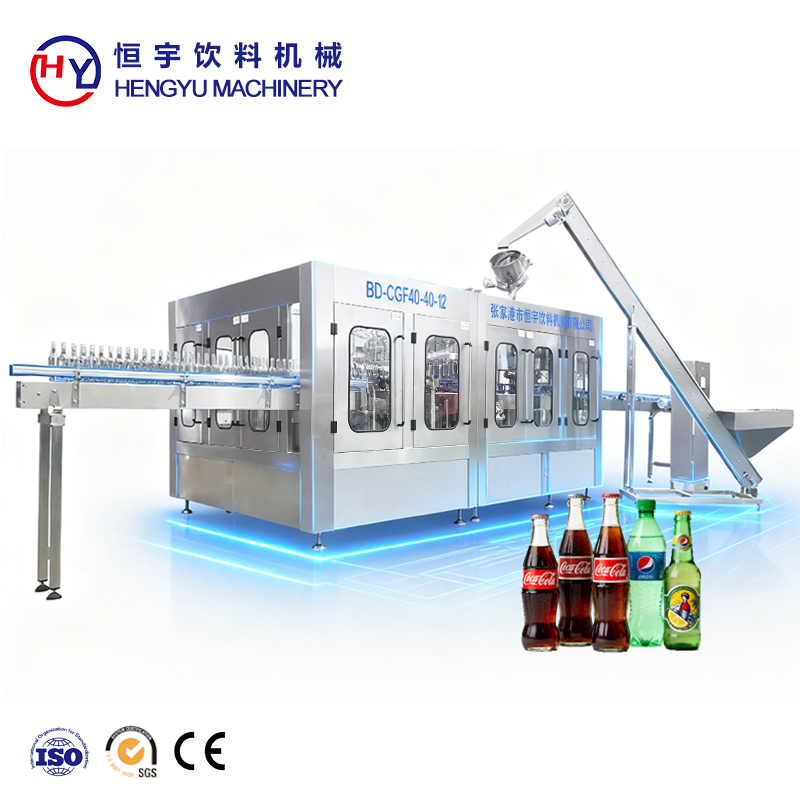
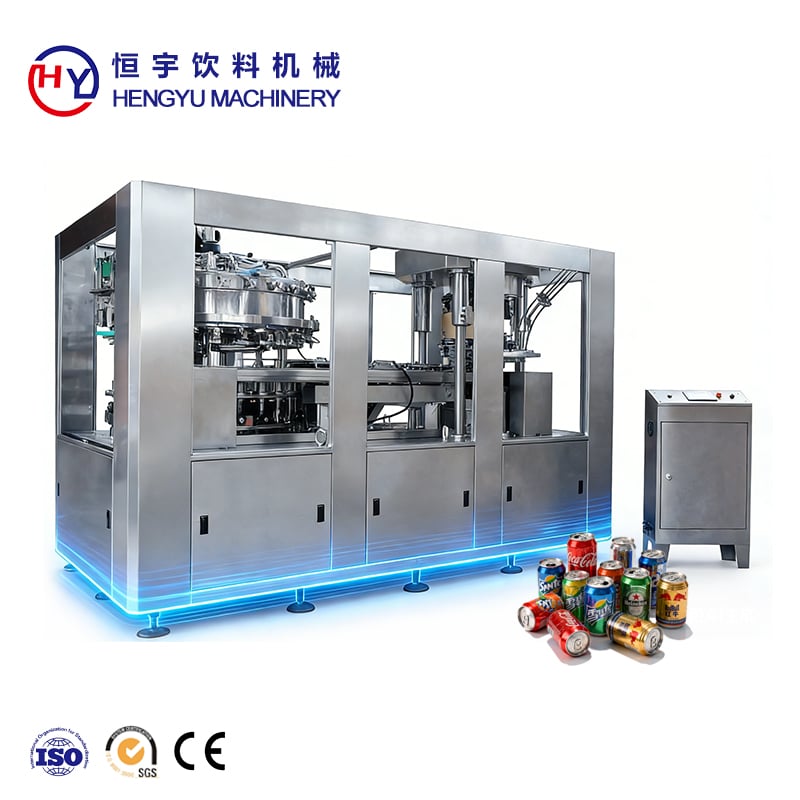
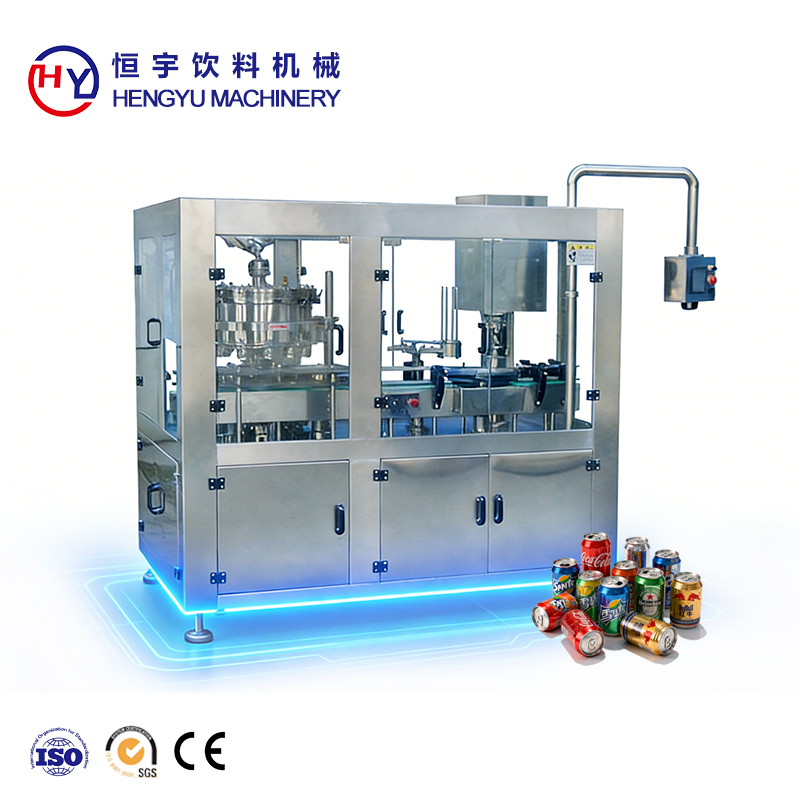
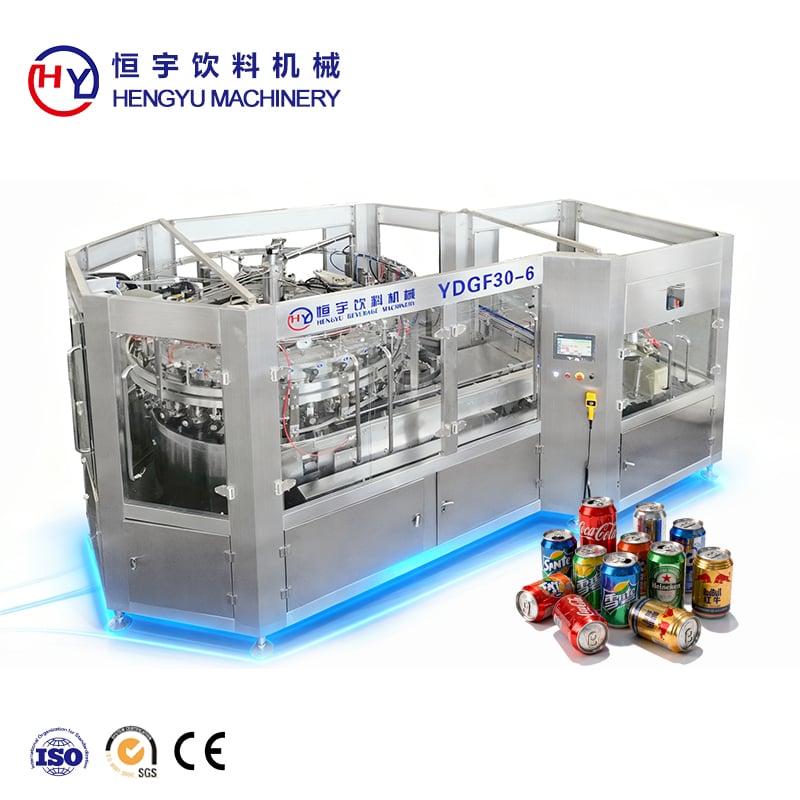
The remarkable combination of high-speed operation and unwavering filling accuracy represents a transformative advantage that modern soda can filling machines bring to beverage production facilities. This dual capability resolves the traditional trade-off between speed and precision that plagued earlier generation equipment, where increasing throughput invariably compromised fill accuracy. Contemporary soda can filling machines utilize servo-driven technologies and advanced motion control systems that coordinate multiple filling heads operating simultaneously at rapid speeds while maintaining micrometer-level precision. Depending on configuration, these machines process anywhere from 3,000 to 72,000 cans per hour, with specialized high-capacity models exceeding even these impressive rates. This production velocity enables manufacturers to fulfill substantial orders within compressed timeframes, respond quickly to seasonal demand spikes, and operate efficiently with shorter production runs across diverse product portfolios. The consistency achieved through precision flow meters, load cells, or volumetric measurement systems ensures fill accuracy typically within plus or minus one milliliter, regardless of production speed. This reliability eliminates the costly problem of give-away, where overfilling effectively donates product that reduces profitability across thousands or millions of units. Simultaneously, it prevents underfilling violations that trigger regulatory penalties and erode consumer trust. The economic impact of this speed-accuracy combination multiplies across various operational dimensions. Labor productivity increases exponentially as a single soda can filling machine replaces manual filling lines requiring numerous workers, while the consistent output eliminates bottlenecks that previously constrained overall facility throughput. The reduced cycle time from empty can to filled, sealed unit minimizes work-in-process inventory, freeing capital and reducing storage space requirements. Quality control becomes more manageable as the predictable, uniform output requires less intensive inspection protocols compared to variable manual processes. The speed capabilities support just-in-time manufacturing approaches, allowing you to produce specific orders closer to shipment dates rather than maintaining extensive finished goods inventories that tie up warehouse space and working capital. For businesses experiencing growth, this performance enables scaling production to meet increased demand without immediately requiring facility expansion or additional production lines. The machines maintain their accuracy across extended operating periods, with minimal performance degradation between maintenance intervals, ensuring reliable production planning. This consistency proves particularly valuable for contract filling operations serving multiple clients with stringent specifications, as the equipment reliably meets diverse requirements without extensive adjustments between runs.

 CN
CN