Professional Fruit Juice Bottling Machine Solutions - Advanced Automated Packaging Systems

All Categories

fruit juice bottling machine

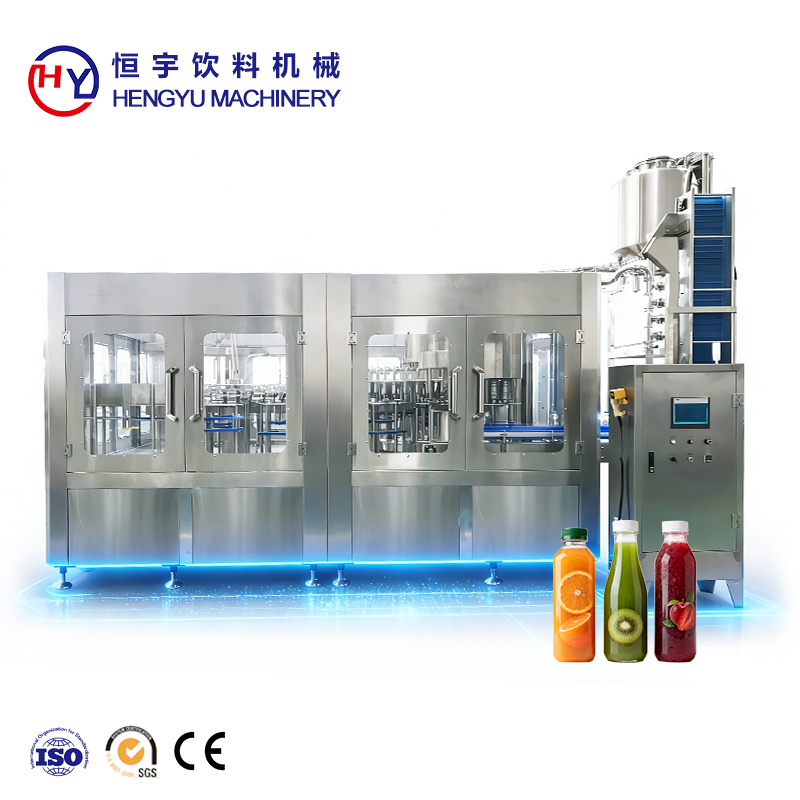
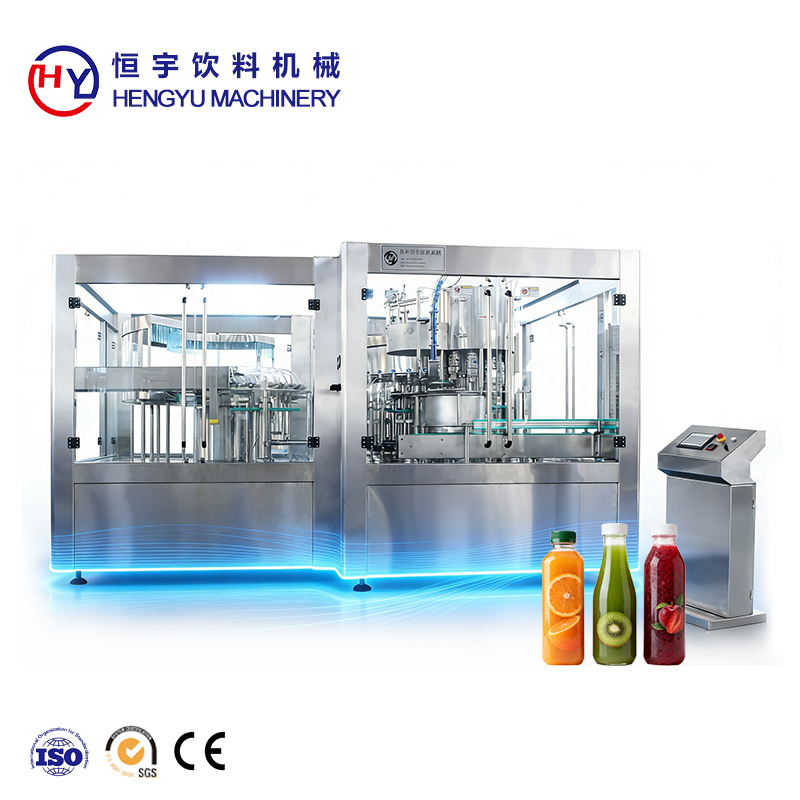
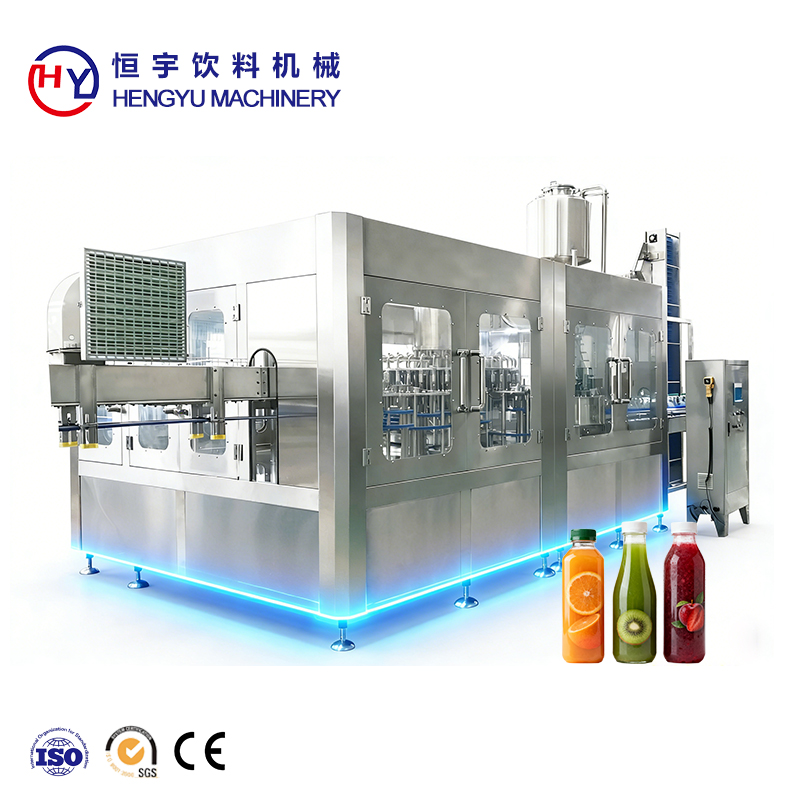
The fruit juice bottling machine represents a comprehensive automated solution designed specifically for packaging various types of liquid beverages into containers of different sizes and materials. This sophisticated equipment streamlines the entire bottling process from container handling through filling, capping, labeling, and final packaging preparation. Modern fruit juice bottling machines incorporate advanced mechanical systems, electronic controls, and precision sensors that work together to ensure consistent product quality and optimal production efficiency. The machine typically consists of several integrated modules including bottle unscramblers, rinsing stations, filling mechanisms, capping units, and labeling systems. These components operate in synchronized harmony to process hundreds or thousands of bottles per hour depending on the specific model and configuration. The technological features embedded within today's fruit juice bottling machines include programmable logic controllers that allow operators to adjust parameters such as fill volumes, speed settings, and temperature controls through intuitive touchscreen interfaces. Sanitary design principles govern the construction of these machines, with food-grade stainless steel forming the primary material for all product-contact surfaces to maintain hygiene standards and prevent contamination. The filling technology employed can vary based on product characteristics, with gravity fillers, piston fillers, and volumetric fillers being common options that accommodate different viscosities and foaming properties. Applications for fruit juice bottling machines extend across diverse beverage manufacturing environments including large-scale industrial facilities producing major brand products, mid-sized regional processors serving local markets, and smaller specialty operations creating premium organic or craft beverages. These machines handle packaging requirements for pure fruit juices, blended juice combinations, juice concentrates, smoothies, and juice-based functional beverages. The versatility of contemporary fruit juice bottling machines enables manufacturers to package products in glass bottles, plastic PET containers, HDPE jugs, and even pouches with minimal changeover time between different formats.

New Product Releases

Investing in a fruit juice bottling machine delivers substantial operational improvements that directly impact your bottom line and competitive position in the marketplace. The automation these machines provide eliminates the inconsistencies and limitations inherent in manual bottling operations, allowing you to scale production volumes dramatically while maintaining uniform quality across every unit produced. Speed stands as one of the most immediately noticeable benefits, with even entry-level machines processing several thousand bottles daily compared to the few hundred possible through hand-filling methods. This acceleration means you can fulfill larger orders, respond quickly to seasonal demand spikes, and reduce the time between production runs and product delivery. Labor cost reduction presents another compelling advantage as a single operator can oversee machinery that would otherwise require a team of workers performing repetitive manual tasks. This efficiency allows you to redirect human resources toward value-adding activities like quality control, product development, and customer service rather than monotonous filling and capping duties. Precision in fill volumes ensures you deliver exactly what you promise to customers while minimizing product giveaway that erodes profit margins. Modern fruit juice bottling machines achieve fill accuracy within milliliters, preventing both underfilling that creates compliance issues and overfilling that wastes valuable product. Hygiene and safety standards become much easier to maintain with enclosed automated systems that minimize human contact with products and reduce contamination risks. The stainless steel construction and clean-in-place capabilities of quality machines facilitate thorough sanitation between production runs, helping you meet regulatory requirements and protect brand reputation. Flexibility in packaging formats allows you to diversify your product portfolio without purchasing entirely separate equipment lines. Quick-change parts and adjustable settings let you switch between different bottle sizes, shapes, and closure types in minutes rather than hours. This adaptability proves invaluable when testing new products, accommodating seasonal varieties, or responding to changing consumer preferences. Consistency in capping torque prevents leaks during storage and transportation while ensuring customers can open bottles easily without struggle. Reduced product waste occurs throughout the process as precision controls minimize spillage, proper handling decreases breakage, and reliable sealing extends shelf life. The professional appearance of machine-bottled products enhances perceived value and shelf appeal compared to irregularly filled containers. Integration capabilities with upstream and downstream equipment create complete production lines where ingredients flow seamlessly from mixing through bottling to case packing without manual intervention. Data collection and monitoring functions built into modern machines provide real-time production metrics that help you identify efficiency opportunities and troubleshoot issues before they cascade into expensive downtime.

Latest News

Glass Bottle Filling Machine vs Plastic Bottle Filling Machine

04

Mar

Glass Bottle Filling Machine vs Plastic Bottle Filling Machine

Material Properties Dictate Core Machine Design Glass fragility and thermal mass: why glass bottle filling machines require reinforced frames, shock-dampened conveyors, and precision neck-handling grippers Working with glass bottles means going th...
View More
How to Choose a Glass Bottle Filling Machine for Beverage Production

06

Mar

How to Choose a Glass Bottle Filling Machine for Beverage Production

Match Filling Technology to Beverage Type and Sensitivity Counter-Pressure Fillers for Carbonated Beverages and Beer Carbonated drinks like soda, sparkling water and beer need careful filling techniques to keep their fizz intact while avoiding exc...
View More
Troubleshooting Can Filling Machine Production Issues

21

Mar

Troubleshooting Can Filling Machine Production Issues

Power, Control, and Electrical Faults in Can Filling Machines Machine won't power on: main supply, fuses, and emergency stop circuit checks If the can filling machine won't start at all, the first thing to do is check whether the main power supply ...
View More
Can Sealing Machine Maintenance Tips

23

Mar

Can Sealing Machine Maintenance Tips

Daily and Weekly Preventive Maintenance for Your Can Sealing Machine Essential Daily Checks: Belt Tension, Sealing Bar Alignment, and Tape Head Cleanliness Starting every shift with a quick check on belt tension makes all the difference. If belts a...
View More

Get a Free Quote

Our representative will contact you soon.
Email
Name
Phone/WhatsApp
Required Product
Message
0/1000

fruit juice bottling machine

Advanced Filling Precision Technology Ensures Product Consistency

Advanced Filling Precision Technology Ensures Product Consistency

The heart of any fruit juice bottling machine lies in its filling system, where advanced precision technology transforms liquid beverage from bulk storage into perfectly measured portions within individual containers. Contemporary filling mechanisms employ sophisticated control systems that monitor and adjust flow rates dynamically, compensating for variables like temperature fluctuations, product viscosity changes, and container positioning variations. This intelligent approach delivers fill accuracy that typically falls within plus or minus one percent of target volumes, ensuring regulatory compliance and customer satisfaction while protecting your profit margins from excessive giveaway. The technology accommodates the unique challenges presented by fruit juice products, including natural pulp particles that might clog simpler systems, foaming tendencies in certain juice types, and the need to minimize oxygen exposure that degrades flavor and nutritional content. Multi-valve configurations allow simultaneous filling of numerous bottles during each machine cycle, dramatically multiplying throughput compared to single-head systems while maintaining identical precision across all filling positions. Servo-driven actuators provide infinitely variable speed control, enabling you to optimize production rates for different product formulations and container types without mechanical adjustments or component replacements. Level sensors or weight-based monitoring systems verify that each container receives the correct amount before proceeding to subsequent stations, automatically rejecting any units that fall outside acceptable tolerances. This quality assurance happens in real-time at full production speed, eliminating the need for separate inspection processes and reducing the likelihood of improperly filled products reaching consumers. The no-drip nozzle designs prevent product waste between fills and maintain cleanliness around the filling area, reducing sanitation requirements and preserving the professional appearance of finished bottles. Gentle product handling throughout the filling process preserves the sensory qualities that consumers expect, preventing excessive agitation that could cause separation in pulpy juices or introduce unwanted air that affects taste and appearance. Temperature control integration maintains product at optimal filling conditions, which proves particularly important for hot-fill applications where thermal processing extends shelf life without refrigeration. The precision filling technology ultimately delivers consistent brand experiences to consumers, building trust and loyalty through products that look, taste, and measure exactly as expected every time they make a purchase.
Intuitive Control Systems Simplify Operation and Maximize Uptime

Intuitive Control Systems Simplify Operation and Maximize Uptime

Modern fruit juice bottling machines incorporate intuitive control systems that democratize access to sophisticated packaging technology, allowing operators with varying skill levels to manage complex production processes confidently and efficiently. The centerpiece of these systems is typically a color touchscreen interface that presents machine status, production data, and adjustment options in clear visual formats that require minimal training to understand and navigate. Menu structures follow logical hierarchies that group related functions together, enabling quick access to frequently used controls while keeping advanced settings secure behind password protection to prevent unauthorized changes. Recipe storage capabilities allow you to save complete parameter sets for different products and container formats, then recall them instantly when changing production runs rather than manually resetting dozens of individual values. This functionality dramatically reduces changeover time, minimizes setup errors, and ensures consistency when returning to products after extended periods. Real-time monitoring displays show current operating speeds, fill volumes, container counts, and efficiency metrics that help you understand exactly how production is progressing at any moment without manual calculations or record keeping. Automated alarm systems immediately notify operators when conditions deviate from acceptable ranges, with on-screen troubleshooting guidance that helps identify root causes and appropriate corrective actions. This proactive approach prevents minor issues from escalating into major failures that could halt production for hours. Remote connectivity options available on many contemporary machines enable technical support specialists to access control systems via internet connections, diagnosing problems and sometimes implementing solutions without travel delays or service call expenses. Preventive maintenance reminders track operating hours and cycle counts for wear items like seals and bearings, prompting scheduled replacements before failures occur rather than responding to unexpected breakdowns. Data logging functionality automatically records production statistics, quality metrics, and operational events, creating documentation that supports compliance reporting, efficiency analysis, and continuous improvement initiatives. The control systems manage complex sequences of mechanical actions across multiple stations, coordinating timing with microsecond precision to maintain smooth material flow and prevent collisions or jams. Adjustable speed controls let you balance production rate against other priorities, running slower for delicate containers or challenging products, then increasing throughput when conditions allow maximum performance. Diagnostic modes facilitate testing individual machine functions in isolation, helping maintenance personnel identify specific components requiring attention without guesswork or unnecessary part replacements.
Sanitary Design Features Protect Product Quality and Brand Reputation

Sanitary Design Features Protect Product Quality and Brand Reputation

The sanitary design features incorporated throughout quality fruit juice bottling machines represent critical investments in product safety, regulatory compliance, and long-term brand protection that distinguish professional packaging operations from amateur attempts at beverage production. Every surface that contacts your fruit juice product during the bottling process is constructed from food-grade stainless steel alloys specifically chosen for their corrosion resistance, non-reactive properties, and ability to withstand repeated cleaning with aggressive sanitizing agents. These materials prevent metallic contamination, resist degradation from acidic juice formulations, and maintain smooth polished finishes that discourage bacterial colonization in microscopic surface irregularities. Sanitary welding techniques create seamless joints without crevices where product residues might accumulate and become sources of microbial growth between cleaning cycles. Drip-free designs and self-draining configurations ensure that liquid product does not pool in machine components where it could stagnate and spoil, contaminating subsequent production batches. Tool-free disassembly capabilities allow quick access to product-contact components for thorough manual cleaning when required, with clearly marked food zones that indicate which areas require the most rigorous sanitation attention. Clean-in-place systems integrate directly with machine plumbing, circulating cleaning solutions and sanitizers through filling valves, product lines, and tank interiors without requiring disassembly, dramatically reducing sanitation labor while improving consistency and effectiveness. Separate utility connections for compressed air and water include filtration systems that remove particulates and microorganisms before these resources contact product or product-contact surfaces. Enclosed filling environments shield open containers from airborne contaminants during the critical moments between rinsing and capping when products are most vulnerable to environmental contamination. Positive pressure designs create outward air flow that prevents dust and microorganisms from entering sensitive zones even when access panels are opened for adjustments or maintenance. Validation ports allow you to collect samples and verify cleaning effectiveness through microbial testing, demonstrating due diligence to regulatory inspectors and providing confidence in your sanitation protocols. The sanitary design philosophy extends beyond obvious product-contact areas to include drip pans, guards, and structural elements where cleaning solutions might accumulate or splash during production, preventing these secondary surfaces from becoming indirect contamination sources. Material certifications document that components meet relevant food safety standards like FDA regulations or European Union directives, providing the documentation necessary for regulatory submissions and customer audits. These comprehensive sanitary features work together to protect the wholesome fruit juice products you create from contamination throughout the packaging process, preserving the nutritional value, flavor profiles, and safety that consumers rightfully expect when they purchase your beverages.