mineral water bottle machine price
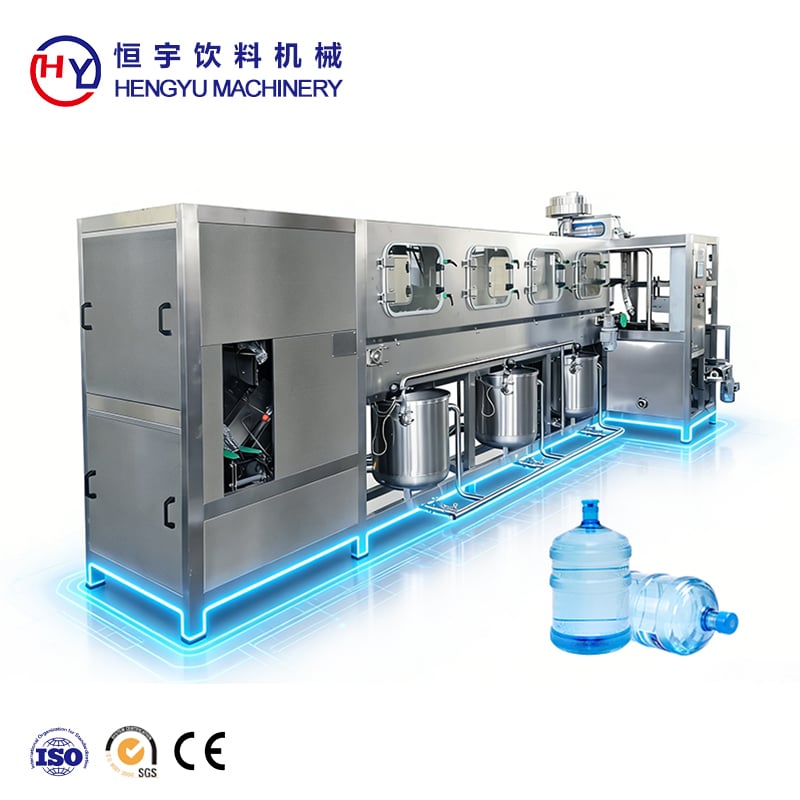
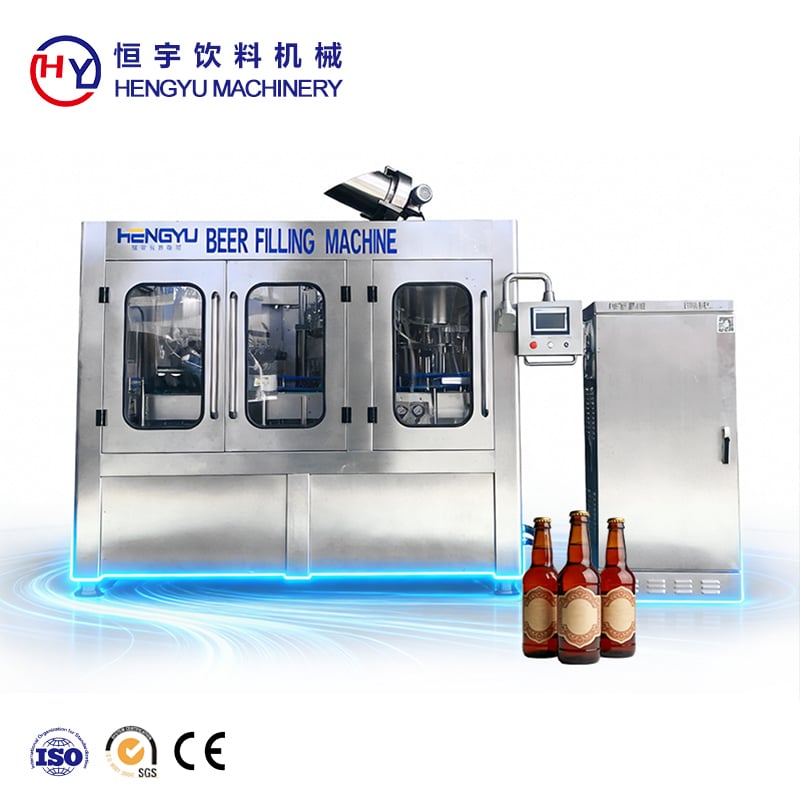
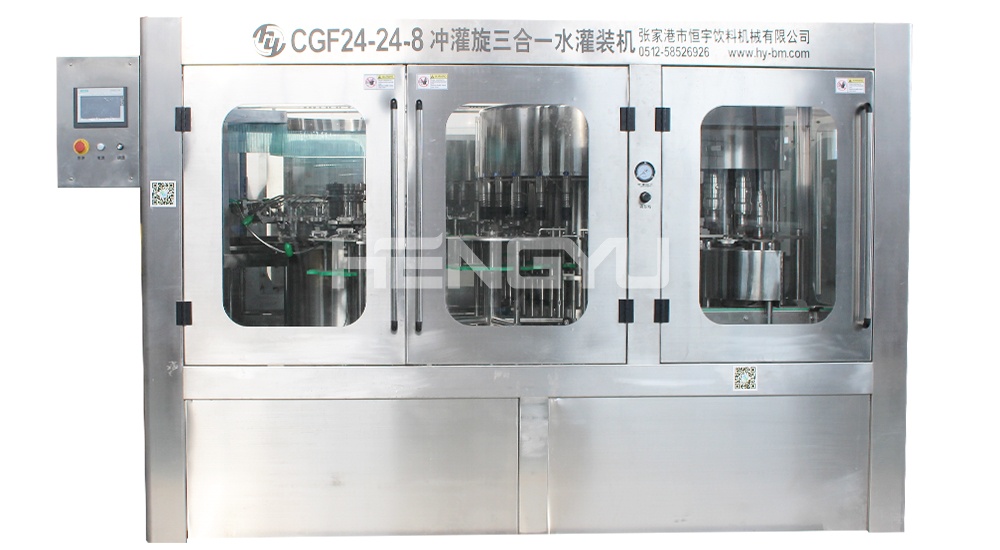
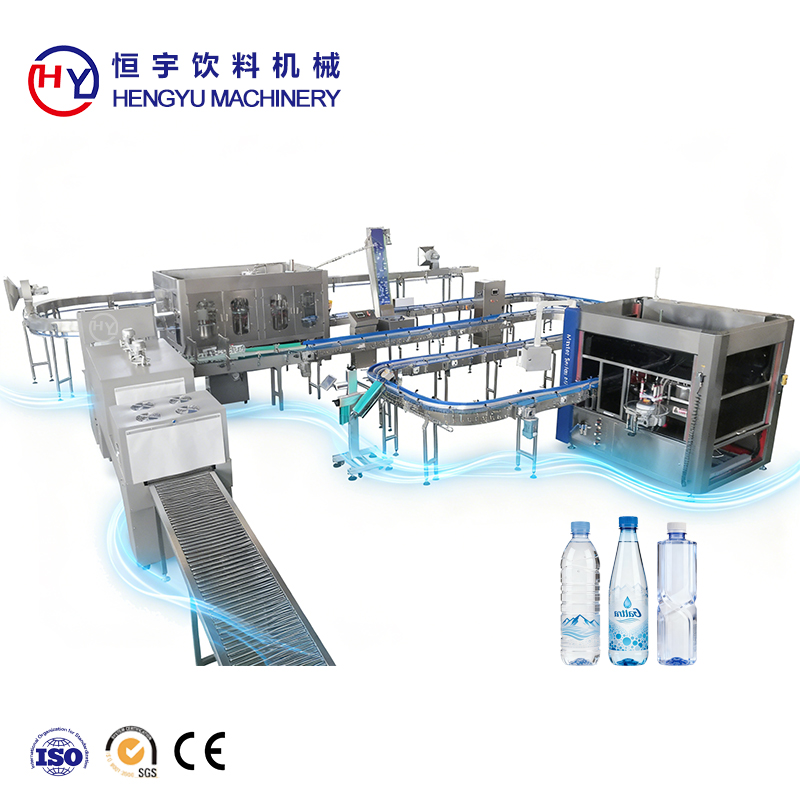
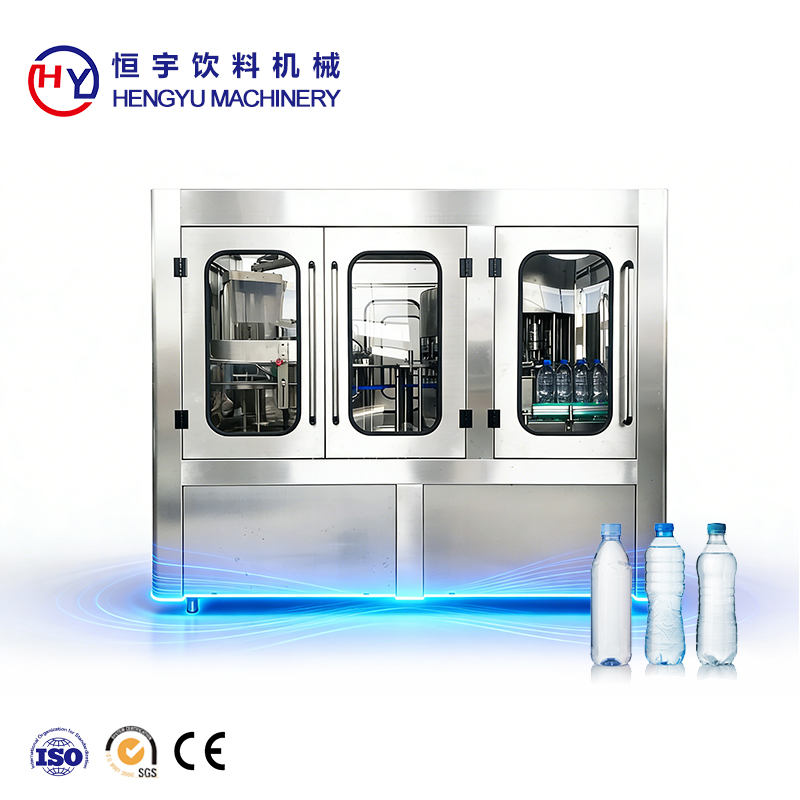
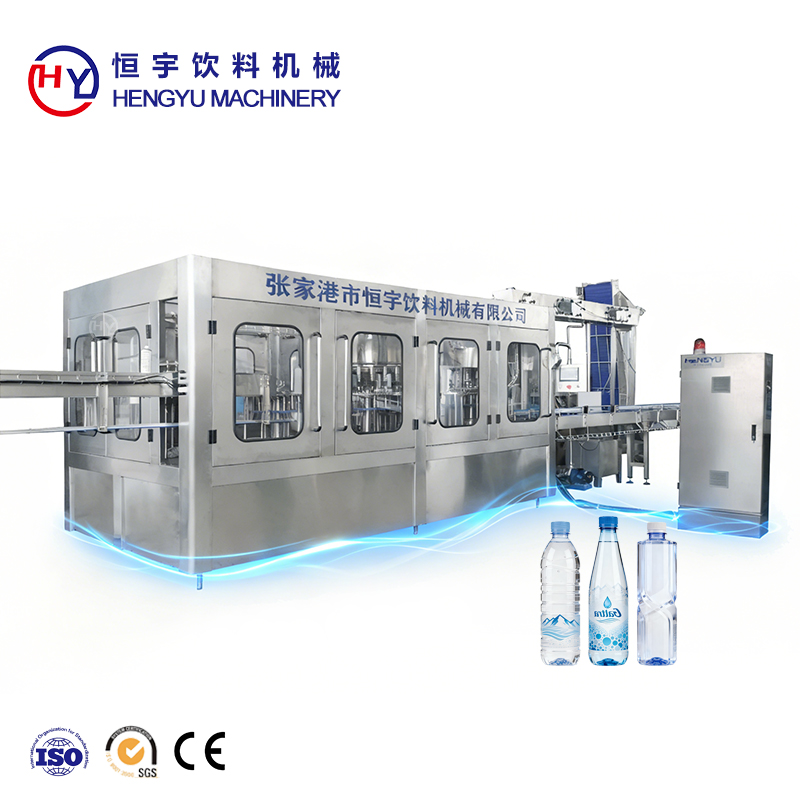
Understanding the mineral water bottle machine price requires a comprehensive look at what these sophisticated systems offer to beverage production facilities. A mineral water bottle machine represents an integrated solution that transforms raw materials into finished bottled products ready for distribution and sale. The pricing structure for these machines varies significantly based on production capacity, automation level, and technological sophistication. Entry-level semi-automatic systems typically start at lower price points, while fully automated production lines command premium investments. The mineral water bottle machine price encompasses several critical components including blow molding units, filling systems, capping mechanisms, labeling equipment, and quality control stations. Modern machines incorporate advanced PLC control systems that allow operators to monitor and adjust parameters in real-time, ensuring consistent product quality. The production capacity directly influences the mineral water bottle machine price, with machines ranging from small-scale operations producing 2000 bottles per hour to industrial-scale systems capable of 36000 bottles per hour or more. Additional factors affecting cost include bottle size flexibility, material compatibility, energy efficiency ratings, and the inclusion of supplementary features such as automated cleaning systems, UV sterilization, and integrated packaging solutions. When evaluating the mineral water bottle machine price, businesses must consider the total cost of ownership, including installation expenses, operator training, maintenance requirements, and spare parts availability. The investment in a quality mineral water bottling system pays dividends through reduced labor costs, minimized product waste, enhanced production consistency, and improved operational efficiency. Leading manufacturers offer various financing options and after-sales support packages that can make the mineral water bottle machine price more accessible to businesses of different scales. The technology continues to evolve with innovations in energy conservation, smart manufacturing integration, and enhanced hygiene standards, all of which contribute to the overall value proposition beyond the initial purchase price.

 CN
CN