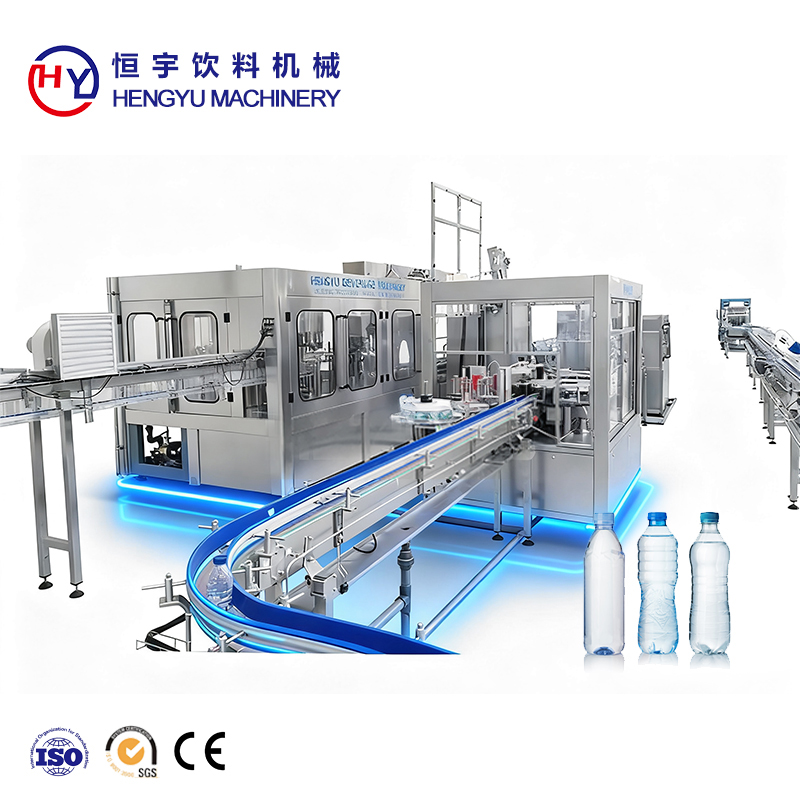
3 in 1 Water Filling Machine - Complete Bottling Solutions for Efficient Production

All Categories

3 in 1 water filling machine

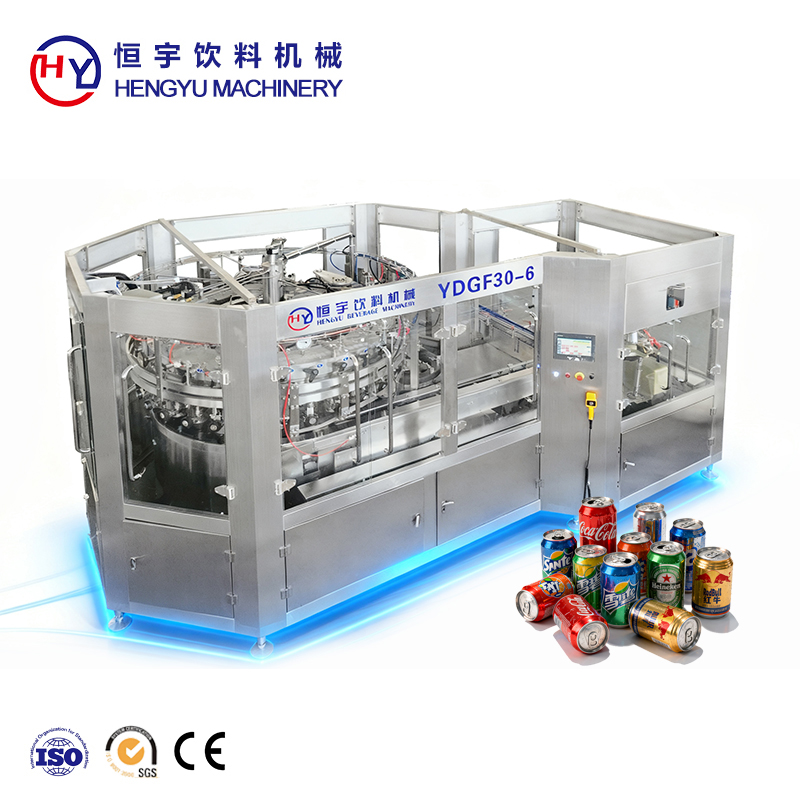
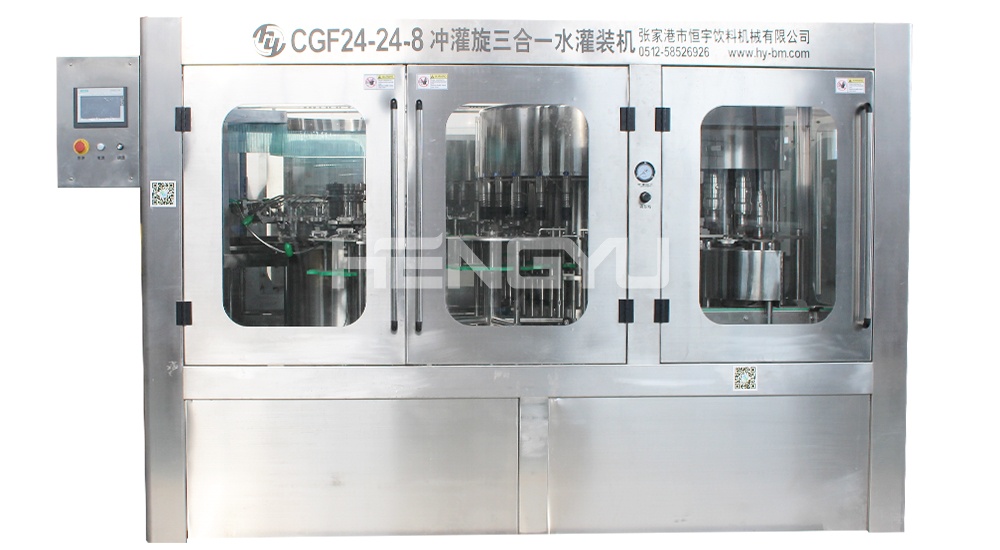
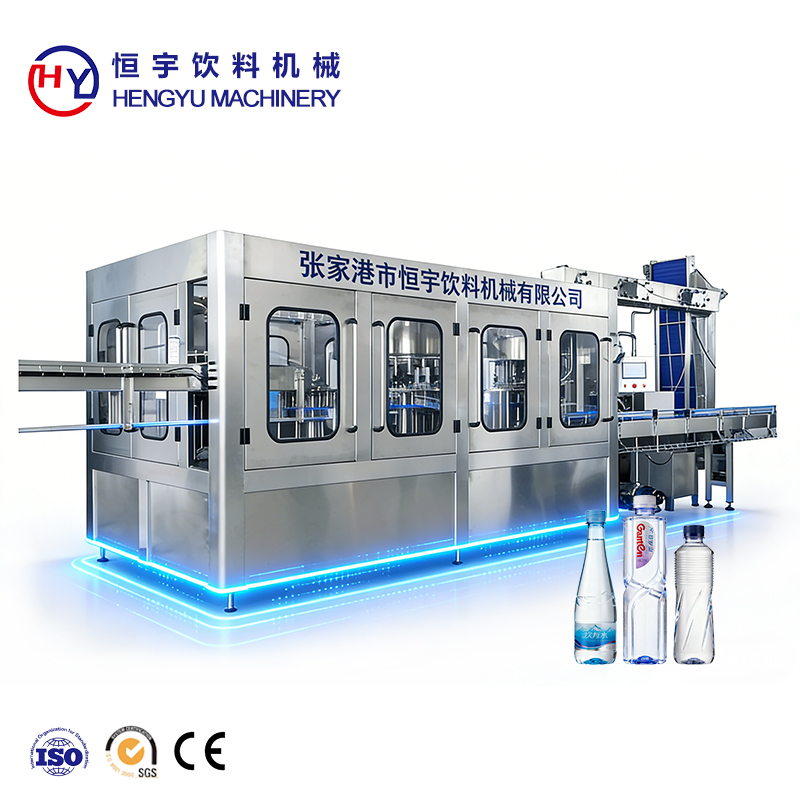
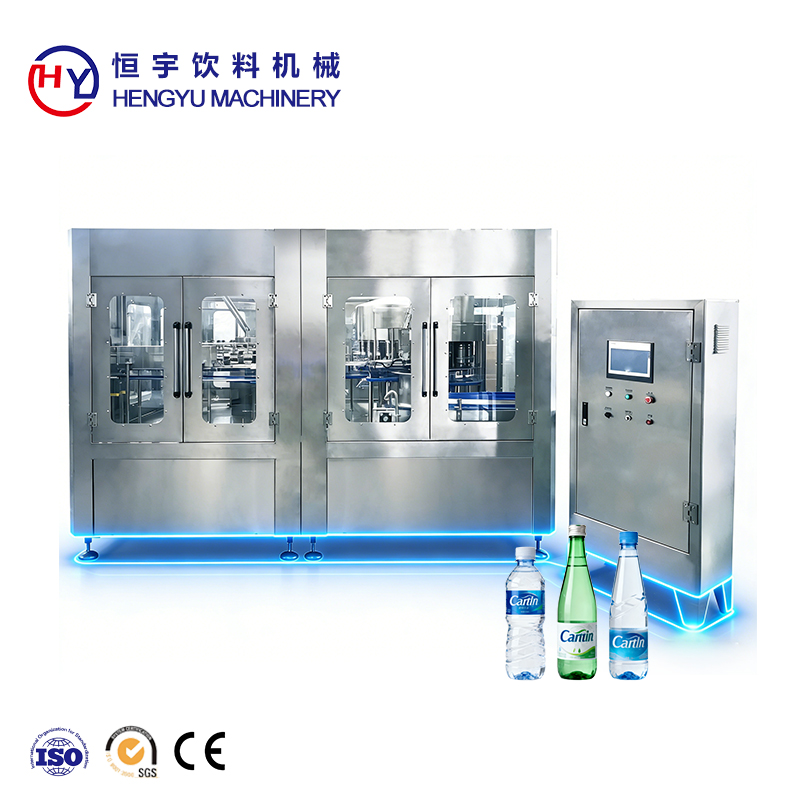
The 3 in 1 water filling machine represents a comprehensive solution for beverage production lines, integrating three essential operations into a single automated system. This advanced equipment combines rinsing, filling, and capping processes within one streamlined unit, revolutionizing how bottled water manufacturers approach their production needs. The machine handles empty bottles through an initial cleaning stage where they undergo thorough rinsing to remove dust, particles, and potential contaminants. Following the cleaning phase, the bottles move seamlessly to the filling station where precise volumetric controls ensure accurate water dispensing. The final stage involves automatic capping, where closures are applied and tightened to secure the product. Modern 3 in 1 water filling machines utilize sophisticated sensor technology and programmable logic controllers to maintain consistent quality throughout the production cycle. These systems accommodate various bottle sizes and shapes through adjustable components, offering manufacturers flexibility in their product offerings. The technological features include stainless steel construction meeting food safety standards, frequency-controlled motors for variable speed operation, and touchscreen interfaces for easy monitoring and adjustment. Production capacities range from small-scale operations processing several thousand bottles per hour to industrial systems capable of handling tens of thousands of units hourly. The 3 in 1 water filling machine finds applications across multiple sectors including purified water bottling, mineral water production, spring water packaging, and flavored water manufacturing. The integration of three separate functions into one machine reduces floor space requirements, minimizes labor costs, and decreases potential contamination points compared to using three independent machines. This equipment serves beverage companies, water treatment facilities, and bottling plants seeking efficient, reliable, and hygienic production solutions that meet regulatory compliance standards while maximizing operational efficiency.

New Products

Investing in a 3 in 1 water filling machine delivers substantial practical benefits that directly impact your bottom line and operational efficiency. First and foremost, this equipment dramatically reduces your production footprint by consolidating three separate processes into one compact system, freeing up valuable factory space for other essential operations or future expansion. The space savings translate into lower facility costs, reduced utility expenses, and improved workflow management. Your labor requirements decrease significantly because one operator can oversee the entire integrated system rather than requiring multiple workers to manage separate rinsing, filling, and capping stations. This consolidation lowers payroll expenses while reducing human error opportunities that occur when coordinating multiple independent machines. The 3 in 1 water filling machine enhances product safety through minimized handling and reduced exposure to environmental contaminants, as bottles move continuously through enclosed processing stages without manual intervention between steps. Your maintenance responsibilities become simpler and more cost-effective because you maintain one unified system instead of three separate machines, requiring fewer spare parts inventories and less technician training. Energy consumption drops noticeably compared to operating three independent units, as the integrated design shares power systems and optimizes energy usage across all functions. The synchronized operation ensures consistent production speeds without bottlenecks that commonly occur when separate machines operate at mismatched rates. You gain superior quality control because the integrated sensors and control systems monitor every bottle throughout the entire process, immediately detecting and rejecting any units that fail to meet specifications. Installation becomes faster and less disruptive since you only need to position and configure one machine rather than coordinating the placement and synchronization of three separate systems. The automated operation reduces product waste by maintaining precise fill levels and preventing spillage that occurs with manual transitions between processing stages. Your production flexibility increases because modern systems allow quick changeovers between different bottle sizes and product specifications through programmable settings rather than extensive mechanical adjustments. The sealed processing environment protects your product from airborne contaminants, ensuring consistently high quality that meets stringent health regulations and consumer expectations. Return on investment accelerates through combined savings in space, labor, energy, maintenance, and waste reduction, while simultaneously increasing production capacity and product quality that strengthen your market position and customer satisfaction.

Latest News

Glass Bottle Filling Machine vs Plastic Bottle Filling Machine

04

Mar

Glass Bottle Filling Machine vs Plastic Bottle Filling Machine

Material Properties Dictate Core Machine Design Glass fragility and thermal mass: why glass bottle filling machines require reinforced frames, shock-dampened conveyors, and precision neck-handling grippers Working with glass bottles means going th...
View More
How to Choose a Glass Bottle Filling Machine for Beverage Production

06

Mar

How to Choose a Glass Bottle Filling Machine for Beverage Production

Match Filling Technology to Beverage Type and Sensitivity Counter-Pressure Fillers for Carbonated Beverages and Beer Carbonated drinks like soda, sparkling water and beer need careful filling techniques to keep their fizz intact while avoiding exc...
View More
Increasing Capacity in Bottled Water Production Lines

09

Mar

Increasing Capacity in Bottled Water Production Lines

Diagnosing Bottlenecks in Your Bottled Water Production Line Measuring Throughput Gaps: Bottling Speed, Changeover Time, and OEE Analysis To get a handle on where production is falling short, look at three key performance indicators. Start by compa...
View More
Can Filling Machine Technology for Carbonated Beverages

20

Mar

Can Filling Machine Technology for Carbonated Beverages

Isobaric Filling Principles: How Can Filling Machines Preserve Carbonation Under Pressure The Physics of CO₂ Solubility and Why Counter-Pressure Is Non-Negotiable The way carbon dioxide dissolves in drinks basically follows what we call Henry's Law...
View More

Get a Free Quote

Our representative will contact you soon.
Email
Name
Phone/WhatsApp
Required Product
Message
0/1000

3 in 1 water filling machine

Seamless Integration Maximizes Production Efficiency

Seamless Integration Maximizes Production Efficiency

The hallmark feature of the 3 in 1 water filling machine lies in its seamless integration of rinsing, filling, and capping operations within a single synchronized platform. This integration represents far more than simple convenience; it fundamentally transforms production efficiency through continuous flow processing that eliminates transition delays between separate machines. When bottles enter the system, they mount onto specially designed conveyor mechanisms that rotate and transport them through each processing stage with precise timing control. The rinsing station employs multiple nozzles that direct filtered water or sterilizing solutions into bottles at controlled pressures, ensuring thorough cleaning without damaging containers. Advanced 3 in 1 water filling machines incorporate recirculation systems that capture and reuse rinsing water, reducing water consumption while maintaining hygiene standards. Following the rinse cycle, bottles proceed directly to filling stations where gravity, pressure, or vacuum filling technologies dispense exact volumes based on preset parameters. The filling valves feature sophisticated level detection systems using optical sensors or mechanical floats that stop flow precisely when bottles reach target volumes, preventing overfilling waste or underfilling compliance issues. This precision ensures every bottle contains the correct amount, maintaining consistency that builds consumer trust and meets regulatory requirements. The capping station receives filled bottles and applies closures through mechanisms that handle various cap types including screw caps, sports caps, and push-pull closures. Torque-controlled capping heads apply optimal sealing pressure that secures caps without over-tightening that could damage threads or under-tightening that risks leakage. The entire integrated sequence operates under centralized computer control that synchronizes all stages, adjusting speeds dynamically to maintain smooth flow even when minor disruptions occur. This coordination eliminates the production gaps and bottle accumulation problems that plague systems using separate machines requiring buffer zones between stages. The result delivers higher overall equipment effectiveness, reduced downtime, and superior throughput that allows manufacturers to meet demanding production schedules while maintaining quality standards that satisfy both regulatory authorities and discerning customers.
Advanced Hygiene Standards Ensure Product Safety

Advanced Hygiene Standards Ensure Product Safety

Product safety stands as the paramount concern for any water bottling operation, and the 3 in 1 water filling machine addresses this requirement through comprehensive hygiene engineering that exceeds industry standards. The equipment construction utilizes food-grade stainless steel throughout all product contact surfaces, eliminating corrosion risks and preventing bacterial colonization that occurs with lesser materials. Smooth, crevice-free surface finishes on internal components prevent particle accumulation and facilitate thorough cleaning during sanitation cycles. The enclosed processing chamber isolates bottles from the external environment throughout rinsing, filling, and capping operations, creating a controlled atmosphere that prevents airborne contaminants from compromising product purity. Positive air pressure systems in premium models introduce filtered air into the processing zone, further protecting against contamination while maintaining comfortable working conditions for operators. The 3 in 1 water filling machine incorporates automated cleaning-in-place systems that circulate sanitizing solutions through all liquid pathways without requiring disassembly, ensuring consistent sanitation while reducing downtime associated with manual cleaning procedures. These CIP systems program multi-stage cleaning protocols that include pre-rinse, detergent circulation, intermediate rinse, sanitizer application, and final rinse sequences timed and temperature-controlled for optimal effectiveness. Validation sensors monitor cleaning solution concentrations and temperatures, providing documented proof of sanitation compliance required by food safety regulations. The bottle handling mechanisms minimize contact points, using gripper systems or neck rings that touch only non-product-contact surfaces, preventing contamination transfer between bottles. UV sterilization lamps installed in some advanced systems provide additional antimicrobial protection by exposing bottles and caps to ultraviolet radiation that destroys microorganisms without chemical residues. The filling valves incorporate anti-drip designs and return tubes that prevent product from contacting external bottle surfaces where it could harbor microbial growth. Regular maintenance protocols guided by the control system ensure seals, gaskets, and filters receive timely replacement before deterioration compromises hygiene barriers. This comprehensive approach to sanitation and contamination prevention enables manufacturers to produce water products that meet the highest purity standards, building brand reputation and customer confidence while avoiding costly recalls or regulatory violations.
Operational Flexibility Adapts to Market Demands

Operational Flexibility Adapts to Market Demands

Market success requires manufacturing agility, and the 3 in 1 water filling machine delivers exceptional operational flexibility that allows producers to respond quickly to changing consumer preferences and business opportunities. Modern systems feature tool-free adjustment mechanisms that enable rapid changeovers between different bottle formats, accommodating everything from small single-serve containers to large family-size bottles without extensive downtime or specialized technical expertise. The bottle transfer components include expandable guide rails and adjustable gripper assemblies that reposition to match various bottle diameters and heights through simple mechanical adjustments or electronic servo controls activated via the touchscreen interface. This adaptability proves invaluable for contract bottlers serving multiple clients with diverse packaging requirements or brand owners expanding their product portfolios to capture different market segments. The filling system accommodates various liquid characteristics through selectable filling modes including gravity filling for still water, isobaric filling for carbonated beverages, and hot filling for products requiring thermal processing. Volumetric control allows precise adjustment of fill quantities to meet different size specifications or regulatory requirements across markets with varying standard volumes. Production speed variability through frequency-controlled drive systems enables manufacturers to scale output matching demand fluctuations, running at full capacity during peak seasons while reducing speeds during slower periods to minimize stress on equipment and extend service life. The 3 in 1 water filling machine supports different cap styles through interchangeable capping heads and adjustable torque settings, accommodating market preferences for sport caps, flip-top closures, or traditional screw caps without requiring separate machines for each closure type. Recipe management systems store multiple production configurations in memory, allowing operators to recall saved parameters for frequently run products with a few screen touches rather than manually resetting dozens of individual parameters. This capability dramatically reduces changeover time and eliminates setup errors that waste materials and delay production. Quality control integration enables real-time monitoring of critical parameters including fill accuracy, capping torque, and processing speeds, automatically flagging deviations that require attention before significant quantities of non-conforming product accumulate. Remote diagnostics capabilities in connected systems allow technical support teams to monitor equipment performance and troubleshoot issues without site visits, minimizing downtime and maintenance costs. This operational versatility positions manufacturers to pursue diverse opportunities, respond to competitive pressures, and adapt to evolving regulations without the capital expenditure of purchasing specialized equipment for each variation.