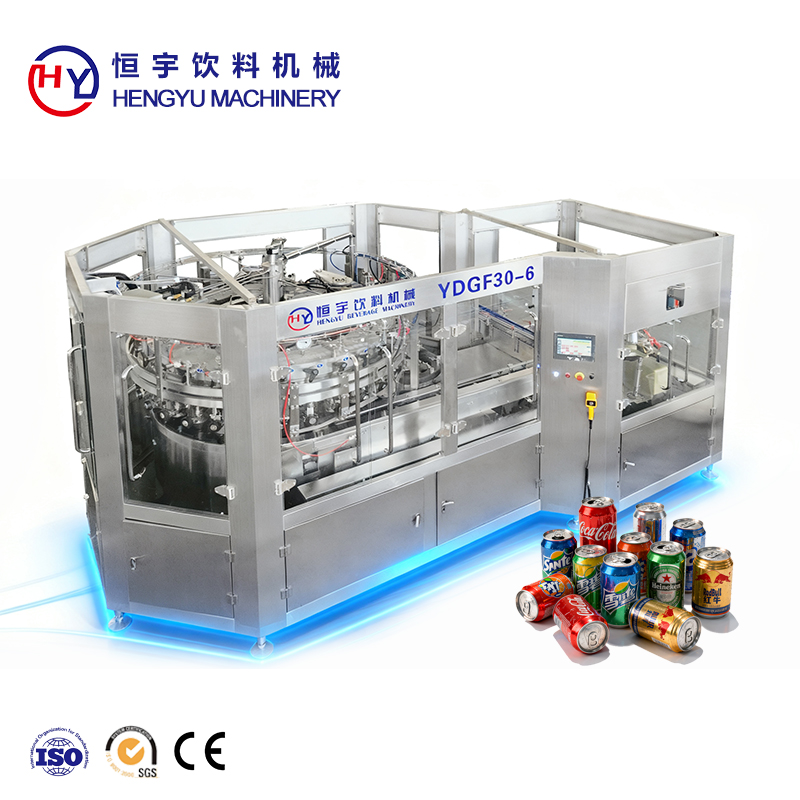
Intelligent Automation and Quality Control Systems
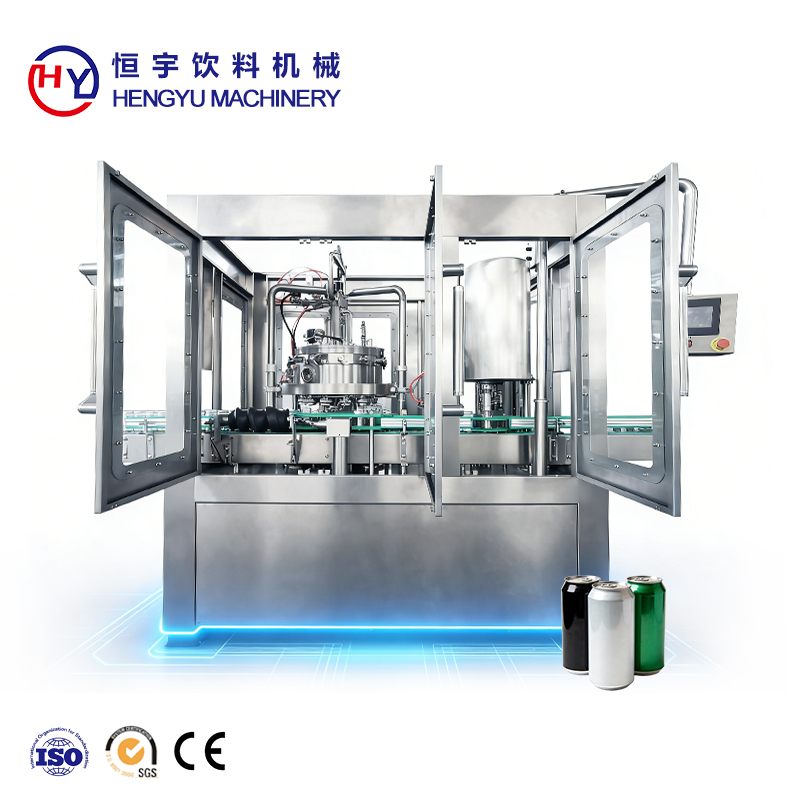
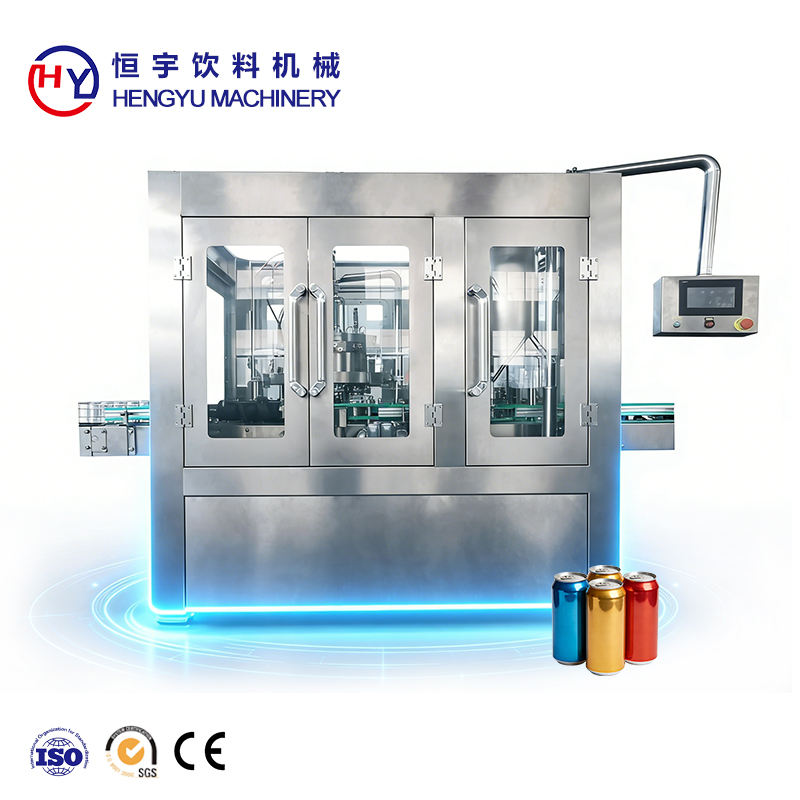
Modern soft drink can filling machines excel through their intelligent automation and comprehensive quality control systems that transform beverage production from a labor-intensive process requiring constant human oversight into a largely autonomous operation with built-in safeguards. At the heart of these capabilities lies programmable logic controller technology that coordinates all machine functions through sophisticated software algorithms. Operators interact with the soft drink can filling machine through intuitive touch-screen human-machine interfaces that display real-time production data, allow parameter adjustments, and provide troubleshooting guidance when issues arise. These control systems store multiple recipe configurations, enabling quick changeovers between different products or can sizes by simply selecting the appropriate program rather than manually adjusting numerous mechanical and timing parameters. Vision inspection systems integrated at strategic points throughout the machine verify that cans are properly positioned, check fill levels with optical sensors capable of detecting deviations as small as one millimeter, and examine seams for defects that might compromise package integrity. Reject mechanisms automatically remove any defective cans identified by these inspection systems, preventing substandard products from reaching consumers while generating data logs that help identify systematic issues requiring attention. Weight checking systems provide additional verification that each can contains the correct product volume, with statistical process control algorithms analyzing weight data to detect trending issues before they result in significant quantities of out-of-specification product. The soft drink can filling machine monitors critical operating parameters including filling pressure, seaming torque, motor currents, and component temperatures, comparing actual values against preset acceptable ranges and alerting operators when parameters drift toward limits that might affect product quality or indicate impending equipment problems. Predictive maintenance capabilities analyze operational data patterns to forecast when components like seals, bearings, or valves will require replacement, allowing scheduled maintenance during planned downtime rather than unexpected failures that halt production at critical moments. Network connectivity enables remote monitoring and diagnostics, allowing technical specialists to assess machine performance, adjust parameters, and troubleshoot issues without traveling to your facility, reducing response times when expert assistance is needed. Production reporting functions automatically generate performance metrics including output quantities, efficiency percentages, downtime causes, and quality statistics, providing management with the data necessary for informed decision-making about production scheduling, capacity planning, and continuous improvement initiatives that enhance your competitive position.

 CN
CN