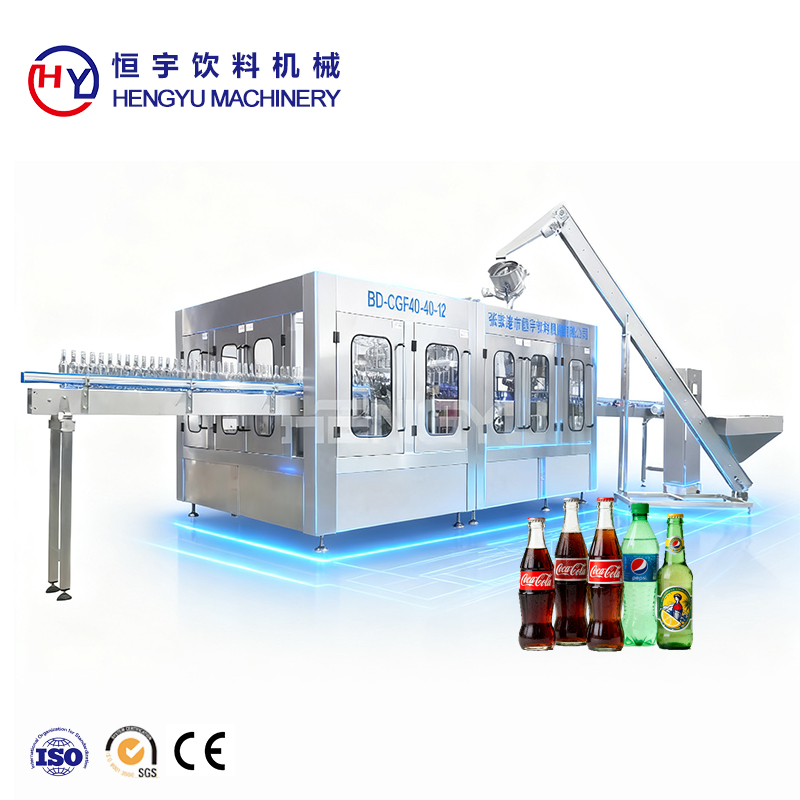
soft drink filling machine price
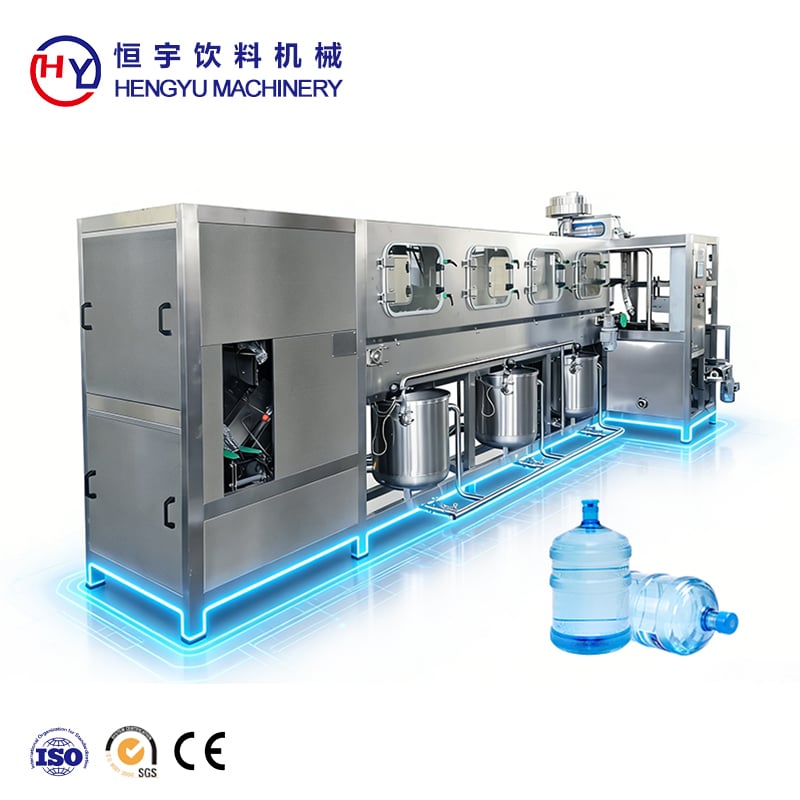
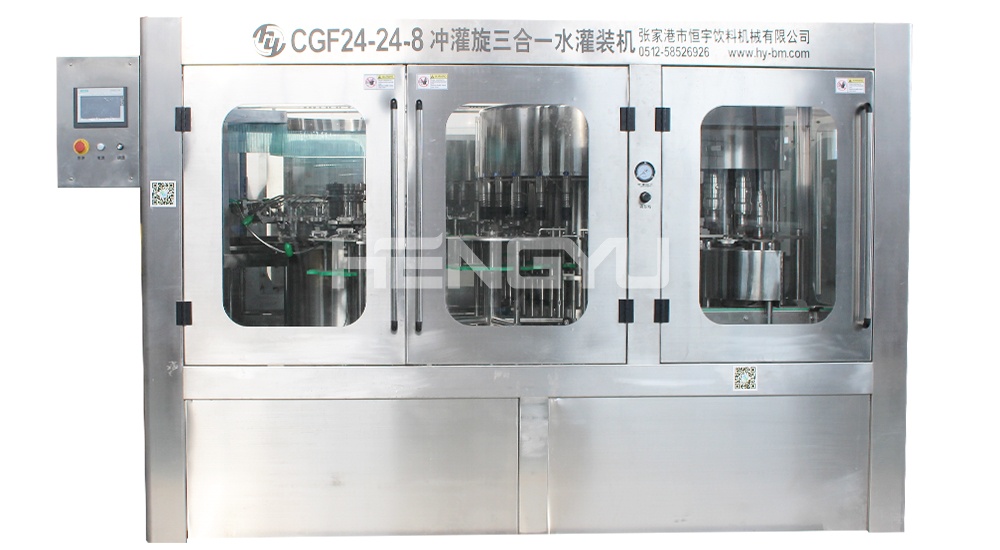
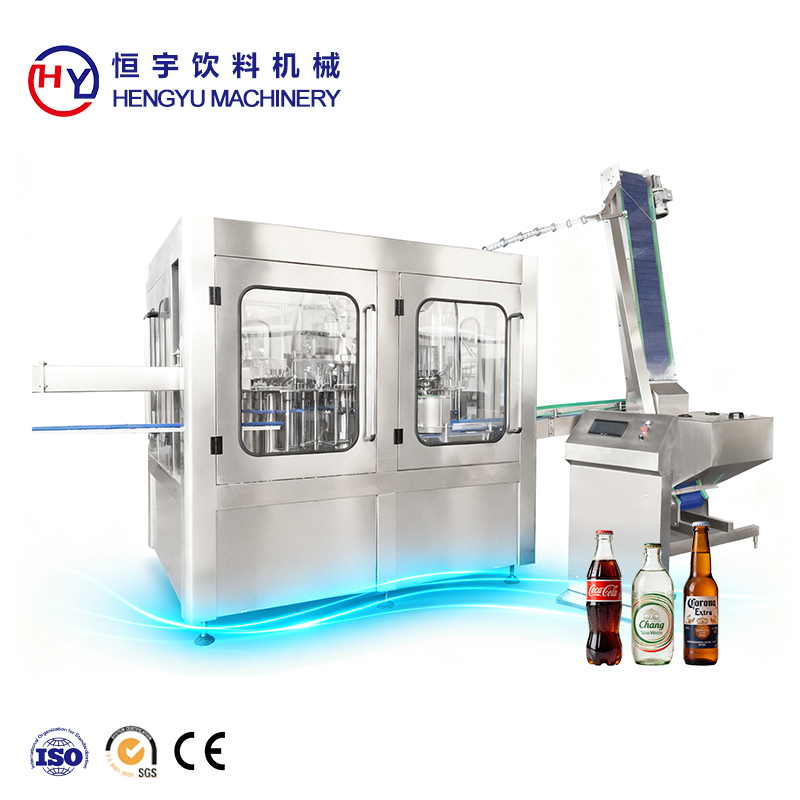
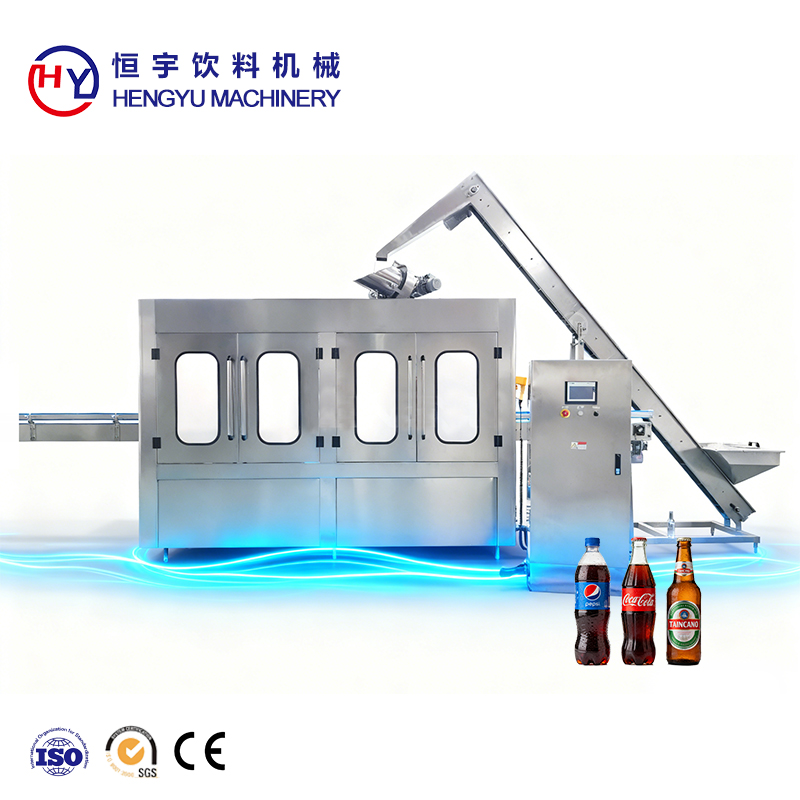
Understanding soft drink filling machine price requires examining the comprehensive value these systems deliver to beverage manufacturers. Modern filling equipment represents a substantial investment that directly impacts production efficiency and product quality. The soft drink filling machine price typically ranges from fifteen thousand to several hundred thousand dollars, depending on automation level, capacity, and technological sophistication. These machines perform critical functions including bottle rinsing, precise liquid filling, capping, labeling, and quality inspection. Advanced models integrate programmable logic controllers that manage filling speeds from three thousand to thirty-six thousand bottles per hour. The technological features embedded in contemporary systems include servo motor drives for accurate volumetric control, touch-screen interfaces for operator convenience, and stainless steel construction meeting food safety standards. Manufacturers can select from gravity fillers, pressure fillers, or vacuum filling technologies based on their specific carbonation requirements and production volumes. The soft drink filling machine price reflects components such as conveyor systems, filling valves, capping heads, and automation sensors. Applications span carbonated beverages, still drinks, energy drinks, and flavored water production across small craft operations to large industrial facilities. Investment considerations extend beyond initial acquisition costs to include installation expenses, training requirements, maintenance schedules, and potential production increases. Modern systems offer modularity, allowing businesses to start with basic configurations and upgrade as demand grows. Energy efficiency has become a significant factor influencing soft drink filling machine price, with newer models consuming substantially less power while maintaining higher output rates. The price structure also accounts for customization options, including bottle size flexibility, filling accuracy specifications, and integration capabilities with existing production lines. Understanding these multifaceted aspects helps manufacturers make informed decisions aligning equipment capabilities with operational goals and budget constraints.

 CN
CN