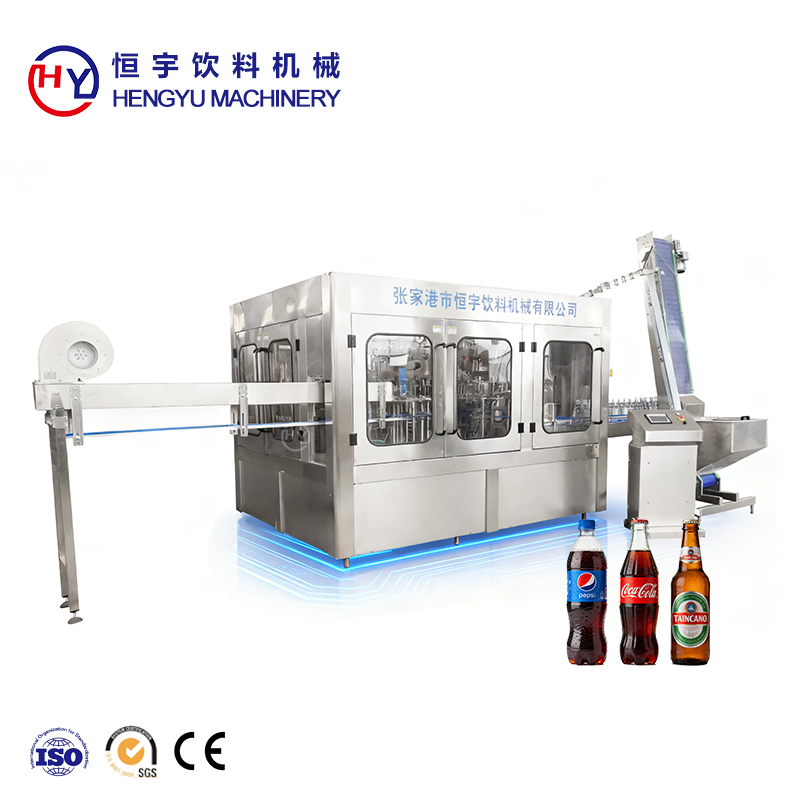
Premium Soft Drink Packing Machine - Automated Beverage Packaging Solutions

All Categories

soft drink packing machine

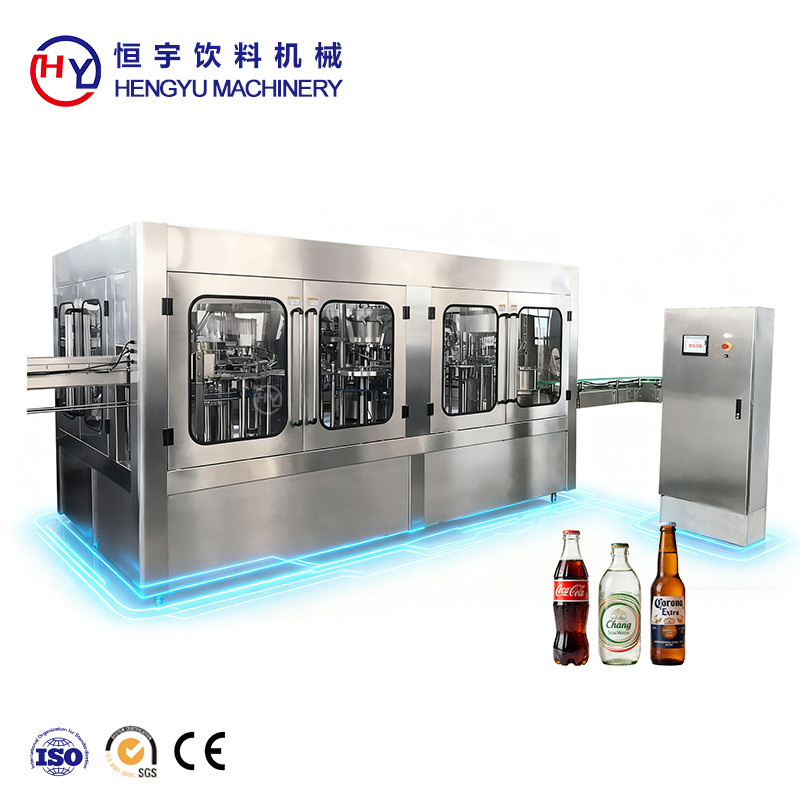
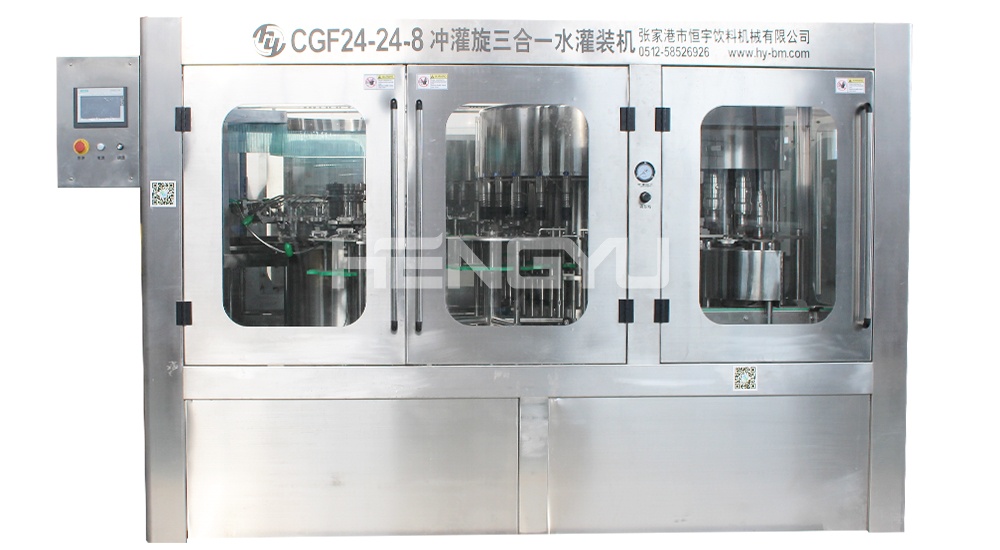
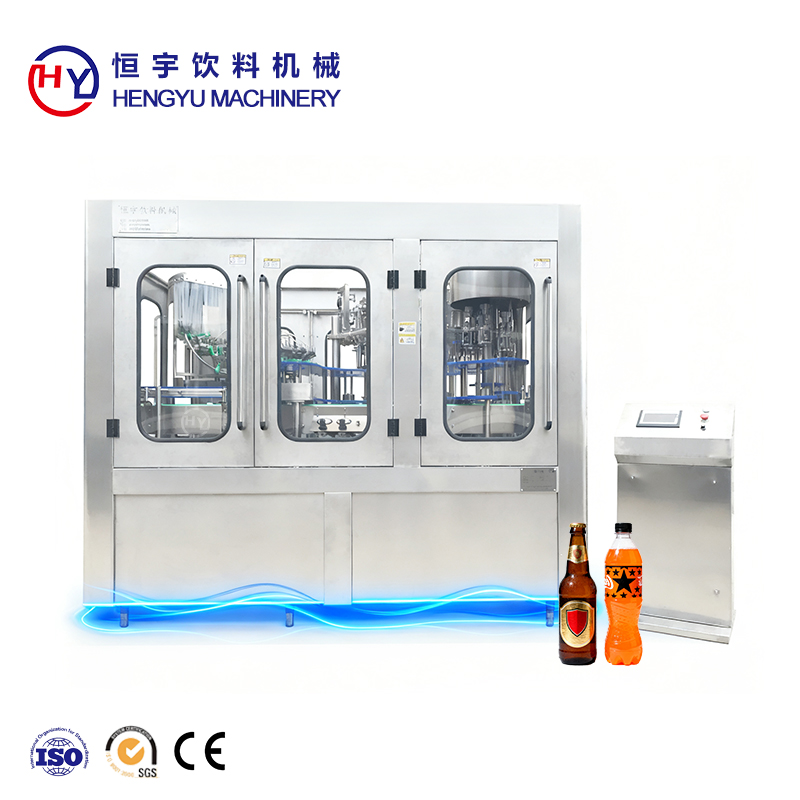
A soft drink packing machine represents an essential automated solution designed specifically for the beverage industry to streamline the packaging process of carbonated and non-carbonated drinks. This sophisticated equipment integrates multiple functions into a seamless production line, handling everything from bottle feeding and filling to capping, labeling, and final packaging. Modern soft drink packing machines incorporate advanced control systems that ensure precise operation at every stage of the packaging cycle. These machines are engineered to accommodate various container types, including PET bottles, glass bottles, aluminum cans, and pouches, making them versatile assets for beverage manufacturers of all sizes. The primary functions of a soft drink packing machine encompass automatic bottle sorting, rinsing, filling with accurate volume control, secure capping, label application, batch coding, and grouping products into cartons or shrink-wrapped bundles. Technological features include programmable logic controllers that allow operators to adjust parameters such as filling speed, volume, and packaging configurations through user-friendly touchscreen interfaces. The equipment utilizes servo motors for precise movement control, ensuring consistent performance throughout extended production runs. High-speed sensors monitor every stage, detecting any irregularities and triggering automatic adjustments or stops to prevent waste. Sanitary design principles are incorporated throughout the construction, with stainless steel components and easy-clean surfaces that meet food safety standards. Applications for soft drink packing machines span across numerous beverage categories, from traditional sodas and sparkling waters to sports drinks, juices, teas, and energy drinks. Manufacturers serving retail markets, food service operations, and distribution networks rely on these machines to maintain product quality while achieving the production volumes necessary for competitive operations. The integration capabilities allow these systems to connect with existing production infrastructure, creating comprehensive beverage packaging lines that maximize efficiency from raw material input to finished product output ready for distribution.

New Product Releases

Investing in a soft drink packing machine delivers substantial operational improvements that directly impact your bottom line. First and foremost, these machines dramatically increase production speed compared to manual or semi-automated methods. Where manual packaging might handle hundreds of units per hour, an automated soft drink packing machine processes thousands, enabling you to meet large orders and tight deadlines without adding labor costs. This speed advantage translates into faster order fulfillment and the ability to capitalize on market opportunities as they arise. Cost reduction represents another significant benefit. While the initial investment requires capital, the machine pays for itself through reduced labor expenses, minimized product waste, and lower error rates. Automated systems use precise measurement technology that ensures each container receives exactly the correct volume, eliminating the costly overfilling that often occurs with manual operations. The consistency also reduces rejected products and customer complaints, protecting your brand reputation. Quality control improves markedly with automated packing equipment. Every bottle receives identical treatment, from filling accuracy to cap torque and label placement. This uniformity ensures that consumers receive the same high-quality product regardless of when or where it was packaged. The machines maintain hygienic conditions throughout the process, with minimal human contact reducing contamination risks and extending product shelf life. Flexibility stands out as a practical advantage for growing businesses. Modern soft drink packing machines allow quick changeovers between different bottle sizes, product types, and packaging formats. You can run a batch of small bottles in the morning and switch to large containers in the afternoon with minimal downtime. This adaptability means you can diversify your product range without purchasing separate equipment for each variation. Operational reliability provides peace of mind. These machines are built for continuous operation, with robust components that withstand demanding production schedules. Preventive maintenance is straightforward, and many systems include diagnostic tools that alert operators to potential issues before they cause breakdowns. This reliability keeps your production line running smoothly, avoiding the costly interruptions that can derail delivery schedules. Worker safety improves significantly with automation. The machines handle heavy lifting, repetitive motions, and exposure to moving parts, reducing workplace injuries and associated costs. Operators work from safe control stations, monitoring the process rather than performing physically demanding tasks. Finally, these machines provide valuable data collection capabilities. Production metrics, efficiency rates, and quality parameters are automatically recorded, giving you insights to optimize operations and make informed business decisions that drive continuous improvement.

Practical Tips

Glass Bottle Filling Machine vs Plastic Bottle Filling Machine

04

Mar

Glass Bottle Filling Machine vs Plastic Bottle Filling Machine

Material Properties Dictate Core Machine Design Glass fragility and thermal mass: why glass bottle filling machines require reinforced frames, shock-dampened conveyors, and precision neck-handling grippers Working with glass bottles means going th...
View More
How to Choose a Glass Bottle Filling Machine for Beverage Production

06

Mar

How to Choose a Glass Bottle Filling Machine for Beverage Production

Match Filling Technology to Beverage Type and Sensitivity Counter-Pressure Fillers for Carbonated Beverages and Beer Carbonated drinks like soda, sparkling water and beer need careful filling techniques to keep their fizz intact while avoiding exc...
View More
How Can Filling Machines Improve Beverage Production Speed

24

Mar

How Can Filling Machines Improve Beverage Production Speed

Filling Machine Type Determines Maximum Throughput Potential Gravity, Isobaric, and Piston Can Filling Machines: Speed vs. Precision Trade-offs Gravity fillers work well for delicate drinks such as juice, processing around 20 to 36 bottles every mi...
View More
Troubleshooting Can Filling Machine Production Issues

21

Mar

Troubleshooting Can Filling Machine Production Issues

Power, Control, and Electrical Faults in Can Filling Machines Machine won't power on: main supply, fuses, and emergency stop circuit checks If the can filling machine won't start at all, the first thing to do is check whether the main power supply ...
View More

Get a Free Quote

Our representative will contact you soon.
Email
Name
Phone/WhatsApp
Required Product
Message
0/1000

soft drink packing machine

Advanced Automation Technology for Maximum Efficiency

Advanced Automation Technology for Maximum Efficiency

The advanced automation technology integrated into modern soft drink packing machines represents a revolutionary approach to beverage packaging that transforms production capabilities. At the core of this automation lies sophisticated programmable logic controllers that orchestrate every movement and function with precision timing. These intelligent systems coordinate multiple operations simultaneously, ensuring that bottles move through filling, capping, and labeling stations in perfect synchronization. The automation extends beyond simple mechanical movements to include smart sensing technology that monitors product levels, detects container presence, verifies cap placement, and inspects label quality in real-time. This comprehensive monitoring creates a self-regulating system that maintains optimal performance without constant human intervention. The efficiency gains from this automation are substantial and measurable. Production speeds can reach upwards of 600 bottles per minute depending on container size and product specifications, a rate impossible to achieve through manual methods. This velocity does not compromise accuracy; instead, the automated systems deliver superior precision with fill volumes typically accurate to within plus or minus one milliliter. Such consistency eliminates the product giveaway that erodes profit margins while ensuring regulatory compliance with volume requirements. The automation also includes intelligent error detection and correction capabilities. When sensors identify an improperly filled bottle, a misaligned cap, or a labeling defect, the system automatically rejects the affected unit and alerts operators to the issue. This immediate response prevents defective products from entering the supply chain while providing data about problem frequency and patterns. Maintenance requirements become predictable rather than reactive, as the automation monitors component wear and performance degradation, scheduling service before failures occur. Energy efficiency represents another benefit of advanced automation, with systems optimizing power consumption by adjusting motor speeds and operational sequences based on production demands. During changeovers or temporary slowdowns, the machines enter power-saving modes automatically. The user interface simplicity makes this sophisticated technology accessible to operators at all skill levels. Touchscreen controls present information clearly, with intuitive navigation that allows quick parameter adjustments and real-time performance monitoring. Recipe storage enables instant switching between different products and packaging configurations, with the system automatically adjusting all settings to match the selected specifications. This combination of power and usability makes advanced automation technology the defining feature that elevates modern soft drink packing machines above earlier generation equipment.
Versatile Design Supporting Multiple Container Formats

Versatile Design Supporting Multiple Container Formats

Versatility in container handling distinguishes premium soft drink packing machines from limited-function equipment, providing manufacturers with the flexibility essential for competing in diverse beverage markets. This adaptability begins with adjustable mechanical components that accommodate a wide range of container dimensions without requiring extensive reconfiguration. Guide rails, filling nozzles, capping heads, and conveyor sections all feature tool-free adjustment mechanisms that allow operators to switch between bottle sizes in minutes rather than hours. The machines handle containers as small as 200 milliliters and as large as two liters, spanning the full spectrum of retail beverage packaging. Material compatibility extends across PET plastic bottles, which dominate the soft drink market due to their light weight and shatter resistance, as well as traditional glass bottles preferred for premium products and certain regional markets. Aluminum cans are accommodated through specialized filling and seaming attachments, while flexible pouch packaging becomes possible with appropriate auxiliary equipment. This broad material capability means a single soft drink packing machine can service multiple product lines, eliminating the need for separate dedicated equipment and the associated floor space and capital investment. Container shape presents no barrier to these versatile machines. Whether handling round bottles, square containers, or uniquely contoured branded designs, the equipment adapts through adjustable grippers and stabilizing components. This shape flexibility proves particularly valuable for companies investing in distinctive packaging as a market differentiator, allowing creative bottle designs without sacrificing production efficiency. The versatility extends to packaging configurations as well. Products can be grouped into multipacks using shrink film, packaged in cardboard cartons with dividers, or prepared as individual units with promotional sleeves. The machines coordinate with downstream cartoning and case packing equipment, creating complete packaging solutions that prepare products for immediate shipping. Quick-change formats enable promotional variations, such as switching between six-packs and twelve-packs based on market demand or seasonal preferences. Filling technology within these versatile machines adapts to product characteristics. Carbonated beverages require specialized filling methods that preserve carbonation levels while preventing foaming, while still drinks allow faster flow rates. Temperature-sensitive products benefit from jacketed filling bowls that maintain optimal temperatures throughout the packaging process. Viscosity variations are accommodated through adjustable filling speeds and nozzle configurations. This comprehensive versatility transforms a soft drink packing machine from a single-purpose tool into a strategic asset that grows with your business, supporting product innovation and market expansion without requiring additional equipment investments.
Hygienic Construction Meeting Stringent Safety Standards

Hygienic Construction Meeting Stringent Safety Standards

Hygienic construction principles form the foundation of quality soft drink packing machines, ensuring that every packaged beverage meets the strict safety standards consumers expect and regulations demand. This commitment to hygiene begins with material selection, as all product-contact surfaces are fabricated from high-grade stainless steel that resists corrosion, does not impart flavors or odors, and withstands repeated cleaning with industrial sanitizers. The stainless steel components feature smooth, polished finishes without crevices or dead spaces where bacteria could harbor and multiply. Welds are ground flush and electropolished to eliminate potential contamination sites. This attention to surface finish extends throughout the machine, creating an environment that actively resists microbial growth. The design philosophy emphasizes cleanability as a core requirement rather than an afterthought. Component layouts provide clear access for cleaning personnel, with removable panels and guards that expose all areas requiring sanitation. Filling valves, product lines, and container contact points disassemble without tools, allowing thorough cleaning between production runs or product changes. Clean-in-place systems integrate directly into many soft drink packing machines, circulating cleaning solutions and sanitizers through product pathways automatically. These automated cleaning cycles ensure consistent sanitation while reducing the time and labor associated with manual cleaning procedures. The cycles are programmable with validated parameters that guarantee effective microbial reduction. Drainage design prevents liquid accumulation, with all surfaces sloped to eliminate standing water where bacteria thrive. This positive drainage extends to drip trays, catching any spillage and directing it away from the production area. Air handling within the machine environment contributes to hygienic operation. Positive pressure systems and filtered air supplies prevent environmental contaminants from entering the packaging zone. For particularly sensitive products, entire filling sections can be enclosed within sterile chambers maintaining aseptic conditions. Bottle rinsing stations positioned before filling use filtered air, sterile water, or ionized air to remove any particles from containers before they receive product. This pre-fill treatment provides an additional safety barrier against contamination. Material compatibility testing ensures that all components, including seals, gaskets, and lubricants, are food-grade certified and will not leach chemicals into beverages. Documentation and traceability systems record all materials used in construction, providing transparency for regulatory compliance. The hygienic construction extends to operational features as well, with splash guards and containment systems preventing cross-contamination between production zones. Operators appreciate the safety considerations built into hygienic design, as the smooth surfaces and rounded edges eliminate cut hazards while facilitating thorough cleaning. Quality assurance personnel value the validation support, with machines designed to support verification procedures confirming that cleaning protocols achieve required cleanliness levels. This comprehensive approach to hygienic construction gives beverage manufacturers confidence that their soft drink packing machine will consistently produce safe products that protect consumer health and brand reputation.