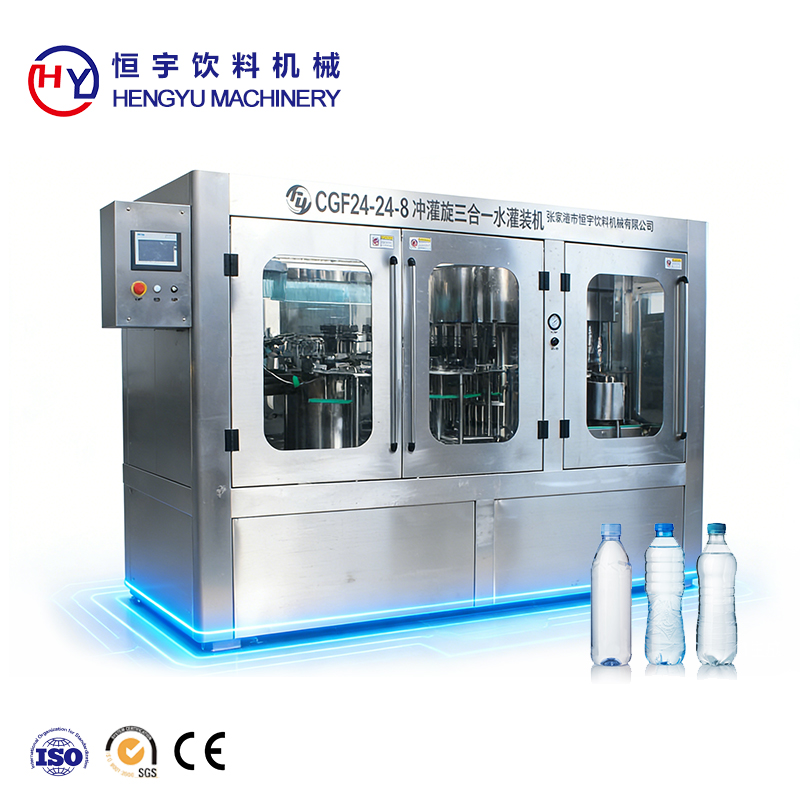
Automatic Water Bottle Packing Machine - High-Speed Packaging Solutions for Beverage Industry

All Categories

automatic water bottle packing machine

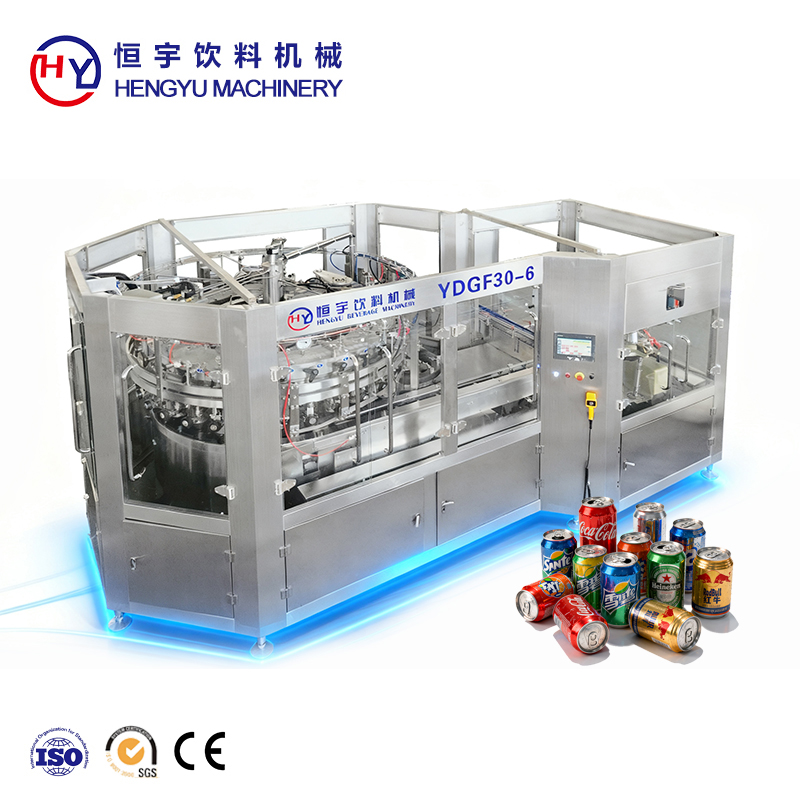
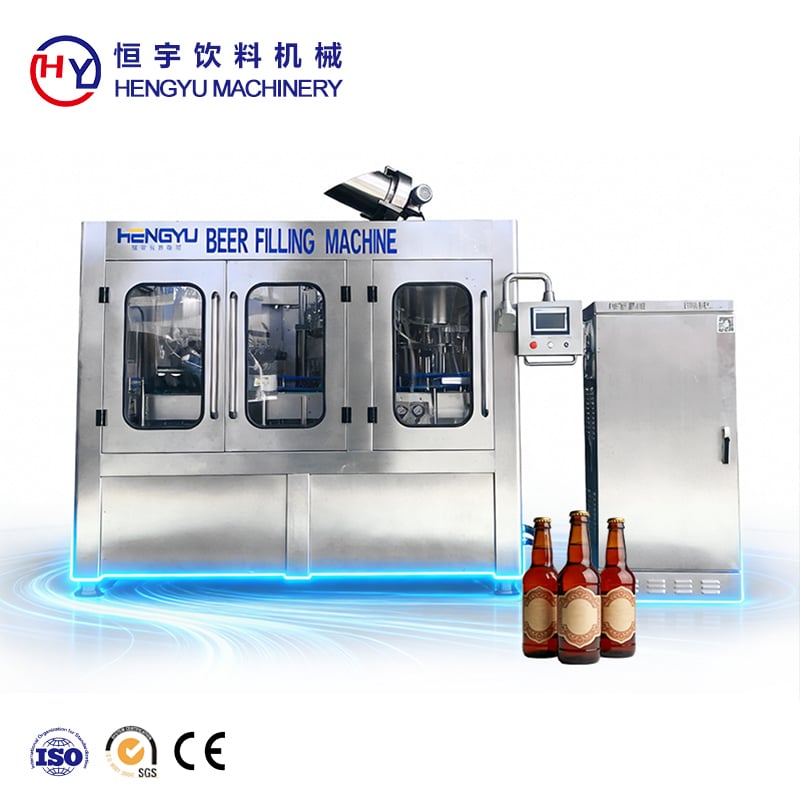
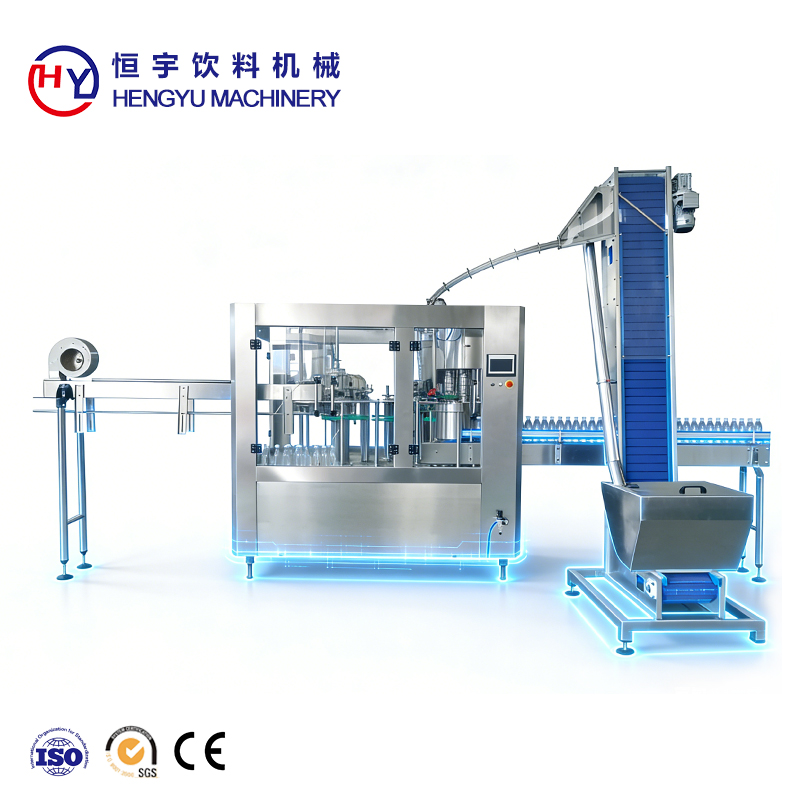
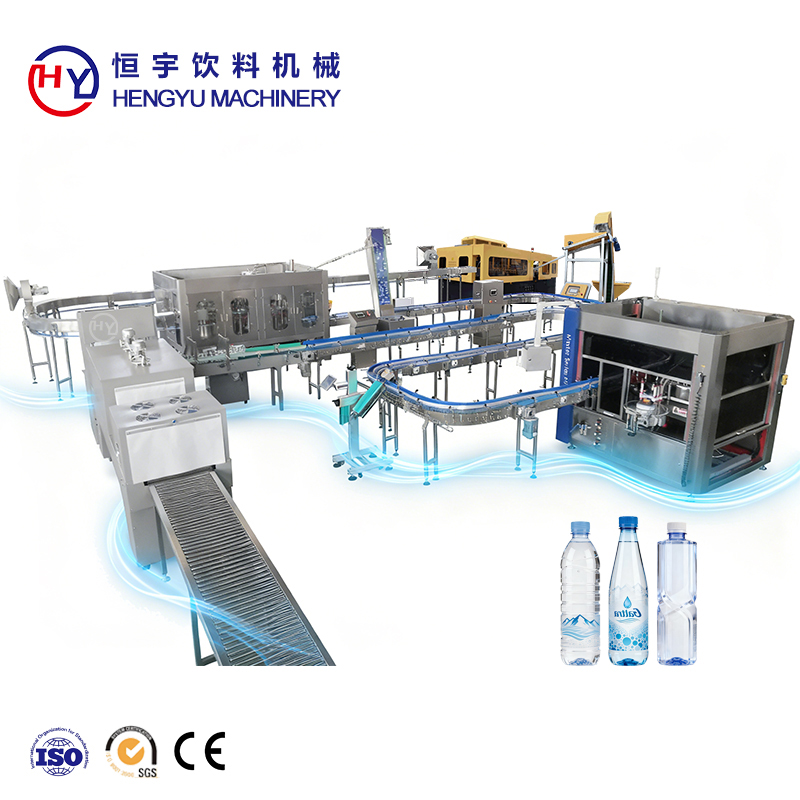
The automatic water bottle packing machine represents a revolutionary advancement in beverage packaging technology, designed to streamline the bottling and packaging process for manufacturers of all sizes. This sophisticated equipment integrates multiple functions into a single automated system, transforming raw materials into neatly packaged products ready for distribution. The machine handles everything from bottle arrangement and grouping to wrapping and sealing, eliminating the need for manual labor in these repetitive tasks. At its core, the automatic water bottle packing machine utilizes advanced sensor technology and programmable logic controllers to ensure precise operation at every stage. The main functions include automatic bottle feeding, where bottles are transported via conveyor systems and organized into predetermined configurations. The grouping mechanism arranges bottles according to customizable patterns, whether in clusters of six, twelve, twenty-four, or other configurations based on market requirements. Following arrangement, the wrapping module applies protective film or shrink wrap around the bottle groups, securing them for transport while maintaining visibility of the product. The heat-sealing component then activates, using controlled temperature application to create tight, durable seals that withstand handling throughout the supply chain. Technological features distinguish modern automatic water bottle packing machines from their predecessors. Touch-screen interfaces provide operators with intuitive control over all parameters, allowing quick adjustments to accommodate different bottle sizes, shapes, and packaging specifications. Variable speed controls enable manufacturers to match production rates with upstream and downstream processes, optimizing overall efficiency. Quality inspection systems equipped with optical sensors detect irregularities such as missing bottles, improper seals, or damaged packaging, automatically rejecting defective units before they proceed further. Applications span across various sectors including mineral water production, purified drinking water facilities, sparkling water manufacturers, and flavored water companies. The versatility of these machines makes them equally suitable for small-scale operations producing several hundred bottles per hour and large industrial facilities outputting thousands of units hourly, adapting seamlessly to diverse production environments and business scales.

New Products

Investing in an automatic water bottle packing machine delivers substantial benefits that directly impact your bottom line and operational capabilities. First and foremost, the equipment dramatically increases production speed compared to manual packing methods. Where human workers might package several dozen bottles per hour, these machines process hundreds or even thousands in the same timeframe, multiplying output without proportionally increasing labor costs. This acceleration means you can fulfill larger orders, meet tight deadlines, and respond quickly to market demand fluctuations. The consistency provided by automation ensures every package meets identical standards. Unlike manual processes where fatigue, distraction, or varying skill levels create inconsistencies, the automatic water bottle packing machine applies the same precision to the first bottle and the ten-thousandth. This uniformity enhances your brand image, reduces customer complaints, and minimizes waste from rejected products. Cost reduction materializes through multiple channels. Labor expenses decrease significantly as fewer workers are needed to achieve the same output, and those employees can be reassigned to higher-value tasks requiring human judgment and creativity. Material waste drops because the machine calculates exact film requirements and applies wrapping with minimal excess, unlike manual methods that often use more material than necessary for secure packaging. Energy efficiency represents another practical advantage, as modern machines incorporate power-saving features that reduce electricity consumption during operation and idle periods. The equipment pays for itself over time through these accumulated savings. Safety improvements protect your workforce from repetitive strain injuries common in manual packing operations. Workers no longer spend hours performing the same motions, reducing the risk of carpal tunnel syndrome, back problems, and other musculoskeletal disorders. This translates to fewer workers' compensation claims, less absenteeism, and higher employee morale. Flexibility allows you to adapt quickly to changing product lines or packaging requirements. Most automatic water bottle packing machines feature adjustable settings that accommodate different bottle dimensions, various packaging configurations, and alternative wrapping materials. You can switch between product types within minutes rather than hours, minimizing downtime during transitions. Space utilization becomes more efficient as these compact systems occupy less floor area than equivalent manual packing stations while producing greater output. The streamlined footprint leaves room for additional equipment or storage, maximizing the value of your facility. Reliability ensures consistent operation with minimal unplanned downtime. Quality components and robust construction mean the machine operates continuously through extended shifts, and preventive maintenance schedules keep equipment running smoothly. Data collection capabilities built into modern machines provide valuable insights into production rates, efficiency metrics, and maintenance needs, enabling informed decisions about process improvements and resource allocation. These practical advantages combine to strengthen your competitive position in the marketplace.

Practical Tips

Increasing Capacity in Bottled Water Production Lines

09

Mar

Increasing Capacity in Bottled Water Production Lines

Diagnosing Bottlenecks in Your Bottled Water Production Line Measuring Throughput Gaps: Bottling Speed, Changeover Time, and OEE Analysis To get a handle on where production is falling short, look at three key performance indicators. Start by compa...
View More
Can Filling Machine Capacity Planning Guide

22

Mar

Can Filling Machine Capacity Planning Guide

Understanding Can Filling Machine Capacity: Theory vs. Real-World Performance Why Theoretical Capacity Rarely Matches Effective Output on Can Filling Lines When companies talk about canning speed at 100 cans per minute, they're referring to what ha...
View More
Can Sealing Machine Maintenance Tips

23

Mar

Can Sealing Machine Maintenance Tips

Daily and Weekly Preventive Maintenance for Your Can Sealing Machine Essential Daily Checks: Belt Tension, Sealing Bar Alignment, and Tape Head Cleanliness Starting every shift with a quick check on belt tension makes all the difference. If belts a...
View More
Automation Technology in Can Sealing Machines

24

Mar

Automation Technology in Can Sealing Machines

How Automation Enhances Precision and Reliability in Can Sealing Machines Core Automation Components: Servo Drives, Vision Systems, and Closed-Loop Feedback in Modern Can Sealing Machines Today's can sealing equipment reaches incredible levels of p...
View More

Get a Free Quote

Our representative will contact you soon.
Email
Name
Phone/WhatsApp
Required Product
Message
0/1000

automatic water bottle packing machine

Enhanced Production Efficiency Through Intelligent Automation Systems

Enhanced Production Efficiency Through Intelligent Automation Systems

The automatic water bottle packing machine transforms production efficiency through its intelligent automation systems that orchestrate every aspect of the packaging process with remarkable precision and speed. These systems represent the culmination of years of engineering refinement, integrating mechanical components, electronic controls, and software algorithms into a cohesive unit that outperforms traditional methods by substantial margins. At the heart of this efficiency lies the servo-driven motor technology that powers conveyor belts, grouping mechanisms, and film application units. Unlike conventional motors, servo systems provide exact control over speed, position, and torque, enabling the machine to execute movements with split-second timing and millimeter-level accuracy. This precision eliminates bottlenecks that occur in manual processes where coordination between workers creates delays and inconsistencies. The programmable logic controller serves as the machine's brain, executing thousands of decisions per second based on sensor inputs and predetermined parameters. When a photoelectric sensor detects an incoming bottle, the controller calculates its position, speed, and trajectory, coordinating downstream components to receive and process it seamlessly. This real-time responsiveness maintains optimal flow rates even when bottles arrive irregularly from upstream filling equipment. The grouping mechanism showcases particularly impressive engineering, using pneumatic pushers or mechanical arms to arrange bottles into configured patterns without damaging containers or labels. Whether creating two-by-three arrays for six-packs or four-by-six formations for twenty-four bottle cases, the system adapts instantly to different requirements through simple parameter adjustments on the control panel. Film application represents another area where automation excels, as the machine draws wrapping material from supply rolls, measures exact lengths needed for each package, and applies it uniformly around bottle groups. Tension control systems ensure the film wraps snugly without excessive tightness that might deform bottles or looseness that compromises package integrity. Heat-sealing modules employ precisely calibrated temperatures and dwell times that create strong, clean seals without burning through material or leaving weak spots vulnerable to tearing. The automatic water bottle packing machine also incorporates reject mechanisms that remove defective packages from the production line without halting overall operation. When sensors detect issues such as incomplete wrapping, misaligned bottles, or seal failures, diverter arms or pneumatic jets redirect those packages to collection bins for inspection and reprocessing. This continuous quality control maintains high standards while preserving throughput rates that would be impossible with manual inspection methods. The cumulative effect of these intelligent automation systems manifests in production rates that routinely exceed manual capabilities by factors of five to ten, depending on configuration and bottle specifications, while simultaneously reducing error rates to near-negligible levels that enhance customer satisfaction and reduce waste.
Versatile Adaptability for Diverse Bottle Formats and Packaging Requirements

Versatile Adaptability for Diverse Bottle Formats and Packaging Requirements

Modern automatic water bottle packing machines distinguish themselves through exceptional versatility that accommodates the diverse range of bottle formats and packaging requirements characterizing today's beverage market. This adaptability proves invaluable for manufacturers who produce multiple product lines or anticipate future expansion into new bottle sizes and packaging styles. The machine achieves this flexibility through modular design principles and adjustable components that reconfigure quickly without extensive mechanical modifications or specialized technical expertise. Bottle diameter adjustment represents one fundamental aspect of this versatility, as guide rails and star wheels that position bottles during transport feature tool-free adjustment mechanisms. Operators simply loosen quick-release clamps, slide components to new positions corresponding to different bottle diameters, and retighten the fasteners, completing the changeover in minutes rather than the hours required by older fixed-dimension equipment. Height accommodation follows similar principles, with conveyor guides and product detection sensors mounted on vertical slides that raise or lower to match bottles ranging from compact personal-size containers to large family-format jugs. The grouping configuration offers remarkable flexibility through programmable patterns stored in the controller's memory. Rather than physically rebuilding the grouping mechanism for different pack sizes, operators select the desired configuration from a menu on the touch screen, and the machine automatically adjusts pusher timing, spacing, and cycle counts to create the specified arrangement. This software-based adaptability extends to wrapping parameters as well, with the system calculating appropriate film lengths, overlap dimensions, and seal positions for each package size. Film compatibility represents another dimension of versatility, as the automatic water bottle packing machine handles various wrapping materials including polyethylene shrink film, polypropylene stretch film, and biodegradable alternatives increasingly demanded by environmentally conscious consumers. Tension rollers, film guides, and heat-sealing elements adjust to accommodate different material thicknesses, elasticity characteristics, and thermal properties, ensuring optimal results regardless of film type. Speed scalability allows manufacturers to match machine output with facility capacity and market demand. Variable frequency drives control motor speeds across user-defined ranges, enabling production rates from conservative speeds suitable for delicate bottles or complex packaging to maximum velocities for simple formats and high-volume requirements. This adjustability prevents the common problem of equipment that operates either too slowly, creating production bottlenecks, or too quickly, overwhelming downstream processes like palletizing or case packing. Integration capabilities further enhance versatility by enabling the automatic water bottle packing machine to connect with diverse upstream and downstream equipment through standardized interfaces. Whether receiving bottles from rotary fillers, linear filling lines, or inspection systems, and feeding packages to cartoners, palletizers, or direct-to-truck loading systems, the machine synchronizes seamlessly through communication protocols and mechanical interfaces. This interoperability future-proofs your investment, ensuring compatibility with facility upgrades and expansions without requiring complete system replacements. The practical implication of this versatility is that a single automatic water bottle packing machine can serve multiple production lines or product categories, maximizing return on investment while minimizing floor space requirements and maintenance complexity associated with operating multiple specialized machines for different packaging needs.
Minimal Maintenance Requirements With Extended Equipment Lifespan

Minimal Maintenance Requirements With Extended Equipment Lifespan

The automatic water bottle packing machine delivers exceptional value through its minimal maintenance requirements and extended operational lifespan, characteristics that significantly reduce total cost of ownership while ensuring reliable performance throughout years of continuous service. These attributes stem from deliberate engineering choices prioritizing durability, accessibility, and component quality over short-term cost minimization. The frame construction utilizes heavy-gauge stainless steel or powder-coated carbon steel that resists corrosion, withstands mechanical stresses, and maintains structural integrity despite constant vibration and loading cycles. Unlike lighter frames that gradually deform under operational forces, these robust structures preserve alignment precision indefinitely, preventing the gradual degradation in packaging quality that plagues inferior equipment. Stainless steel also simplifies cleaning and sanitation, critical considerations in beverage production environments where hygiene standards must be maintained rigorously. Component selection emphasizes proven technologies from reputable manufacturers rather than experimental or budget alternatives. Bearings come from established bearing specialists known for precision tolerances and long service lives, while pneumatic cylinders originate from industrial automation suppliers whose products withstand millions of cycles without leakage or performance degradation. Electrical components including relays, contactors, and servo drives meet industrial-grade specifications that ensure reliable operation in environments characterized by temperature fluctuations, humidity, and electromagnetic interference. These quality components operate significantly longer between failures compared to consumer-grade alternatives, reducing downtime and maintenance costs substantially over the machine's lifespan. Lubrication systems employ automatic oilers that deliver precise quantities of lubricant to critical moving parts at programmed intervals, eliminating reliance on manual lubrication schedules that often go neglected during busy production periods. This automated maintenance prevents premature wear while reducing the time maintenance personnel must dedicate to routine servicing. Accessible design principles ensure that when maintenance does become necessary, technicians can complete tasks efficiently without extensive disassembly. Hinged guards swing open to reveal internal mechanisms, while quick-disconnect fittings on pneumatic lines and plug-in connectors for electrical components enable rapid removal and replacement of parts requiring service. Diagnostic systems built into the automatic water bottle packing machine monitor component health continuously, tracking parameters like motor current draw, bearing temperatures, and cycle counts that indicate developing problems before they cause failures. The control panel displays maintenance alerts when components approach service intervals or exhibit abnormal operating characteristics, enabling proactive replacement during scheduled downtime rather than reactive repairs following unexpected breakdowns. This predictive maintenance capability transforms maintenance from an emergency response activity into a planned, budgeted process that minimizes disruption to production schedules. Modular construction allows component-level replacement rather than entire assembly swaps when parts do eventually wear out. If a conveyor belt requires replacement, maintenance staff remove and install just the belt rather than the entire conveyor assembly, significantly reducing spare parts inventory costs and replacement complexity. Similarly, if a sensor fails, technicians replace only that sensor rather than entire detection arrays, minimizing both parts costs and downtime. The combination of durable construction, quality components, automated lubrication, accessible design, diagnostic systems, and modular architecture extends the practical service life of an automatic water bottle packing machine to fifteen years or more with proper care, far exceeding the typical seven to ten year lifespan of budget alternatives. This longevity spreads the initial investment across more production years, dramatically improving return on investment while avoiding the disruption and expense of premature equipment replacement that forces production line redesigns and retraining of personnel on new systems.