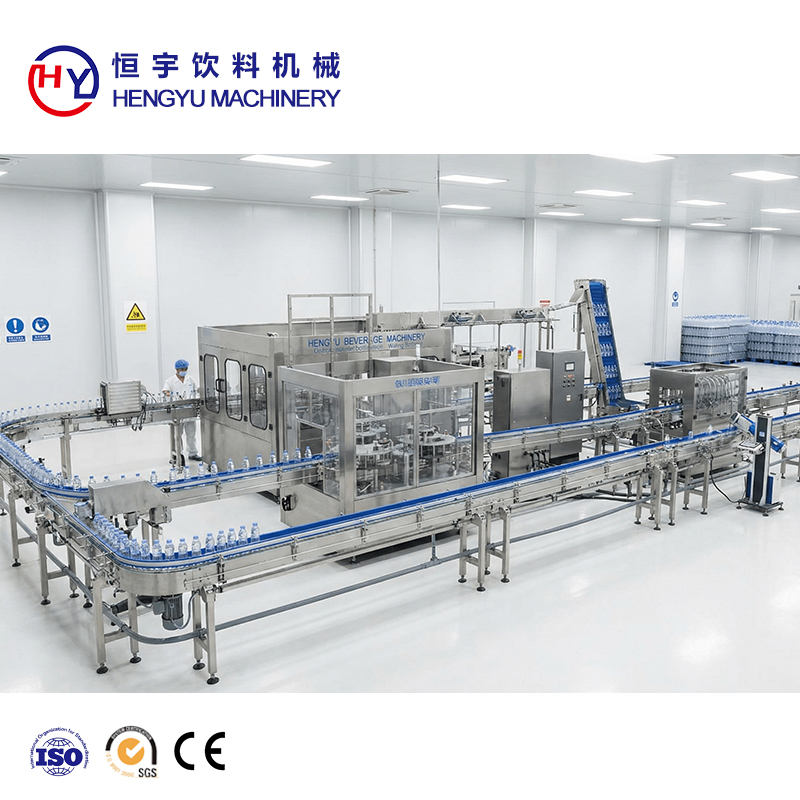
Mineral Water Filling Line Solutions - Advanced Automated Bottling Systems for Efficient Production

All Categories

mineral water filling line

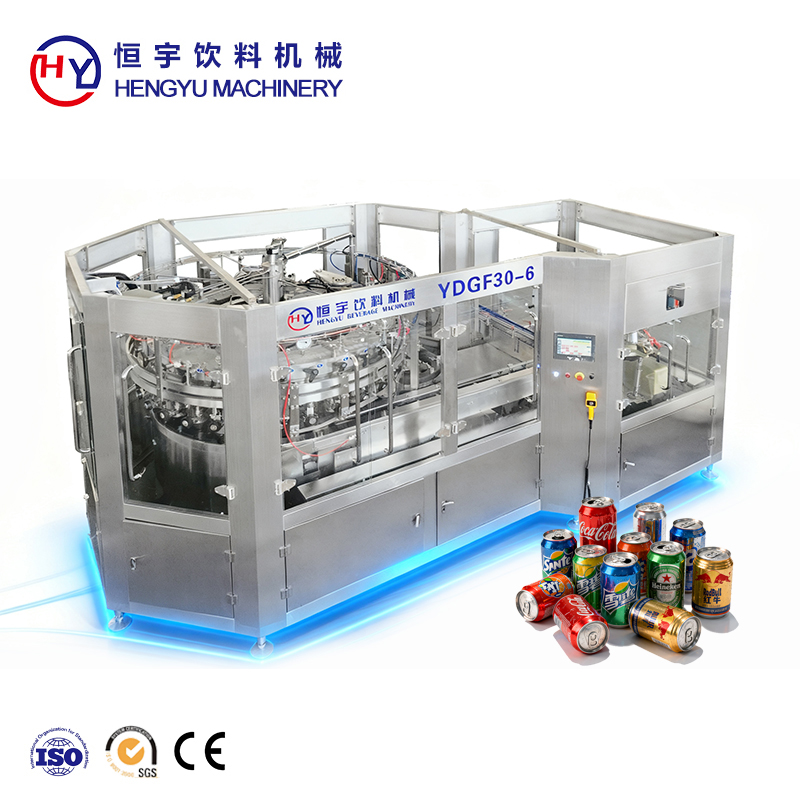
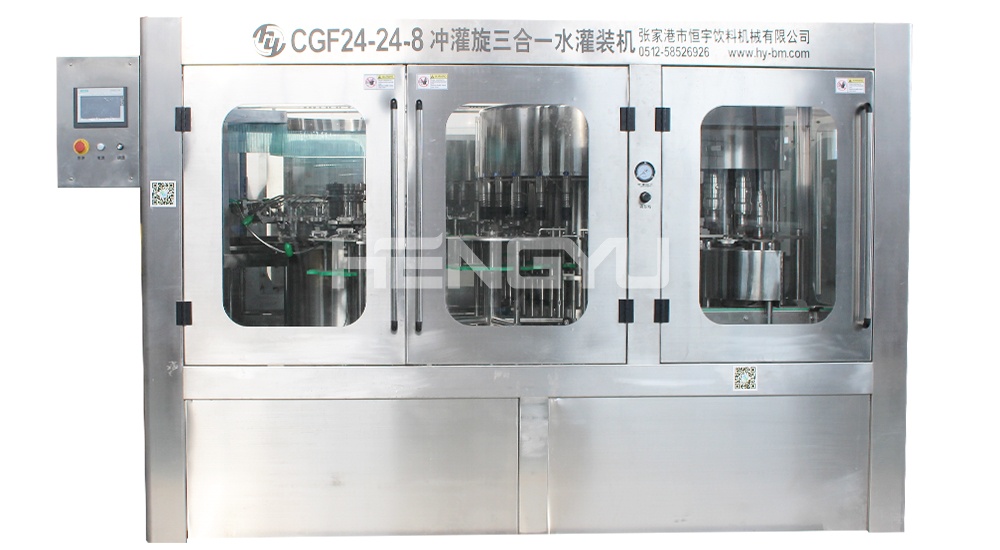
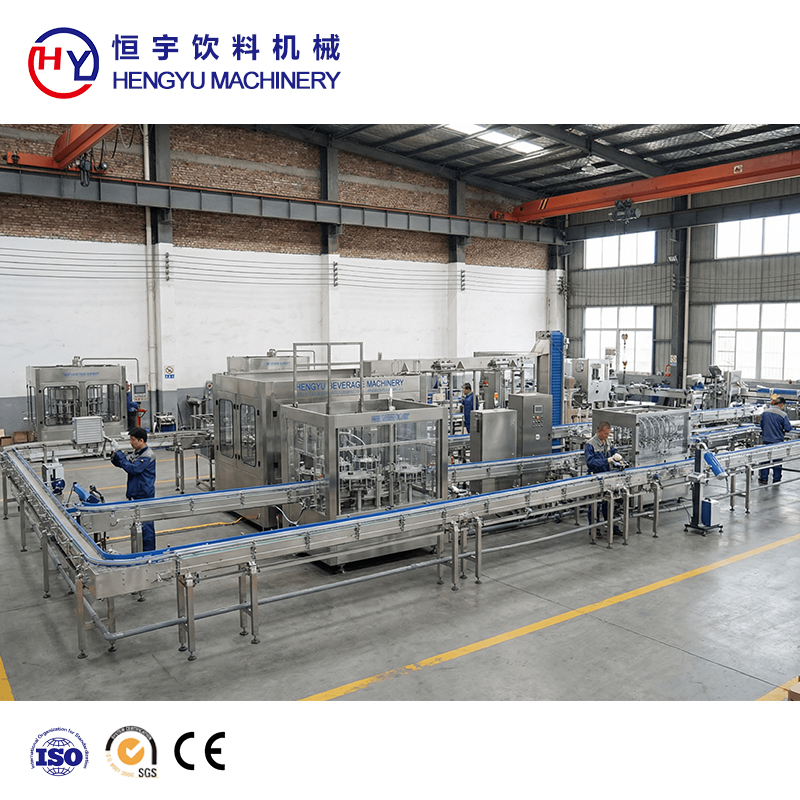
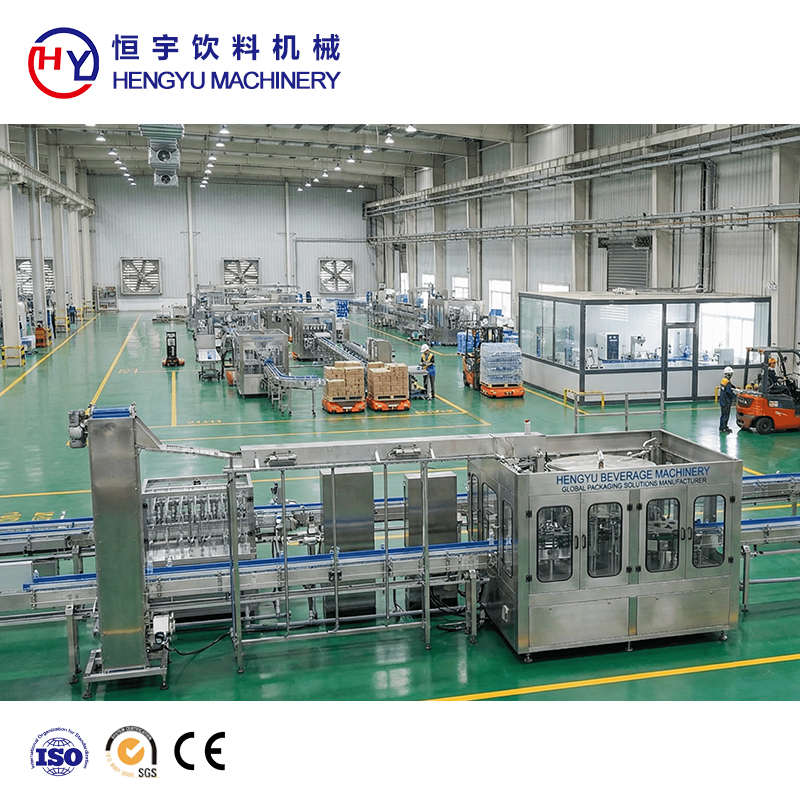
A mineral water filling line represents a comprehensive automated production system designed to handle the complete bottling process for mineral water products. This sophisticated equipment integrates multiple stages of production, from empty bottle handling through rinsing, filling, capping, labeling, and final packaging. The primary function of a mineral water filling line is to ensure consistent, hygienic, and efficient bottling operations that meet stringent quality standards while maximizing production output. Modern systems incorporate advanced control mechanisms that monitor every aspect of the filling process, ensuring precise liquid levels, proper sealing, and contamination-free conditions throughout. The technological features of these production systems include programmable logic controllers that manage operational parameters, touch-screen interfaces for easy operation, and automated sensors that detect and reject defective bottles. Most mineral water filling line configurations utilize gravity filling, pressure filling, or vacuum filling technologies depending on production requirements and bottle specifications. The equipment typically features stainless steel construction to prevent corrosion and maintain sanitary conditions essential for beverage production. Applications for this equipment span across various scales of production, from small bottling operations producing several hundred bottles per hour to large industrial facilities capable of filling tens of thousands of bottles hourly. The versatility of a mineral water filling line allows manufacturers to handle different bottle sizes and shapes with minimal changeover time. These systems find application in producing still mineral water, sparkling water, flavored water varieties, and other non-carbonated beverages. The integration of quality control systems ensures that each bottle meets weight specifications and seal integrity requirements before reaching consumers. Energy-efficient designs reduce operational costs while maintaining high-speed production capabilities. The modular construction of modern filling lines enables businesses to expand capacity by adding components as demand grows, making them suitable for both established brands and emerging market entrants seeking reliable bottling solutions.

Popular Products

Investing in a mineral water filling line delivers substantial operational improvements that directly impact your bottom line and market competitiveness. The automation provided by these systems dramatically reduces labor costs by eliminating the need for manual filling and capping operations that are both time-consuming and inconsistent. Your production team can focus on quality oversight and system management rather than repetitive manual tasks. The speed advantage is immediately noticeable, with modern equipment capable of processing thousands of bottles per hour compared to manual operations that struggle to reach even a fraction of that output. This increased throughput means you can fulfill larger orders, expand distribution networks, and respond quickly to market demand fluctuations without compromising quality. Consistency stands as another critical benefit, as the mineral water filling line ensures every bottle contains precisely the same volume of product with identical seal quality. This uniformity eliminates customer complaints about underfilled bottles and reduces product waste from overfilling. The hygienic advantages cannot be overstated, as automated systems minimize human contact with the product and utilize sanitization protocols that maintain sterile conditions throughout production. This protection against contamination safeguards your brand reputation and ensures compliance with food safety regulations that govern beverage production. Cost efficiency extends beyond labor savings to include reduced material waste, as precise filling mechanisms eliminate spillage and overfilling that drain profit margins. Energy consumption optimization built into modern designs lowers utility expenses while maintaining peak performance. The flexibility these systems offer allows quick changeovers between different bottle sizes and types, enabling you to diversify your product range without investing in separate equipment for each variation. Quality control integration provides real-time monitoring that catches defects before products leave the facility, protecting your brand from costly recalls and negative publicity. Maintenance requirements are straightforward, with accessible components and diagnostic systems that identify issues before they cause production downtime. The return on investment typically materializes within the first year of operation through increased production capacity, reduced waste, and lower labor costs. Scalability built into the mineral water filling line design means your initial investment grows with your business, as modular components can be added to increase capacity without replacing the entire system. Competitive positioning improves when you can guarantee consistent product quality, meet large-scale distribution demands, and maintain competitive pricing enabled by efficient production processes that reduce per-unit costs significantly.

Latest News

How to Choose a Glass Bottle Filling Machine for Beverage Production

06

Mar

How to Choose a Glass Bottle Filling Machine for Beverage Production

Match Filling Technology to Beverage Type and Sensitivity Counter-Pressure Fillers for Carbonated Beverages and Beer Carbonated drinks like soda, sparkling water and beer need careful filling techniques to keep their fizz intact while avoiding exc...
View More
Increasing Capacity in Bottled Water Production Lines

09

Mar

Increasing Capacity in Bottled Water Production Lines

Diagnosing Bottlenecks in Your Bottled Water Production Line Measuring Throughput Gaps: Bottling Speed, Changeover Time, and OEE Analysis To get a handle on where production is falling short, look at three key performance indicators. Start by compa...
View More
How Bottled Water Production Lines Maintain Product Safety

12

Mar

How Bottled Water Production Lines Maintain Product Safety

Regulatory Foundations and the Multi-Barrier Safety Framework FDA, EPA, and ISO Standards Specific to Bottled Water Production Lines The bottled water industry works within a pretty strict set of regulations. The FDA has these things called Good Ma...
View More
Automation Technology in Can Sealing Machines

24

Mar

Automation Technology in Can Sealing Machines

How Automation Enhances Precision and Reliability in Can Sealing Machines Core Automation Components: Servo Drives, Vision Systems, and Closed-Loop Feedback in Modern Can Sealing Machines Today's can sealing equipment reaches incredible levels of p...
View More

Get a Free Quote

Our representative will contact you soon.
Email
Name
Phone/WhatsApp
Required Product
Message
0/1000

mineral water filling line

Advanced Automated Control Systems Ensure Optimal Production Efficiency

Advanced Automated Control Systems Ensure Optimal Production Efficiency

The heart of any modern mineral water filling line lies in its sophisticated automated control systems that revolutionize how bottling operations function. These intelligent systems employ programmable logic controllers and human-machine interfaces that provide operators with complete oversight of every production parameter. The touch-screen control panels display real-time data on filling speeds, bottle counts, liquid levels in supply tanks, and equipment status indicators that alert staff to any deviations from normal operation. This centralized monitoring capability eliminates the guesswork from production management and enables immediate response to any irregularities. The automation extends to bottle handling, where sensors detect bottle presence and position, ensuring perfect alignment before filling begins. Servo motor technology drives the filling valves with micro-precision, delivering exactly the programmed volume into each container regardless of production speed. The mineral water filling line control systems can store multiple recipes for different bottle sizes and product specifications, allowing operators to switch between production runs with simple menu selections rather than manual adjustments. Self-diagnostic functions continuously monitor mechanical components, pressure levels, temperature conditions, and electrical systems, providing predictive maintenance alerts that prevent unexpected breakdowns during production. Statistical process control features track filling accuracy over time, generating reports that document quality consistency for regulatory compliance and internal quality assurance programs. Integration capabilities allow these systems to connect with enterprise resource planning software, automatically updating inventory levels, production counts, and scheduling information. The automation reduces training requirements as intuitive interfaces guide operators through standard procedures and troubleshooting protocols. Error prevention mechanisms halt production automatically when detecting conditions that could compromise product quality, such as missing caps, improperly seated bottles, or filling valve malfunctions. This protective automation prevents batch contamination and equipment damage that could result from continued operation under fault conditions. The energy management features optimize power consumption by adjusting motor speeds and system pressures according to production demands, reducing electricity costs without sacrificing output quality. Remote monitoring capabilities available in advanced systems enable technical support teams to diagnose issues and adjust parameters without being physically present at the facility, minimizing downtime when problems arise. The learning curve for operating these automated systems is surprisingly short, typically requiring only days of training for staff to achieve operational proficiency, making the mineral water filling line accessible even for facilities transitioning from manual processes.
Hygienic Design Standards Protect Product Purity and Consumer Safety

Hygienic Design Standards Protect Product Purity and Consumer Safety

The construction and design philosophy behind a mineral water filling line prioritizes hygiene and sanitation to levels that meet or exceed international food safety standards. Every surface that contacts the product features food-grade stainless steel materials that resist corrosion, prevent bacterial growth, and withstand repeated exposure to cleaning chemicals and high-temperature sanitization procedures. The enclosed filling environment shields the product from airborne contaminants, dust particles, and environmental pollutants that could compromise water purity. Specialized rinsing stations within the system cleanse bottles immediately before filling using filtered air, sterile water, or sanitizing solutions that eliminate residues and microorganisms from container interiors. The design eliminates dead spaces, crevices, and horizontal surfaces where liquids could pool and create bacterial breeding grounds, instead utilizing sloped surfaces and continuous curves that promote complete drainage during cleaning cycles. Clean-in-place systems integrate with the mineral water filling line, allowing automated cleaning and sanitization without disassembling equipment components. These CIP systems circulate cleaning solutions through all product-contact surfaces, following programmed sequences that ensure thorough sanitation between production runs or at scheduled intervals. The filling valves incorporate anti-drip mechanisms that prevent product residue from remaining on valve tips where it could dry and flake into subsequent bottles. Positive pressure environments within critical zones prevent external air from entering filling areas, maintaining sterile conditions throughout operation. The capping systems apply closures with controlled torque that ensures proper sealing without over-tightening that could damage threads or under-tightening that allows contamination. Ultraviolet sterilization options can be integrated into bottle handling sections, exposing containers to germicidal UV light that destroys microorganisms before filling occurs. The mineral water filling line design facilitates easy access for manual cleaning and inspection, with quick-release components and hinged guards that maintenance staff can open without tools. Documentation systems track cleaning schedules, sanitization verification tests, and maintenance activities, creating audit trails that demonstrate compliance with good manufacturing practices. The separation of filling zones from other production areas prevents cross-contamination from packaging materials, labeling adhesives, or maintenance activities. Air quality management systems filter incoming air to remove particulates and maintain positive pressure differentials that protect sterile zones. Temperature control within filling areas prevents condensation formation that could introduce moisture contamination or support microbial growth on equipment surfaces. The commitment to hygienic design extends to operator interfaces, with sealed control panels that prevent liquid ingress and smooth surfaces that can be wiped down easily, ensuring the entire mineral water filling line maintains sanitary conditions that protect both product quality and consumer health.
Versatile Configuration Options Accommodate Diverse Production Requirements

Versatile Configuration Options Accommodate Diverse Production Requirements

The adaptability engineered into modern mineral water filling line systems empowers businesses to address varied production needs without purchasing multiple specialized machines. This versatility begins with adjustable components that accommodate different bottle heights, diameters, and shapes through simple mechanical adjustments or automated size-change systems that reposition guides, filling heads, and capping mechanisms. Production facilities can switch from filling small personal-sized bottles to large family-format containers within minutes rather than hours, maximizing equipment utilization and enabling responsive production scheduling that aligns with market demands. The modular architecture allows businesses to configure their mineral water filling line according to specific requirements and budget constraints, starting with essential components and adding capabilities as production volumes increase or product ranges expand. Base configurations might include rinsing, filling, and capping modules, while expanded systems incorporate labeling equipment, date coding systems, carton packaging machinery, and palletizing automation. This scalable approach means your initial investment protects future growth without requiring complete equipment replacement when capacity increases become necessary. Speed variability built into drive systems enables the same equipment to operate at different production rates, running slower for specialty products requiring extra care or ramping up to maximum throughput for high-volume standard items. The filling technology selection offers choices between gravity fillers for still water, isobaric fillers for carbonated products, and piston fillers for viscous liquids, with some systems accommodating multiple technologies through valve changeovers. Bottle material compatibility extends across PET plastic, glass, and even aluminum containers, with handling systems adjusted to grip and convey different materials without damage. The mineral water filling line can integrate with upstream processes like bottle blowing systems that form containers from preforms immediately before filling, eliminating transportation costs and storage requirements for empty bottles. Downstream integration connects filling operations with secondary packaging equipment, creating complete production lines from raw materials to finished palletized products ready for distribution. Customization options address specific regional requirements, such as special cap types preferred in certain markets, unusual bottle designs that differentiate branded products, or label application methods that meet local regulatory requirements. The control systems accommodate multiple user interfaces in different languages, supporting multinational operations or facilities employing diverse workforces. Format parts designed for quick changeover reduce the complexity of transitioning between products, with color-coded components and foolproof installation features that prevent incorrect assembly. Production data collection capabilities vary from basic counters to sophisticated systems that track efficiency metrics, downtime causes, and quality parameters across multiple production shifts. This analytical capability enables continuous improvement initiatives that optimize the mineral water filling line performance over time, identifying bottlenecks and opportunities for productivity enhancement that drive competitive advantages in increasingly demanding beverage markets.