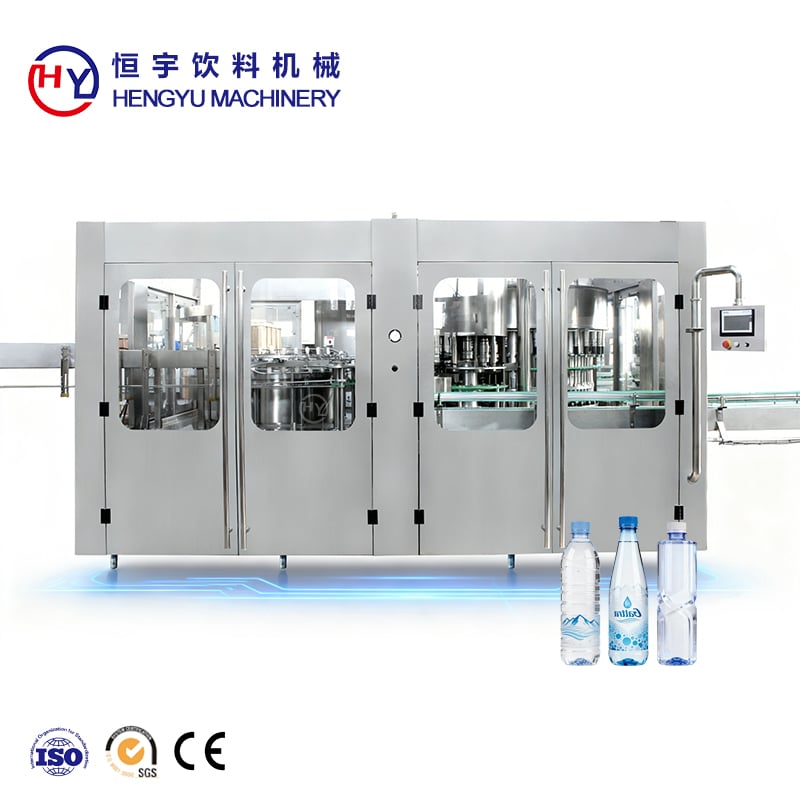
Drinking Water Bottle Filling Machine - Advanced Automated Bottling Solutions for Pure Water Production

All Categories

drinking water bottle filling machine

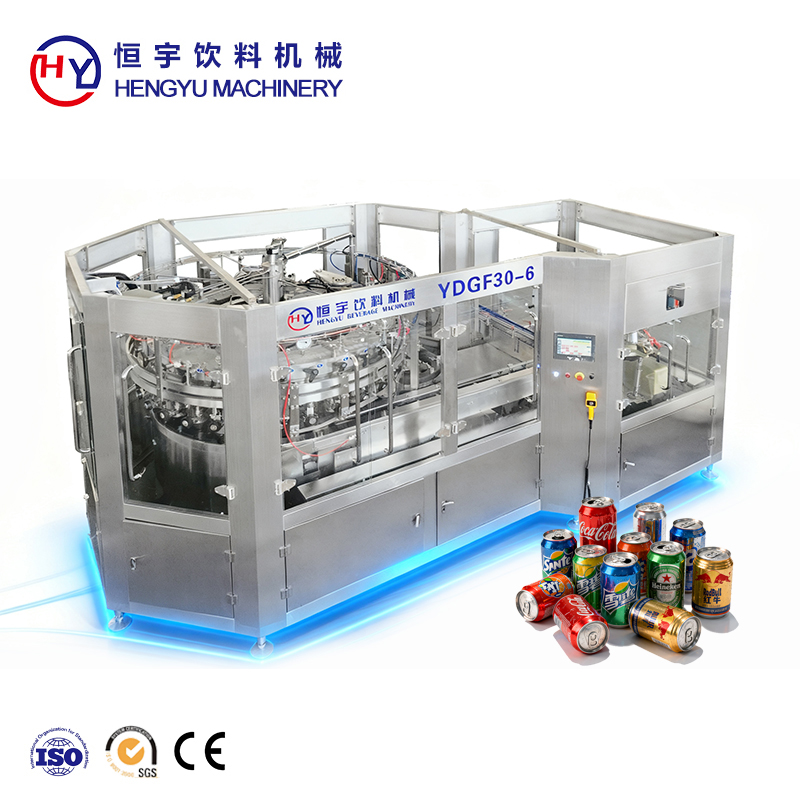
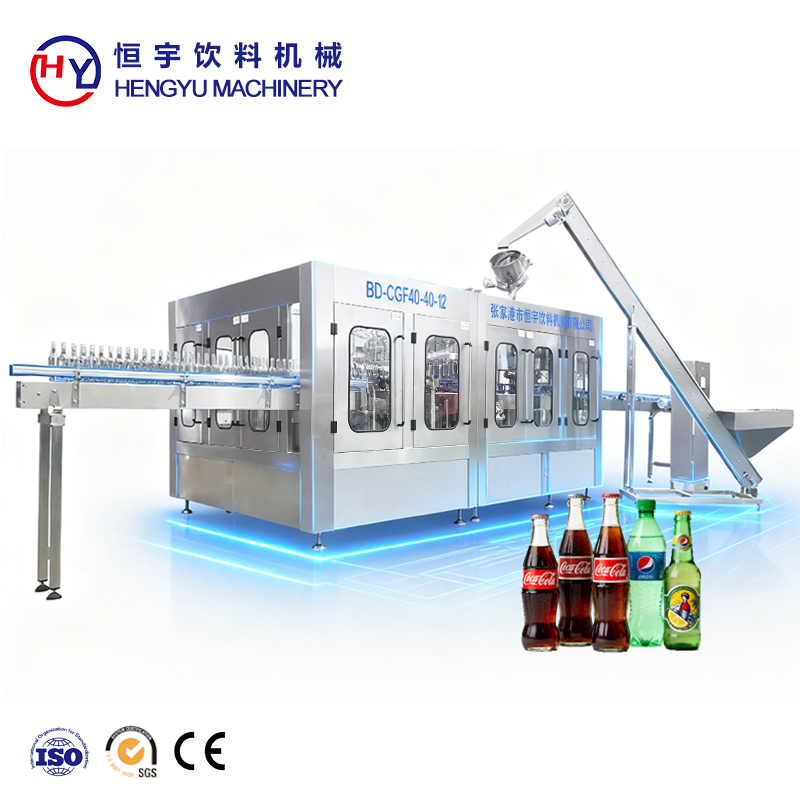
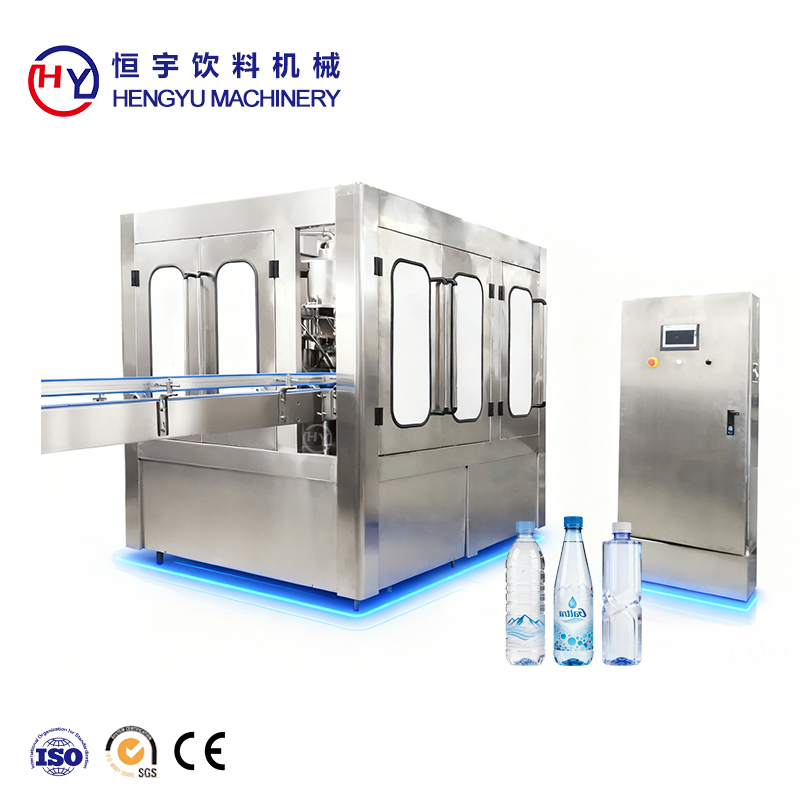
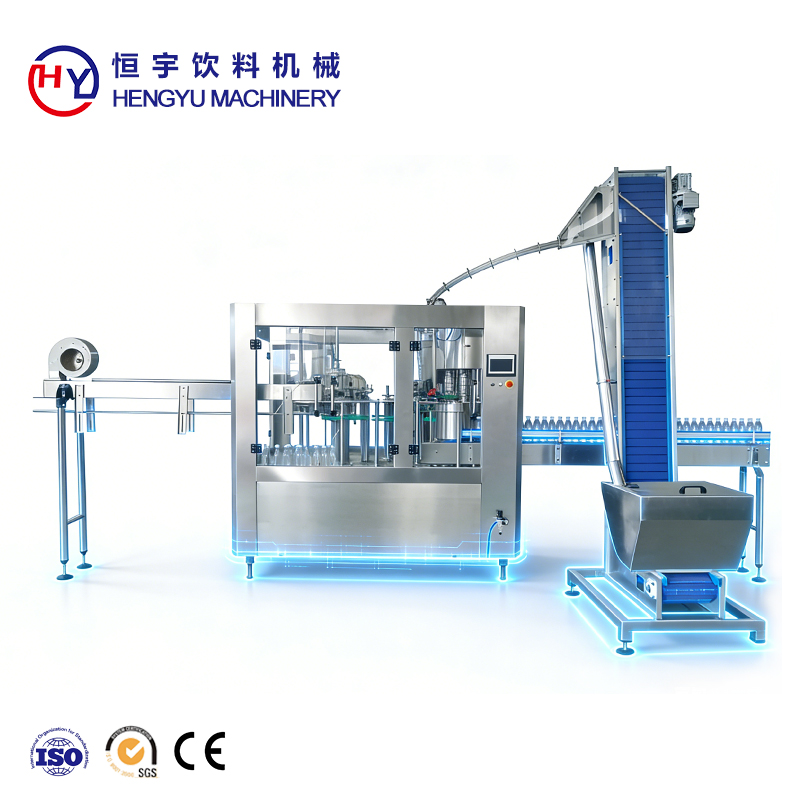
A drinking water bottle filling machine represents an essential piece of equipment designed to automate the process of filling bottles with purified drinking water in commercial production environments. This sophisticated machinery combines precision engineering with advanced automation technology to deliver consistent, hygienic, and efficient bottle filling operations. The primary function of a drinking water bottle filling machine centers on accurately dispensing predetermined volumes of water into bottles of various sizes, ranging from small personal-use containers to large dispensers. These machines integrate multiple operational stages including bottle feeding, rinsing, filling, capping, and labeling within a single streamlined production line. Modern drinking water bottle filling machines employ cutting-edge technological features such as programmable logic controllers that allow operators to adjust filling parameters with remarkable precision. The equipment utilizes servo-driven systems that ensure accurate volume control while minimizing product waste. Stainless steel construction remains standard throughout the industry, guaranteeing food-grade safety compliance and preventing contamination during the filling process. Advanced sensor technology monitors every stage of production, immediately detecting irregularities such as missing bottles, incorrect fill levels, or capping failures. The applications of drinking water bottle filling machines span diverse industries including bottled water production facilities, beverage manufacturing plants, pharmaceutical companies producing sterile water solutions, and commercial establishments requiring large-scale water bottling capabilities. These machines accommodate various bottle materials including PET plastic, glass, and HDPE containers while maintaining operational flexibility to switch between different bottle sizes with minimal downtime. The filling mechanisms vary depending on production requirements, with options including gravity filling, pressure filling, and vacuum filling systems. Each method offers specific advantages tailored to particular production volumes and bottle specifications, ensuring manufacturers can select the optimal configuration for their operational needs.

New Products

Investing in a drinking water bottle filling machine delivers substantial operational benefits that directly impact your bottom line and production capabilities. First and foremost, these machines dramatically increase production speed compared to manual filling methods, with modern equipment capable of processing anywhere from 2,000 to 36,000 bottles per hour depending on the model and configuration selected. This acceleration in output allows businesses to meet growing market demands without proportionally increasing labor costs or production space. The consistency achieved through automated filling eliminates the variations inherent in manual operations, ensuring every bottle contains precisely the correct volume of water. This accuracy prevents product giveaway where bottles are overfilled, directly protecting profit margins while simultaneously avoiding underfilling that could damage brand reputation and invite regulatory penalties. The hygienic advantages of a drinking water bottle filling machine cannot be overstated, as automated systems minimize human contact with the product throughout the filling process. This reduction in handling significantly decreases contamination risks, helping businesses maintain the highest safety standards and comply with stringent health regulations. Modern machines feature fully enclosed filling zones with sterile air filtration systems that create positive pressure environments preventing external contaminants from entering the production area. Labor cost savings represent another compelling advantage, as a single operator can typically supervise an automated drinking water bottle filling machine that would otherwise require multiple workers performing manual filling tasks. This efficiency allows businesses to reallocate human resources to value-added activities while reducing expenses associated with recruitment, training, and employee turnover. The machines also demonstrate impressive versatility, accommodating multiple bottle sizes and formats through quick-change components that enable production line transitions in minimal time. This flexibility proves invaluable for businesses serving diverse market segments or introducing new product sizes without investing in entirely separate filling lines. Energy efficiency has become a hallmark of contemporary drinking water bottle filling machines, with manufacturers incorporating variable frequency drives and optimized mechanical systems that reduce power consumption compared to older equipment generations. Additionally, the precise control systems minimize water waste during rinsing and filling operations, contributing to both environmental sustainability and cost reduction. The durability and reliability of quality filling machines ensure continuous operation with minimal maintenance requirements, reducing unexpected downtime that disrupts production schedules and disappoints customers awaiting deliveries.

Latest News

Glass Bottle Filling Machine vs Plastic Bottle Filling Machine

04

Mar

Glass Bottle Filling Machine vs Plastic Bottle Filling Machine

Material Properties Dictate Core Machine Design Glass fragility and thermal mass: why glass bottle filling machines require reinforced frames, shock-dampened conveyors, and precision neck-handling grippers Working with glass bottles means going th...
View More
How Bottled Water Production Lines Maintain Product Safety

12

Mar

How Bottled Water Production Lines Maintain Product Safety

Regulatory Foundations and the Multi-Barrier Safety Framework FDA, EPA, and ISO Standards Specific to Bottled Water Production Lines The bottled water industry works within a pretty strict set of regulations. The FDA has these things called Good Ma...
View More
Can Filling Machine Technology for Carbonated Beverages

20

Mar

Can Filling Machine Technology for Carbonated Beverages

Isobaric Filling Principles: How Can Filling Machines Preserve Carbonation Under Pressure The Physics of CO₂ Solubility and Why Counter-Pressure Is Non-Negotiable The way carbon dioxide dissolves in drinks basically follows what we call Henry's Law...
View More
Can Filling Machine Capacity Planning Guide

22

Mar

Can Filling Machine Capacity Planning Guide

Understanding Can Filling Machine Capacity: Theory vs. Real-World Performance Why Theoretical Capacity Rarely Matches Effective Output on Can Filling Lines When companies talk about canning speed at 100 cans per minute, they're referring to what ha...
View More

Get a Free Quote

Our representative will contact you soon.
Email
Name
Phone/WhatsApp
Required Product
Message
0/1000

drinking water bottle filling machine

Advanced Automation Technology Maximizes Production Efficiency

Advanced Automation Technology Maximizes Production Efficiency

The integration of advanced automation technology within drinking water bottle filling machines revolutionizes production efficiency by eliminating bottlenecks and optimizing every aspect of the filling process. At the heart of these systems lies sophisticated programmable logic controllers that coordinate multiple machine functions simultaneously, creating seamless transitions between bottle infeed, preparation, filling, sealing, and discharge operations. These intelligent control systems continuously monitor production parameters in real-time, automatically adjusting filling speeds, timing sequences, and operational pressures to maintain optimal performance regardless of external variables. The automation extends beyond basic filling functions to encompass comprehensive quality control measures, with integrated vision systems inspecting bottles before filling to reject containers with defects, contamination, or improper positioning. During the filling stage, precision flowmeters and load cells verify that each bottle receives the exact specified volume, with the system automatically compensating for variables such as temperature fluctuations or supply pressure variations that might otherwise compromise accuracy. The capping operation benefits equally from automated precision, with torque-controlled systems applying consistent sealing force that prevents both inadequate seals that could allow contamination and excessive tightening that might damage bottle threads or caps. This level of automation dramatically reduces the dependency on operator skill and vigilance, effectively democratizing production quality so that businesses can maintain consistent output standards across different shifts and personnel. The data collection capabilities embedded within modern drinking water bottle filling machines provide invaluable operational intelligence, tracking metrics such as bottles processed per hour, rejection rates, downtime incidents, and maintenance requirements. This information empowers managers to identify improvement opportunities, predict maintenance needs before failures occur, and demonstrate compliance with quality management system requirements. Furthermore, the automation reduces physical strain on workers by eliminating repetitive manual tasks, improving workplace safety while enhancing employee satisfaction. The quick-changeover features enabled by automated systems allow production facilities to respond rapidly to market demands, switching between different bottle sizes or water types within minutes rather than hours, maximizing equipment utilization and revenue potential throughout each production day.
Hygienic Design Ensures Product Safety and Regulatory Compliance

Hygienic Design Ensures Product Safety and Regulatory Compliance

The hygienic design principles incorporated into drinking water bottle filling machines address the critical imperative of maintaining product purity throughout the bottling process, protecting consumer health while ensuring regulatory compliance across multiple jurisdictions. Every surface that contacts either the water product or the bottle interior receives meticulous engineering attention, utilizing food-grade stainless steel alloys that resist corrosion, prevent bacterial colonization, and facilitate thorough cleaning and sanitization. The machines feature smooth, crevice-free construction that eliminates potential harboring points for contaminants, with welded joints ground flush and polished to pharmaceutical standards. The filling nozzles incorporate specialized designs that prevent dripping between bottles, eliminating cross-contamination risks while maintaining the pristine condition of bottle exteriors. Many advanced drinking water bottle filling machines employ isolated filling environments with HEPA-filtered positive air pressure systems that create protective barriers against airborne contaminants, essentially establishing cleanroom conditions within the production area. The bottle rinsing stations that precede filling use multiple rinse cycles with options for air rinsing, water rinsing, or sterilizing solution treatments depending on application requirements and regulatory standards. These preparation stages remove dust, particulates, and potential microbiological contaminants that bottles may have accumulated during storage or transportation. The cleaning-in-place systems integrated into quality filling machines enable complete sanitization of all product contact surfaces without disassembly, using automated spray ball devices and circulation pumps that distribute cleaning solutions and sanitizing agents throughout the entire flow path. This capability proves essential for maintaining continuous compliance with health department regulations and industry certifications such as FDA approval, HACCP compliance, and ISO 22000 food safety management standards. The hygienic design extends to drainage systems that prevent standing water accumulation and include sloped surfaces directing all liquids toward collection points for proper disposal. Documentation capabilities built into modern drinking water bottle filling machines automatically generate cleaning records, production logs, and quality verification reports that satisfy audit requirements and demonstrate due diligence in food safety management. For businesses serving sensitive markets or producing premium water products, the hygienic assurances provided by properly designed filling equipment represent non-negotiable requirements that protect brand reputation and consumer trust while avoiding costly recalls or regulatory sanctions.
Flexible Configuration Adapts to Diverse Production Requirements

Flexible Configuration Adapts to Diverse Production Requirements

The flexible configuration capabilities inherent in modern drinking water bottle filling machines empower businesses to address diverse production requirements without investing in multiple specialized equipment systems, maximizing capital efficiency while maintaining operational agility. This adaptability begins with modular machine architectures that allow manufacturers to select filling capacities matching their current production volumes while retaining expansion pathways for future growth by adding additional filling heads or integrating supplementary modules as business scales. The machines accommodate an impressive range of bottle sizes, typically handling containers from 200 milliliters to 20 liters through adjustable conveyor guides, height-adaptable filling stations, and interchangeable capping heads that secure various closure types including screw caps, sports caps, and pump dispensers. The changeover process between different bottle formats has been engineered for simplicity, often requiring only tool-free adjustments of positioning components and quick updates to control system parameters through intuitive touchscreen interfaces. This versatility proves particularly valuable for contract bottling operations serving multiple clients with distinct packaging specifications or brand owners developing diverse product portfolios targeting different market segments. The filling technology itself offers configuration options matching specific product characteristics and production philosophies, with gravity filling systems providing economical solutions for still water products, pressure filling delivering faster cycle times for high-volume operations, and vacuum filling ensuring precise control for premium applications. Many drinking water bottle filling machines feature integrated labeling systems that apply pressure-sensitive labels, shrink sleeves, or wrap-around labels as bottles exit the filling zone, consolidating multiple production steps within a compact footprint. The control systems governing these machines incorporate recipe management functionality that stores parameters for different products and package configurations, enabling operators to switch production runs by simply selecting the appropriate recipe rather than manually reconfiguring numerous individual settings. This capability dramatically reduces changeover time while eliminating the errors that might occur during manual setup procedures. The physical footprint considerations receive careful attention, with manufacturers offering linear configurations suitable for facilities with extensive floor space and rotary designs that maximize output within constrained areas. Integration capabilities ensure that drinking water bottle filling machines function seamlessly within complete production lines, communicating with upstream bottle manufacturing or unscrambling equipment and downstream case packing or palletizing systems through standardized industrial communication protocols. This comprehensive flexibility transforms the filling machine from a single-purpose device into a versatile production platform capable of evolving alongside business requirements, protecting equipment investments against obsolescence while supporting strategic pivots in product offerings or market positioning.