Exceptional Versatility Across Diverse Applications
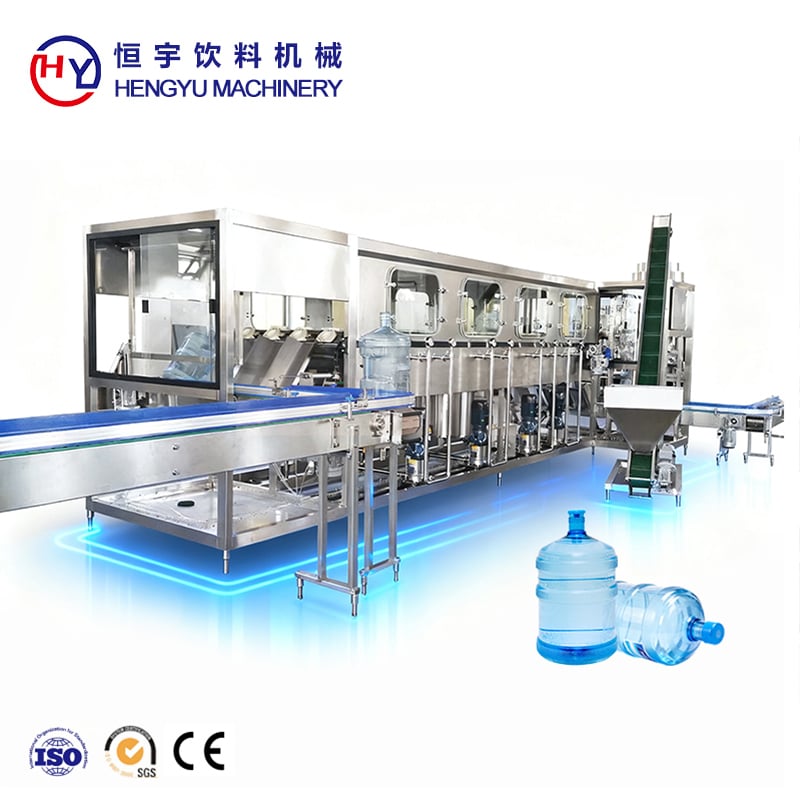
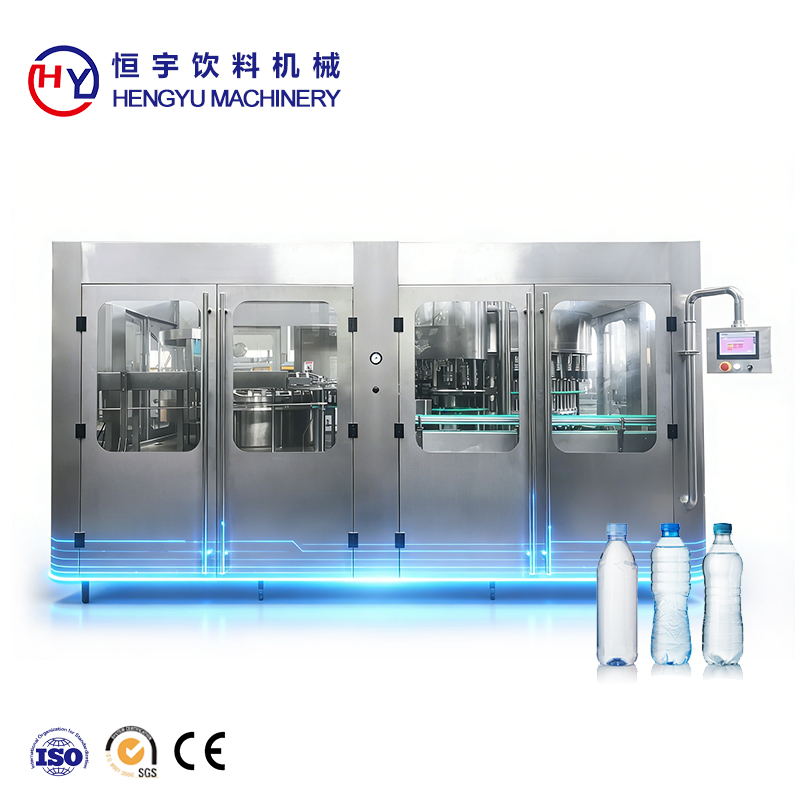
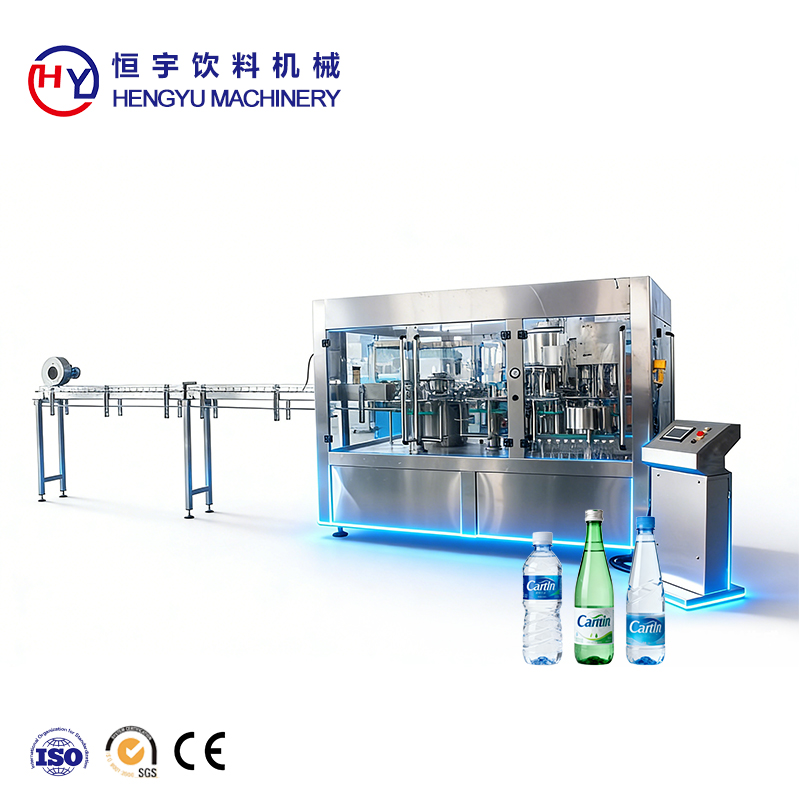
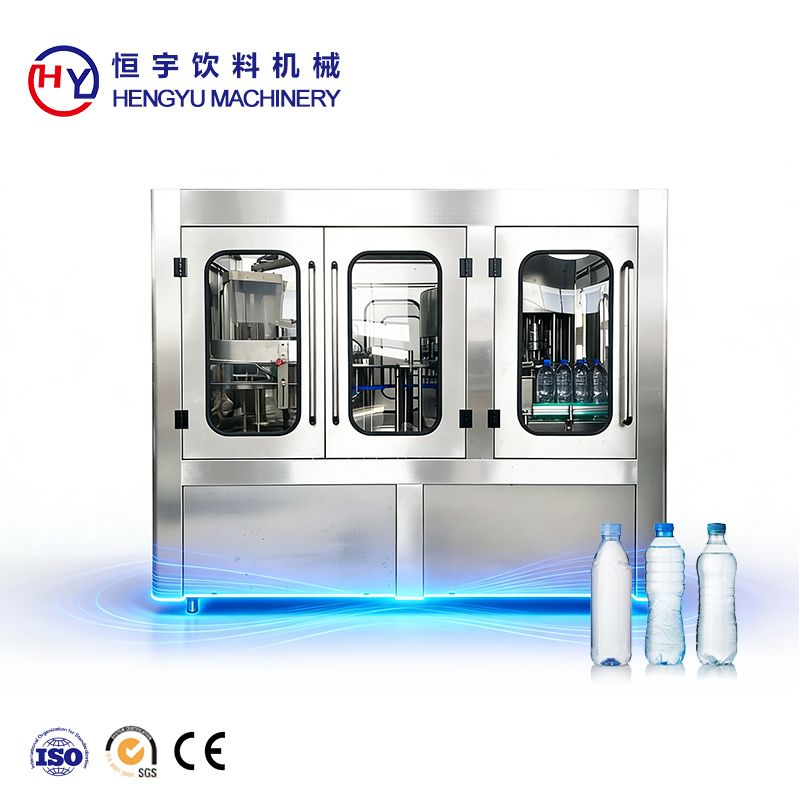
The remarkable adaptability of modern filling sealing machine technology enables a single equipment platform to serve dramatically different industries and product categories, delivering specialized performance without requiring completely custom designs for each application. This versatility stems from modular architecture that accommodates interchangeable filling heads, sealing mechanisms, and container handling systems, allowing manufacturers to configure equipment precisely matched to their specific requirements while maintaining upgrade paths as product portfolios evolve. For liquid products ranging from water-thin solutions to viscous creams, the system accepts gravity fillers, piston fillers, peristaltic pumps, or gear pumps, each optimized for particular viscosity ranges and accuracy requirements. Powder and granule handling utilizes auger fillers or volumetric cup systems that prevent bridging and ensure consistent dosing despite variations in particle size or flowability. The container compatibility spans an impressive range, from miniature single-dose vials measuring mere milliliters to industrial pails holding multiple gallons, with tool-free adjustments accommodating different diameters, heights, and materials including glass, plastic, aluminum, and composite structures. Sealing technology options include heat sealing for thermoplastic films, induction sealing for foil closures, ultrasonic welding for dissimilar materials, and mechanical crimping for metal caps, providing appropriate solutions for each packaging format. The production speed adjustability ranges from careful low-speed operation for delicate artisanal products to high-velocity automated lines producing hundreds of units per minute for mass-market goods. Environmental flexibility allows installation in temperature-controlled clean rooms, refrigerated spaces, or standard manufacturing environments, with optional ATEX certification for hazardous locations. The filling sealing machine readily integrates upstream with product preparation equipment such as mixers, cookers, or compounders, and downstream with labeling machines, case packers, and palletizers, functioning as a cohesive element within complete production systems. Industry-specific configurations address unique sector requirements, including pharmaceutical validation protocols with electronic batch records, food safety features meeting HACCP principles, cosmetic applications requiring aesthetic precision, and industrial chemical handling with corrosion-resistant construction. Small businesses benefit from compact semi-automatic models requiring minimal capital investment and floor space, while large corporations deploy fully automated inline systems with robotic container handling and integrated quality inspection. This scalability ensures appropriate solutions exist across the complete spectrum from startup ventures to multinational operations. Contract packaging facilities particularly value the rapid changeover capability, servicing multiple clients with different products and packaging specifications without maintaining separate dedicated equipment for each account. Research and development laboratories utilize the same filling sealing machine technology to produce trial batches that accurately represent full-scale production characteristics, ensuring smooth transitions from development to commercialization. The exceptional versatility fundamentally transforms the value proposition from a single-purpose machine into a flexible production platform that adapts to changing market demands, protects capital investments against product obsolescence, and supports business growth across multiple product categories and market segments.

 CN
CN