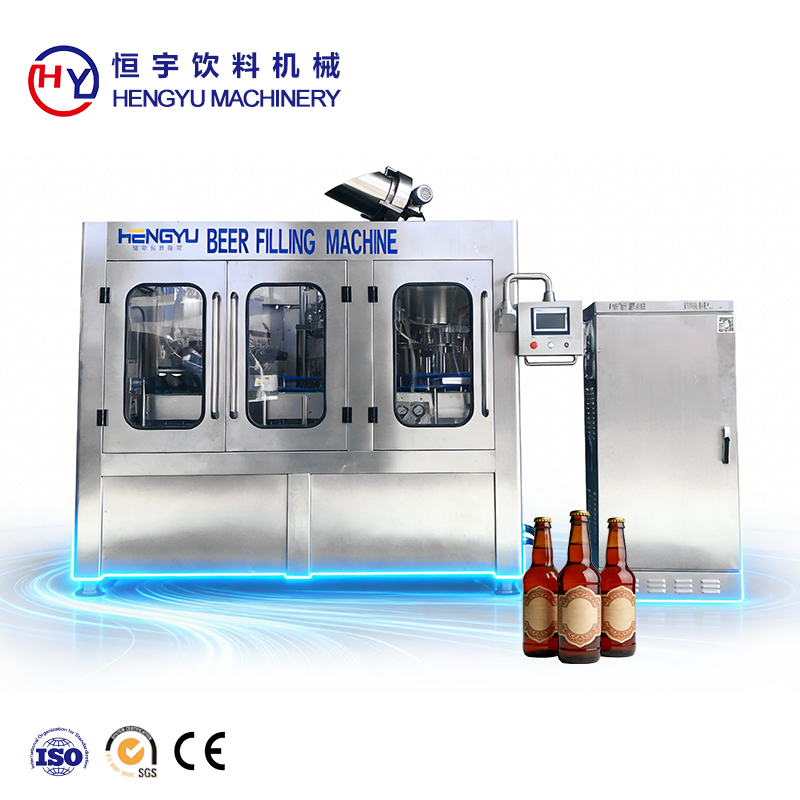
Flexible Production Capabilities Adapt to Changing Market Demands
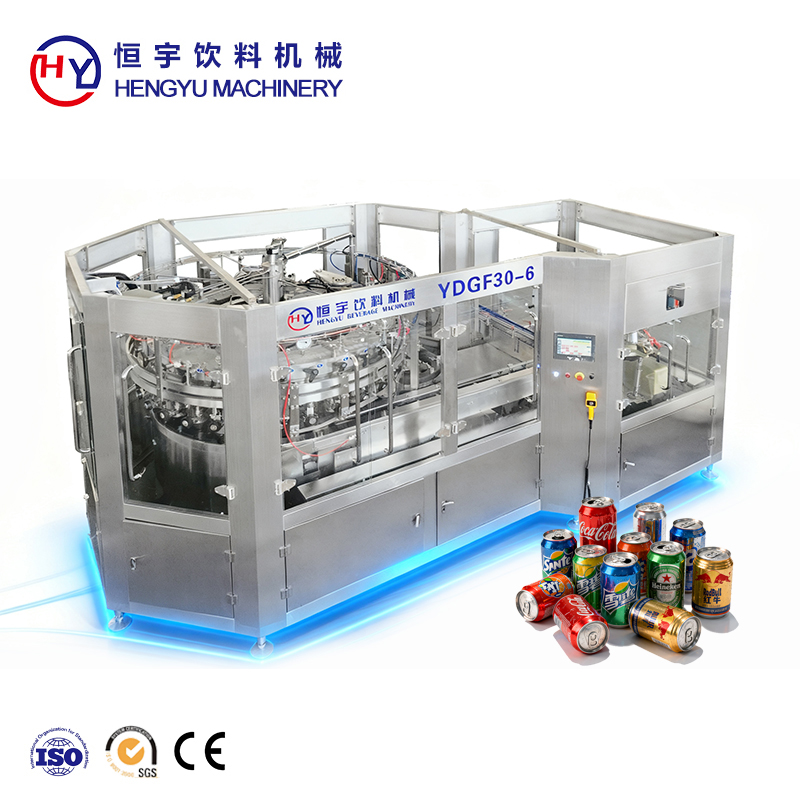
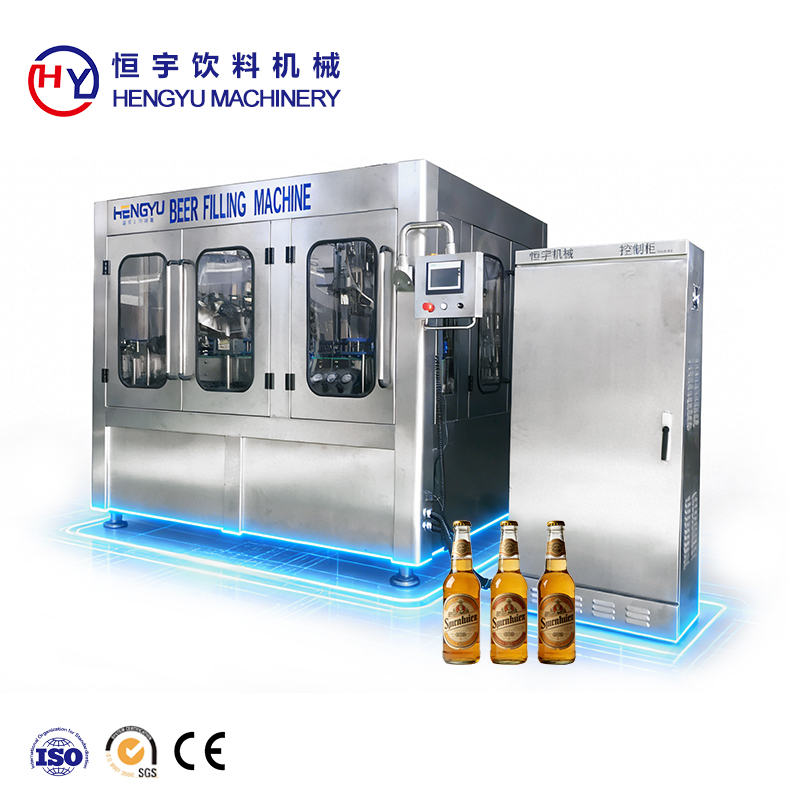
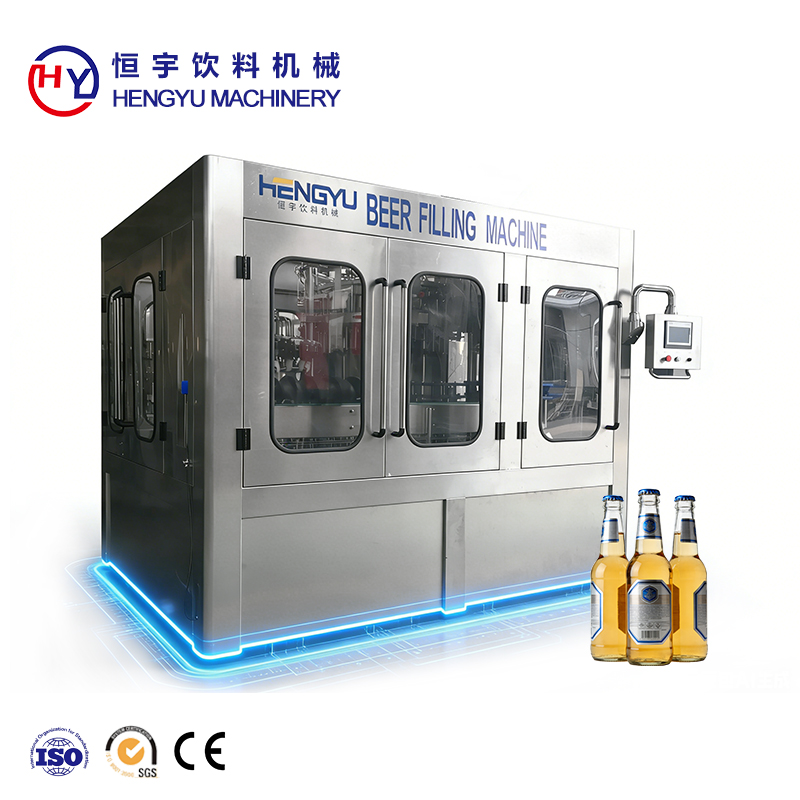
Market dynamics in the beer industry evolve constantly, with consumer preferences shifting toward new styles, seasonal offerings requiring production flexibility, and package format trends influencing purchasing decisions. Beer bottling equipment engineered with adaptable production capabilities empowers breweries to respond effectively to these changes without major capital investments or extended retooling periods. Modern systems incorporate quick-changeover features that enable transitions between different bottle sizes, beer varieties, and labeling requirements in minimal time, often within minutes rather than the hours traditional equipment required. This agility lets breweries capitalize on emerging opportunities, test new products with limited production runs, and adjust output mix to match real-time demand signals from distributors and retailers. The ability to produce small batches economically makes previously impractical specialty releases feasible, supporting brand differentiation strategies that create premium positioning and customer excitement. Adjustable filling heads accommodate various bottle heights and diameters, accepting standard industry formats as well as distinctive custom bottles that enhance shelf appeal. This versatility eliminates the restriction of committing to single package formats, allowing breweries to align packaging choices with brand identity and target market preferences. Programmable controls store parameter settings for different products, enabling operators to recall proven configurations instantly rather than manually adjusting multiple variables and conducting test runs. This stored knowledge reduces setup errors and accelerates production startup, improving overall equipment effectiveness. The modular architecture of contemporary beer bottling equipment supports incremental capacity expansion, as additional filling stations, labeling units, or inspection systems can integrate with existing frameworks when production volume growth justifies investment. This scalability protects initial capital outlays by allowing right-sized equipment purchases that match current requirements while preserving upgrade pathways for future needs. Breweries avoid the inefficiency of operating oversized equipment below optimal capacity or the limitations of undersized systems that constrain growth potential. Flexible beer bottling equipment also accommodates contract brewing arrangements and co-packing relationships that generate additional revenue streams, as the machinery can efficiently handle products from multiple brands with different specifications. The production scheduling possibilities expand significantly when equipment transitions rapidly between runs, optimizing asset utilization and improving return on investment. Quality control capabilities embedded in flexible systems maintain standards across product diversity, with sensors and inspection mechanisms that verify each item regardless of which specific variant is currently running. This consistent oversight ensures brand reputation remains protected even as production complexity increases. For breweries pursuing growth strategies, whether through geographic expansion, product line extension, or market segment penetration, the adaptability of modern beer bottling equipment provides operational foundation that supports ambitious business objectives while managing risk and controlling costs throughout the journey.

 CN
CN