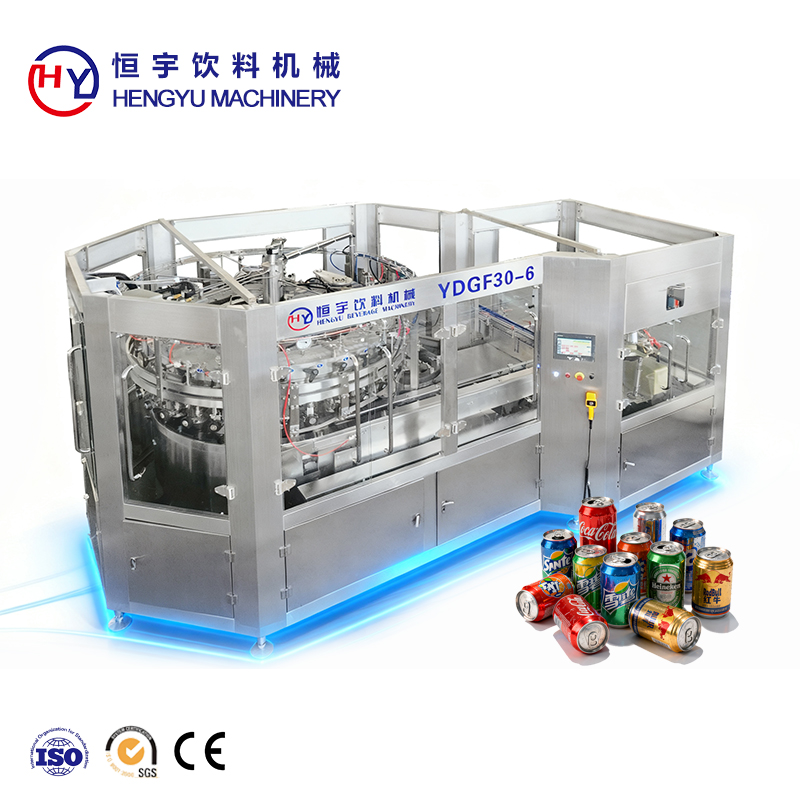
Beer Can Packaging Machine - Advanced Automated Canning Solutions for Breweries

All Categories

beer can packaging machine

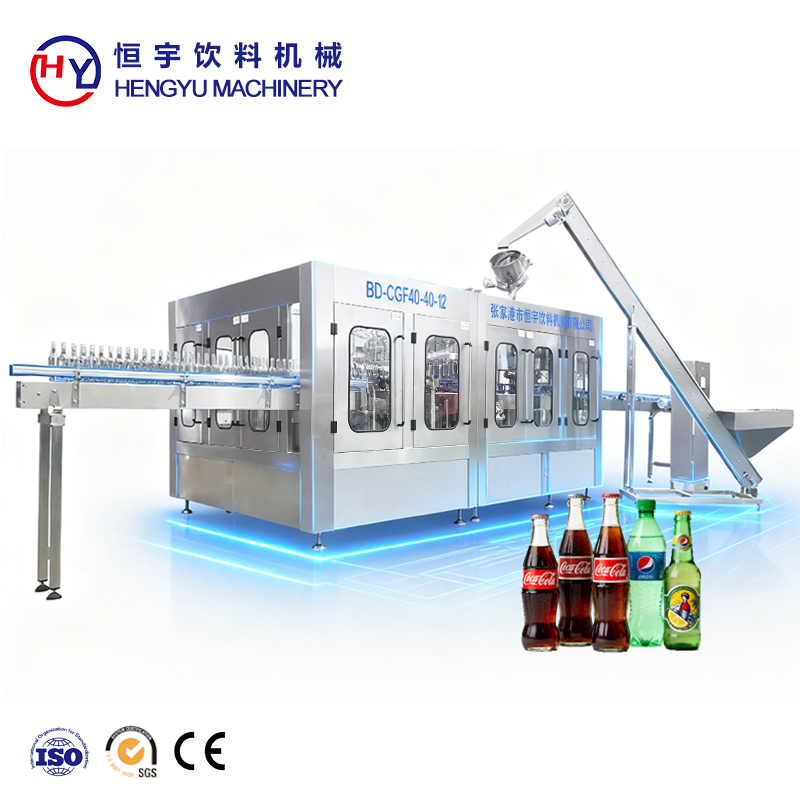
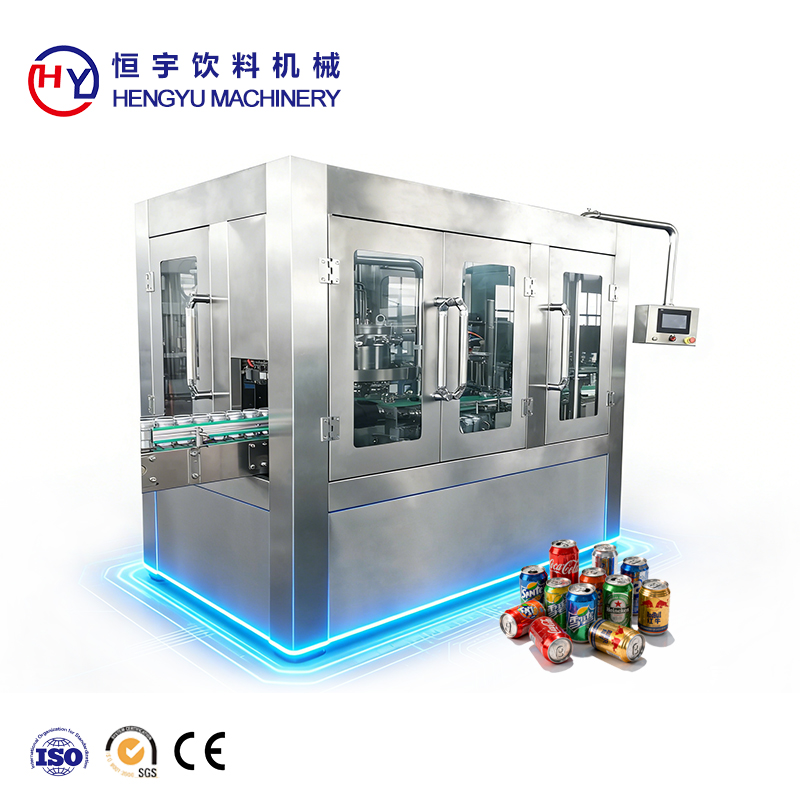
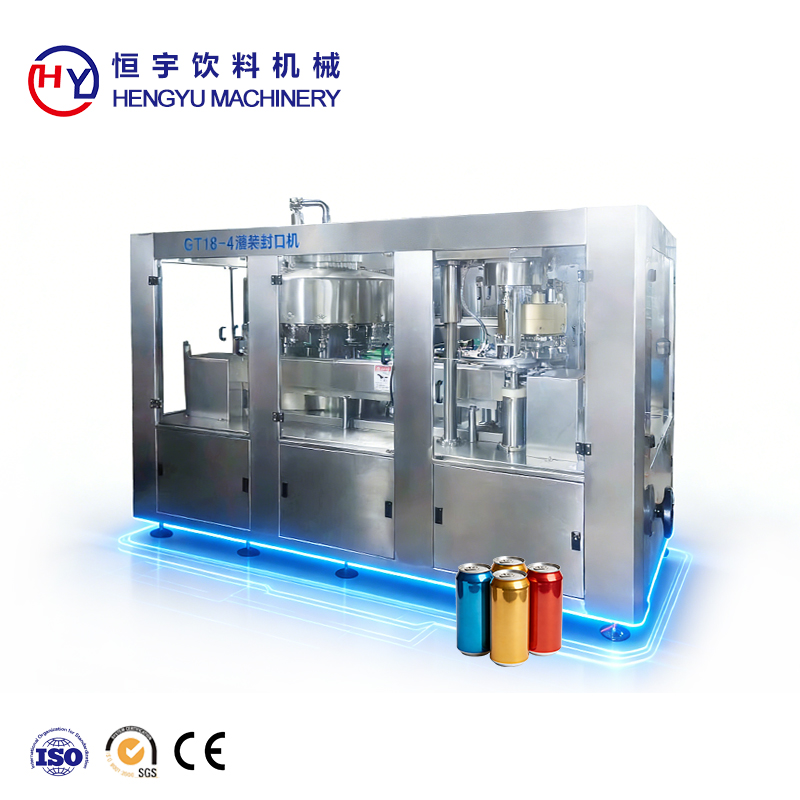
A beer can packaging machine represents essential automation equipment designed specifically for the beverage industry, particularly breweries and canning facilities that require efficient, high-speed production capabilities. This sophisticated machinery handles the complete process of preparing, filling, sealing, and packaging beer cans with precision and consistency. Modern beer can packaging machines integrate multiple operational stages into a streamlined workflow, including can depalletizing, rinsing, filling, seaming, leak detection, drying, labeling, date coding, and final case packing. The technology employed in these systems ensures that every can meets strict quality standards while maintaining product freshness and carbonation levels. These machines operate at varying speeds, from small-scale operations processing hundreds of cans per hour to industrial systems capable of handling thousands of units per minute. The technological features incorporated into contemporary beer can packaging machines include programmable logic controllers for precise operation management, servo-driven mechanisms for accurate filling volumes, automatic changeover systems for different can sizes, and integrated quality control sensors that monitor every stage of production. These systems utilize stainless steel construction to meet food-grade standards and facilitate easy cleaning and maintenance. The applications of beer can packaging machines extend beyond traditional breweries to include craft beer producers, contract packaging facilities, soft drink manufacturers, and energy drink producers. These versatile systems adapt to various can formats, including standard sizes like 250ml, 330ml, 500ml, and specialty formats. The integration capabilities allow these machines to connect with upstream brewing equipment and downstream palletizing systems, creating fully automated production lines that minimize manual intervention and maximize throughput efficiency while maintaining the highest standards of hygiene and product quality throughout the entire packaging process.

Popular Products

Beer can packaging machines deliver substantial operational benefits that directly impact your production efficiency and bottom line. First and foremost, these systems dramatically increase your production capacity compared to manual or semi-automatic processes, allowing you to meet growing market demands without proportionally increasing labor costs. The automation eliminates human error in critical processes such as fill levels and seam integrity, ensuring every can that leaves your facility meets exact specifications. This consistency translates to reduced product waste, fewer customer complaints, and enhanced brand reputation. The machines operate with remarkable speed while maintaining precision, meaning you can fulfill large orders quickly and respond to market opportunities with agility. Energy efficiency stands as another significant advantage, as modern systems optimize power consumption during operation, reducing your utility expenses over time. The reduced labor requirement not only cuts costs but also addresses workforce challenges many facilities face, redirecting human resources to more valuable tasks like quality oversight and process optimization. Maintenance requirements have been minimized through improved engineering, with many components designed for long service intervals and quick replacement when needed. The footprint efficiency of integrated systems means you maximize your existing facility space rather than requiring costly expansions. Safety features protect your operators from moving parts and potential hazards, reducing workplace accidents and associated costs. The flexibility to handle multiple can sizes without extensive reconfiguration means you can diversify your product offerings and respond to market trends without investing in entirely new equipment. Hygiene standards are inherently maintained through stainless steel construction and automated cleaning cycles, simplifying compliance with food safety regulations. The data collection capabilities built into modern machines provide valuable insights into production metrics, helping you identify bottlenecks and optimization opportunities. Return on investment typically occurs within a predictable timeframe due to labor savings, reduced waste, and increased production capacity. The reliability of established manufacturers means minimal unexpected downtime, keeping your production schedule consistent and your customers satisfied. These machines also future-proof your operation, as many systems accept upgrades and expansions as your business grows, protecting your initial investment while accommodating expansion.

Tips And Tricks

Glass Bottle Filling Machine vs Plastic Bottle Filling Machine

04

Mar

Glass Bottle Filling Machine vs Plastic Bottle Filling Machine

Material Properties Dictate Core Machine Design Glass fragility and thermal mass: why glass bottle filling machines require reinforced frames, shock-dampened conveyors, and precision neck-handling grippers Working with glass bottles means going th...
View More
How to Choose a Glass Bottle Filling Machine for Beverage Production

06

Mar

How to Choose a Glass Bottle Filling Machine for Beverage Production

Match Filling Technology to Beverage Type and Sensitivity Counter-Pressure Fillers for Carbonated Beverages and Beer Carbonated drinks like soda, sparkling water and beer need careful filling techniques to keep their fizz intact while avoiding exc...
View More
Increasing Capacity in Bottled Water Production Lines

09

Mar

Increasing Capacity in Bottled Water Production Lines

Diagnosing Bottlenecks in Your Bottled Water Production Line Measuring Throughput Gaps: Bottling Speed, Changeover Time, and OEE Analysis To get a handle on where production is falling short, look at three key performance indicators. Start by compa...
View More
Can Filling Machine Technology for Carbonated Beverages

20

Mar

Can Filling Machine Technology for Carbonated Beverages

Isobaric Filling Principles: How Can Filling Machines Preserve Carbonation Under Pressure The Physics of CO₂ Solubility and Why Counter-Pressure Is Non-Negotiable The way carbon dioxide dissolves in drinks basically follows what we call Henry's Law...
View More

Get a Free Quote

Our representative will contact you soon.
Email
Name
Phone/WhatsApp
Required Product
Message
0/1000

beer can packaging machine

Advanced Automation Technology Reduces Costs and Improves Quality

Advanced Automation Technology Reduces Costs and Improves Quality

The implementation of advanced automation technology in beer can packaging machines fundamentally transforms how beverage producers approach their packaging operations, delivering measurable improvements in both cost efficiency and product quality. At the heart of this advantage lies sophisticated control systems that coordinate multiple processes simultaneously with microsecond precision. These programmable systems manage can feeding, positioning, filling, seaming, and inspection without requiring constant human supervision, dramatically reducing labor expenses while eliminating the variability that inevitably accompanies manual operations. The sensors integrated throughout the machine provide real-time feedback, automatically adjusting parameters to maintain optimal performance regardless of minor variations in can dimensions or environmental conditions. This adaptive capability ensures consistent fill levels within fractions of a milliliter, preventing both underfilling that could violate regulations and overfilling that wastes valuable product. The seaming process, critical to can integrity, benefits enormously from automated precision, creating perfectly formed double seams that protect against leaks and contamination while maximizing shelf life. Vision systems inspect every can at multiple points, identifying defects like dents, improper seams, or contamination that human inspectors might miss, especially during extended shifts. Rejected cans are automatically removed from the production line without stopping the entire operation, maintaining throughput while ensuring only perfect products reach consumers. The automation extends to changeover procedures, with many machines featuring tool-free adjustments that allow operators to switch between can sizes in minutes rather than hours, minimizing downtime and maximizing productive capacity. Recipe management systems store parameters for different products, enabling quick switches between beer varieties with different carbonation levels or fill temperatures. This technological sophistication translates directly to financial benefits through reduced labor costs, minimized product waste, decreased energy consumption per unit produced, and the ability to run extended shifts or lights-out operations when economically advantageous. Quality improvements manifest in fewer customer complaints, reduced product recalls, enhanced brand reputation, and the ability to command premium pricing for consistently excellent products.
Scalable Production Capacity Grows With Your Business

Scalable Production Capacity Grows With Your Business

One of the most valuable characteristics of modern beer can packaging machines is their inherent scalability, providing beverage producers with equipment that adapts to evolving business requirements rather than becoming obsolete as production demands increase. This scalability begins with modular design principles that allow facilities to start with essential functions and add capabilities as justified by production volumes and market opportunities. A craft brewery might initially invest in a basic system handling can rinsing, filling, and seaming, then later integrate labeling equipment, secondary packaging modules, or additional filling heads as sales volumes grow. This staged investment approach preserves capital during early growth phases while ensuring the packaging operation never becomes a bottleneck limiting business expansion. The machines themselves often feature variable speed controls, enabling operators to run at lower speeds during product development or specialty batches, then increase throughput for high-volume core products. This flexibility maximizes equipment utilization across diverse product portfolios rather than requiring separate dedicated lines for different volume tiers. Physical footprint considerations have been carefully addressed by manufacturers, with compact designs that fit into existing facilities while leaving room for future expansion modules. When business growth eventually requires additional capacity beyond what modifications can provide, many producers add parallel lines using identical or compatible equipment, simplifying operator training, spare parts inventory, and maintenance procedures. The control systems in contemporary machines often feature network connectivity, allowing integration into plant-wide management systems that optimize production scheduling across multiple lines and coordinate with upstream brewing operations and downstream distribution logistics. This connectivity future-proofs your investment as Industry 4.0 technologies become standard practice, enabling predictive maintenance that prevents unexpected breakdowns, production analytics that identify efficiency opportunities, and remote diagnostics that accelerate problem resolution. Equipment manufacturers typically offer upgrade paths incorporating technological advances like improved servo systems, enhanced vision inspection, or more efficient energy systems, allowing you to maintain competitive performance without complete equipment replacement. This scalability dimension provides financial flexibility, operational adaptability, and strategic confidence that your packaging infrastructure supports business growth rather than constraining it.
Hygiene Standards and Product Safety Built Into Every Design Element

Hygiene Standards and Product Safety Built Into Every Design Element

Hygiene and product safety represent non-negotiable requirements in beverage packaging, and beer can packaging machines incorporate these principles throughout their design, construction, and operation. The materials used in machine construction begin with food-grade stainless steel for all product-contact surfaces, selected specifically for its resistance to corrosion, ease of cleaning, and inability to impart flavors or contamination to beverages. Surface finishes on these stainless components feature specific roughness specifications that prevent bacterial adhesion while facilitating effective cleaning, with polished surfaces in critical areas and appropriate texture elsewhere for optimal performance. The machine architecture minimizes horizontal surfaces where liquid could pool and create microbial growth opportunities, instead incorporating drainage angles and collection systems that route any spills away from product zones to designated collection points. Enclosed processing areas protect cans from environmental contamination during critical stages like filling and seaming, with positive air pressure systems in some designs that prevent outside air from entering product zones. Clean-in-place systems have been integrated into many machines, circulating cleaning solutions through product pathways without requiring disassembly, dramatically reducing cleaning time while ensuring thorough sanitation of complex internal passages that would be difficult to access manually. The automation itself contributes to hygiene by eliminating human hand contact with cans after the initial loading stage, removing a significant potential contamination source while protecting workers from repetitive strain injuries. Quality control systems include metal detectors or X-ray inspection that identify foreign objects, vision systems that spot contamination on can exteriors or rims, and leak detectors that ensure seam integrity before cans proceed to labeling and packaging. Documentation capabilities track production batches with time stamps and parameter records, supporting traceability requirements and facilitating rapid response if quality issues emerge in the market. Maintenance procedures have been designed with hygiene in mind, featuring quick-disconnect fittings, tool-free access panels, and component layouts that allow thorough inspection and cleaning during scheduled maintenance intervals. Training programs provided by manufacturers emphasize proper sanitation procedures alongside operational training, ensuring your team understands both how to run the equipment and how to maintain the hygiene standards your products and customers demand.