Professional Cold Drink Filling Machine Solutions - Automated Beverage Bottling Equipment for Optimal Efficiency

All Categories

cold drink filling machine

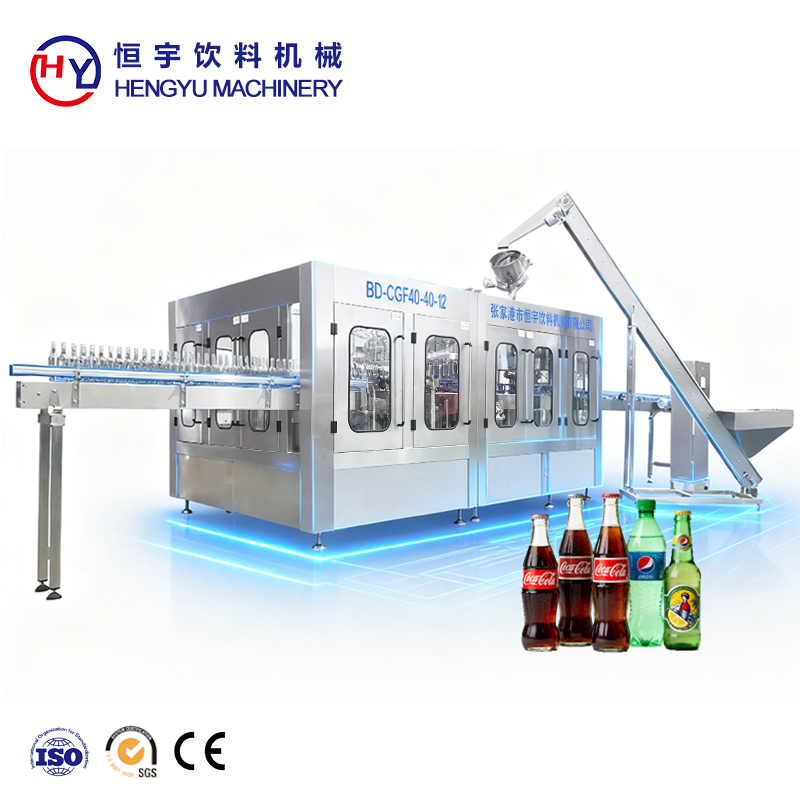
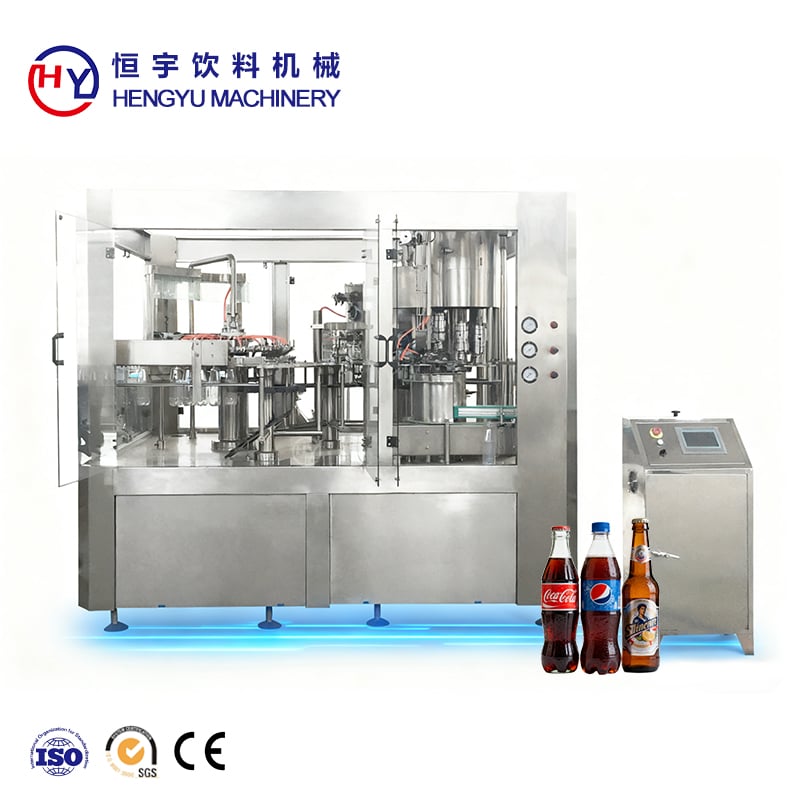
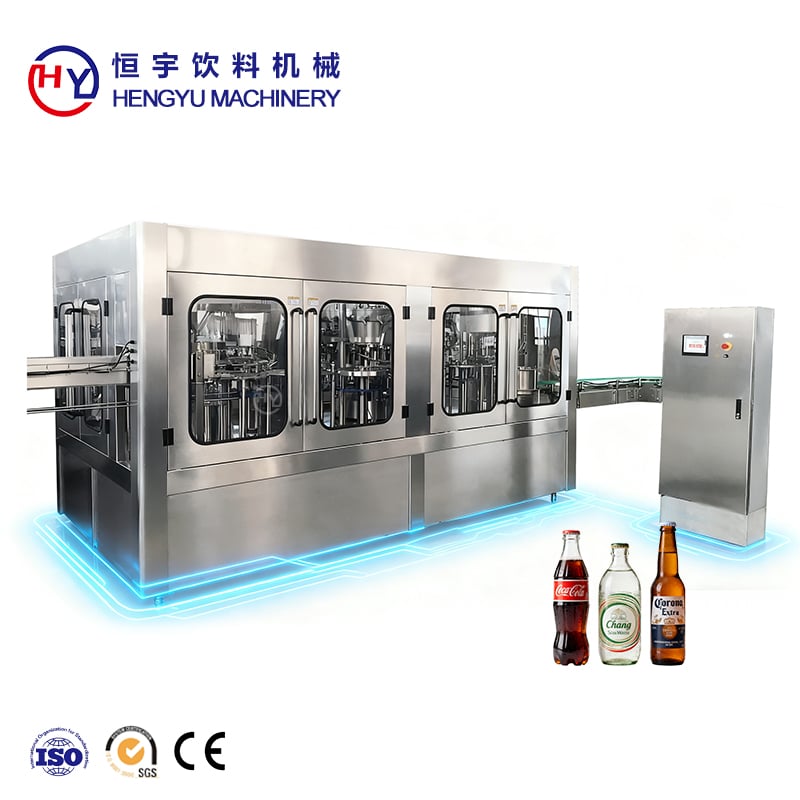
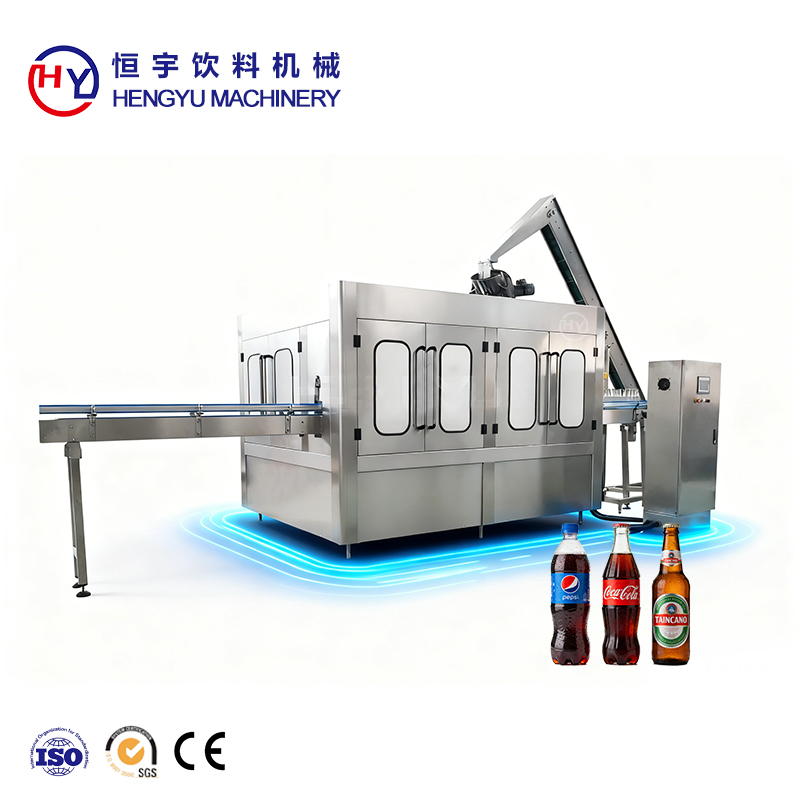
A cold drink filling machine represents an essential piece of equipment for beverage production facilities that specialize in manufacturing non-alcoholic refreshments including carbonated soft drinks, juices, sports drinks, iced teas, and flavored water products. This automated system streamlines the entire bottling process by integrating multiple operational stages into one cohesive production line. The primary functions of a cold drink filling machine encompass bottle rinsing to eliminate contaminants, precise liquid filling to ensure consistent product volumes, and secure capping to maintain product freshness and prevent leakage during transportation and storage. Modern cold drink filling machines incorporate advanced technological features that set them apart from conventional bottling equipment. These systems utilize programmable logic controllers that allow operators to adjust filling speeds, liquid volumes, and operational parameters through intuitive touchscreen interfaces. Precision flow meters guarantee accurate measurement of beverage quantities, minimizing product waste and ensuring regulatory compliance with labeling requirements. Stainless steel construction throughout the machine ensures durability while meeting stringent food safety standards and facilitating thorough cleaning procedures. The cold drink filling machine accommodates various container formats including PET bottles, glass bottles, aluminum cans, and specialized packaging materials, providing manufacturers with operational flexibility. Applications for this equipment extend across numerous beverage industry segments, from small-scale craft beverage producers to large multinational corporations. Manufacturers of carbonated beverages rely on cold drink filling machines equipped with counter-pressure filling technology that preserves carbonation levels during the bottling process. Juice producers benefit from aseptic filling capabilities that extend product shelf life without requiring preservatives. Sports drink manufacturers appreciate the high-speed operation that meets demanding production quotas. The versatility of the cold drink filling machine makes it indispensable for businesses seeking to establish or expand their beverage production capabilities while maintaining consistent product quality and operational efficiency throughout their manufacturing processes.

New Products

Investing in a cold drink filling machine delivers numerous practical benefits that directly impact your bottom line and operational efficiency. First and foremost, automation dramatically increases production capacity compared to manual bottling methods. Where hand-filling operations might process hundreds of bottles per hour, an automated cold drink filling machine can handle thousands of units in the same timeframe, allowing your business to meet growing market demand without proportionally increasing labor costs. This scalability proves particularly valuable during peak seasonal periods when beverage consumption rises significantly. The precision engineering inherent in these systems ensures remarkable consistency across every bottle produced. Each container receives exactly the specified volume of beverage, eliminating underfilling that leads to customer dissatisfaction and overfilling that erodes profit margins. This accuracy extends to capping operations as well, where uniform torque application prevents loose caps that cause leakage and overtightened caps that frustrate consumers. Product quality remains consistently high because the cold drink filling machine minimizes human contact with beverages, reducing contamination risks and extending shelf life naturally. Sanitation becomes more manageable with proper equipment design, as stainless steel surfaces resist bacterial growth and simplify cleaning protocols between production runs or when switching between different beverage formulations. Labor efficiency improves substantially because fewer workers can oversee greater output. Instead of requiring multiple employees for washing, filling, and capping stations, a single trained operator can monitor the entire cold drink filling machine, intervening only when adjustments or maintenance become necessary. This workforce optimization allows you to redirect human resources toward quality control, product development, marketing, and other value-added activities that strengthen your competitive position. Energy consumption per bottle decreases as production volumes increase, because modern cold drink filling machines incorporate energy-efficient motors, optimized hydraulic systems, and intelligent power management features that reduce operational costs. Maintenance requirements remain reasonable when equipment receives proper care, with most systems designed for easy access to components that require periodic inspection or replacement. The return on investment typically materializes within two to three years for medium-volume producers, after which the cold drink filling machine continues generating value for decades with appropriate upkeep. Flexibility represents another significant advantage, as adjustable settings accommodate different bottle sizes, beverage types, and production speeds without requiring entirely new equipment purchases. This adaptability protects your capital investment as your product line evolves and market preferences shift over time.

Latest News

Increasing Capacity in Bottled Water Production Lines

09

Mar

Increasing Capacity in Bottled Water Production Lines

Diagnosing Bottlenecks in Your Bottled Water Production Line Measuring Throughput Gaps: Bottling Speed, Changeover Time, and OEE Analysis To get a handle on where production is falling short, look at three key performance indicators. Start by compa...
View More
How Bottled Water Production Lines Maintain Product Safety

12

Mar

How Bottled Water Production Lines Maintain Product Safety

Regulatory Foundations and the Multi-Barrier Safety Framework FDA, EPA, and ISO Standards Specific to Bottled Water Production Lines The bottled water industry works within a pretty strict set of regulations. The FDA has these things called Good Ma...
View More
Troubleshooting Can Filling Machine Production Issues

21

Mar

Troubleshooting Can Filling Machine Production Issues

Power, Control, and Electrical Faults in Can Filling Machines Machine won't power on: main supply, fuses, and emergency stop circuit checks If the can filling machine won't start at all, the first thing to do is check whether the main power supply ...
View More
Can Sealing Machine Maintenance Tips

23

Mar

Can Sealing Machine Maintenance Tips

Daily and Weekly Preventive Maintenance for Your Can Sealing Machine Essential Daily Checks: Belt Tension, Sealing Bar Alignment, and Tape Head Cleanliness Starting every shift with a quick check on belt tension makes all the difference. If belts a...
View More

Get a Free Quote

Our representative will contact you soon.
Email
Name
Phone/WhatsApp
Required Product
Message
0/1000

cold drink filling machine

Advanced Automation Technology Reduces Operational Complexity

Advanced Automation Technology Reduces Operational Complexity

The sophisticated automation technology integrated into modern cold drink filling machines revolutionizes beverage production by transforming complex multi-step processes into streamlined operations that require minimal human intervention. At the heart of this automation lies a programmable logic controller that serves as the central nervous system, coordinating every movement and function with microsecond precision. Operators interact with the cold drink filling machine through color touchscreen displays that present real-time production data, diagnostic information, and adjustment options in clear visual formats that require no specialized technical knowledge to understand. This user-friendly interface allows personnel to modify filling volumes, adjust conveyor speeds, configure quality control parameters, and access maintenance schedules with simple touch commands, eliminating the steep learning curves associated with older mechanical systems. The automation extends throughout the entire production sequence, beginning with bottle infeed systems that orient containers correctly regardless of how they arrive from upstream processes. Photoelectric sensors detect bottle presence and positioning, triggering precise timing sequences that move containers through rinsing stations where high-pressure water jets or air blasts remove dust and particles. The cold drink filling machine then advances bottles to filling valves where sophisticated flow control mechanisms dispense exact beverage quantities based on preprogrammed specifications. Level sensors verify proper fill heights, automatically rejecting any containers that fall outside acceptable tolerances before they proceed to capping stations. Servo-driven capping heads apply consistent closure torque that creates reliable seals without damaging threads or over-stressing cap materials. Throughout these operations, the automation system continuously monitors dozens of parameters including line pressure, temperature readings, motor performance, and production counts. When deviations occur, the cold drink filling machine can automatically make minor corrections to maintain optimal performance or halt operations and alert personnel if conditions exceed safe operating parameters. This intelligent monitoring prevents minor issues from escalating into costly breakdowns while protecting product quality and worker safety. Data logging capabilities create detailed production records that support quality assurance documentation, regulatory compliance requirements, and continuous improvement initiatives. The automation technology within the cold drink filling machine also facilitates rapid changeovers between different products or container formats, with stored recipes that automatically reconfigure all system parameters at the touch of a button, minimizing downtime and maximizing productive utilization of your equipment investment.
Hygienic Design Standards Ensure Product Safety and Quality

Hygienic Design Standards Ensure Product Safety and Quality

Product safety stands as the paramount concern in beverage manufacturing, making the hygienic design standards incorporated into cold drink filling machines absolutely critical for protecting consumer health and maintaining brand reputation. Every surface that contacts beverages during the filling process utilizes food-grade stainless steel alloys, specifically 304 or 316 grades that resist corrosion, withstand repeated exposure to cleaning chemicals, and prevent metallic contamination of products. The metallurgical properties of these materials inhibit bacterial colonization because their smooth, non-porous surfaces offer no crevices where microorganisms can establish protected colonies. The cold drink filling machine features sanitary design principles throughout its construction, including sloped surfaces that prevent liquid pooling, welded joints rather than threaded connections that might trap residues, and strategically placed drainage points that facilitate complete evacuation of cleaning solutions. Fill valves incorporate specialized sealing systems that prevent beverage contact with external environments while allowing thorough sanitization of all wetted components. Quick-disconnect fittings enable operators to rapidly disassemble contact parts for inspection and deep cleaning without requiring tools or specialized technical knowledge. Clean-in-place systems integrated into advanced cold drink filling machines automate sanitization procedures by circulating hot water, detergent solutions, and approved sanitizing agents through all product pathways according to validated protocols. Temperature sensors and conductivity meters verify that cleaning parameters meet established standards, creating documented proof of sanitation that satisfies regulatory audits and customer quality requirements. The enclosed design of modern filling equipment minimizes airborne contamination by limiting exposure to environmental microorganisms, dust particles, and other potential contaminants. Positive air pressure systems in critical zones create barriers that prevent unfiltered air from reaching open containers during filling operations. The cold drink filling machine maintains beverage integrity through temperature control features that prevent product degradation during processing. Jacketed tanks and insulated piping preserve cold chain requirements for temperature-sensitive formulations, while carbonation retention systems in specialized models maintain dissolved gas levels that define product character. Material selection extends beyond stainless steel to include FDA-approved gaskets, seals, and tubing that resist degradation from acidic beverages, essential oils in flavored products, and cleaning chemicals. These components undergo regular replacement schedules that prevent contamination from deteriorating materials. The comprehensive hygienic design of the cold drink filling machine supports extended product shelf life by minimizing microbial loads during packaging, reducing or eliminating the need for preservative additions that consumers increasingly reject, and maintaining the fresh taste profiles that drive repeat purchases and brand loyalty in competitive beverage markets.
Versatile Configuration Options Maximize Production Flexibility

Versatile Configuration Options Maximize Production Flexibility

The exceptional versatility built into modern cold drink filling machines provides beverage manufacturers with invaluable flexibility to adapt their production capabilities as market demands evolve, product portfolios expand, and packaging trends shift. Unlike specialized equipment designed for single container formats or specific beverage types, contemporary filling systems incorporate modular designs and adjustable components that accommodate diverse operational requirements within a single equipment platform. Container compatibility represents a fundamental aspect of this versatility, with the cold drink filling machine engineered to handle various bottle heights, diameters, and materials through quick-change parts and adjustable guide rails. Manufacturers can seamlessly transition from filling small 8-ounce PET bottles to large 2-liter containers, from standard cylindrical shapes to custom-molded designs that differentiate premium product lines. Tool-free adjustment mechanisms allow operators to reconfigure bottle handling systems in minutes rather than hours, minimizing production downtime during format changes. The filling technology itself offers multiple operational modes suited to different beverage characteristics. Gravity filling provides simple, reliable operation for non-carbonated products like juices and flavored waters. Pressure filling accommodates carbonated beverages by maintaining elevated pressure that prevents gas escape during transfer. Vacuum filling suits thick or foaming liquids that require specialized handling. The cold drink filling machine can be specified with the appropriate filling technology for primary products while retaining the structural foundation to retrofit alternative filling methods as business needs change. Production speed represents another adjustable parameter, with variable frequency drives controlling motor speeds across wide ranges. This capability allows manufacturers to run high-speed production during periods of strong demand while dialing back throughput rates for specialty products, limited editions, or quality verification runs without equipment limitations constraining operational decisions. Beverage formulations pose no obstacles to versatile cold drink filling machines, which process everything from clear, water-like liquids to opaque juices containing pulp particles, from still products to highly carbonated soft drinks. PH tolerance spans acidic citrus beverages to neutral sports drinks, while temperature handling accommodates chilled products and ambient-temperature fills. Integration capabilities extend production flexibility by enabling the cold drink filling machine to function as part of comprehensive packaging lines that include upstream processes such as bottle manufacturing or sterilization and downstream operations including labeling, case packing, and palletizing. Standardized communication protocols allow the filling equipment to exchange data with enterprise resource planning systems, providing production managers with real-time visibility into manufacturing performance and facilitating responsive decision-making. This versatile configuration approach protects capital investments by ensuring that the cold drink filling machine remains productive and relevant throughout its operational lifespan, adapting to changing market conditions rather than becoming obsolete when business strategies evolve or new opportunities emerge in dynamic beverage industry landscapes.