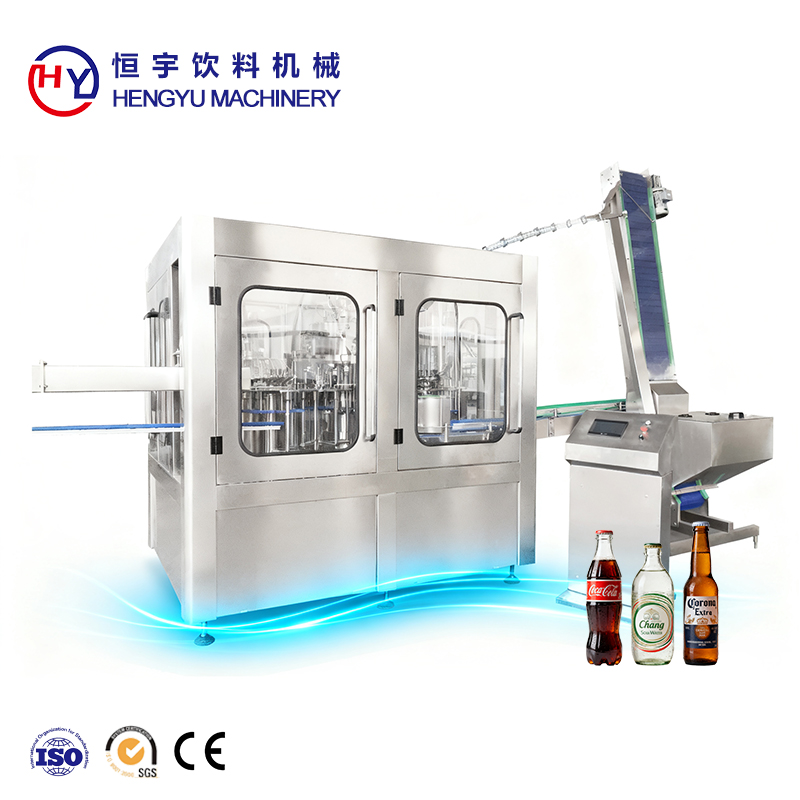
Soda Water Filling Machine: Advanced Carbonated Beverage Bottling Solutions for Efficient Production

All Categories

soda water filling machine

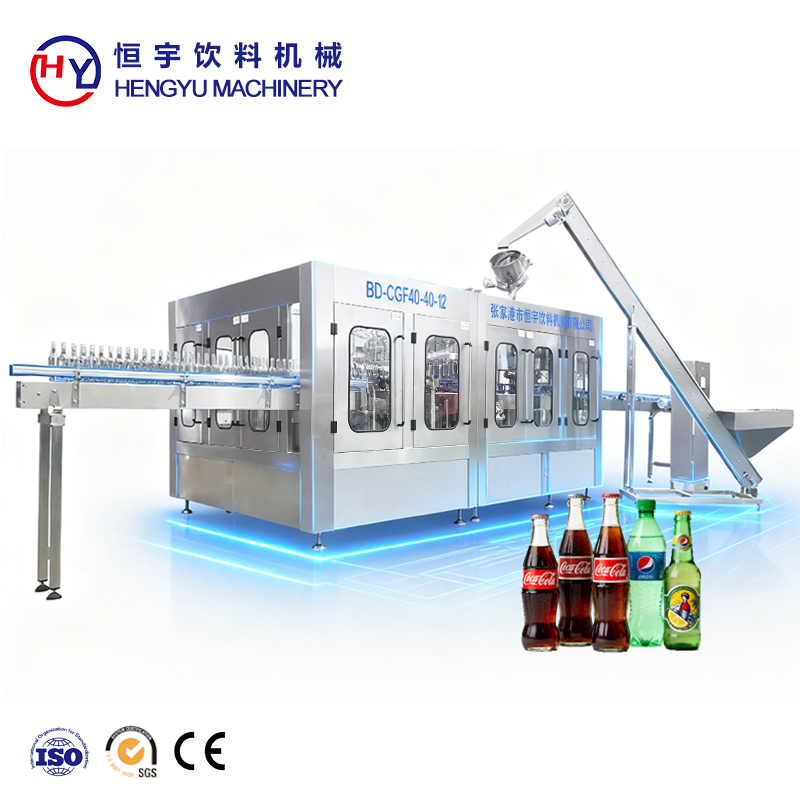
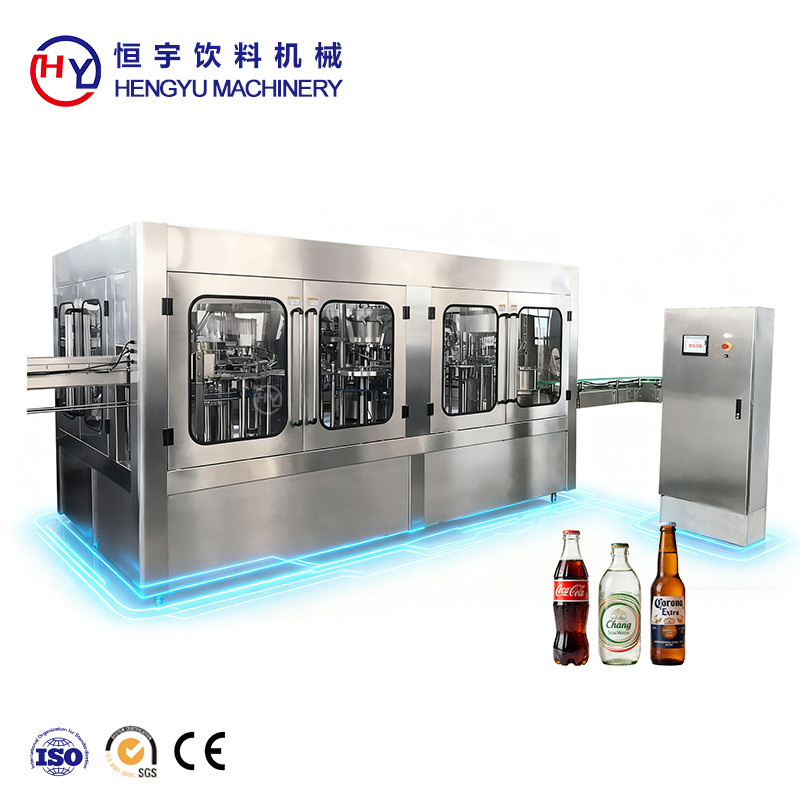
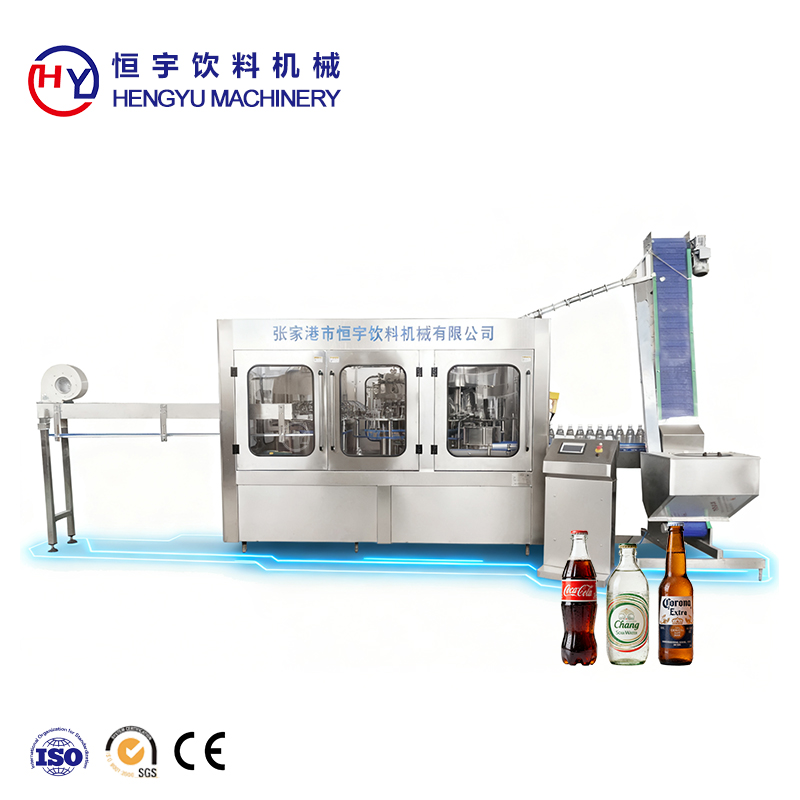
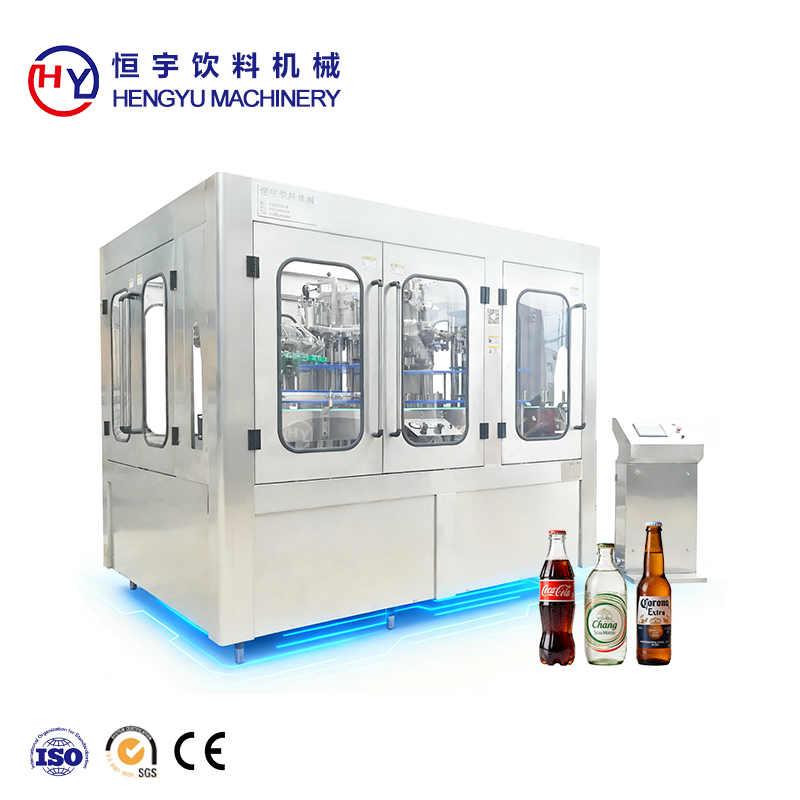
The soda water filling machine represents a specialized beverage production solution designed specifically for carbonated water bottling operations. This sophisticated equipment handles the complete process of filling carbonated beverages into various container types including glass bottles, PET bottles, and aluminum cans. The primary function of a soda water filling machine encompasses rinsing empty containers, precisely filling them with carbonated water under controlled pressure conditions, and securely capping or sealing each unit to maintain carbonation levels. Modern soda water filling machines integrate advanced automation technology that ensures consistent fill volumes, minimizes product waste, and maintains the integrity of carbonation throughout the packaging process. The technological features of these machines include isobaric filling systems that equalize pressure between the filling valve and the bottle, preventing carbon dioxide loss during the transfer process. Temperature control mechanisms maintain optimal carbonation absorption, while precision flow meters guarantee accurate fill levels for every container. These machines typically operate with programmable logic controllers that allow operators to adjust filling parameters, monitor production speeds, and track quality metrics in real-time. The construction materials used in soda water filling machines prioritize food-grade stainless steel components that resist corrosion and facilitate thorough sanitation procedures. Applications for soda water filling machines span across commercial beverage production facilities, from small craft soda manufacturers to large-scale industrial bottling plants. These systems prove essential for businesses producing sparkling water, flavored carbonated beverages, club soda, and tonic water products. The versatility of modern soda water filling machines allows manufacturers to switch between different bottle sizes and container formats with minimal downtime, supporting diverse product lines and market demands. Integration capabilities with upstream and downstream equipment create complete bottling lines that encompass bottle handling, labeling, packaging, and palletizing operations.

New Product Releases

Investing in a soda water filling machine delivers substantial operational benefits that directly impact your production efficiency and bottom line. These machines dramatically increase your bottling capacity compared to manual filling methods, allowing your business to scale production volumes without proportionally increasing labor costs. Automated filling operations eliminate human error and inconsistency, ensuring every bottle contains the precise amount of carbonated water your customers expect. This consistency builds brand reputation and reduces customer complaints related to underfilled or overfilled products. The speed advantage of automated soda water filling machines cannot be overstated, with modern equipment capable of processing hundreds or even thousands of bottles per hour depending on the model selected. This throughput capacity enables businesses to meet growing market demand and fulfill larger orders without compromising quality standards. Energy efficiency represents another significant advantage, as contemporary machines optimize power consumption through intelligent system design and variable speed controls that adjust operations based on production requirements. The reduction in product waste achieved through precision filling technology translates to direct cost savings, as every drop of carbonated water reaches your customers rather than being lost to spillage or overfilling. Worker safety improves substantially when dangerous repetitive tasks and heavy lifting responsibilities shift from human operators to mechanical systems, reducing workplace injury risks and associated costs. Hygiene standards reach new heights with stainless steel construction and automated cleaning-in-place systems that sanitize all product contact surfaces without disassembling equipment. This capability simplifies compliance with food safety regulations and reduces downtime between production runs. The flexibility of modern soda water filling machines allows quick changeovers between different bottle sizes and product formulations, enabling businesses to respond rapidly to market trends and seasonal demand fluctuations. Long-term reliability and durability of quality filling equipment minimize maintenance expenses and unexpected production interruptions that harm customer relationships and revenue streams. The return on investment for a soda water filling machine typically materializes within months as increased production capacity and reduced operational costs offset the initial equipment expenditure. Enhanced product quality preservation through proper carbonation management ensures your sparkling water maintains its fizz and freshness from the bottling line to the consumer's glass, creating customer satisfaction that drives repeat purchases and brand loyalty.

Tips And Tricks

Increasing Capacity in Bottled Water Production Lines

09

Mar

Increasing Capacity in Bottled Water Production Lines

Diagnosing Bottlenecks in Your Bottled Water Production Line Measuring Throughput Gaps: Bottling Speed, Changeover Time, and OEE Analysis To get a handle on where production is falling short, look at three key performance indicators. Start by compa...
View More
How Can Filling Machines Improve Beverage Production Speed

24

Mar

How Can Filling Machines Improve Beverage Production Speed

Filling Machine Type Determines Maximum Throughput Potential Gravity, Isobaric, and Piston Can Filling Machines: Speed vs. Precision Trade-offs Gravity fillers work well for delicate drinks such as juice, processing around 20 to 36 bottles every mi...
View More
Can Filling Machine Technology for Carbonated Beverages

20

Mar

Can Filling Machine Technology for Carbonated Beverages

Isobaric Filling Principles: How Can Filling Machines Preserve Carbonation Under Pressure The Physics of CO₂ Solubility and Why Counter-Pressure Is Non-Negotiable The way carbon dioxide dissolves in drinks basically follows what we call Henry's Law...
View More
Can Sealing Machine Maintenance Tips

23

Mar

Can Sealing Machine Maintenance Tips

Daily and Weekly Preventive Maintenance for Your Can Sealing Machine Essential Daily Checks: Belt Tension, Sealing Bar Alignment, and Tape Head Cleanliness Starting every shift with a quick check on belt tension makes all the difference. If belts a...
View More

Get a Free Quote

Our representative will contact you soon.
Email
Name
Phone/WhatsApp
Required Product
Message
0/1000

soda water filling machine

Advanced Isobaric Filling Technology Preserves Carbonation Integrity

Advanced Isobaric Filling Technology Preserves Carbonation Integrity

The isobaric filling technology incorporated into modern soda water filling machines represents a game-changing innovation that solves the fundamental challenge of carbonated beverage bottling. This sophisticated system operates by pre-pressurizing empty bottles with carbon dioxide gas before introducing the carbonated water, creating equal pressure conditions inside the bottle and the filling reservoir. This pressure equilibrium prevents the violent release of dissolved carbon dioxide that would otherwise occur when carbonated liquid contacts atmospheric pressure, thereby preserving the desired carbonation levels that define quality sparkling water products. The technical implementation involves precision pressure sensors and control valves that monitor and adjust the pressurization process in real-time, ensuring optimal conditions for each bottle regardless of variations in ambient temperature or incoming product characteristics. The practical benefit for beverage manufacturers extends beyond simple carbonation preservation to include reduced product foaming, which minimizes waste and allows faster filling speeds without compromising quality. Traditional gravity filling methods simply cannot match the carbonation retention achieved through isobaric technology, as they expose the carbonated liquid to pressure drops that cause immediate degassing. For businesses competing in the premium sparkling water market, maintaining high carbonation levels throughout the supply chain differentiates products on retail shelves and creates the crisp, refreshing taste experience consumers seek. The consistency delivered by isobaric filling systems ensures that the first bottle produced in a shift maintains identical carbonation characteristics to the last bottle, eliminating the quality variations that damage brand reputation. This technology also extends product shelf life by minimizing oxidation and contamination risks during the filling process, as the carbon dioxide atmosphere protects the product from contact with ambient air. Manufacturers can confidently guarantee longer best-before dates, expanding distribution opportunities to distant markets and improving inventory management flexibility. The economic implications of superior carbonation preservation include reduced customer returns, decreased quality control rejections, and enhanced brand positioning that supports premium pricing strategies.
Intuitive Control Systems Enable Precise Production Management

Intuitive Control Systems Enable Precise Production Management

Contemporary soda water filling machines feature sophisticated programmable logic controller interfaces that transform complex bottling operations into manageable, user-friendly processes accessible to operators with varying technical expertise levels. These intuitive control systems provide centralized command over all machine functions through color touchscreen displays that present production data, adjustment parameters, and diagnostic information in clear visual formats. Operators can modify filling volumes, adjust conveyor speeds, set bottle size parameters, and monitor real-time production metrics without navigating complicated programming languages or consulting technical manuals. The practical advantage of this accessibility manifests in reduced training time for new employees, minimized operator errors, and faster response to production adjustments demanded by changing orders or product specifications. Recipe management functions allow storage of multiple product configurations that operators recall with simple touchscreen selections, eliminating the time-consuming manual adjustments previously required when switching between different bottle sizes or carbonation levels. This capability proves invaluable for manufacturers producing diverse product portfolios, as changeover times shrink from hours to minutes, maximizing productive equipment utilization. The data logging capabilities embedded within modern control systems automatically record production volumes, downtime events, quality metrics, and maintenance activities, creating comprehensive documentation that supports quality assurance programs and regulatory compliance requirements. Managers gain unprecedented visibility into production efficiency through detailed reports generated directly from machine data, identifying bottlenecks, quantifying waste sources, and documenting improvements resulting from process optimizations. Remote monitoring capabilities enable technical support teams to diagnose issues and adjust parameters without physically visiting the production floor, reducing troubleshooting time and minimizing production interruptions. Predictive maintenance alerts analyze operating patterns to forecast component wear and schedule preventive replacements before failures occur, transforming maintenance from reactive crisis management to proactive planning that maximizes equipment availability. The integration potential of these control systems extends to enterprise resource planning software and factory-wide automation networks, enabling holistic production management that coordinates filling operations with upstream preparation processes and downstream packaging activities for seamless workflow optimization.
Modular Design Architecture Supports Business Growth and Flexibility

Modular Design Architecture Supports Business Growth and Flexibility

The modular construction philosophy underlying quality soda water filling machines provides manufacturers with scalable solutions that evolve alongside business growth trajectories rather than becoming capacity constraints that limit expansion opportunities. This design approach segments the complete filling system into functional modules including bottle handling sections, filling stations, capping units, and control systems that can be independently upgraded, expanded, or reconfigured without replacing the entire production line. Small beverage producers launching initial product lines benefit from entry-level configurations featuring fewer filling heads and manual loading systems that match startup production volumes while maintaining professional quality standards. As market demand increases and distribution channels expand, these same manufacturers can add filling heads to existing frames, integrate automated bottle handling conveyors, and incorporate inline quality inspection systems without discarding their original equipment investment. The economic advantage of this scalability cannot be overstated, as businesses avoid the devastating choice between maintaining inadequate equipment that throttles growth or purchasing oversized systems that strain financial resources during early development stages. The flexibility inherent in modular design extends beyond capacity expansion to encompass format versatility, allowing manufacturers to install different capping heads, adjust bottle size handling ranges, and accommodate various container materials through component substitutions rather than complete equipment replacement. This adaptability proves essential in dynamic markets where consumer preferences shift rapidly between package formats, requiring manufacturers to offer products in multiple container types to maintain competitive positioning. The maintenance advantages of modular architecture include simplified component replacement procedures that reduce repair downtime, as technicians can quickly swap standardized modules without extensive disassembly or specialized tools. Spare parts inventory management becomes more efficient when fewer unique components serve multiple machine generations, reducing capital tied up in rarely-used parts while ensuring critical components remain immediately available. The upgrade pathway provided by modular design protects equipment investments against technological obsolescence, as manufacturers can incorporate innovations like improved sensors, enhanced control systems, or advanced sanitization technologies into existing machines rather than watching their equipment depreciate into irrelevance. This future-proofing characteristic extends equipment service life far beyond traditional replacement cycles, delivering superior total cost of ownership and maximizing return on capital expenditure.