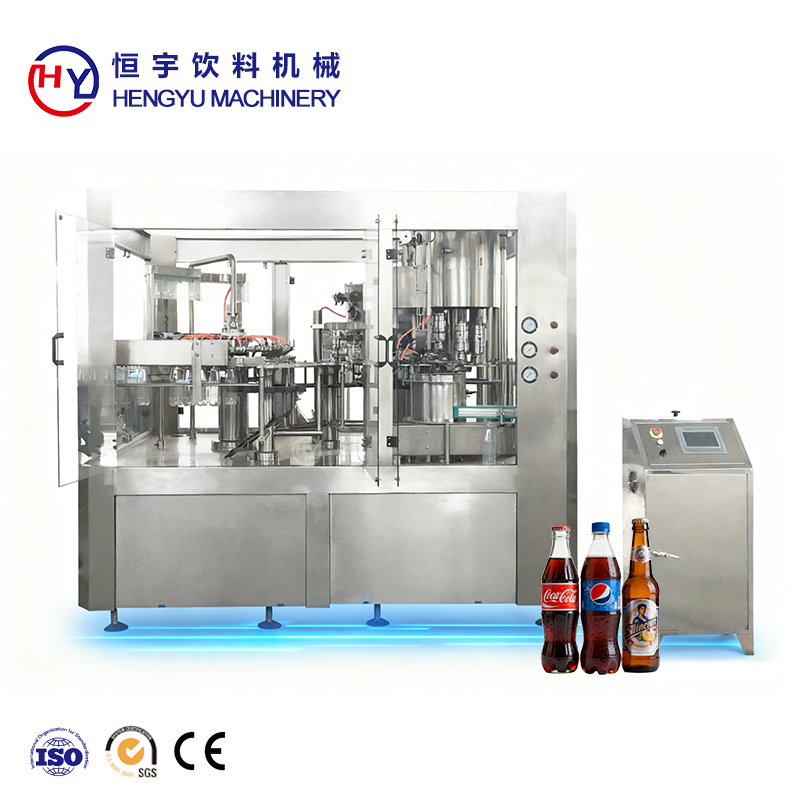
Professional Rotary Soda Filling Machine - High-Speed Carbonated Beverage Bottling Solutions

All Categories

rotary soda filling machine

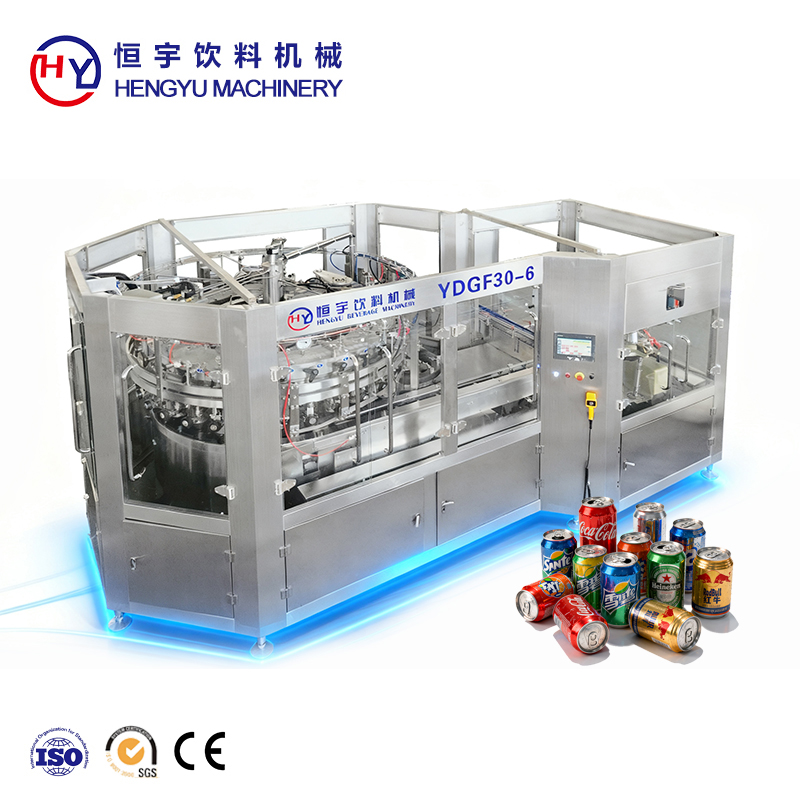
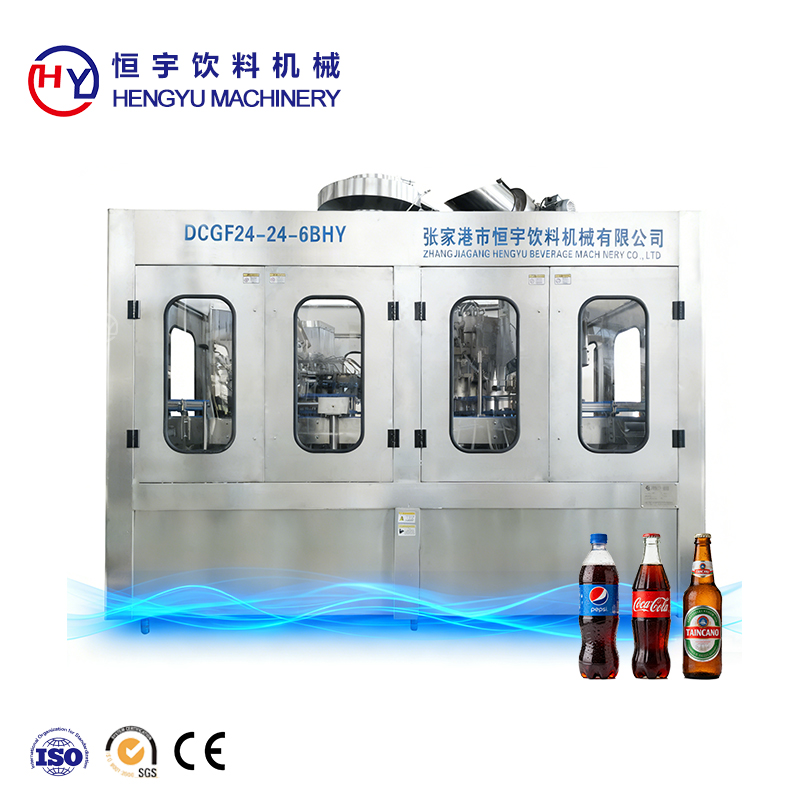
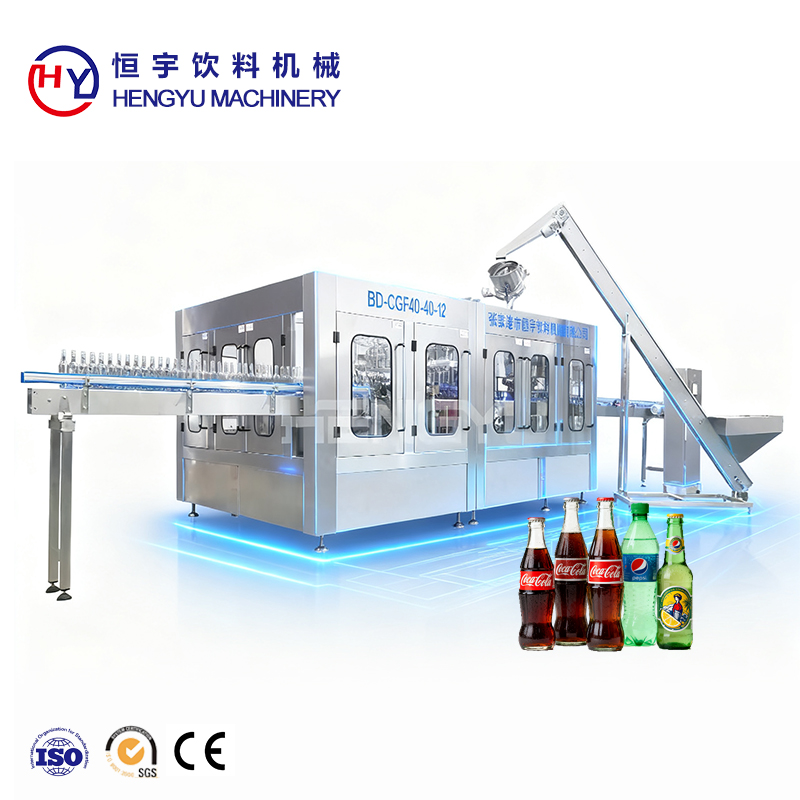
The rotary soda filling machine represents a sophisticated automated solution designed specifically for carbonated beverage production lines. This equipment operates on a continuous rotary principle, where bottles move through multiple stations positioned around a central rotating carousel. The machine handles the complete filling process from bottle infeed to final discharge, maintaining precise control over carbonation levels throughout operations. Primary functions include bottle rinsing, CO2 purging, filling under counter-pressure, and secure capping, all synchronized to maintain product quality and prevent gas loss. The rotary soda filling machine incorporates advanced pressure control systems that create an equilibrium between the filling valve pressure and internal bottle pressure, ensuring carbonated drinks retain their fizz while minimizing foaming. Technological features include programmable logic controllers for automated operation, servo-driven filling valves for accurate volume control, and stainless steel construction meeting food-grade sanitation standards. The equipment integrates seamlessly with upstream and downstream packaging machinery, creating complete production lines. Manufacturers configure these machines in various sizes, from compact units processing 2,000 bottles per hour to industrial-scale systems handling 36,000 bottles hourly or more. Applications span the beverage industry, including soft drink production, sparkling water bottling, carbonated juice packaging, and energy drink manufacturing. The rotary soda filling machine accommodates different container types such as PET bottles, glass bottles, and aluminum cans in multiple sizes. Modern systems feature touch-screen human-machine interfaces, automatic CIP cleaning cycles, and real-time monitoring capabilities. Production facilities choose rotary configurations when seeking higher output capacities compared to linear filling systems, making them ideal for medium to large-scale operations requiring consistent quality and efficient throughput for carbonated beverage products.

New Product Recommendations

Investing in a rotary soda filling machine delivers substantial production benefits that directly impact your bottom line. These systems dramatically increase output capacity, with continuous rotation allowing simultaneous processing at multiple stations, effectively multiplying production rates compared to traditional methods. Your facility gains the ability to fill thousands of bottles hourly while maintaining consistent carbonation levels in every container. The equipment reduces product waste significantly through precise volumetric control and minimal spillage during the filling cycle. Each bottle receives exactly the measured amount, eliminating overfilling costs and ensuring regulatory compliance with labeled volumes. The counter-pressure filling technology prevents carbonation loss, preserving the beverage quality that consumers expect while reducing raw material costs associated with CO2 replacement. Labor expenses decrease substantially since the rotary soda filling machine operates with minimal human intervention. Automated systems handle bottle positioning, filling, capping, and discharge, freeing workers for quality control and supervision tasks rather than manual operations. This automation also improves workplace safety by reducing repetitive motions and potential injuries from handling heavy containers. Energy efficiency represents another practical advantage, as modern rotary designs optimize power consumption through variable frequency drives and efficient motor systems. Your operational costs remain lower compared to running multiple smaller filling units to achieve equivalent output. Maintenance becomes more manageable with modular component design allowing quick replacement of wearing parts without extended downtime. The machine adapts easily to different bottle sizes and shapes through adjustable parameters and changeable parts, providing production flexibility without purchasing separate equipment for each container type. This versatility protects your capital investment as market demands shift. Hygiene standards stay consistently high thanks to stainless steel construction and automated cleaning systems that sanitize all product-contact surfaces between production runs. The enclosed filling environment minimizes contamination risks from airborne particles or human contact. Quick changeover capabilities mean you can switch between different products or bottle formats rapidly, maximizing equipment utilization throughout operating shifts. Real-time monitoring systems alert operators to potential issues before they cause production stoppages, ensuring continuous operation and meeting delivery schedules reliably. The compact footprint of rotary configurations saves valuable factory floor space compared to linear systems with equivalent capacity, allowing better facility layout optimization and potential expansion without building additions.

Tips And Tricks

How Bottled Water Production Lines Maintain Product Safety

12

Mar

How Bottled Water Production Lines Maintain Product Safety

Regulatory Foundations and the Multi-Barrier Safety Framework FDA, EPA, and ISO Standards Specific to Bottled Water Production Lines The bottled water industry works within a pretty strict set of regulations. The FDA has these things called Good Ma...
View More
How Can Filling Machines Improve Beverage Production Speed

24

Mar

How Can Filling Machines Improve Beverage Production Speed

Filling Machine Type Determines Maximum Throughput Potential Gravity, Isobaric, and Piston Can Filling Machines: Speed vs. Precision Trade-offs Gravity fillers work well for delicate drinks such as juice, processing around 20 to 36 bottles every mi...
View More
Troubleshooting Can Filling Machine Production Issues

21

Mar

Troubleshooting Can Filling Machine Production Issues

Power, Control, and Electrical Faults in Can Filling Machines Machine won't power on: main supply, fuses, and emergency stop circuit checks If the can filling machine won't start at all, the first thing to do is check whether the main power supply ...
View More
Can Sealing Machine Maintenance Tips

23

Mar

Can Sealing Machine Maintenance Tips

Daily and Weekly Preventive Maintenance for Your Can Sealing Machine Essential Daily Checks: Belt Tension, Sealing Bar Alignment, and Tape Head Cleanliness Starting every shift with a quick check on belt tension makes all the difference. If belts a...
View More

Get a Free Quote

Our representative will contact you soon.
Email
Name
Phone/WhatsApp
Required Product
Message
0/1000

rotary soda filling machine

Advanced Counter-Pressure Filling Technology Ensures Perfect Carbonation

Advanced Counter-Pressure Filling Technology Ensures Perfect Carbonation

The rotary soda filling machine employs sophisticated counter-pressure filling technology that revolutionizes how carbonated beverages maintain their essential fizz and quality. This system works by pressurizing empty bottles with CO2 before introducing the liquid product, creating equal pressure inside the container and within the filling valve. This pressure equilibrium prevents the dissolved carbon dioxide in your beverage from escaping during the filling process, which would otherwise cause excessive foaming, product loss, and inconsistent carbonation levels in finished bottles. The technology involves multiple precisely controlled stages: first, bottles enter the filling station and receive a CO2 gas injection that raises internal pressure to match the carbonated liquid. Next, the filling valve opens and product flows smoothly into the pressurized environment without agitation or turbulence that would release dissolved gases. Throughout filling, sensors continuously monitor pressure levels and make micro-adjustments to maintain optimal conditions. Once the predetermined fill level is reached, the system performs a controlled pressure release before the bottle exits the filling station, ensuring caps can be applied safely while retaining maximum carbonation. This technical approach delivers consistent quality across every bottle in your production run, eliminating the variation that frustrates consumers and damages brand reputation. The counter-pressure method also significantly reduces product waste, as proper pressure management minimizes foaming overflow that would otherwise require cleanup and represent lost revenue. For beverage producers, this translates directly to higher yields from raw materials and lower production costs per unit. The system handles various carbonation levels, from lightly sparkling waters to heavily carbonated sodas, by adjusting pressure parameters through the programmable control interface. Operators can save recipes for different products and switch between them quickly without manual recalibration. The enclosed pressure environment also provides a hygienic barrier, protecting your product from atmospheric contamination during the critical filling phase. This technology particularly benefits premium beverage brands where consistent mouthfeel and carbonation intensity define product identity and customer satisfaction, making the rotary soda filling machine an essential investment for quality-focused manufacturers.
High-Speed Rotary Configuration Maximizes Production Efficiency

High-Speed Rotary Configuration Maximizes Production Efficiency

The fundamental design principle behind the rotary soda filling machine creates unmatched production efficiency through continuous motion and parallel processing capabilities. Unlike linear filling systems where bottles move sequentially through stations with start-stop motion, the rotary configuration positions multiple filling valves around a circular carousel that rotates continuously. This engineering approach means your production line never pauses, with bottles constantly entering, filling, and exiting in smooth synchronized motion. The efficiency gains become immediately apparent when comparing output numbers, as rotary systems typically deliver two to five times the capacity of equivalent linear machines occupying similar floor space. This multiplication effect occurs because the circular arrangement accommodates more filling stations within a compact footprint, and the continuous rotation eliminates acceleration and deceleration delays inherent in linear motion. For manufacturing operations, this translates to meeting higher demand without proportional increases in factory space or capital equipment investment. The rotary design also distributes mechanical stress more evenly across components, reducing wear and extending service life compared to systems with repetitive starting and stopping cycles. Maintenance intervals lengthen and replacement part costs decrease over the equipment lifespan, improving total cost of ownership calculations. The smooth continuous motion additionally benefits product quality, as gentle handling reduces bottle damage and minimizes vibration that could affect fill accuracy or cause premature carbonation loss. Modern rotary soda filling machines incorporate precision timing systems that synchronize bottle infeed conveyors with carousel rotation speed, ensuring seamless transfer without jams or backups. Star wheels and spacing mechanisms position containers accurately at filling stations, while sensors detect any missing or improperly positioned bottles and trigger automatic rejections to prevent equipment damage or product contamination. The scalability of rotary designs accommodates business growth, with manufacturers offering machines in various sizes from entry-level units to massive industrial systems. As your production demands increase, you can upgrade to larger rotary platforms while maintaining operational familiarity and leveraging existing staff expertise. The efficiency advantages extend beyond raw speed to include reduced energy consumption per bottle filled, as the continuous motion requires less power than repeatedly accelerating masses from standstill. This operational economy compounds over years of production, delivering substantial utility cost savings that improve profit margins and competitive positioning in price-sensitive beverage markets.
Versatile Multi-Format Capability Protects Your Production Investment

Versatile Multi-Format Capability Protects Your Production Investment

Modern rotary soda filling machines deliver exceptional versatility through multi-format capability, allowing beverage producers to fill various bottle types, sizes, and materials without purchasing dedicated equipment for each package variant. This flexibility represents a strategic advantage in dynamic markets where consumer preferences shift rapidly and product portfolios expand to capture emerging opportunities. The machine accommodates PET plastic bottles ranging from small single-serve containers to large family-size formats, glass bottles in standard and custom shapes, and even aluminum cans with appropriate filling head configurations. Format changes typically require adjusting bottle height parameters, switching filling valve nozzles, and installing size-specific guides and star wheels, operations that skilled technicians complete during scheduled production breaks lasting one to three hours depending on the complexity of the changeover. Quick-change systems available on premium models reduce this transition time to under thirty minutes through tool-free adjustments and pre-configured component sets. The economic value becomes clear when calculating avoided costs of maintaining separate filling lines for different products versus the modest changeover investment on a versatile rotary system. Your facility gains the ability to test new beverage concepts and package formats without major capital expenditures, reducing market entry risks and accelerating innovation cycles. Seasonal product variations become practical, as you can efficiently switch between regular production and limited-edition offerings that build brand excitement and capture premium pricing opportunities. The rotary soda filling machine handles volume ranges through programmable fill level controls that precisely meter from 200 milliliters to 2 liters or more, ensuring accuracy across your entire product portfolio. This electronic control replaces mechanical adjustment systems, providing faster changeovers and eliminating human error in setup procedures. Container material compatibility extends beyond filling to include appropriate handling systems, as the machine configurations account for the different physical properties of lightweight PET versus heavier glass. Gripper mechanisms and conveyor speeds adjust automatically based on selected format parameters stored in the control system memory. For co-packing operations serving multiple brands, this versatility proves particularly valuable, as a single rotary system can produce various client products efficiently without dedicating separate production lines. The investment protection extends through equipment lifecycle as beverage trends evolve, ensuring your rotary soda filling machine remains productive even as package preferences shift toward sustainable materials or innovative bottle designs that differentiate products on retail shelves and attract environmentally conscious consumers.