Soda Bottle Filling Machine Price Guide: Complete Costs, Benefits & Features 2024

All Categories

soda bottle filling machine price

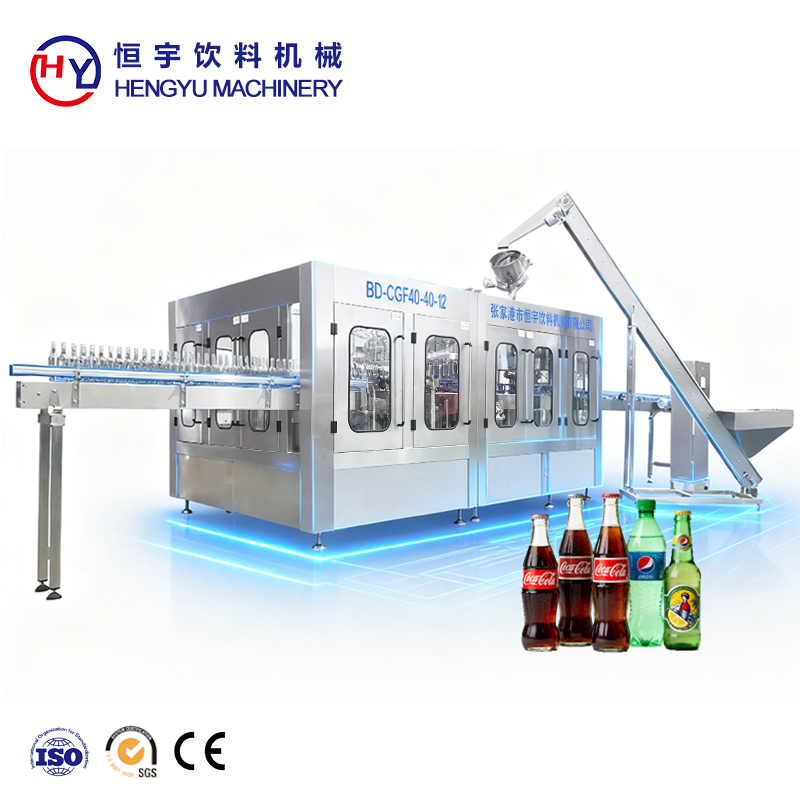
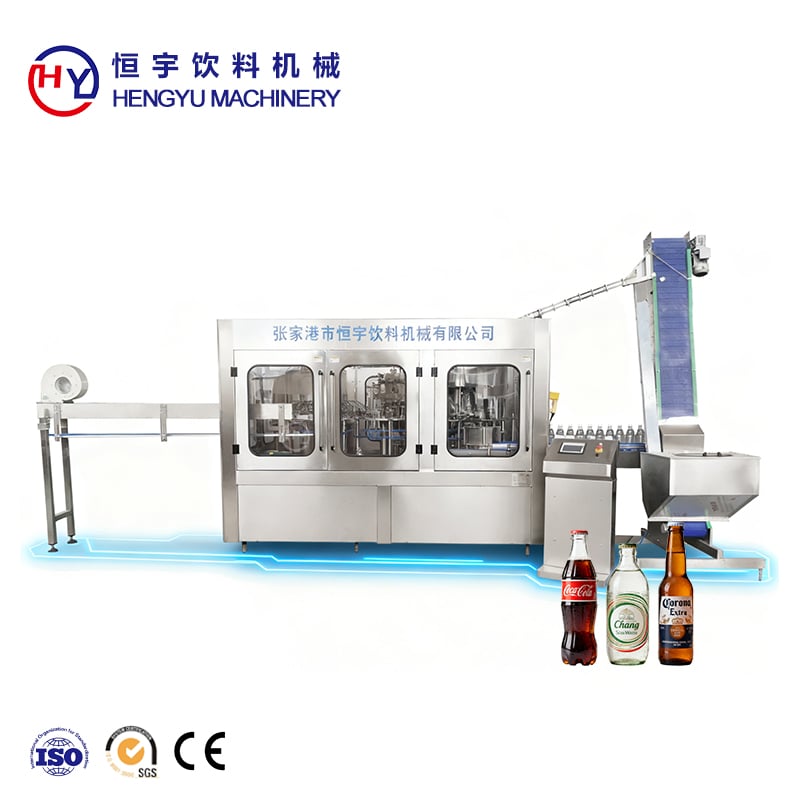
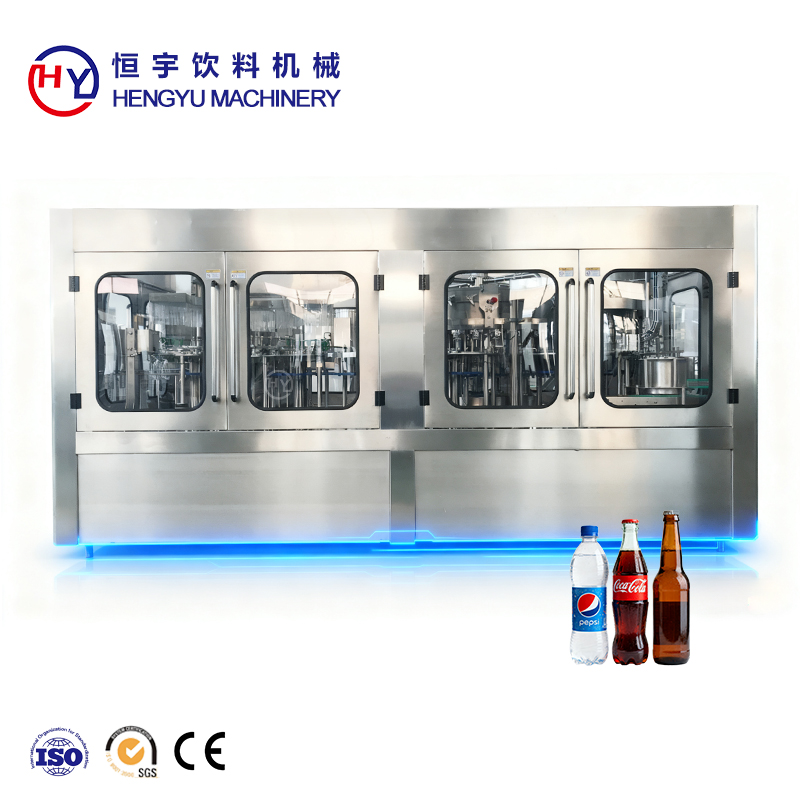
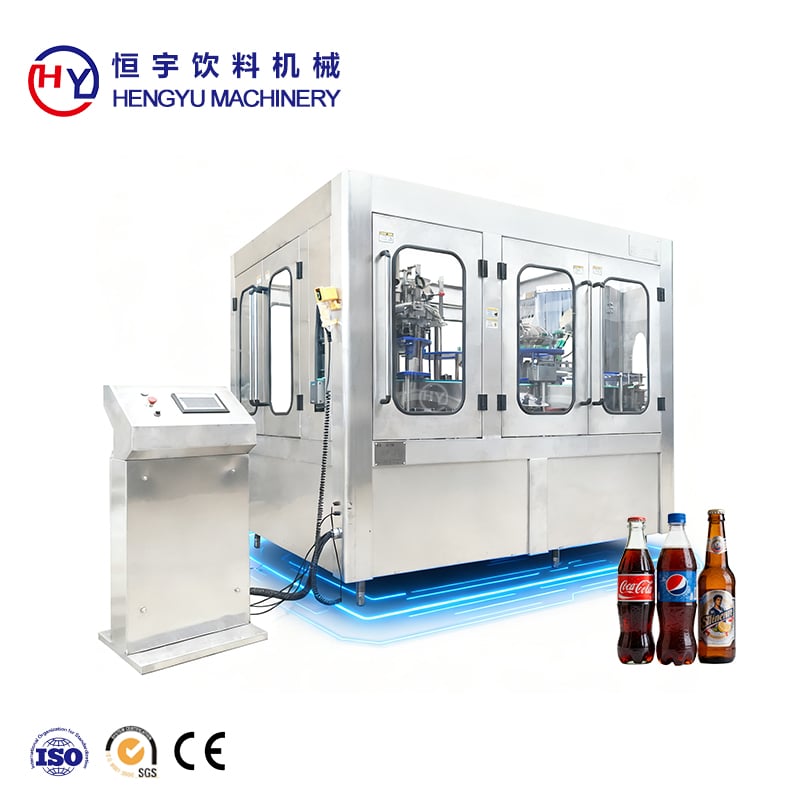
Understanding the soda bottle filling machine price requires examining multiple factors that influence the investment decision for beverage production facilities. These sophisticated pieces of equipment represent a significant capital expenditure, with pricing typically ranging from fifteen thousand to several hundred thousand dollars depending on capacity, automation level, and technological sophistication. The soda bottle filling machine price reflects the complexity of carbonated beverage packaging, which demands specialized equipment capable of maintaining consistent carbonation levels while ensuring hygienic filling conditions. Modern filling machines incorporate advanced features such as precise volume control, automated bottle handling, integrated capping systems, and computerized monitoring interfaces. The main functions include bottle rinsing, precise liquid filling with carbonation retention, crown or screw cap application, labeling capabilities, and quality inspection systems. Technological features that impact the soda bottle filling machine price include stainless steel construction for corrosion resistance, servo motor drives for accurate control, touch-screen operator interfaces, programmable logic controllers for automation, and carbon dioxide injection systems to maintain beverage fizz. Applications span across soft drink manufacturers, craft soda producers, sparkling water bottlers, energy drink companies, and contract packaging facilities. When evaluating the soda bottle filling machine price, buyers must consider production volume requirements, bottle size flexibility, floor space availability, maintenance accessibility, and future expansion potential. Entry-level semi-automatic models suit small-scale operations producing several hundred bottles hourly, while fully automatic rotary filling systems accommodate high-volume production exceeding twenty thousand bottles per hour. The investment in appropriate filling technology directly impacts product quality consistency, operational efficiency, labor cost reduction, and overall profitability for beverage businesses of all sizes.

Popular Products

Investing in a soda bottle filling machine delivers substantial practical benefits that justify the initial expenditure and provide long-term value for beverage producers. First and foremost, these machines dramatically increase production efficiency by automating repetitive manual tasks, allowing businesses to fill hundreds or thousands of bottles per hour depending on the model selected. This efficiency translates directly into reduced labor costs, as a single operator can supervise equipment that would otherwise require multiple workers performing manual filling operations. The consistency achieved through automated filling ensures every bottle contains precisely the correct volume, eliminating product giveaway that occurs with manual filling methods where operators tend to overfill to avoid customer complaints. This accuracy in portion control directly improves profit margins by reducing raw material waste. Another significant advantage relates to product quality maintenance, particularly crucial for carbonated beverages where preserving fizz levels determines consumer satisfaction. Modern filling machines employ specialized valves and counter-pressure filling techniques that minimize carbon dioxide loss during the packaging process, ensuring customers enjoy the intended taste experience. Hygiene standards also improve substantially with automated equipment, as reduced human contact with the product decreases contamination risks and helps businesses meet stringent food safety regulations. The soda bottle filling machine price reflects these quality assurance capabilities, which protect brand reputation and reduce costly product recalls. Operational flexibility represents another valuable benefit, as most contemporary machines accommodate various bottle sizes and shapes through quick-change parts and adjustable settings, enabling producers to diversify their product lines without purchasing separate equipment for each container type. Maintenance requirements have decreased with modern designs featuring accessible components, diagnostic systems that identify issues before failures occur, and widely available spare parts that minimize downtime. The initial soda bottle filling machine price should be viewed against these operational savings and revenue enhancement opportunities. Businesses experience faster return on investment through increased production capacity that allows them to capture growing market demand without proportional increases in labor expenses. Environmental benefits also emerge from reduced spillage and more efficient use of resources including water, energy, and packaging materials. The professional appearance of machine-filled products enhances market positioning, allowing producers to compete effectively with larger manufacturers while maintaining craft beverage authenticity. Scalability represents a final advantage, as businesses can start with appropriately sized equipment and upgrade to higher-capacity models as demand grows, protecting the initial investment while supporting business expansion goals.

Latest News

Glass Bottle Filling Machine vs Plastic Bottle Filling Machine

04

Mar

Glass Bottle Filling Machine vs Plastic Bottle Filling Machine

Material Properties Dictate Core Machine Design Glass fragility and thermal mass: why glass bottle filling machines require reinforced frames, shock-dampened conveyors, and precision neck-handling grippers Working with glass bottles means going th...
View More
Increasing Capacity in Bottled Water Production Lines

09

Mar

Increasing Capacity in Bottled Water Production Lines

Diagnosing Bottlenecks in Your Bottled Water Production Line Measuring Throughput Gaps: Bottling Speed, Changeover Time, and OEE Analysis To get a handle on where production is falling short, look at three key performance indicators. Start by compa...
View More
How Bottled Water Production Lines Maintain Product Safety

12

Mar

How Bottled Water Production Lines Maintain Product Safety

Regulatory Foundations and the Multi-Barrier Safety Framework FDA, EPA, and ISO Standards Specific to Bottled Water Production Lines The bottled water industry works within a pretty strict set of regulations. The FDA has these things called Good Ma...
View More
Can Filling Machine Technology for Carbonated Beverages

20

Mar

Can Filling Machine Technology for Carbonated Beverages

Isobaric Filling Principles: How Can Filling Machines Preserve Carbonation Under Pressure The Physics of CO₂ Solubility and Why Counter-Pressure Is Non-Negotiable The way carbon dioxide dissolves in drinks basically follows what we call Henry's Law...
View More

Get a Free Quote

Our representative will contact you soon.
Email
Name
Phone/WhatsApp
Required Product
Message
0/1000

soda bottle filling machine price

Cost-Effectiveness Through Production Capacity Optimization

Cost-Effectiveness Through Production Capacity Optimization

The relationship between soda bottle filling machine price and production capacity represents one of the most critical considerations for beverage manufacturers evaluating equipment investments. Understanding this balance enables businesses to select machinery that aligns perfectly with current operational needs while accommodating future growth trajectories. Entry-level machines priced in the lower range typically offer semi-automatic functionality suitable for startup operations or craft beverage producers with limited production volumes. These systems require more operator involvement but still deliver substantial advantages over completely manual filling methods, providing a practical stepping stone for businesses testing market reception before committing to fully automated solutions. Mid-range pricing tiers introduce increasingly sophisticated automation features that reduce labor dependency while expanding hourly output capabilities. These machines often incorporate automatic bottle feeding systems, integrated rinsing stations, precision filling valves with carbonation retention technology, automated capping mechanisms, and rejection systems that remove improperly filled containers from production lines. The soda bottle filling machine price at this level reflects enhanced construction quality with food-grade stainless steel components, improved control systems offering recipe storage for multiple products, and greater operational speeds reaching several thousand bottles per hour. High-capacity rotary filling systems commanding premium prices deliver industrial-scale production capabilities essential for established beverage companies serving regional or national distribution networks. These sophisticated machines feature multiple filling heads arranged on rotating carousels, allowing continuous operation with bottles constantly entering and exiting the filling zone. The investment in such equipment makes economic sense when production volumes justify the expense through labor savings, reduced per-unit production costs, and elimination of bottlenecks that would otherwise require multiple smaller machines. Calculating true cost-effectiveness requires analyzing total cost of ownership rather than focusing solely on initial purchase price. Factors including energy consumption, maintenance requirements, spare parts availability, operator training needs, and expected service life all contribute to the real financial impact. Machines with slightly higher purchase prices often deliver superior long-term value through reduced downtime, lower maintenance costs, better energy efficiency, and extended operational lifespans. The soda bottle filling machine price should thus be evaluated against projected production volumes, anticipated revenue per bottle, labor cost savings, and quality improvement benefits that enhance brand reputation and customer retention.
Advanced Technology Integration for Superior Product Quality

Advanced Technology Integration for Superior Product Quality

Modern soda bottle filling machines incorporate sophisticated technological features that directly influence both equipment pricing and the quality of finished beverages reaching consumers. Understanding these technological advancements helps businesses appreciate the value proposition behind different soda bottle filling machine price points and select equipment delivering optimal results for their specific production requirements. Counter-pressure filling technology represents one of the most important innovations for carbonated beverage packaging, addressing the fundamental challenge of maintaining fizz levels during the transfer from bulk storage to individual bottles. This method involves pressurizing bottles with carbon dioxide before introducing the liquid product, creating an environment where dissolved gas remains in solution rather than escaping as foam. Machines equipped with counter-pressure systems command higher prices but deliver dramatically superior results compared to atmospheric filling methods that allow significant carbonation loss. Precision flow meters and servo-driven filling valves ensure volumetric accuracy within fractions of a milliliter, eliminating the variance that plagues simpler equipment designs. This consistency protects profit margins by preventing overfilling while simultaneously ensuring regulatory compliance with volume declaration requirements. The soda bottle filling machine price reflects these precision components, which utilize advanced sensors and control algorithms to adjust filling parameters in real-time based on product temperature, carbonation level, and bottle dimensions. Sanitary design features represent another technological consideration impacting equipment cost and operational success. Food-grade stainless steel construction with polished surfaces, tool-free disassembly for cleaning access, automated clean-in-place systems, and sealed bearing assemblies all contribute to hygiene standards essential for consumer safety and regulatory compliance. These design elements increase manufacturing costs but deliver substantial value through reduced contamination risks, simplified sanitation procedures, and extended equipment lifespan. Integrated control systems featuring touch-screen interfaces, programmable logic controllers, and data logging capabilities provide operators with unprecedented visibility into production processes. Modern machines can store multiple product recipes, automatically adjust settings when changing bottle sizes, generate production reports, and alert maintenance personnel to emerging issues before equipment failures occur. The connectivity options available on contemporary equipment enable integration with broader factory automation systems, supporting Industry 4.0 initiatives that optimize overall manufacturing efficiency. The soda bottle filling machine price at various levels reflects these technological capabilities, with more sophisticated systems offering enhanced control, monitoring, and integration features that become increasingly valuable as production scales grow and operational complexity increases.
Versatility and Scalability for Long-Term Business Growth

Versatility and Scalability for Long-Term Business Growth

The flexibility and expansion capabilities built into soda bottle filling equipment significantly influence both the initial soda bottle filling machine price and the long-term value proposition for beverage manufacturers planning sustainable growth strategies. Businesses investing in filling technology must balance current operational requirements against future needs, making versatility a crucial selection criterion that justifies premium pricing for adaptable equipment designs. Bottle size flexibility represents a fundamental versatility consideration, as beverage producers increasingly offer products in multiple container formats to address diverse consumer preferences and market segments. Machines capable of handling various bottle heights, diameters, and shapes through adjustable guides, quick-change parts, and programmable settings provide substantial operational advantages compared to single-format equipment. This adaptability allows manufacturers to introduce new product sizes without purchasing additional filling lines, protecting the initial investment while enabling market responsiveness. The soda bottle filling machine price for multi-format equipment reflects the engineering complexity required to accommodate dimensional variations while maintaining filling accuracy and production speeds across the entire size range. Product versatility extends beyond container dimensions to encompass different beverage formulations with varying viscosities, carbonation levels, and ingredient characteristics. Quality filling machines incorporate adjustable parameters allowing operators to optimize filling performance for each specific product, whether handling highly carbonated soft drinks, lightly sparkling flavored waters, or functional beverages with suspended ingredients. This formulation flexibility enables businesses to diversify product portfolios and respond to evolving consumer trends without equipment limitations constraining innovation. Modular design philosophy represents another important versatility feature, with manufacturers offering base machines that accommodate optional upgrades and add-on components as business needs evolve. Initial installations might include essential filling and capping functions, with subsequent additions of automated rinsing stations, labeling systems, coding equipment, inspection devices, and accumulation tables as production volumes grow and quality requirements increase. This modular approach allows businesses to manage capital expenditures strategically, spreading investments across multiple budget cycles while building comprehensive production capabilities. The scalability dimension addresses capacity expansion pathways available within equipment families, where manufacturers offer compatible machines at various output levels using common control systems, spare parts, and operational interfaces. Businesses can start with appropriately sized equipment and upgrade to higher-capacity models as demand increases, leveraging operator familiarity and maintenance expertise while protecting training investments. The soda bottle filling machine price structure across these equipment families typically reflects economies of scale, with per-bottle-capacity costs decreasing as production capabilities increase. Understanding these versatility and scalability features helps buyers evaluate equipment options beyond immediate requirements, considering how different machines support long-term business strategies, accommodate market uncertainties, and protect capital investments against obsolescence as operational needs evolve and production demands grow over time.