Professional Water Bottle Filling Equipment - Advanced Automated Bottling Solutions for Commercial Production

All Categories

water bottle filling equipment

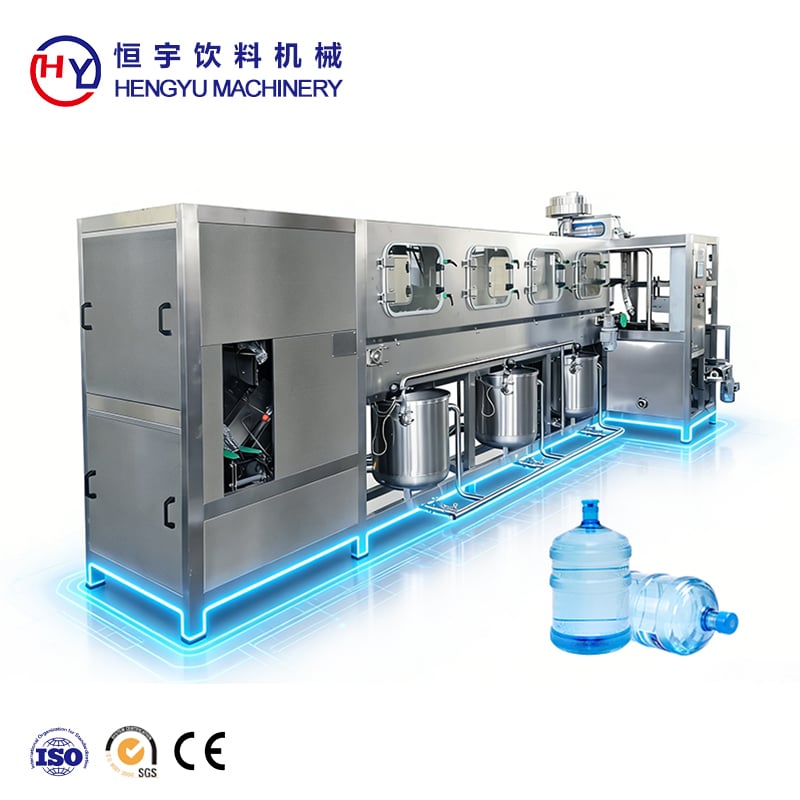
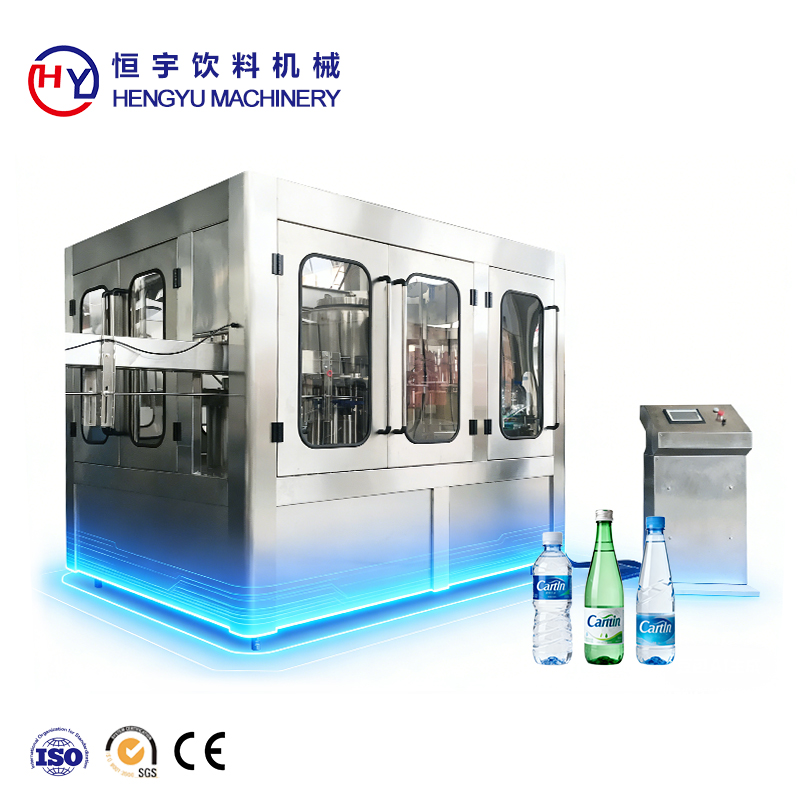
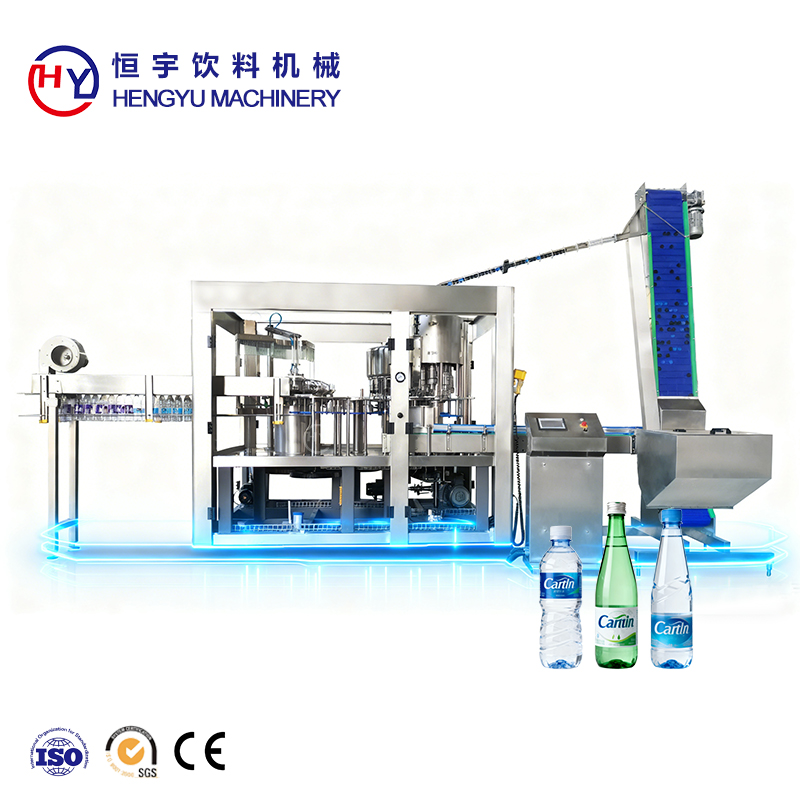
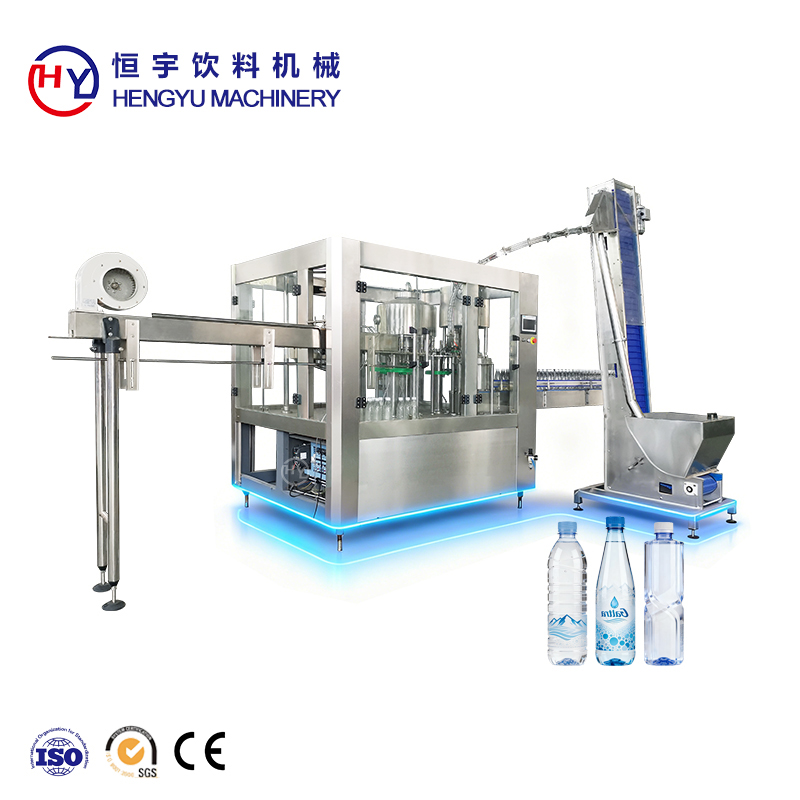
Water bottle filling equipment represents a sophisticated solution designed to automate the process of filling bottles with purified or mineral water in commercial production environments. This machinery serves as the backbone of modern beverage manufacturing facilities, enabling businesses to package water efficiently while maintaining strict hygiene standards and consistent product quality. The primary function of water bottle filling equipment involves precisely dispensing predetermined volumes of water into containers of various sizes, ranging from small personal bottles to large multi-gallon containers. These systems integrate multiple operational stages including bottle rinsing, filling, capping, and sometimes labeling within a single production line. Modern water bottle filling equipment utilizes advanced sensors and control systems to ensure accuracy in fill levels, preventing both underfilling and overflow situations that could result in product waste or customer dissatisfaction. The technological features incorporated into contemporary water bottle filling equipment include programmable logic controllers that allow operators to adjust settings for different bottle sizes and production speeds, stainless steel construction that meets food-grade safety requirements, and automated quality control mechanisms that detect and reject defective bottles before they proceed through the production line. Many systems also feature clean-in-place capabilities that simplify sanitation procedures without requiring complete disassembly of components. The applications for water bottle filling equipment span across numerous industries, from small-scale bottled water startups to large multinational beverage corporations. Businesses in the hospitality sector, healthcare facilities, and educational institutions also utilize this equipment to produce their own branded water products. The versatility of water bottle filling equipment makes it suitable for various water types including spring water, purified water, mineral water, and alkaline water, accommodating different market segments and consumer preferences while ensuring operational efficiency and product consistency throughout the manufacturing process.

Popular Products

Investing in water bottle filling equipment delivers substantial operational benefits that directly impact your business profitability and production capabilities. First and foremost, this machinery dramatically increases your production speed compared to manual filling methods, allowing you to fill hundreds or even thousands of bottles per hour depending on the system capacity you select. This enhanced throughput means you can meet larger orders, expand your market reach, and respond quickly to seasonal demand fluctuations without hiring additional staff or extending work shifts. The precision offered by automated water bottle filling equipment eliminates the inconsistencies associated with manual operations, ensuring every bottle contains the exact amount of water your label promises. This accuracy protects your brand reputation, reduces product giveaway costs, and helps you comply with regulatory requirements regarding fill volumes. Another significant advantage involves the improved hygiene standards that water bottle filling equipment provides through enclosed filling environments and minimal human contact with the product. This reduces contamination risks and extends the shelf life of your bottled water, decreasing returns and customer complaints. The equipment also reduces labor costs substantially since fewer workers are needed to operate automated systems compared to manual filling lines, and those employees can focus on supervision and quality control rather than repetitive physical tasks. Energy efficiency represents another practical benefit, as modern water bottle filling equipment incorporates power-saving technologies that reduce electricity consumption during operation, lowering your utility expenses over time. The flexibility of these systems allows you to switch between different bottle sizes and shapes with minimal downtime, enabling you to diversify your product offerings without purchasing entirely new equipment. Maintenance requirements for quality water bottle filling equipment remain manageable, with many components designed for easy access and replacement, minimizing production interruptions and repair costs. The quick return on investment makes water bottle filling equipment an economically sound decision, as the combination of increased production, reduced labor, minimized waste, and improved product quality typically allows businesses to recover their initial equipment investment within a reasonable timeframe. Additionally, the professional appearance and consistent quality of bottles produced by automated equipment enhance your brand image in the marketplace, helping you command premium prices and build customer loyalty in an increasingly competitive beverage industry.

Tips And Tricks

Glass Bottle Filling Machine vs Plastic Bottle Filling Machine

04

Mar

Glass Bottle Filling Machine vs Plastic Bottle Filling Machine

Material Properties Dictate Core Machine Design Glass fragility and thermal mass: why glass bottle filling machines require reinforced frames, shock-dampened conveyors, and precision neck-handling grippers Working with glass bottles means going th...
View More
How Bottled Water Production Lines Maintain Product Safety

12

Mar

How Bottled Water Production Lines Maintain Product Safety

Regulatory Foundations and the Multi-Barrier Safety Framework FDA, EPA, and ISO Standards Specific to Bottled Water Production Lines The bottled water industry works within a pretty strict set of regulations. The FDA has these things called Good Ma...
View More
Can Filling Machine Capacity Planning Guide

22

Mar

Can Filling Machine Capacity Planning Guide

Understanding Can Filling Machine Capacity: Theory vs. Real-World Performance Why Theoretical Capacity Rarely Matches Effective Output on Can Filling Lines When companies talk about canning speed at 100 cans per minute, they're referring to what ha...
View More
Automation Technology in Can Sealing Machines

24

Mar

Automation Technology in Can Sealing Machines

How Automation Enhances Precision and Reliability in Can Sealing Machines Core Automation Components: Servo Drives, Vision Systems, and Closed-Loop Feedback in Modern Can Sealing Machines Today's can sealing equipment reaches incredible levels of p...
View More

Get a Free Quote

Our representative will contact you soon.
Email
Name
Phone/WhatsApp
Required Product
Message
0/1000

water bottle filling equipment

Advanced Automation Technology for Consistent Production Quality

Advanced Automation Technology for Consistent Production Quality

The automation technology integrated into modern water bottle filling equipment represents a transformative advancement that revolutionizes how businesses approach beverage production. At the core of this technology lies sophisticated programmable logic controllers that orchestrate every aspect of the filling process with remarkable precision. These intelligent systems continuously monitor fill levels, bottle positioning, and production speeds, making real-time adjustments to maintain optimal performance throughout extended production runs. The sensors embedded within water bottle filling equipment detect bottle presence, verify proper positioning, and measure liquid levels with extraordinary accuracy, ensuring that each container receives the correct volume regardless of minor variations in bottle manufacturing tolerances. This level of automation eliminates the human error factor that inevitably occurs in manual operations, where fatigue, distraction, or simple mistakes can lead to inconsistent fill levels and wasted product. The touchscreen interfaces found on contemporary water bottle filling equipment provide operators with intuitive controls that simplify system operation, allowing even minimally trained staff to manage complex production parameters effectively. Through these interfaces, operators can store multiple production recipes for different bottle sizes and product specifications, enabling rapid changeovers that would traditionally require extensive manual adjustments and testing. The automation extends beyond the filling operation itself to include integrated inspection systems that verify cap placement, check for proper sealing, and even examine fill levels through transparent bottles, automatically rejecting any containers that fail to meet quality standards. This comprehensive quality control happens at production speeds, eliminating the need for time-consuming manual inspection procedures that slow throughput and increase labor requirements. The data collection capabilities built into automated water bottle filling equipment provide valuable insights into production efficiency, tracking metrics such as bottles filled per hour, rejection rates, and downtime causes. This information empowers managers to identify optimization opportunities, schedule preventive maintenance before breakdowns occur, and make informed decisions about capacity expansion. The reliability of automated systems also translates to more predictable production schedules, allowing businesses to commit to delivery timelines with confidence and build stronger relationships with distributors and retailers who depend on consistent supply.
Hygienic Design Standards That Protect Product Purity

Hygienic Design Standards That Protect Product Purity

The hygienic design principles incorporated into water bottle filling equipment address the critical importance of maintaining product purity throughout the packaging process. Since water serves as a growth medium for various microorganisms when contamination occurs, the equipment used to bottle it must meet stringent sanitary standards that prevent bacterial proliferation and ensure consumer safety. Quality water bottle filling equipment features entirely stainless steel construction in all product contact areas, utilizing specifically food-grade alloys that resist corrosion, do not leach chemicals into the water, and provide smooth surfaces that bacteria cannot easily colonize. The welds and joints in hygienic water bottle filling equipment receive special attention during manufacturing, with sanitary welding techniques creating smooth transitions without crevices where microorganisms might harbor and multiply. Many systems incorporate electropolished surfaces that further enhance cleanability by creating microscopically smooth finishes that shed contaminants during cleaning procedures. The design philosophy extends to eliminating dead legs and stagnant zones within piping systems where water might sit undisturbed, creating opportunities for biofilm formation that could compromise subsequent production batches. Modern water bottle filling equipment increasingly features clean-in-place systems that circulate cleaning and sanitizing solutions through all product contact surfaces without requiring disassembly, reducing both the time and labor associated with sanitation while ensuring more thorough and consistent cleaning compared to manual methods. These automated cleaning cycles can be validated and documented, providing the quality assurance records that regulatory agencies and food safety audits demand. The enclosed filling environments created by properly designed water bottle filling equipment minimize exposure to airborne contaminants present in production facilities, with some systems incorporating positive air pressure zones or HEPA filtration that supplies ultra-clean air to critical filling areas. The bottle rinsing stations integrated into comprehensive water bottle filling equipment systems remove particulates and residues from containers before filling occurs, addressing contamination that might originate from bottle manufacturing, transportation, or storage. Quick-disconnect fittings and tool-free disassembly features allow maintenance personnel to access interior components when deep cleaning or inspection becomes necessary, supporting ongoing hygiene verification programs. The materials used in seals, gaskets, and other non-metallic components meet FDA compliance standards, ensuring they do not degrade or introduce foreign substances into the product stream. This comprehensive approach to hygienic design protects both consumer health and brand reputation, while the enhanced shelf stability resulting from proper sanitary practices reduces product losses from premature spoilage.
Scalable Capacity Options That Grow With Your Business

Scalable Capacity Options That Grow With Your Business

The scalability inherent in water bottle filling equipment solutions provides businesses with the flexibility to match their production capabilities to current demand while preserving options for future expansion as market opportunities develop. Entry-level water bottle filling equipment systems designed for startups and small operations offer semi-automatic functionality that significantly improves upon manual filling while maintaining affordable initial investment levels, typically handling production volumes ranging from several hundred to a few thousand bottles per day. These compact systems occupy minimal floor space, making them suitable for businesses operating in limited production areas or those testing market receptivity before committing to larger-scale operations. As businesses experience growth and demand increases, mid-range water bottle filling equipment provides fully automatic operation with higher speeds, often incorporating integrated rinsing, filling, and capping functions that streamline workflow and reduce the number of operators required per production shift. These systems might produce anywhere from five thousand to twenty thousand bottles daily, supporting regional distribution networks and multiple retail accounts while maintaining the quality consistency that builds brand recognition. For established operations serving extensive distribution territories or multiple product lines, high-capacity water bottle filling equipment delivers industrial-scale production capable of filling tens of thousands or even hundreds of thousands of bottles per day, incorporating sophisticated automation, redundant safety systems, and integrated quality control technologies that ensure reliable operation during extended production runs. The modular design philosophy employed by leading equipment manufacturers allows businesses to add capabilities incrementally, perhaps starting with a basic filling line and later incorporating automatic unscramblers that orient bottles for filling, adding labeling systems that apply branding, or integrating packaging equipment that creates retail-ready cases. This modular expandability protects initial equipment investments since components remain compatible and functional as the production line grows more comprehensive. The adjustability built into quality water bottle filling equipment enables the same system to accommodate multiple bottle sizes and formats, from small single-serve bottles to large office cooler containers, allowing businesses to diversify their product portfolios without purchasing separate filling lines for each package size. This versatility proves particularly valuable when responding to evolving consumer preferences or exploring niche market segments that might require specialized bottle formats. The production data and operational experience gained with smaller-scale water bottle filling equipment inform smarter decisions when the time arrives to expand capacity, as businesses develop clear understanding of their actual production requirements, peak demand periods, and the specific features that deliver the greatest value for their particular operations and market positioning.