Professional Mineral Water Bottling Machine - Automated Filling Solutions for Beverage Production

All Categories

mineral water bottling machine

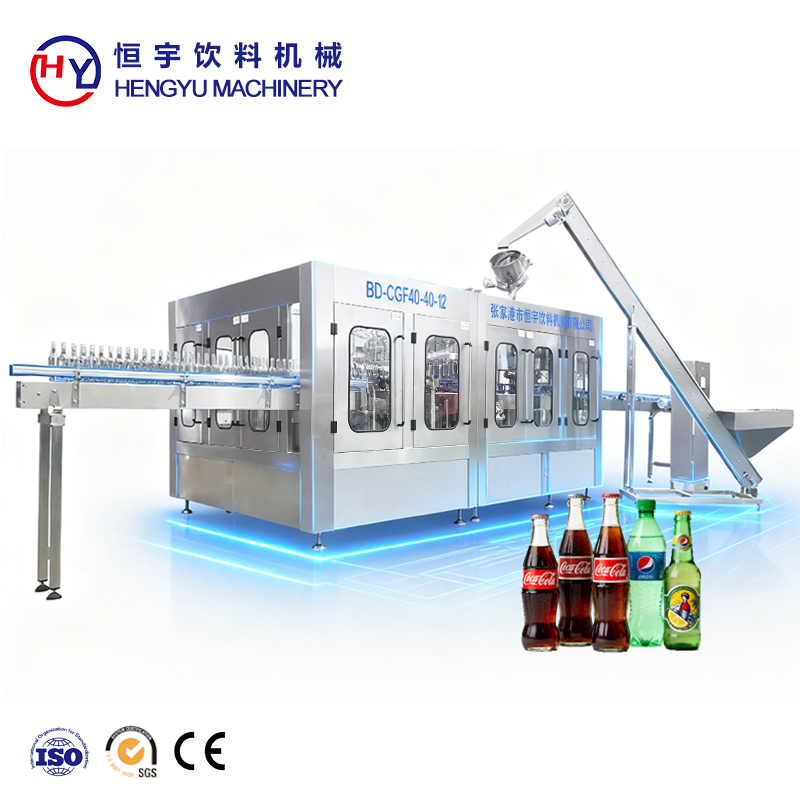
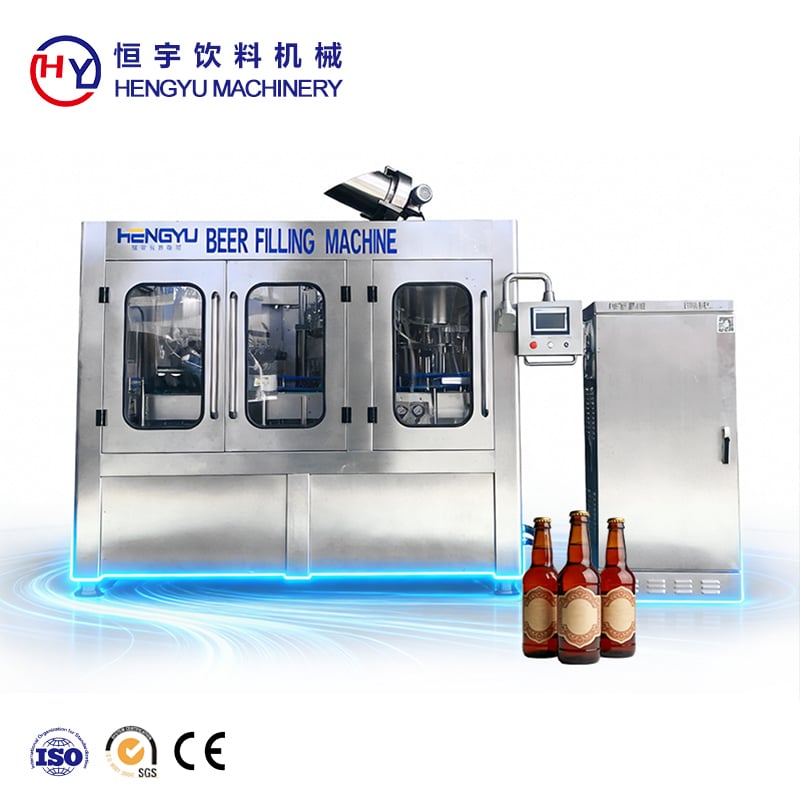
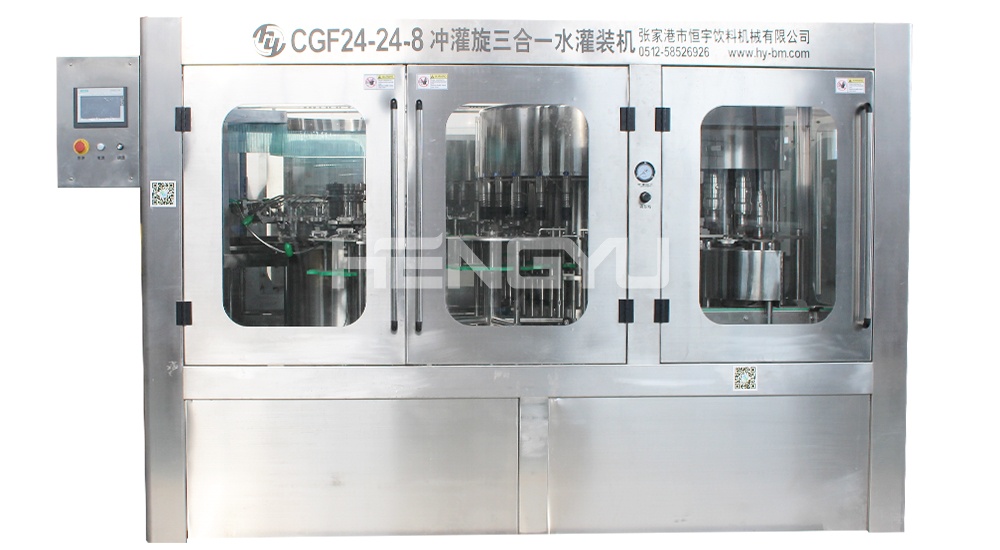
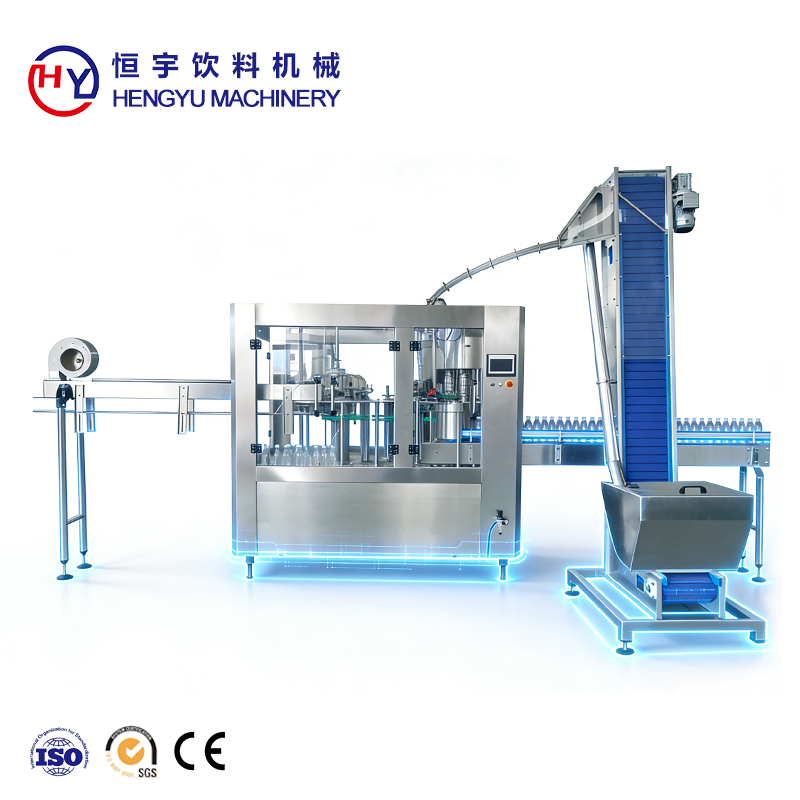
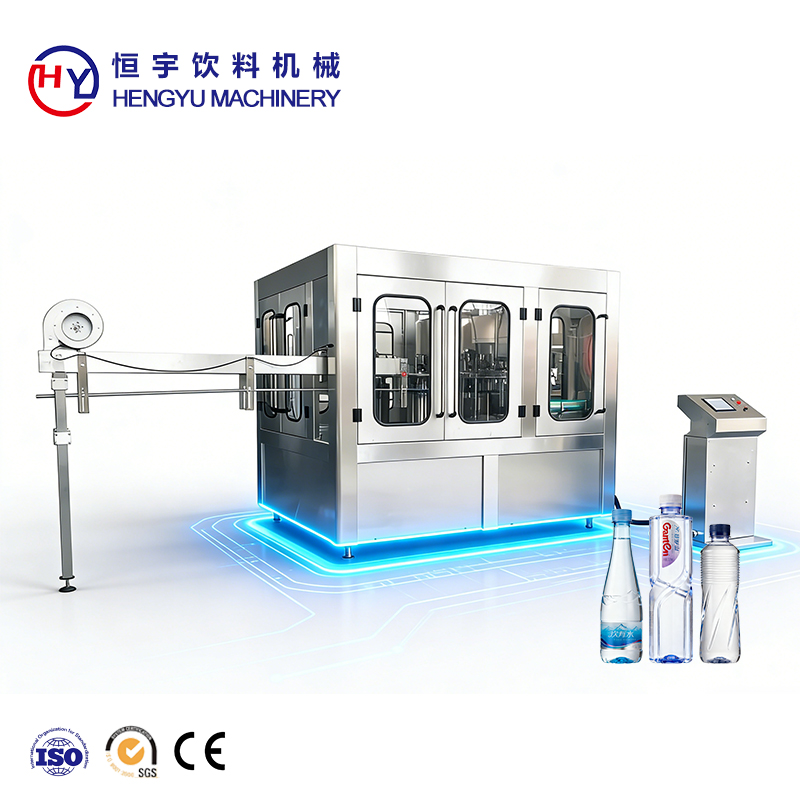
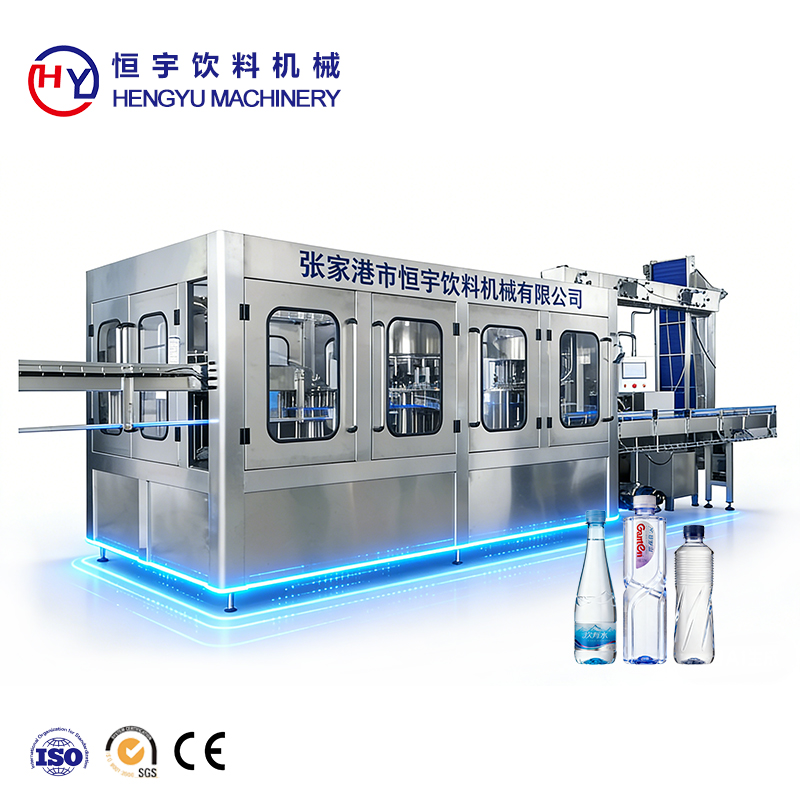
A mineral water bottling machine represents an essential piece of equipment designed to automate the complete process of filling, capping, and sealing bottles with purified mineral water. This sophisticated system integrates multiple operations into a seamless production line, transforming raw mineral water into packaged consumer products ready for distribution. The primary functions of a mineral water bottling machine include bottle rinsing to remove contaminants, precise liquid filling to maintain consistent volume across all containers, cap placement and sealing to ensure product integrity, and labeling to provide brand identification and regulatory information. Modern mineral water bottling machines incorporate advanced technological features such as programmable logic controllers that allow operators to adjust filling speeds, volumes, and operational parameters through intuitive touchscreen interfaces. These machines utilize precision sensors and flow meters to guarantee accurate filling levels, minimizing product waste while maximizing efficiency. The construction typically employs food-grade stainless steel materials that resist corrosion and facilitate thorough cleaning, meeting stringent hygiene standards required in beverage production. Automated systems detect bottle presence, reject defective containers, and maintain consistent production speeds ranging from several hundred to thousands of bottles per hour depending on the model and configuration. Applications for mineral water bottling machines span diverse sectors including commercial bottling plants, spring water facilities, municipal water treatment centers, and beverage manufacturing companies. These machines accommodate various bottle sizes from small personal containers to large multi-gallon jugs, offering flexibility to meet different market demands. The integration of quality control mechanisms ensures each bottle meets safety and quality standards before leaving the production line. Energy-efficient designs reduce operational costs while maintaining high throughput, making these machines valuable investments for businesses seeking to scale their bottled water operations. Whether serving local markets or international distribution networks, a mineral water bottling machine provides the reliability and consistency necessary for competitive beverage production in today's demanding marketplace.

New Product Recommendations

Investing in a mineral water bottling machine delivers substantial practical benefits that directly impact your business operations and profitability. First and foremost, automation drastically reduces labor requirements compared to manual bottling processes. Where traditional methods might require multiple workers handling different stages of bottle preparation, filling, and sealing, a single operator can monitor an entire automated line, significantly cutting wage expenses while simultaneously increasing output capacity. The precision offered by these machines ensures every bottle contains exactly the specified volume, eliminating the costly problem of overfilling that wastes product or underfilling that violates regulatory standards and disappoints customers. This consistency builds consumer trust in your brand and reduces product recalls or compliance issues. Speed represents another critical advantage, as modern mineral water bottling machines process hundreds or thousands of bottles hourly, enabling businesses to meet high demand periods without compromising quality or requiring overtime shifts. The enhanced hygiene standards maintained through enclosed automated systems minimize human contact with the product, reducing contamination risks that could compromise safety and damage brand reputation. Stainless steel construction and automated cleaning cycles ensure sanitary conditions throughout production, meeting health department requirements without extensive manual scrubbing. Flexibility allows manufacturers to quickly switch between different bottle sizes and formats with minimal downtime, responding rapidly to changing market preferences or seasonal demands. The reduction in breakage and spillage compared to manual handling translates to lower material costs and less waste disposal. Energy-efficient components and optimized production cycles lower utility bills while maintaining consistent output. Built-in quality control features automatically detect and reject defective bottles, ensuring only properly sealed containers reach customers and protecting brand integrity. The compact footprint of many mineral water bottling machines maximizes valuable factory floor space, allowing businesses to expand production capacity without requiring expensive facility expansions. Maintenance requirements remain manageable with clearly marked service points and durable components designed for extended operational life, minimizing unexpected downtime that disrupts production schedules. Real-time monitoring capabilities provide production data that helps managers identify bottlenecks, optimize workflows, and make informed decisions about capacity planning. The professional appearance of uniformly filled and sealed bottles enhances market appeal, justifying premium pricing and strengthening competitive positioning. Return on investment typically occurs within reasonable timeframes as increased production capacity and reduced operating costs offset the initial equipment purchase. Scalability allows businesses to start with appropriately sized equipment and upgrade as demand grows, supporting sustainable business expansion without excessive upfront capital requirements.

Latest News

How to Choose a Glass Bottle Filling Machine for Beverage Production

06

Mar

How to Choose a Glass Bottle Filling Machine for Beverage Production

Match Filling Technology to Beverage Type and Sensitivity Counter-Pressure Fillers for Carbonated Beverages and Beer Carbonated drinks like soda, sparkling water and beer need careful filling techniques to keep their fizz intact while avoiding exc...
View More
Increasing Capacity in Bottled Water Production Lines

09

Mar

Increasing Capacity in Bottled Water Production Lines

Diagnosing Bottlenecks in Your Bottled Water Production Line Measuring Throughput Gaps: Bottling Speed, Changeover Time, and OEE Analysis To get a handle on where production is falling short, look at three key performance indicators. Start by compa...
View More
How Can Filling Machines Improve Beverage Production Speed

24

Mar

How Can Filling Machines Improve Beverage Production Speed

Filling Machine Type Determines Maximum Throughput Potential Gravity, Isobaric, and Piston Can Filling Machines: Speed vs. Precision Trade-offs Gravity fillers work well for delicate drinks such as juice, processing around 20 to 36 bottles every mi...
View More
Can Sealing Machine Maintenance Tips

23

Mar

Can Sealing Machine Maintenance Tips

Daily and Weekly Preventive Maintenance for Your Can Sealing Machine Essential Daily Checks: Belt Tension, Sealing Bar Alignment, and Tape Head Cleanliness Starting every shift with a quick check on belt tension makes all the difference. If belts a...
View More

Get a Free Quote

Our representative will contact you soon.
Email
Name
Phone/WhatsApp
Required Product
Message
0/1000

mineral water bottling machine

Advanced Automation Technology Streamlines Complete Production Workflow

Advanced Automation Technology Streamlines Complete Production Workflow

The sophisticated automation technology integrated into modern mineral water bottling machines revolutionizes production efficiency by orchestrating multiple complex operations simultaneously without human intervention. At the heart of this capability lies programmable logic controller systems that coordinate every aspect of the bottling process with millisecond precision. These intelligent control systems manage the synchronized movement of bottles through various stations, adjusting speeds and timing to optimize throughput while maintaining quality standards. The automation begins as empty bottles enter the conveyor system, where sensors detect their presence and position them correctly for the rinsing station. High-pressure air or water jets thoroughly clean bottle interiors, removing dust particles or manufacturing residue that could contaminate the mineral water. Following sanitization, bottles proceed to the filling station where precision volumetric or gravimetric filling technology dispenses exact quantities of mineral water. Advanced flow control valves open and close with remarkable accuracy, ensuring consistent fill levels across thousands of bottles without variation. The capping mechanism then retrieves caps from a vibrating bowl feeder that orients them correctly, places them precisely on bottle openings, and applies calibrated torque to create hermetic seals that preserve freshness and prevent leakage. Throughout this entire sequence, multiple sensors continuously monitor operations, detecting any anomalies such as missing bottles, improperly seated caps, or incorrect fill levels. When deviations occur, the system automatically rejects defective units without halting the entire production line, maintaining overall efficiency. Touchscreen human-machine interfaces provide operators with real-time visualization of production status, allowing quick adjustments to parameters like filling speed, volume settings, or capping pressure. Recipe management features enable seamless transitions between different bottle formats by recalling stored configurations, drastically reducing changeover times compared to manual adjustments. Data logging capabilities record production metrics that help identify trends, predict maintenance needs, and optimize operational efficiency over time. This comprehensive automation eliminates the inconsistencies inherent in manual processes where human fatigue, distraction, or varying technique creates quality fluctuations. The result is predictable, repeatable production that meets exact specifications batch after batch, building customer confidence and reducing costly recalls or quality complaints. Emergency stop systems and safety interlocks protect operators from moving components while allowing quick access for maintenance or troubleshooting. Remote monitoring capabilities in connected machines enable technical support teams to diagnose issues or adjust settings without on-site visits, minimizing downtime. The technological sophistication of these mineral water bottling machines represents a fundamental shift from labor-intensive manufacturing to smart production systems that maximize output while minimizing resource consumption.
Hygienic Design Principles Ensure Product Safety and Regulatory Compliance

Hygienic Design Principles Ensure Product Safety and Regulatory Compliance

The commitment to hygienic design in mineral water bottling machines addresses the critical importance of product safety in beverage manufacturing where contamination risks could have serious public health consequences. Every component that contacts the mineral water or bottle surfaces is constructed from food-grade stainless steel alloys specifically selected for their resistance to corrosion, ease of cleaning, and non-reactive properties that prevent flavor alteration or chemical leaching. Surface finishes receive specialized electropolishing treatments that create microscopically smooth textures eliminating tiny crevices where bacteria could harbor and multiply. The smooth surfaces facilitate thorough cleaning and sanitization through automated clean-in-place systems that circulate cleaning solutions through all product contact areas without requiring equipment disassembly. These cleaning cycles use precisely controlled temperatures, chemical concentrations, and contact times validated to eliminate microbial contamination according to established food safety protocols. Design features like sloped surfaces and complete drainage ensure no stagnant pools where microorganisms could proliferate between production runs. Enclosed filling chambers protect the mineral water from airborne contaminants during the vulnerable filling operation when bottles are open and product is exposed. Positive air pressure systems in filling zones create outward airflow that prevents dust or particles from entering the filling area. Gaskets and seals utilize FDA-approved materials that withstand repeated sanitization without degrading or introducing foreign substances. The absence of dead spaces, threaded connections in product zones, and difficult-to-reach areas reflects thoughtful engineering that prioritizes cleanability. Quick-release clamps and tool-free disassembly for components requiring periodic deep cleaning reduce maintenance time while ensuring thorough hygiene. Material selection extends beyond stainless steel to include specialized plastics and elastomers rated for food contact and resistant to chemical sanitizers. Validation documentation and material certifications provide traceability proving compliance with regulations governing food contact surfaces. The hygienic design philosophy extends to the machine frame and non-product-contact areas, using washdown-rated electrical components sealed against moisture intrusion and constructed from corrosion-resistant materials that withstand frequent cleaning. Drip trays collect any spills or cleaning runoff for proper disposal, preventing contamination of the production environment. Air handling systems incorporate filtration that removes particulates and microorganisms from compressed air used in pneumatic operations. Temperature monitoring ensures the mineral water remains within safe ranges that inhibit bacterial growth throughout the filling process. Documentation systems track cleaning schedules, sanitization verification, and maintenance activities to demonstrate due diligence during regulatory inspections. This comprehensive approach to hygiene transforms the mineral water bottling machine from simple production equipment into a validated food safety system that protects consumers and shields manufacturers from liability while meeting increasingly stringent regulatory requirements across global markets.
Versatile Configuration Options Support Diverse Production Requirements and Business Growth

Versatile Configuration Options Support Diverse Production Requirements and Business Growth

The remarkable versatility built into modern mineral water bottling machines enables businesses to adapt quickly to changing market demands, accommodate multiple product formats, and scale operations as companies grow without requiring complete equipment replacement. Modular design principles allow manufacturers to configure systems with the specific capabilities matching their current production needs while maintaining expansion pathways for future enhancement. Entry-level configurations might include basic rinsing, filling, and capping functions suitable for businesses beginning their bottled water operations or serving localized markets with modest volume requirements. As demand increases, companies can add modules for labeling, date coding, shrink wrapping, or case packing that transform individual bottles into retail-ready products without purchasing entirely new equipment. The mechanical design accommodates bottle size changes through adjustable guides, conveyor widths, and filling heads that reposition to match different container dimensions. Quick-change parts kits enable transitions between bottle formats during a single production shift, allowing manufacturers to produce various sizes for different market segments or customer preferences. Some advanced mineral water bottling machines feature automatic format adjustment where servo motors reposition components based on programmed recipes, reducing changeover time from hours to minutes. This flexibility proves invaluable when responding to promotional opportunities, seasonal demand fluctuations, or market tests of new container designs without significant production disruptions. The scalability extends to production speed, where variable frequency drives allow operators to adjust line speeds matching their immediate needs. Businesses experiencing growth can increase output by raising operating speeds rather than purchasing additional machines, maximizing return on initial investment. Filling technology options range from simple gravity fillers for non-carbonated still water to pressure fillers, vacuum fillers, or isobaric fillers for carbonated or oxygen-sensitive products, ensuring the mineral water bottling machine suits specific product characteristics. Multi-head filling systems increase capacity by filling several bottles simultaneously, with configurations ranging from single heads for small operations to dozens of heads for high-volume industrial production. Integration capabilities allow mineral water bottling machines to connect with upstream water treatment systems and downstream packaging equipment, creating complete production lines coordinated through central control systems. Communication protocols enable data exchange with enterprise resource planning software, providing production information for inventory management, quality tracking, and business analytics. The versatility in footprint configurations accommodates different facility layouts, with linear arrangements for spacious plants or compact rotary designs for space-constrained operations. Customization options address unique requirements like specialized bottle shapes, proprietary closure systems, or specific labeling demands that differentiate brands in competitive markets. This adaptability protects capital investments by ensuring equipment remains relevant as businesses evolve, markets shift, and product portfolios expand, providing sustained value throughout the mineral water bottling machine operational lifespan.